
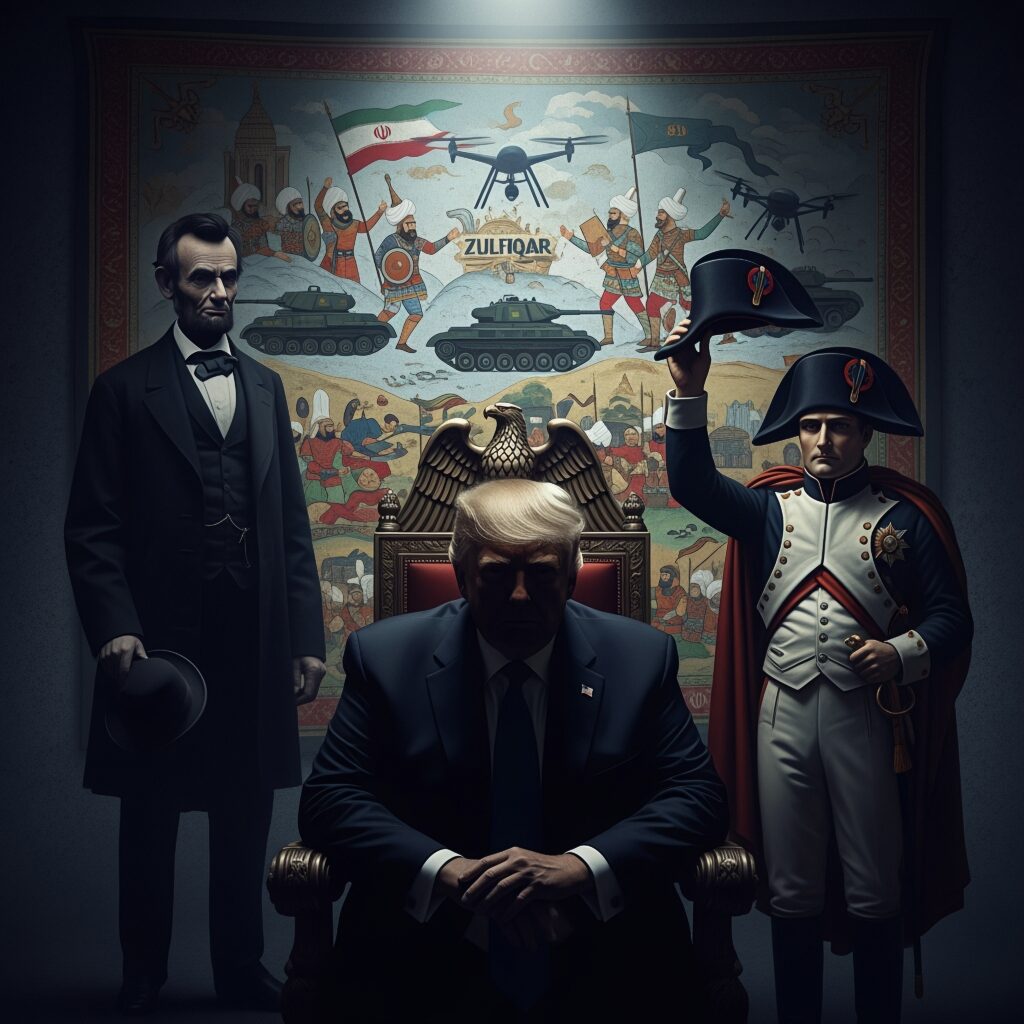
Antonio Navalón
Ever since Napoleon Bonaparte understood the value of controlling the narrative of power—and when figures like Joseph Fouché perfected the art of political manipulation—it has been well known that in any war, as in any exercise of power, winning or losing is, above all, a matter of perception. Trump seems trapped in a labyrinth of his own personality. Day after day, he insists that the war is over and that the devastating action of his forces has left Iran not only weakened, but practically incapable of responding.
That is why it is difficult to reconcile that rhetoric with the reality suggested by other indications. Not merely the possibility—difficult to verify—of significant material losses, but the sense that he is either being misinformed or has ended up convincing himself of his own narrative. In any case, Iran, a country of more than 85 million people and heir to a historical tradition dating back to the Persian Empire, is no minor player. Its political structure, dominated by the Ayatollah system since the 1979 Islamic Revolution, has built a regime that combines ideological control, internal repression, and strategic resilience.

Propaganda is a central part of this scheme. Tehran asserts that it will not surrender, and although that assertion may also be part of its own propaganda apparatus, what matters is that the conflict is not measured solely in terms of material destruction, but by the ability to project resilience in the face of the adversary.

Meanwhile, Trump, in a decision that recalls—albeit in a different context—the logic of leadership in times of crisis, has opted to reshuffle commanders amid tension. In 2025, he dismissed the then-Chairman of the Joint Chiefs of Staff, General Charles Q. Brown Jr., in a move interpreted as part of an internal restructuring of his security apparatus. Such moves, far from being neutral, often reflect deep tensions within the power apparatus. Added to this is the constant pressure on his own attorney general, Pam Bondi, whose actions have been perceived as aligned with a markedly personalistic vision of justice. All of these points point to a dynamic in which loyalty carries as much, or more, weight than effectiveness—a common trait of personalistic leadership.
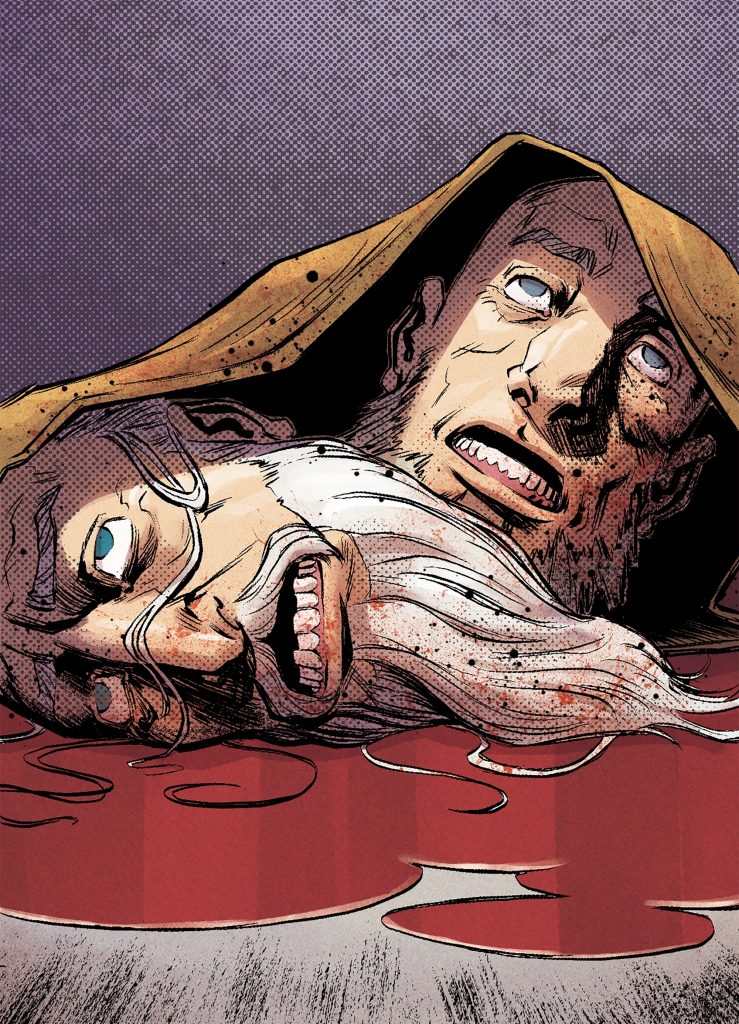
History offers useful parallels. Abraham Lincoln dismissed several Union Army commanders before finding in Ulysses S. Grant the military leader capable of sustaining the North’s strategy. Before Grant, figures such as George B. McClellan had displayed a mix of excessive caution and lack of determination that exasperated the White House.

McClellan, in particular, was removed for his inability to exploit clear strategic advantages, which delayed the conflict’s resolution. The change was no small matter: it marked the turning point that allowed the Union to move from stalemate to victory. That episode illustrates a historical constant: changing military command in the midst of a war is not a technical move, but a sign of crisis, adjustment, or desperation.

Today, as then, a change at the top of the military can be interpreted in two ways. In some cases, it reflects disorientation, a loss of control, or an inability to assess the situation correctly. In others, it follows a more dangerous logic: shifting the blame for failure onto subordinates. That narrative, used by leaders such as Adolf Hitler in the final phase of World War II, frames defeat as alleged internal treason, thereby avoiding accountability for one’s own mistakes.

Meanwhile, the internal political struggle in the United States continues on its own course. The country is in a state of constant tension. Although Democrats believe they hold an electoral advantage, they face a structural problem: a lack of internal cohesion and clear leadership. On the other side, discontent with Trump is real, but not necessarily sufficient to articulate a solid alternative. In this context, uncertainty becomes the dominant factor. And when uncertainty dominates, the temptation to alter the rules of the game arises.
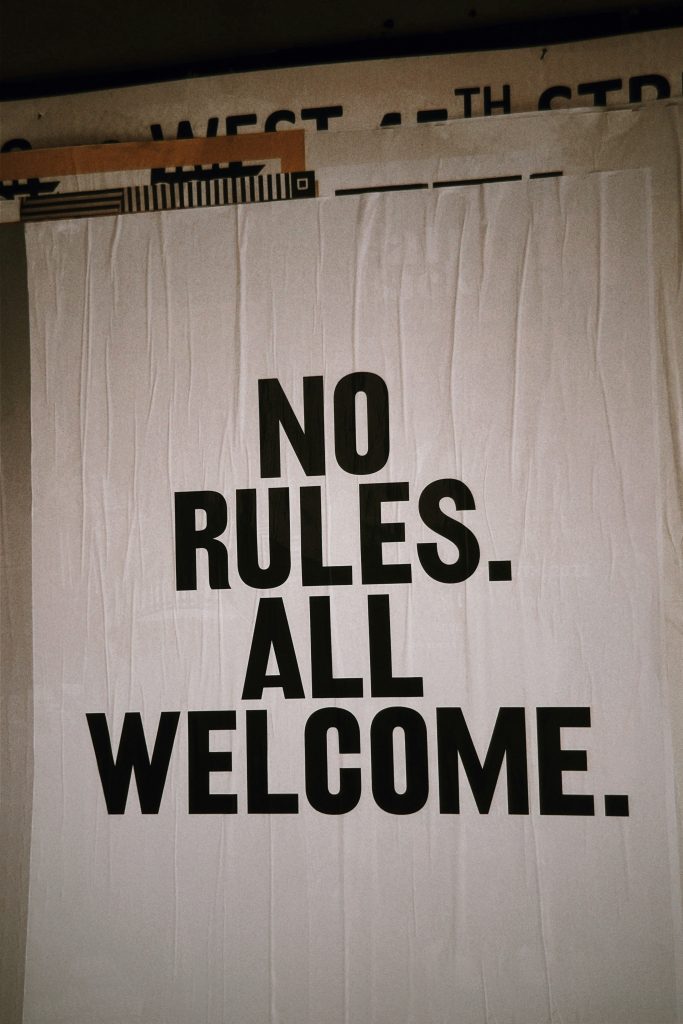
The shadow of the January 6, 2021, assault on the Capitol remains as a reminder of just how far the system can be stretched.
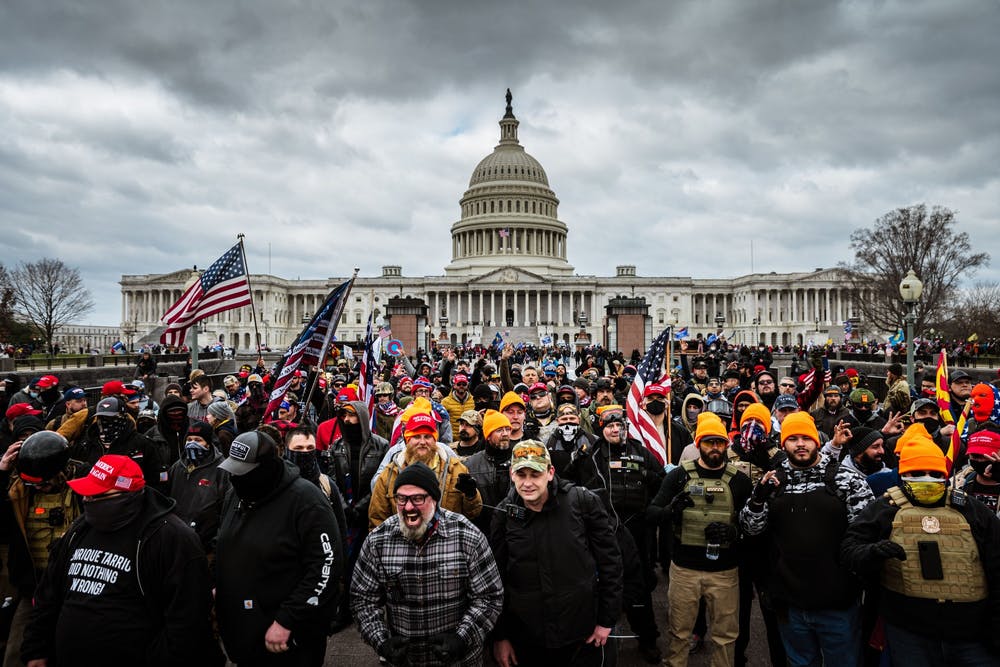
In extreme scenarios, the possibility of blocking or delegitimizing electoral processes ceases to be a distant hypothesis and becomes a tangible risk. Because, in the end, what doesn’t happen does not become a defeat.
And without elections, Trump will undoubtedly remain in his position. The countdown has begun. The goal? November.
Further Reading: