
Antonio Navalón
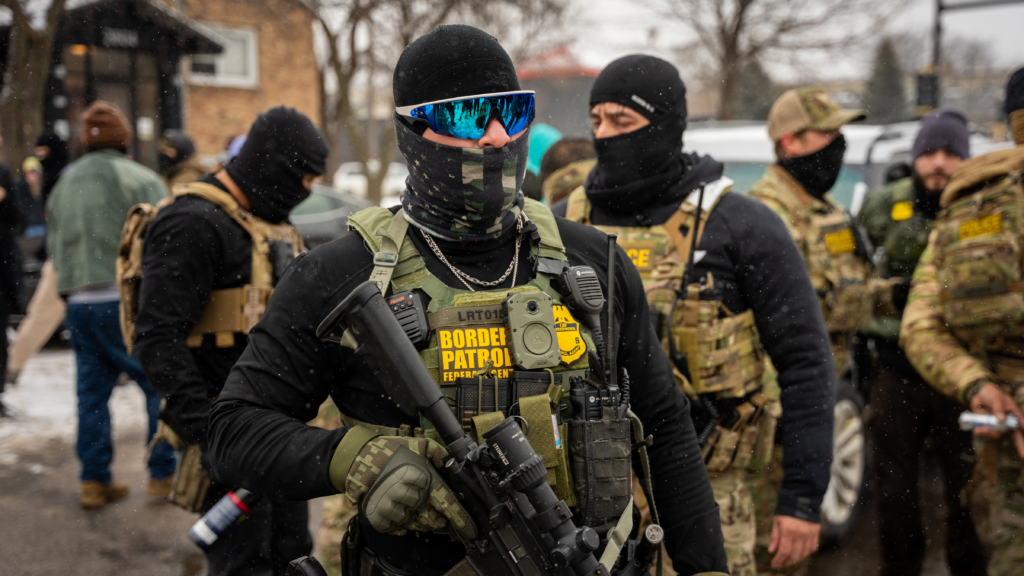
It had been a long time, perhaps too long, since the world had seen scenes like those now repeated day after day in the United States among the group of countries that claim to be civilized, lawful, and constitutional. Raids, crackdowns, and persecutions are carried out as if force were enough and the law were a hindrance. Operations that, rather than enforcing rules, seem designed to instill fear. And when fear becomes a method, the rule of law ceases to be a principle and becomes an obstacle.
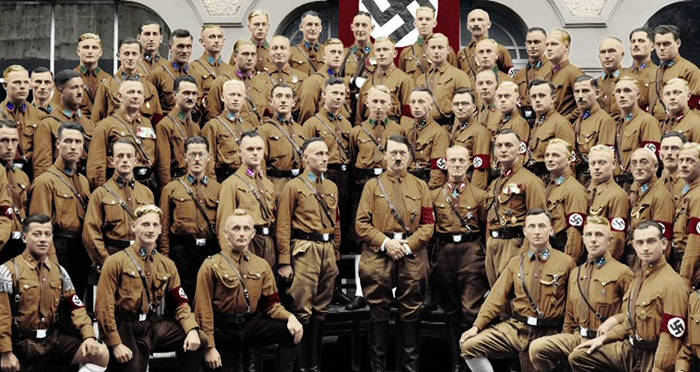
This is not a comparison made in a vacuum. History has already shown how democracies deteriorate when the hunt for “the other” becomes normalized. In 1930s Germany, the brown shirts were not just a symbol: they were the street instrument of a policy that later cloaked itself in legality. The Nuremberg Laws of 1935 institutionalized exclusion; Kristallnacht in 1938 exposed, without masks, the leap from discrimination to organized violence. Today is not 1938, but the logic is disturbing: homes are raided, lives are destroyed, suspicion is installed as identity, and public humiliation is normalized as a warning.
Being an immigrant, illegal or undocumented, in a country built by waves of immigration, has become the most visible sign of regime change, not because of the legitimate discussion about borders, but because of the underlying message: the law is no longer understood as a guarantee, but as a license for power. And when the law becomes a license, anyone is exposed.
I have always believed that, of all the latent civil wars raging across the planet today, the most dangerous was the one brewing within American society. Not a declared war, but a moral and institutional fracture. A tension that is not resolved at the ballot box, but in the streets. A slow erosion that suddenly finds a spark.

After Barack Obama’s election, some parts of the country did not react with democratic maturity but retreated into their oldest demons. That reaction, fueled by polarization, resentment, and identity-based fear, opened the door to justifying what had previously been unthinkable. What is happening now in Minnesota is an example of that drift: growing protests, open friction between state and federal authorities, and a social climate that reminds us that institutional violence never stays where it started.

The facts are serious and do not allow for euphemisms. In January 2026, a U.S. citizen, Renee Good, died after a shooting in Minneapolis during a federal operation linked to immigration control, and the case sparked national outrage. This was followed by a second deadly episode in the city that further fueled the crisis. It is not just about deaths: it is about the official narrative, the opacity, the gap between the videos circulating and the institutional versions, and the increasingly widespread sense of impunity.

The fracture becomes more dangerous when institutions block themselves. Minnesota has reported obstacles to accessing evidence and conducting joint investigations. And when the State — or part of it — prevents another part from investigating, the message is devastating: accountability is no longer an obligation, but an option. In a country with the highest concentration of privately owned weapons in the world, that cocktail is gasoline.

Minnesota, moreover, is not just any place. It is the territory where outrage over police abuse turned into a national outcry with Black Lives Matter. That is why the focus cannot be reduced to the case of an immigrant. Not even to the case of a particular victim. The problem is something else: the precedent.
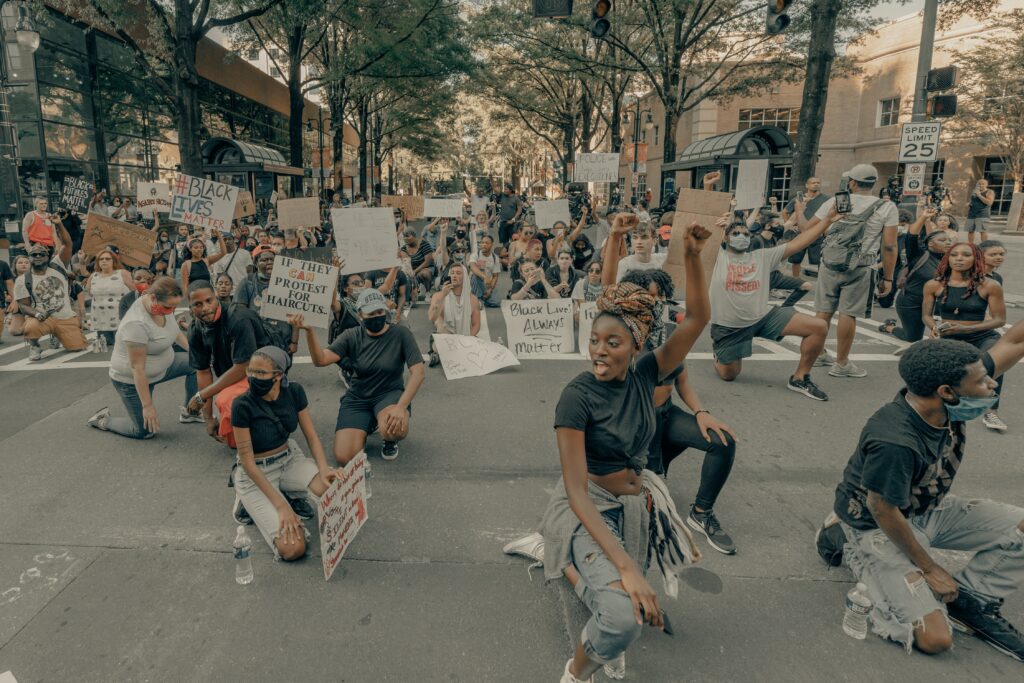
Because today, the alarm is no longer limited to the margins of society. Today, the problem is that the average American—the “purebred” citizen, the one who assumed the legal system protected him—is beginning to understand that he too can be vulnerable. Accidents can always happen. What cannot happen is a system in which no one can defend themselves, in which the presumption is reversed, and force replaces due process. That is not security. That is arbitrariness in uniform.

Under the political auspices of Donald Trump, the immigration offensive has taken the form of a crusade: without clear limits, without visible brakes, and with language that dehumanizes. But immigration does not live outside American society. It lives within it. It works within it. It coexists within it. That is why, when the exception is normalized, the exception ends up swallowing the norm.
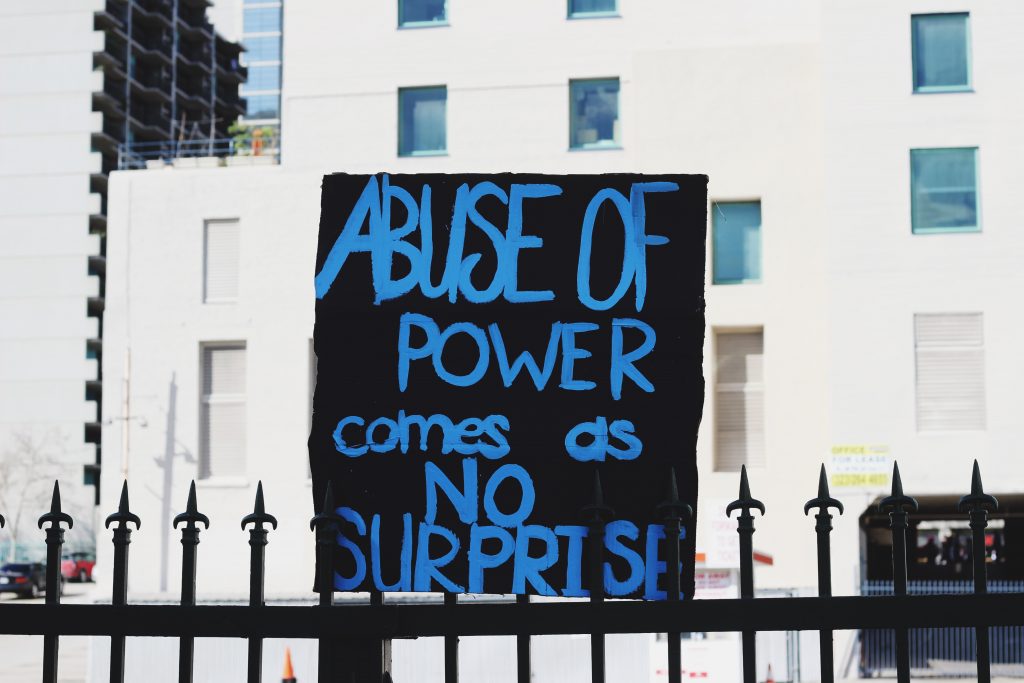
The question then is not rhetorical; it is one of democratic survival: where are the judges? Where are the prosecutors? Where are the checks and balances? Where is the instinct for self-preservation of a nation that has been defined for more than two centuries by the centrality of its Constitution?
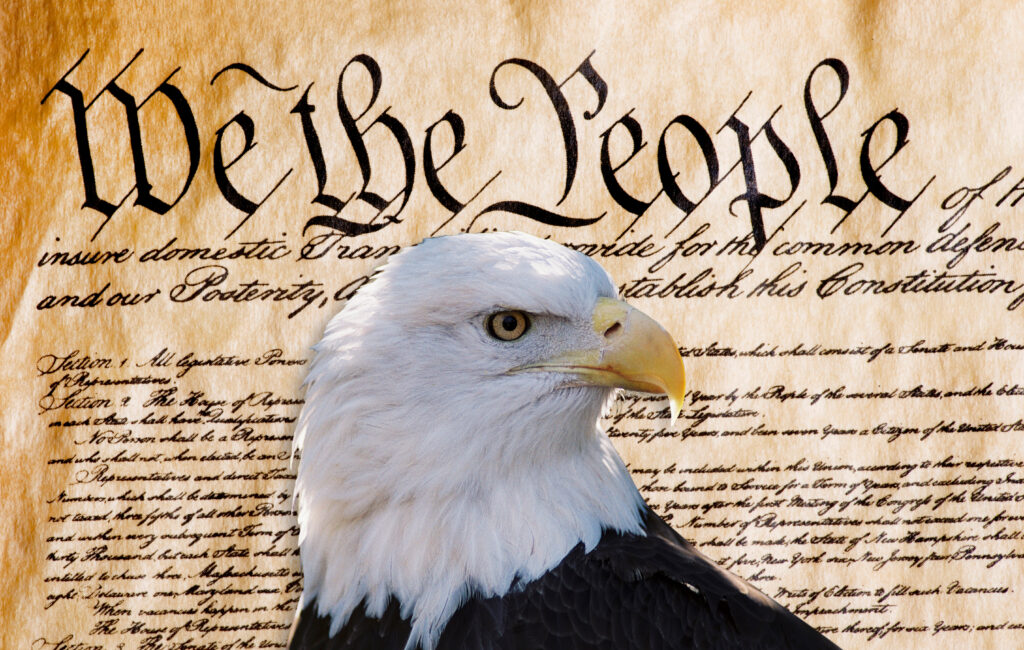
And even assuming—which is a lot to assume—that all this is part of a deliberate strategy, the last question remains, the most disturbing one, the one that no government can control once it has unleashed the tiger: who is measuring the cost of dismantling, step by step, more than 250 years of constitutional guarantees in the country that was born under the founding phrase “We the people of the United States”?
Further Reading: