Antonio Navalón
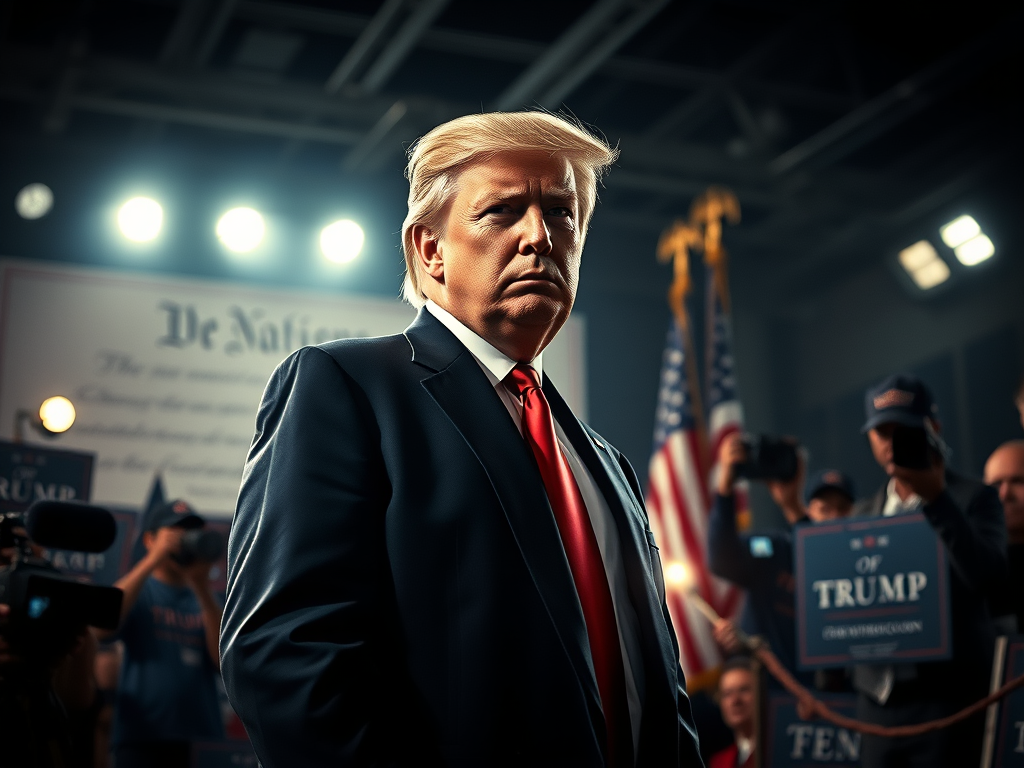
Tuesday, January 20, marks the first anniversary of Donald Trump’s second term, and it can be said, without exaggeration, that it has been a year in which we have lived dangerously. Nothing is the same as it was a year ago. Trumpism has gone way beyond the traditional boundaries of American politics, and it’s still unclear how the many crises, tensions, threats, offers, tariff battles, and shows of force that he’s caused in his first year in office will be resolved. Donald Trump, with his instinct for showmanship, halfway between crime reporting, tabloid journalism, and the culture of New York union confrontation—whether in the ports or on large construction sites—is a president who clashes with the classic image of the office. Trump, for better or worse, is more than just the head of the US executive branch.
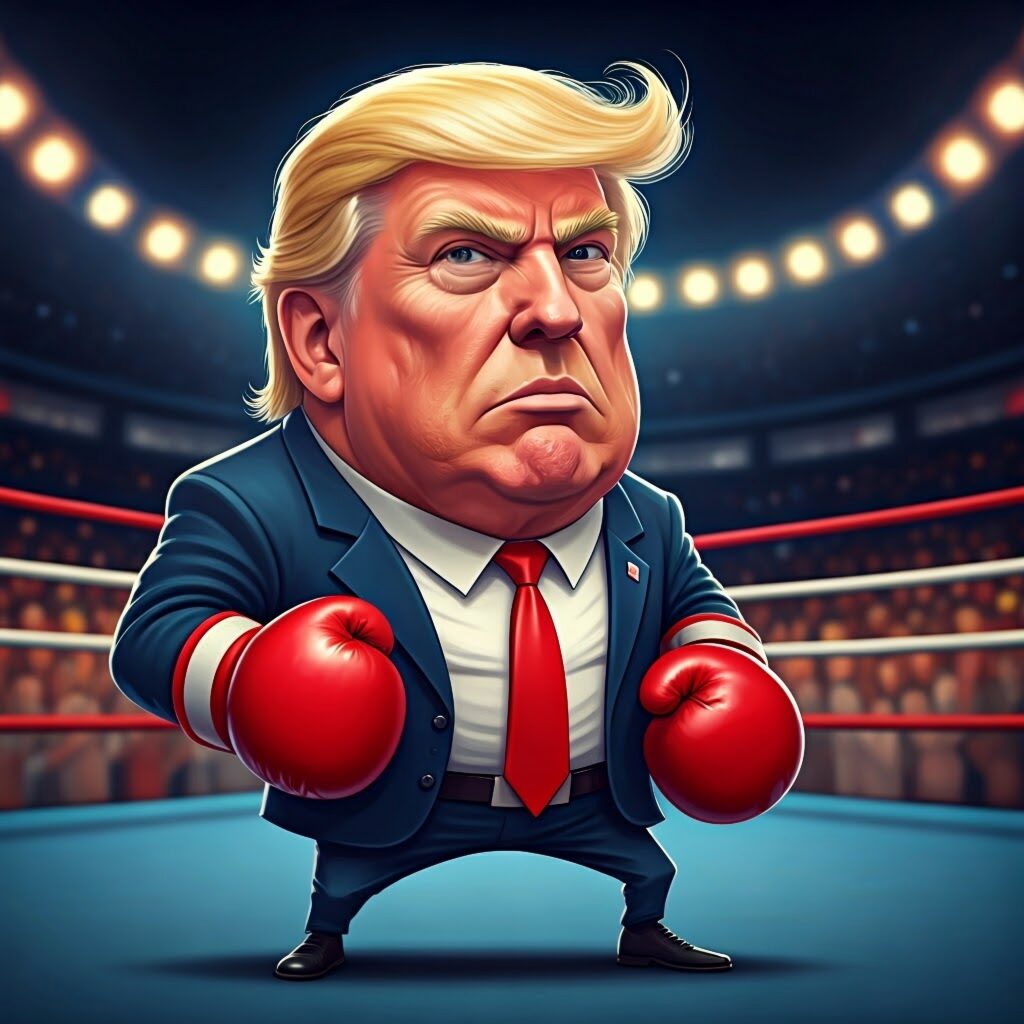
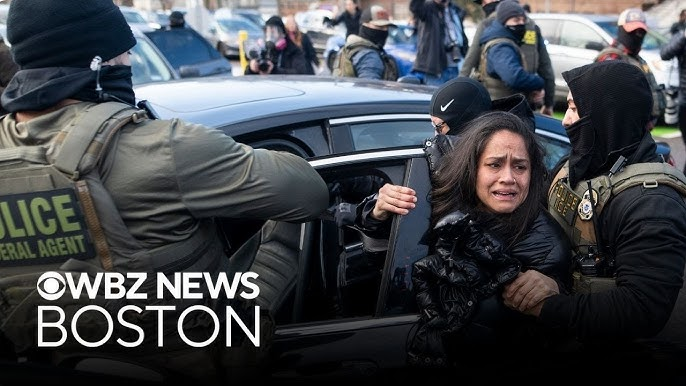
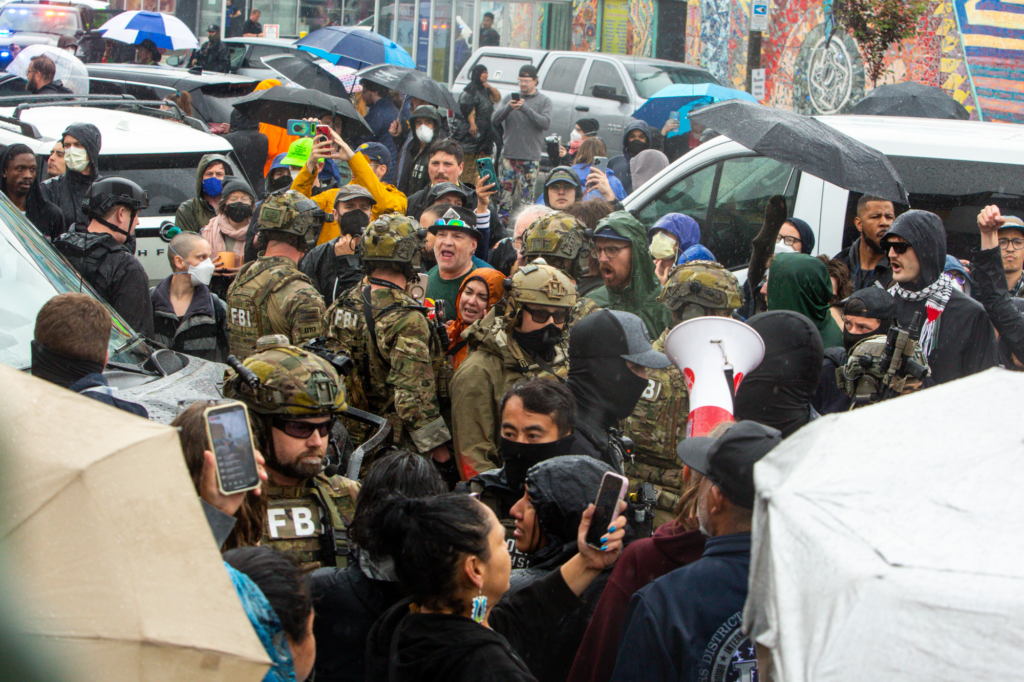
He has a unique intuition for understanding when power stops and when it does not. If a bullet was not able to stop him, neither will laws, courts, or even the social upheaval caused by ICE operations in neighborhoods in cities such as Minneapolis, New Jersey, or Los Angeles. At this point, and given the context surrounding him, any other leader would already be on the road to impeachment or, at the very least, a major institutional crisis.
Any other leader would already have had the political and moral obligation to submit to a framework that today seems eroded to the limit: the United States Constitution.
But if Trump has demonstrated anything this year, it is his ability to neutralize not only his enemies but also their will to victory. As Sun Tzu wrote in The Art of War, “Supreme excellence consists not in defeating the enemy in a hundred battles, but in subduing him without fighting.” And what has the most significant impact is to take away all hope of victory.
Since the traumatic transition following the assassination of Abraham Lincoln, Washington has not seen such a concentration of power dependent on a single loyalty: the direct relationship with the White House. Political parties have been blurred, the courts seem to be moving with extreme caution, and citizens are watching as the security forces they themselves finance are dragged into internal conflicts of enormous gravity.
There are 10 months to go until November, and Trump is aware that time is a decisive factor. As has happened to other leaders of sad memory, this period may define everything. It is not just a matter of winning an election, but of consolidating it de facto before it is held.
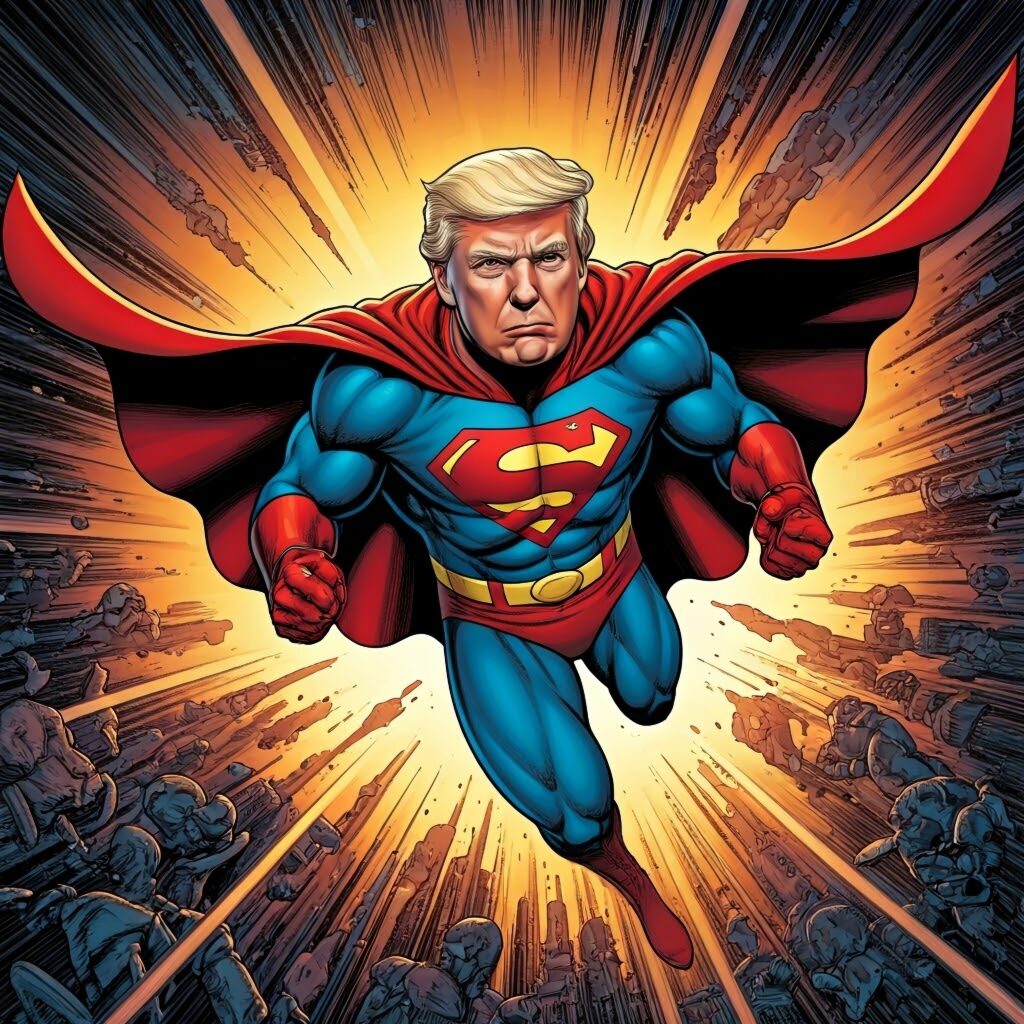
So far, through his actions, Trump has contributed to altering the international balance. We still do not know what the real costs of his governing style will be, nor when effective opposition or large-scale social reaction will emerge. But amid tariff pressure, war rhetoric, and the use of power as an instrument of intimidation, Trump has made it clear that he sees international politics as a game of strength. He has changed the name of the Department of Defense—not legally, but in practice—and has effectively reinstated a logic of war as the cornerstone of US foreign policy and power projection.
If Trump achieves a resounding victory in November, if he sweeps the election, he will be able to do anything with the explicit endorsement of his electorate and in the name of the American people. At that point, it will matter little how many times he has jeopardized global stability or the peace of other people. Popular support would become his absolution.
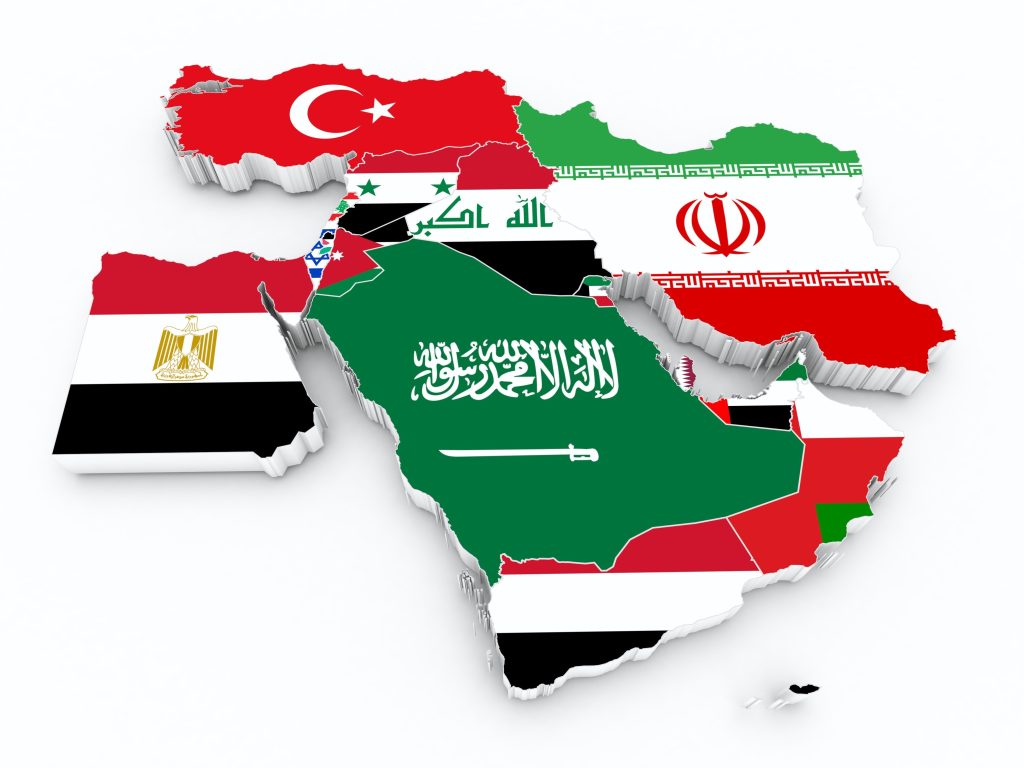
In this scenario, the only actors who have shown themselves to be moderate, at least in appearance, are the Chinese, the other great pole of world power. Vladimir Putin has already opted for the classic route of territorial vindication through war, with the invasion of Ukraine as an example. Iran, for its part, faces a growing strategic encirclement that could lead to the weakening or fall of its regime, reconfiguring the balance of the Arab world. Such an eventual outcome would reinforce Saudi hegemony and consolidate Mohammed bin Salman’s leadership in the region, defusing one of the primary sources of instability and the business of terror.
Europe has ceased to be a priority for Donald Trump. It does not seem to be part of his attention or strategic interest. Instead, he awaits its demographic, political, and economic decline, as if the continent were doomed to disappear from the global relevance it once had, even in the very founding of the United States.
As a child in Franco’s Spain, I was struck by a recurring phrase of the dictator: “I am only accountable to God and history.” Trump is not a military dictator, but a democratically elected president. However, a few weeks ago, he pointed out that the only limit is within himself with a phrase that will surely go down in history: “My morality is the limit, not international law.” The disturbing thing is that this morality remains one of the best-kept secrets of our time.

In Donald Trump’s world, it is difficult to know with certainty—beyond his vision of pure, primitive, and uncompromising capitalism—what exactly he understands about power and how he believes it should be exercised. However, one fact is indisputable. Beyond his almost nineteenth-century conception of capitalism, when one looks at what he is doing with Greenland, one even wonders if he really wants the territory. The way he is approaching the issue does not point to strategic negotiation, but rather to the deliberate creation of a large-scale conflict. A conflict that, taken to its ultimate consequences, would be devastating. A few days ago, France, Germany, Norway, and Sweden announced the deployment of troops to protect Greenland. The question is: protect them from whom, from the United States?
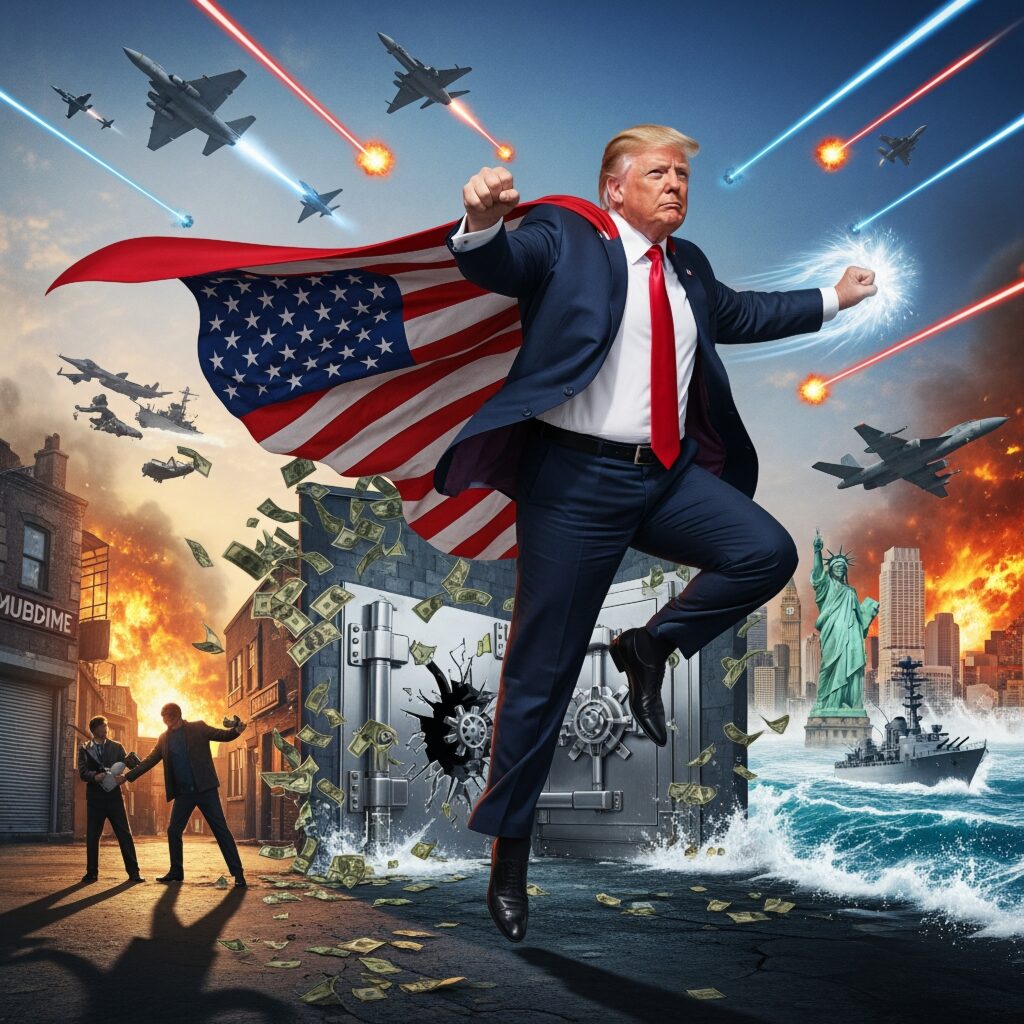
It is paradoxical because for decades—beyond violence, which should always be a last resort—politics and diplomacy have shown that there are ways to reach agreements without turning every dispute into an unpleasant and dangerous standoff. That Greenland may one day end up under greater US influence may seem, to some, natural or even logical from a geostrategic perspective. However, the problem is not the goal, but the path. By taking this route rather than seeking an agreement, Trump is conveying that he is not seeking a solution but a pretext. Not to negotiate, but to escalate. Not to resolve, but to provoke, and that is precisely his understanding of power.
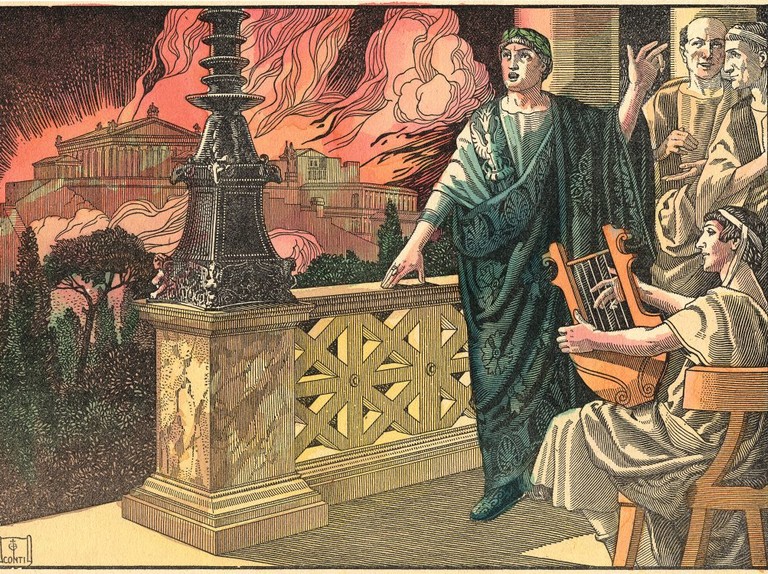
This has been a year in which we have lived dangerously. And the year that is beginning may be the year in which, as things stand, Trump ends up consolidating his power once and for all. Everything depends on November. If he wins, Rome may burn.
Further Reading: