Antonio Navalón
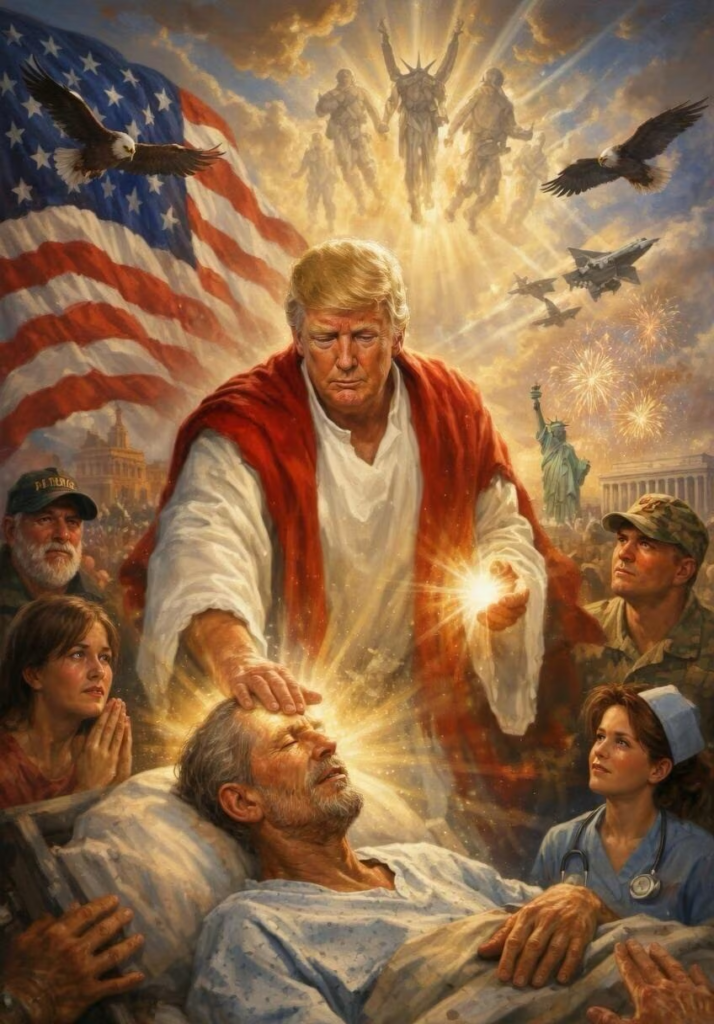
In recent days, we have witnessed everything from the way the presidency is being judged, questioned, imitated, and disparaged in comparison to the man who handed over the office—Joe Biden—to how, in a matter of hours, we have become entrenched in a narrative that runs the gamut of extremes, from geopolitical insinuations, such as a hypothetical blockade of the Strait of Hormuz—one of the critical chokepoints of global energy trade—to criticisms of Pope Leo XIV’s papacy. All of this is compounded by an AI-generated depiction of Donald Trump portraying himself as a messianic savior who claims to heal, redeem, and save the world.
It all unfolds under a single communication strategy, a single logic of political and media hyper-acceleration that seeks not coherence, but impact. It is a form of politics and governance that has become a full-fledged spectacle, designed to surprise, unsettle, and keep its audience on the edge of their seats. It is as if, day after day, Donald Trump were offering us a sort of episode—in the pure style of his reality show, The Apprentice—and leaving us intrigued enough to tune in again the next day. And yet, that very effect raises legitimate concerns about how far this form of exercising power can escalate.
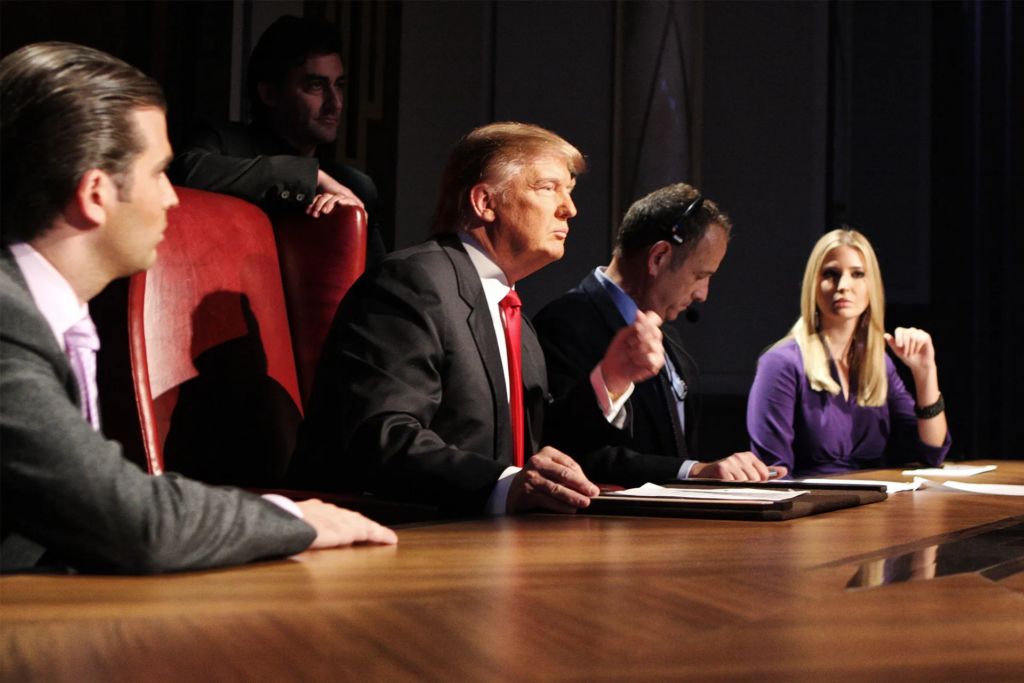
The underlying problem is that this approach seems to respond more to a narrative logic than to the logic of Statehood. As in his time on The Apprentice, the expectation appears to be that each episode replaces the previous one, that the next cycle of attention erases the costs of the current one, and that, in the process, popularity is rebuilt. But the international system does not function like a reality show. Costs do not disappear; they accumulate.
If anything defines Donald Trump, it is his unpredictability. There is no stable pattern, no clear strategic continuity, and, in terms of global governance, this introduces a level of uncertainty that is difficult to manage even for the most experienced actors.

What is evident is that the structural interests of the international system—the major financial centers, influential States, and economic elites—are not compatible with a logic of permanent disruption. There is a real tension between the order they seek to preserve and the volatility that is being generated.
This concern is not exclusive to any particular political or ideological group. It affects both U.S. citizens and those of us who, through economic, political, or cultural integration, are part of the United States’ sphere of influence. The concern is not rhetorical; it is systemic.

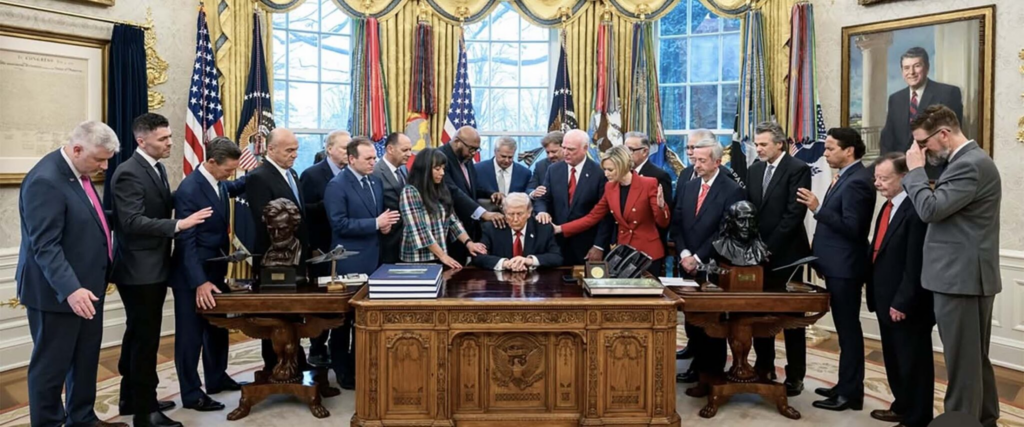
Meanwhile, in the Oval Office, surrounded by religious figures and evangelical leaders, an image of protection and almost spiritual legitimacy is projected. In parallel, a personalist—even providential—narrative emerges, suggesting—albeit symbolically—the idea of leadership with extraordinary, almost redeeming capabilities. This element, beyond the anecdotal, reinforces the logic of personalist power.
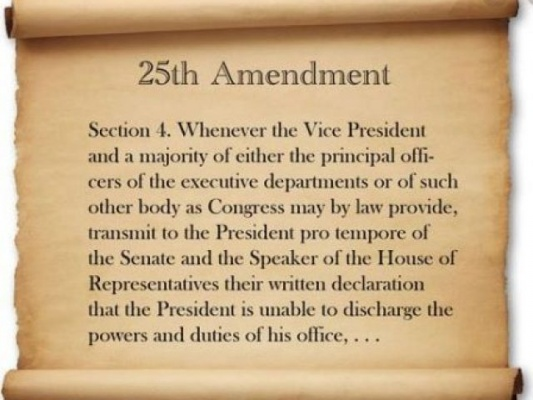
In this context, some sectors are beginning to propose extreme scenarios within the U.S. institutional framework itself, such as the eventual invocation of the Twenty-Fifth Amendment to the U.S. Constitution, which addresses the president’s inability to perform the duties of office. I do not believe we will reach this point, nor do I see it as a possibility in the short term; however, the mere suggestion reflects the level of political tension currently existing in the country under the Stars and Stripes.
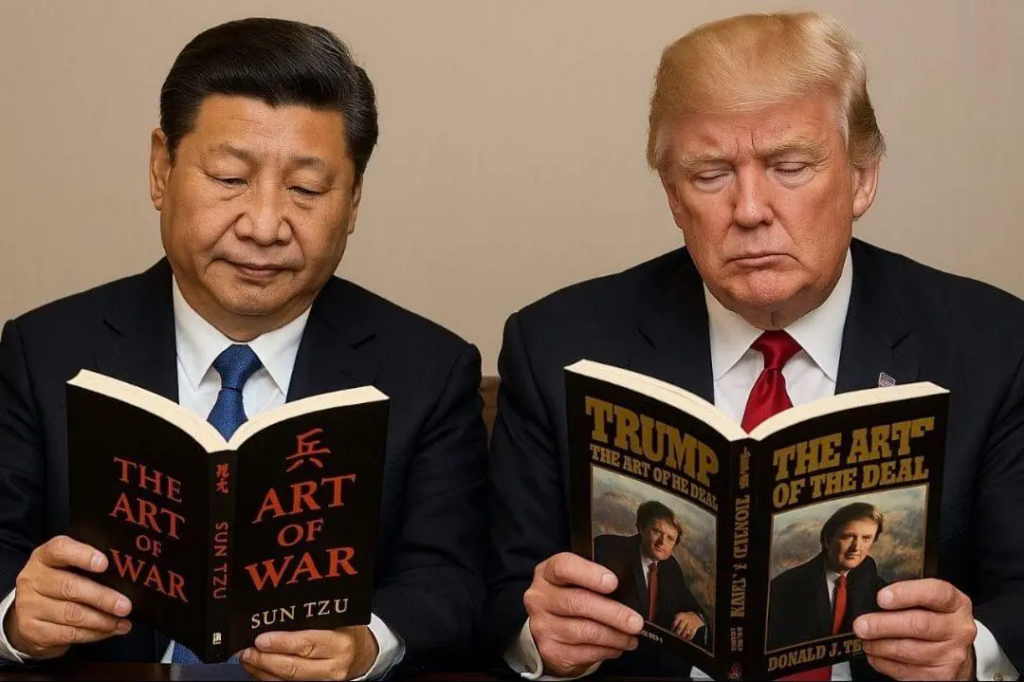
Now, while this dynamic generates uncertainty, some actors are capitalizing on the moment with strategic clarity. And the fact is, if there is one beneficiary of everything that is happening, it is China. China does not need to overreact. Its model—characterized by political control, patience, internal stability, long-term planning, and disciplined management of power—allows it to position itself as a stabilizing force amid the chaos. It is no coincidence that, in times of volatility, the Chinese project an image of predictability to international markets.
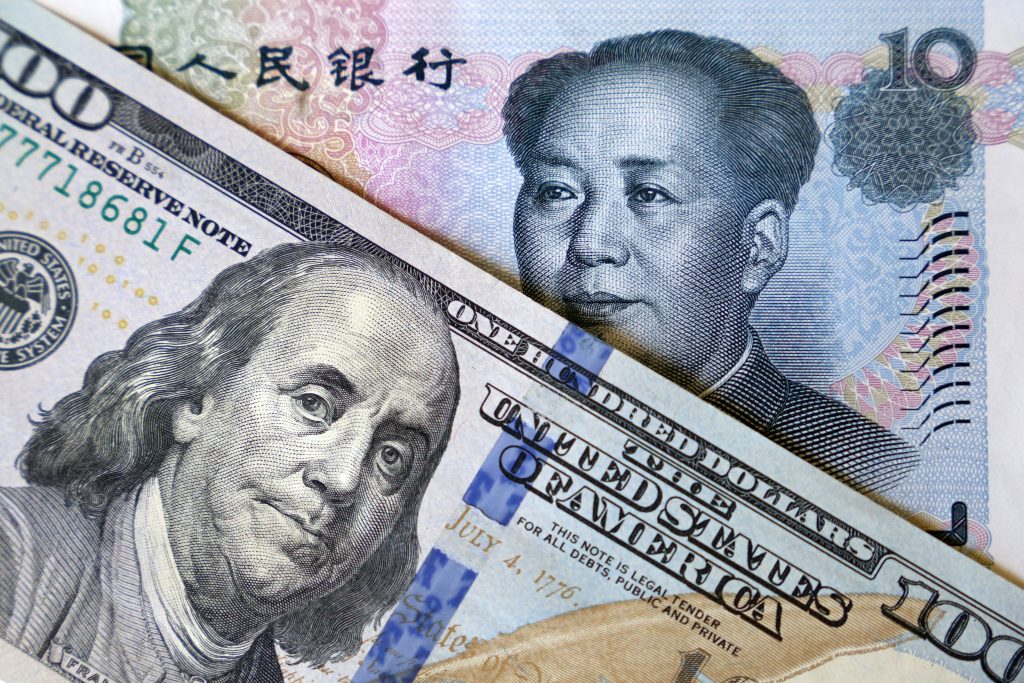
In the economic sphere, moreover, the relationship with the dollar remains structural. China is one of the largest holders of U.S. debt and, therefore, a key player in global financial stability. It has no incentive to break with this framework abruptly or to replace it immediately, although it is gradually diversifying its mechanisms of monetary influence.
Militarily speaking, it is true that China is far from matching the U.S.’s global projection capabilities. However, in all other dimensions—economic, technological, industrial, or geopolitical—it has built a position that allows it to act as a true bulwark against scenarios of instability.
History shows that this is not the first time the world has experienced periods of erratic or harmful leadership, or has fallen victim to decisions that disrupt the global balance. In other eras, similar dynamics led to large-scale conflicts. The difference is that today interdependence is much greater, and the effects spread more rapidly.
Meanwhile, Vladimir Putin is aging. The Kremlin strategist—after more than four years of conflict—faces the toll of the unexpectedly prolonged war in Ukraine. He has been unable to end a conflict he believed would be easy, quick, and low-cost, which undermines both his military capability and his international legitimacy.
Israel is in a very complicated situation. More than a conventional defeat, it faces a progressive deterioration of its strategic position in the Middle East. As time goes on, internal and external pressure mount to identify responsibilities and redefine its strategy.
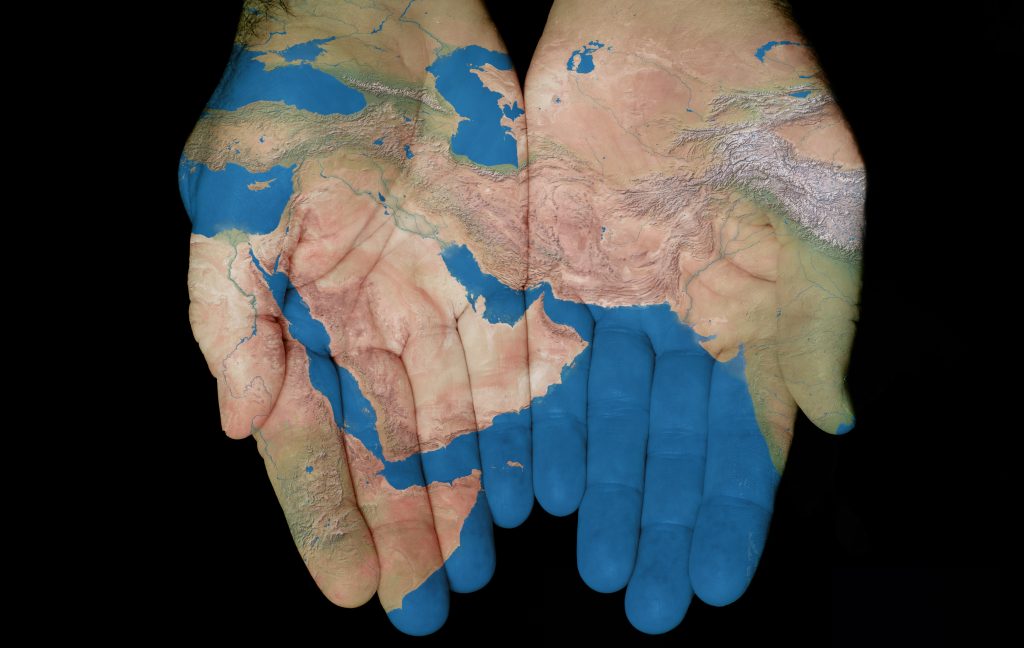
Historically, the relationship between Israel and the United States has been marked by one constant element: the perception of Iran as the central threat in the region. Since the late 20th century, various Israeli governments have attempted to align Washington in a confrontation with Iran. However, most U.S. administrations avoided that scenario due to its global implications. Today, that threshold seems blurred. It is unclear what can be gained in strategic terms, though it is evident that a more direct confrontation with Iran would have profound and far-reaching consequences.
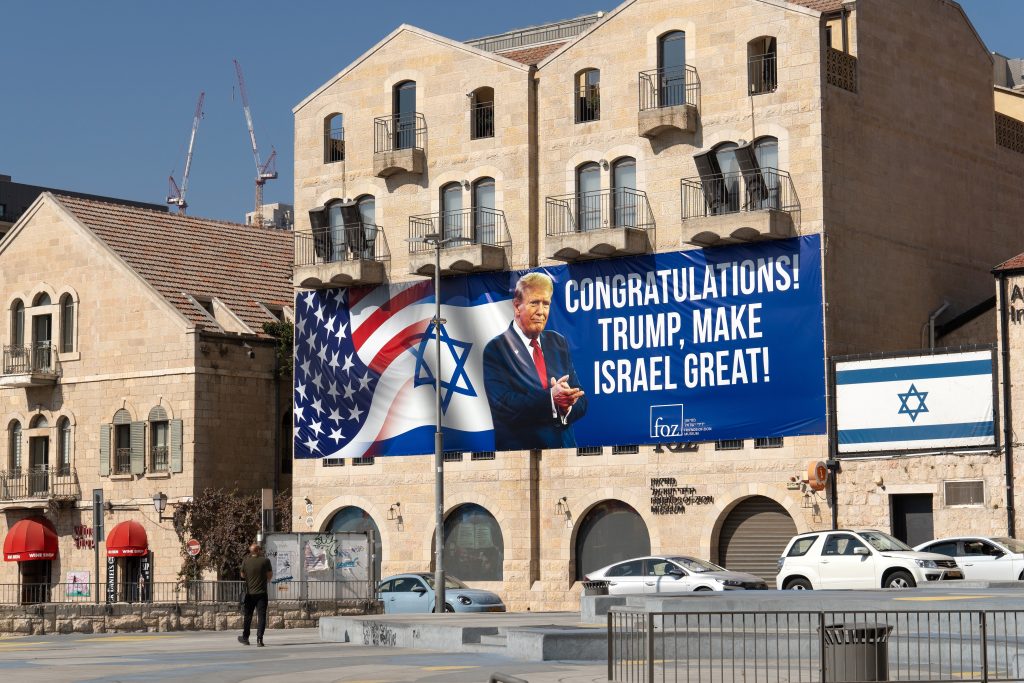
We do not know who or what will win. We do know that Israel would gain the peace that comes from eliminating the only competent, militarily capable, and intelligent enemy it has in the region. But the truth is that from here on out, a real ordeal begins, one in which Trump will bear the main cross, and the Simon of Cyrene helping him carry it is named Benjamin Netanyahu. And, amid the noise, disruption, and uncertainty, if one thing is beginning to emerge clearly, it is that one actor is moving forward with patience, discipline, and a long-term vision.

That actor is China.
Further Reading: