Antonio Navalón
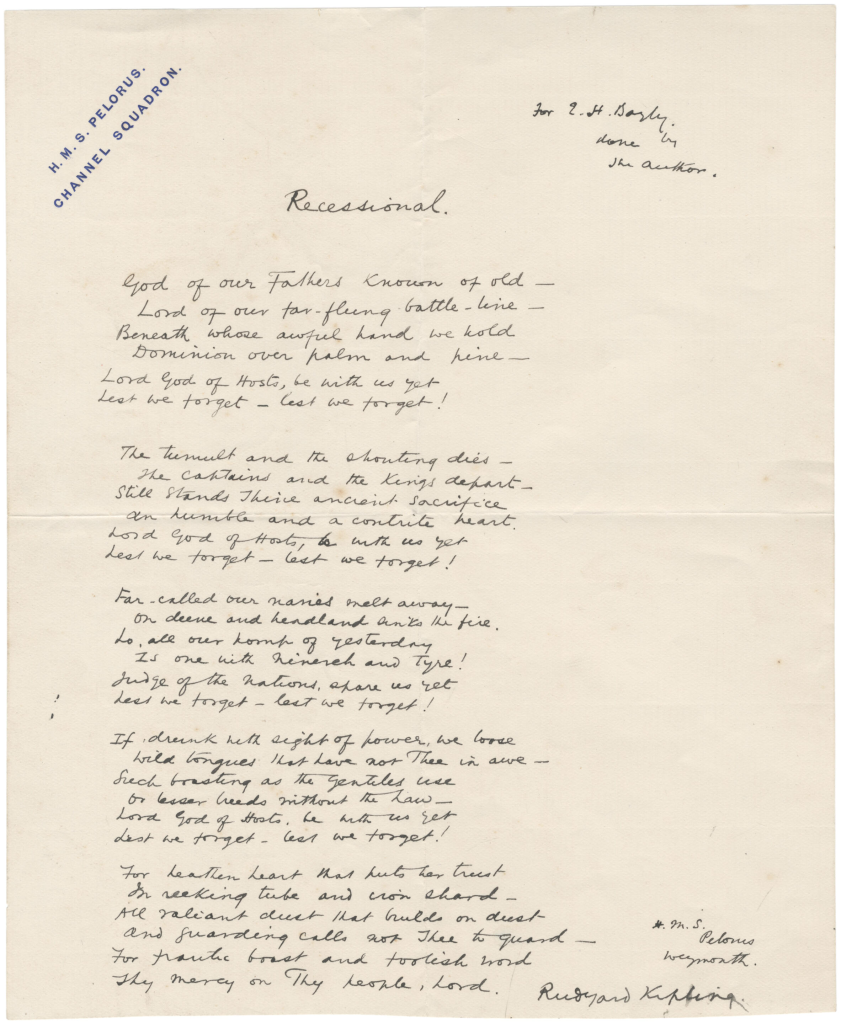
Rudyard Kipling’s poem “Recessional,” written after the death of Queen Victoria of England, contains many verses that are relevant today. But there is one that resonates with particular force:
The tumult and the shouting dies;
The Captains and the Kings depart:
Still stands Thine ancient sacrifice,
A humble and contrite heart.
Lord God of hosts, be with us yet,
Lest we forget! Lest we forget!
What is happening in North America today is no different from what is happening elsewhere in the world. Being part of the human condition implies, first, an enormous capacity for denial in the face of reality, and second, an unconscious rebellion against major changes. When something frightens us, we close our eyes. Human beings are unwilling to accept two simple truths: that the contract of life has only two clauses—we are born and we die—and that happiness is not a collective state, but a profoundly individual one.

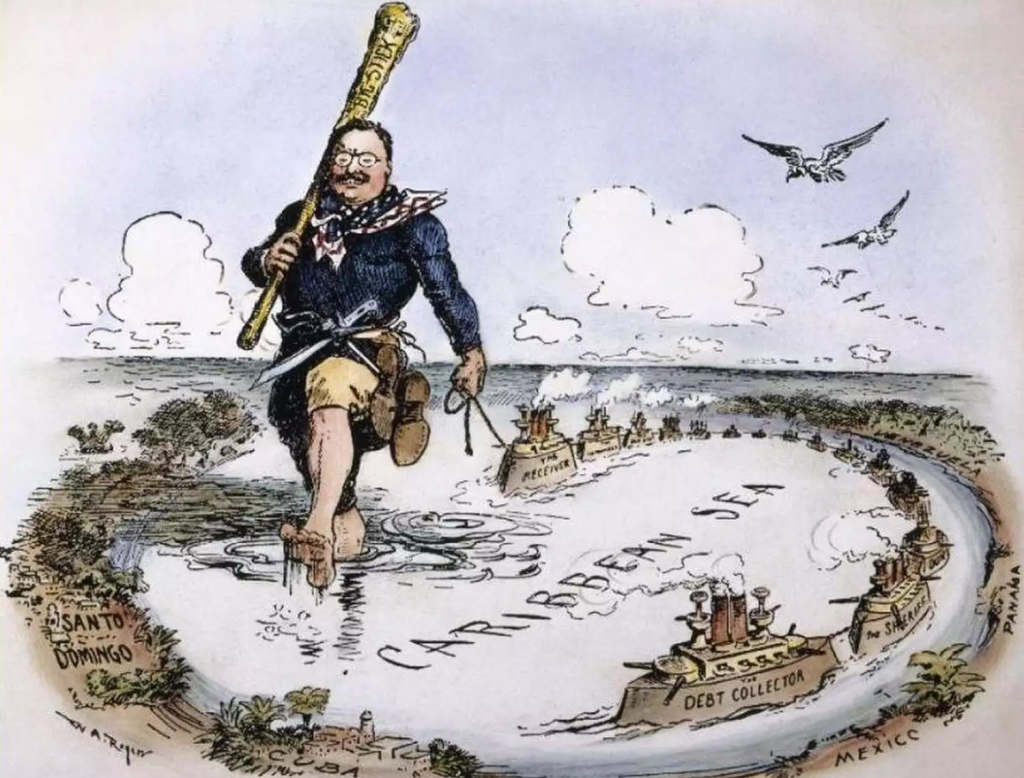
Today, everything is changing. The president of the United States seems determined to revive the harshest era of his country’s crudest capitalism. He shows no sign of solidarity, not even toward neighboring nations that could be affected by his decisions. The conceptual shift from the Department of Defense to the spirit of the old and newly renamed Department of War evokes the days of William McKinley and the leaders who shaped the idea of an American empire. Everything that Theodore Roosevelt and his secretary of state, John Hay—who served as secretary of state under both McKinley and Roosevelt—imagined to justify the expansion of the United States seems to have been forgotten today.
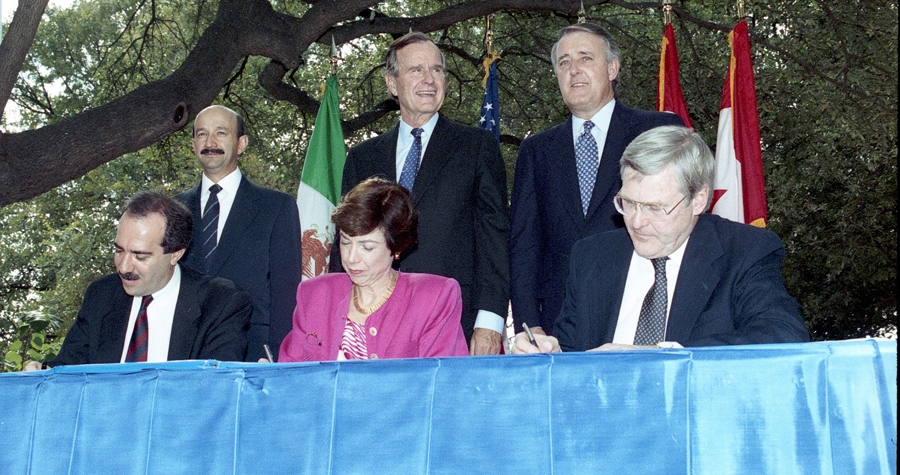
Looking at the current landscape, figures such as John Pierpont Morgan, John Davison Rockefeller, and Andrew Carnegie rise from the graves of history. It is as if the spirits of the industrial-era magnates have returned to occupy the halls where the great water reservoir that is now the New York Public Library once stood: a symbol of how the United States reinvented itself through knowledge, science, and economic power. But that country, as we knew it, no longer exists. The circumstances that gave rise to the North American Free Trade Agreement (NAFTA), the predecessor of the USMCA, were different. That agreement was born before the great tech bubble, before the digital revolution. It was the result of reflection that it was better to build economic unity among Mexico, the United States, and Canada than to perpetuate and foster inequality and resentment.
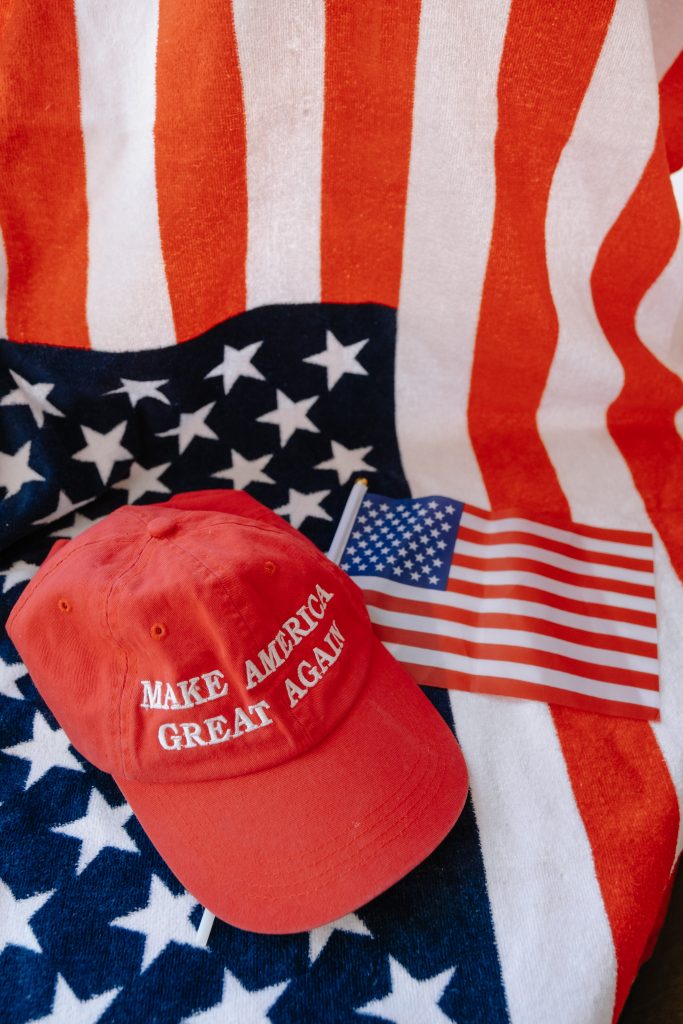
Donald Trump’s world, on the other hand, is one of conceptual violence. His politics are based on a dangerous and straightforward premise: I am only interested in my people, but above all, those who I believe are on my side. And although previous administrations were not disinterested benefactors either, at least they understood that global stability required balance and cooperation.
Today, with an aggressive industrial shift and an increasingly closed foreign policy, the scenario is different. Let’s not kid ourselves: the world’s leading empire is no longer the United States; it is China. Europe is undergoing a crisis of structural weakness, and Western democracies are being forced to retreat. In this context, US policy resembles that of the old savage businessmen and unrestrained presidents more than that of a country seeking geostrategic balance.
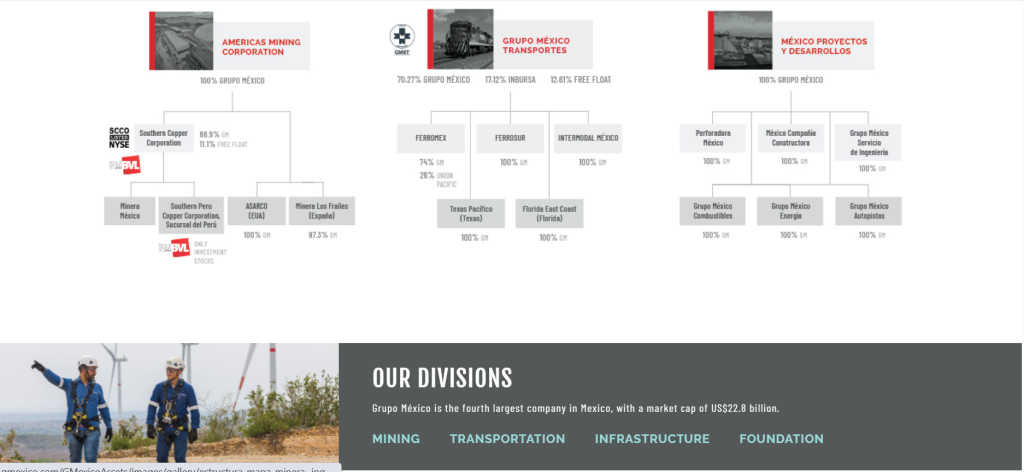
Nothing that is happening today should surprise us. Germán Larrea’s proposal to Citi to buy 100% of Banamex is not a simple financial transaction; it is also a settling of scores. Ultimately, old rivals for Mexican economic power are meeting again to settle outstanding debts under the guise of a transaction. Furthermore, Larrea is a man with significant influence in the United States. His domination over mines and strategic materials has made Grupo México an actor closer to American logic than to Mexican logic. Behind the purchase are financial interests, but also a political line: nostalgia for the hard times, for the capital that concentrated power and dictated the course of nations. Therefore, this operation—whatever its outcome—must be analyzed from a broad perspective: what motivates it, who supports it, and what implications it has in an environment where geopolitics and business are more intertwined than ever.
In the end, what is at stake is not just a banking institution, but the struggle between two models: the old financial order that consolidated groups such as Chico Pardo’s, and a new era where revenge, both political and economic, seems to set the tone. Just as Trump does not miss the chance to settle old scores, businesspeople and financiers see this moment as the perfect opportunity to settle accounts with the past.

And, as Kipling said, when captains and kings die in solitude, all that remains is the memory of what they were… and the lesson that power, without memory, always ends up repeating itself, which we cannot forget.
Further Reading: