

Antonio Navalón
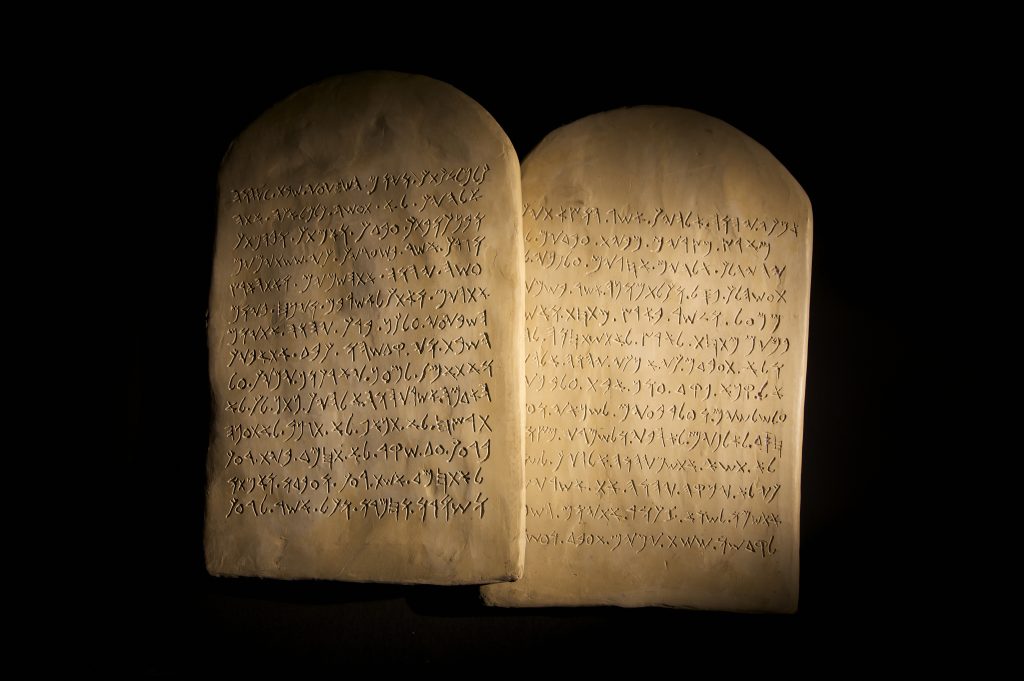
In the book of books, the Bible, the beginning recounts not only the creation, but also the exodus of the people of Israel. Moses, the protagonist of this part of the story, the man who received the Ten Commandments from God and became the instrument of liberation for his people for centuries to come, played a role that cannot be ignored.
As always, Israel.
It does not matter that the Old Testament, known as the Torah by the Jewish people, has been reinterpreted a thousand times; what matters is that the relationship between God and men, at least in relation to this segment of humanity, has always passed—in one way or another—through Israel.
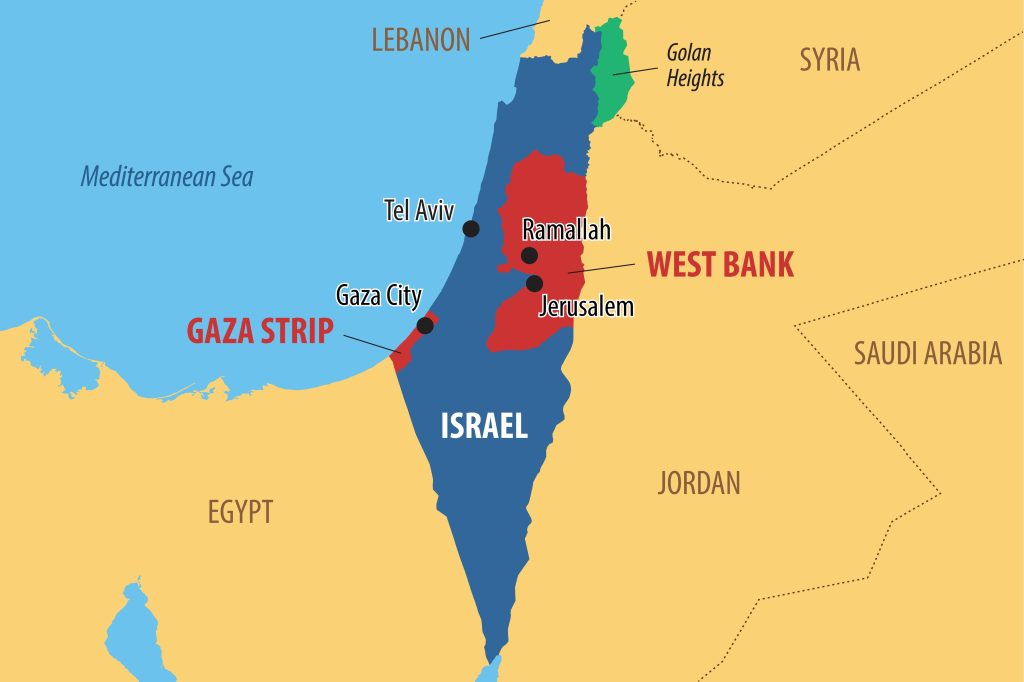
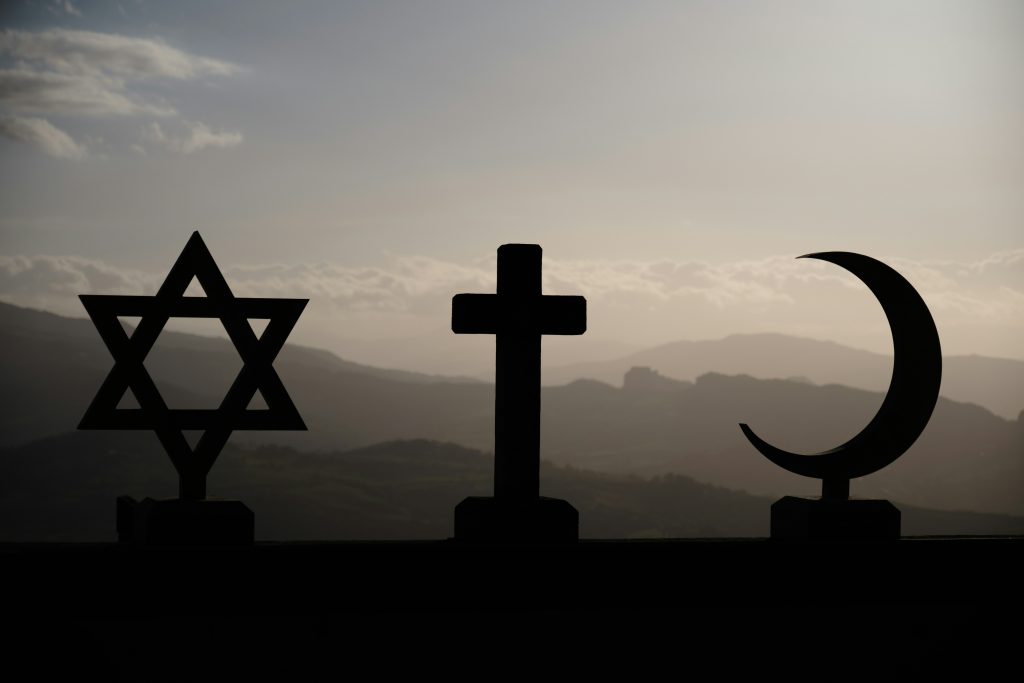
It is no coincidence that Moses managed to unite his people, nor that Jesus Christ—God’s gift to humanity, the flesh of his flesh and the atonement for our sins—was born in Nazareth and crucified in Jerusalem. It is difficult to understand the world without recognizing that much of its spiritual, moral, and political structure has its origins in that small country called Israel.
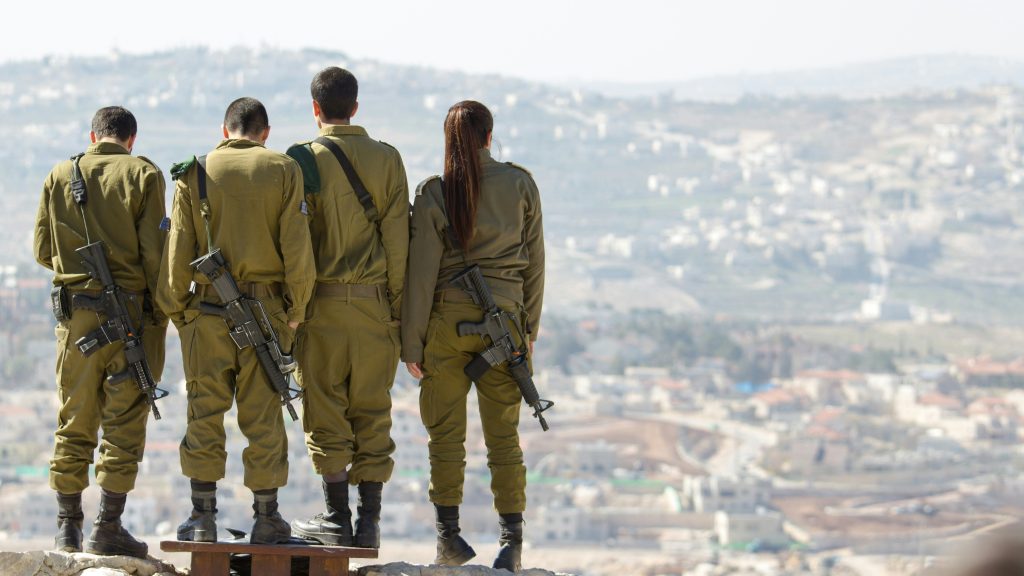
October 7, 2023, was when this new and strange diaspora began, transforming the people of Israel from victims to victimizers. The big question that remains is not whether centuries of persecution can justify becoming the executioner—because the answer is no—but how one reaches that point. Of course, a people has the right to defend itself; anyone would do so in the face of an offensive as brutal as the one Israel suffered that day at the hands of Hamas while sleeping confidently thanks to its infallible intelligence system.
In a territory where everything is just a few hours away, there were nine and a half hours of absolute terror: terrorists killing Jews, raping women, murdering babies, and shattering the dream of a people who, paradoxically, always lived on alert.
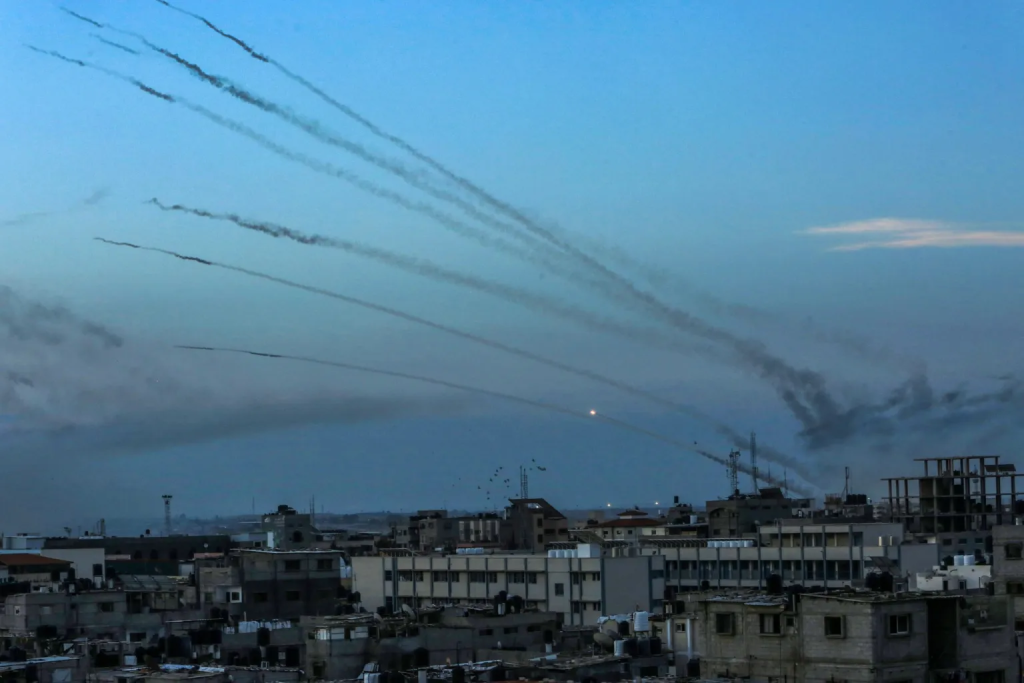
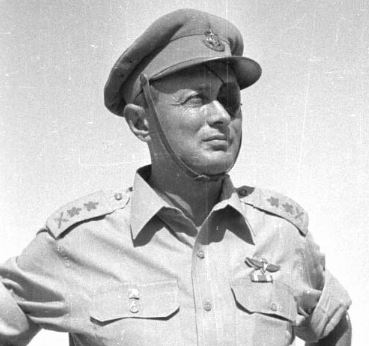
Of all that remains to be clarified, perhaps the most important thing is to know whether, as in the Yom Kippur War and Moshe Dayan’s mistake, the error was once again due to arrogance or political incompetence.
Was it an intelligence error or a political decision that underestimated the damage Hamas could cause? Throughout all these years, Qatar has financed the construction of the Gaza tunnels, which are more than 700 kilometers underground —a network larger than that of New York City itself, which has about 400 kilometers. In this labyrinth, there are terror academies, weapons depots, and routes that allow entry and exit from Gaza without, incredible as it may seem, being detected by Israeli security forces.
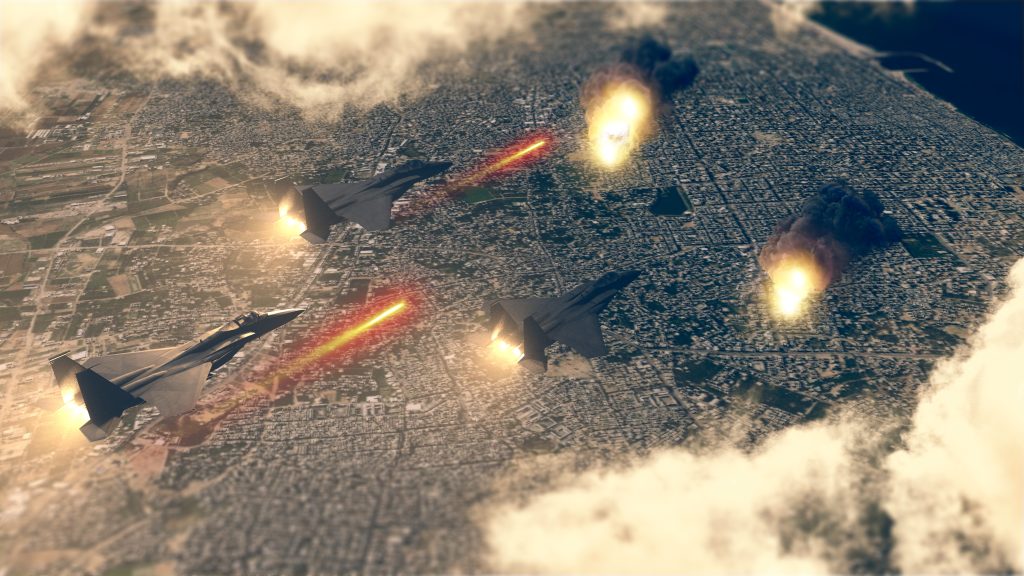
Someday, somewhere, Benjamin Netanyahu will have to answer what really happened on October 7. Because everything that has happened since then—the hostages, the brutality, the ferocity of the military response, Hamas’ initial success—has been a point of no return that neither the bloodshed nor the bombs dropped can erase.
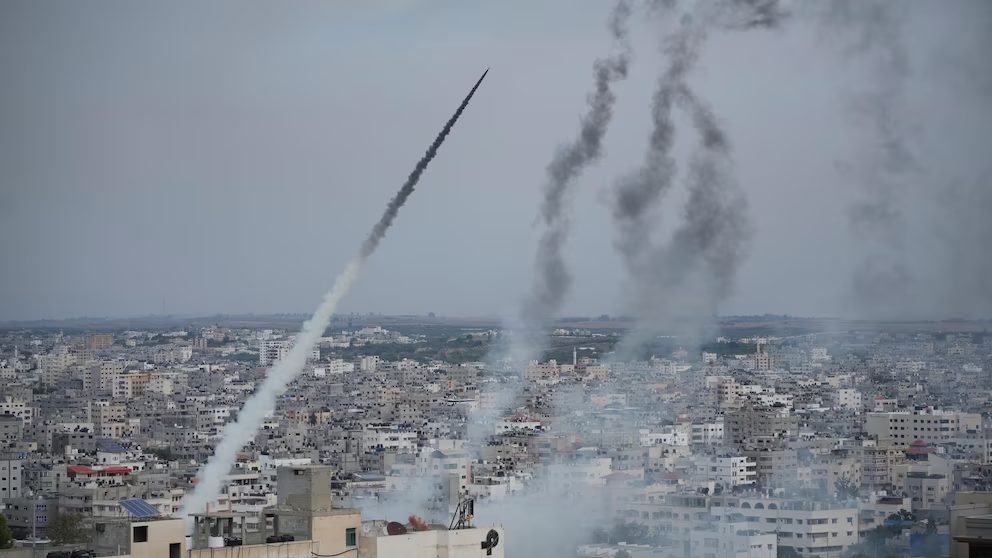
That wound touches the root of Israel’s dream: to survive and transcend. Today, two years after the terrorist tragedy of that dark Israeli night, perhaps some hostages have already been able to return home and reunite with their remaining family members. Possibly, Hamas has supposedly laid down its arms. Perhaps Israel will manage to control the tunnels and seal the borders. But none of that is enough. No military victory or theory has been sufficient to answer the big question: what happened that morning on October 7? Who failed? Who is truly responsible for that massacre?

The most disturbing thing is that this episode has revived a shadow we thought we had overcome: anti-Semitism. The demonstrations multiplying around the world show that, after the carnage in Gaza—by both Israel and Hamas—many are finding a new excuse to justify hatred toward Jews. And so, for some, killing a Jew is once again a way to champion a cause or to disguise as politics what is nothing more than a repetition of the oldest hatred in the world.

Further Reading: