
Antonio Navalón
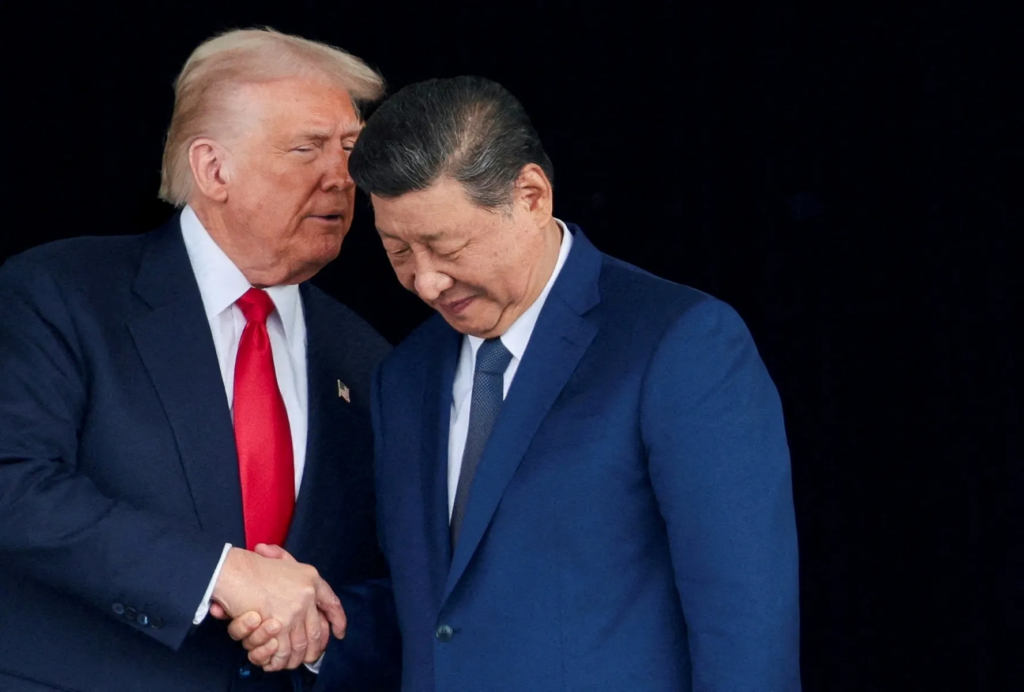
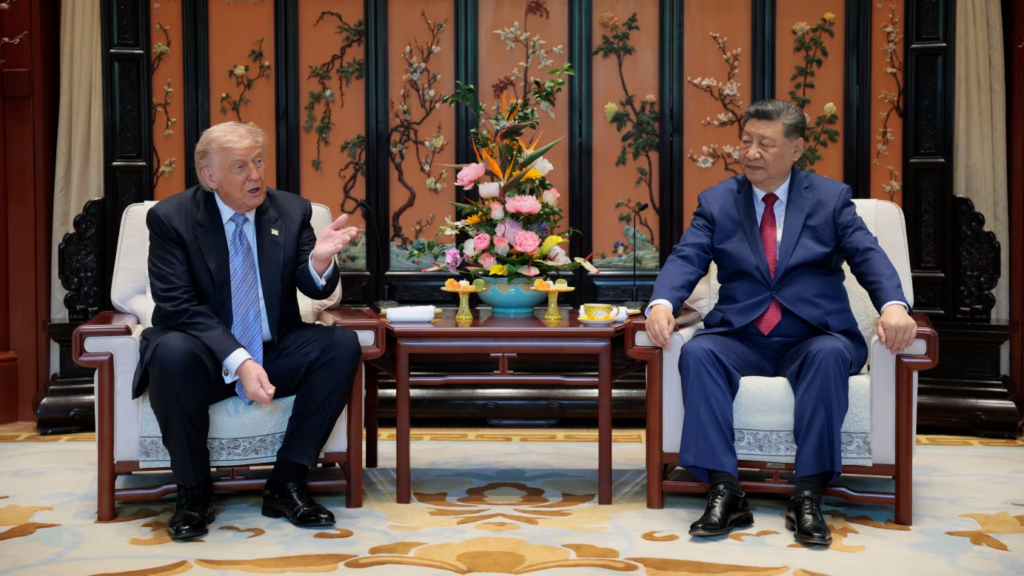
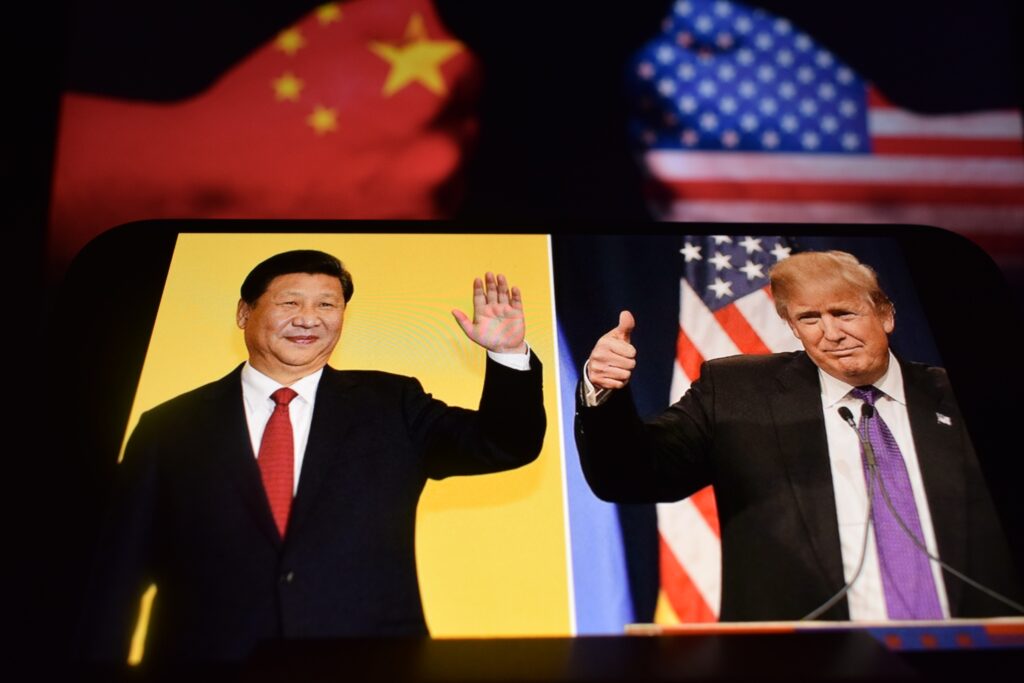
That scene was not diplomacy: it was power in its purest form. On one side, the President of the United States, accompanied by his inner circle, his power base, and the top brass of his political and economic backers. On the other side, the host, the man receiving the visit at home, standing at the foot of the stairs, with that stoic composure so characteristic of the East, waiting to shake hands. A prolonged handshake, accompanied by a few gestures of apparent affection from the American, enough to signal, inaugurate, and declare—in front of the market’s masters—that a new era had begun. What was it? The one that marked the beginning of world domination.
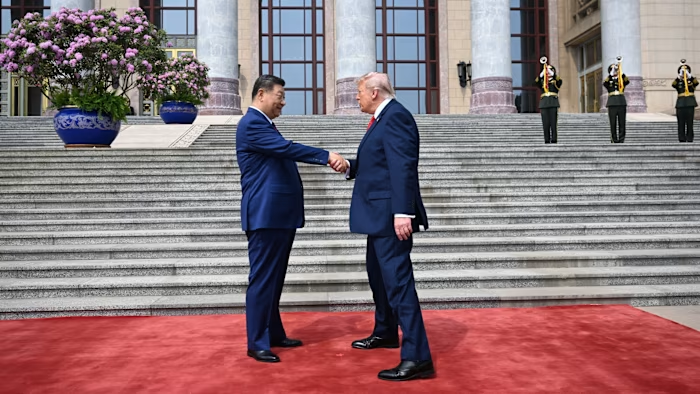
Not everything that matters is celebrated under the spotlight; often, it happens far from the lights. But with a figure like Trump, it’s worth remembering something essential: his vision is that of a showman. He likes the stage, visible gestures, and the theatricality of power. No major declarations were signed at the China-U.S. summit. It wasn’t necessary. There was no need. Sometimes, in international politics, what’s truly relevant isn’t in the final communiqué but in what’s established without needing to be said.
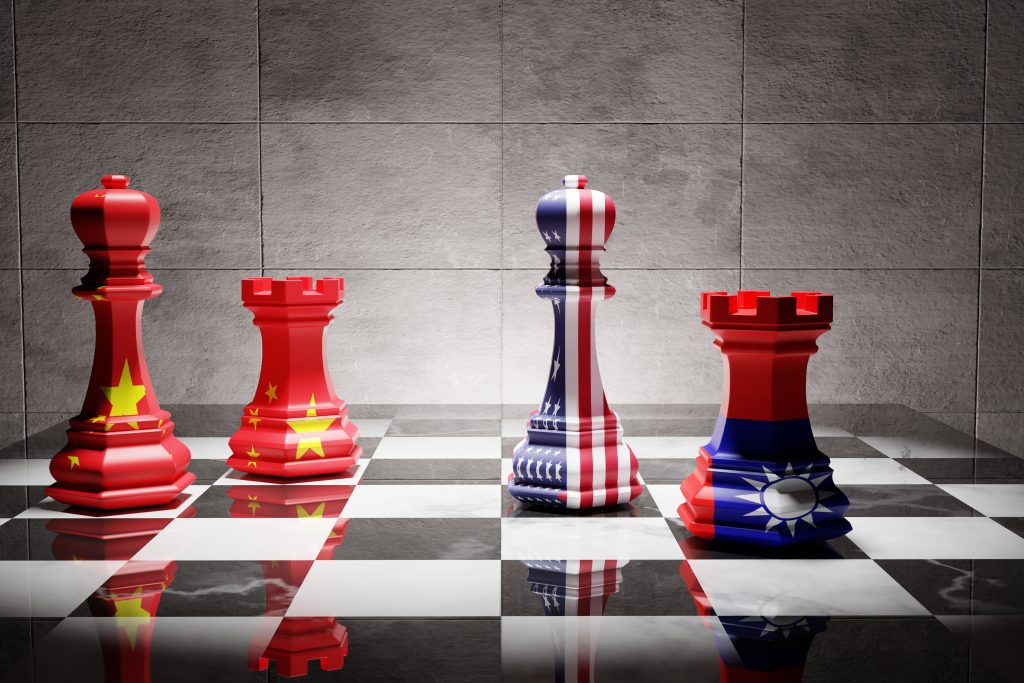
Regardless of how various parties interpret it, there are two central facts. First, Taiwan remains a casus belli. For Beijing, the Taiwan issue is at the core of its strategic interests and the first red line that must not be crossed.
Second, China will continue to support its primary investment: the United States.
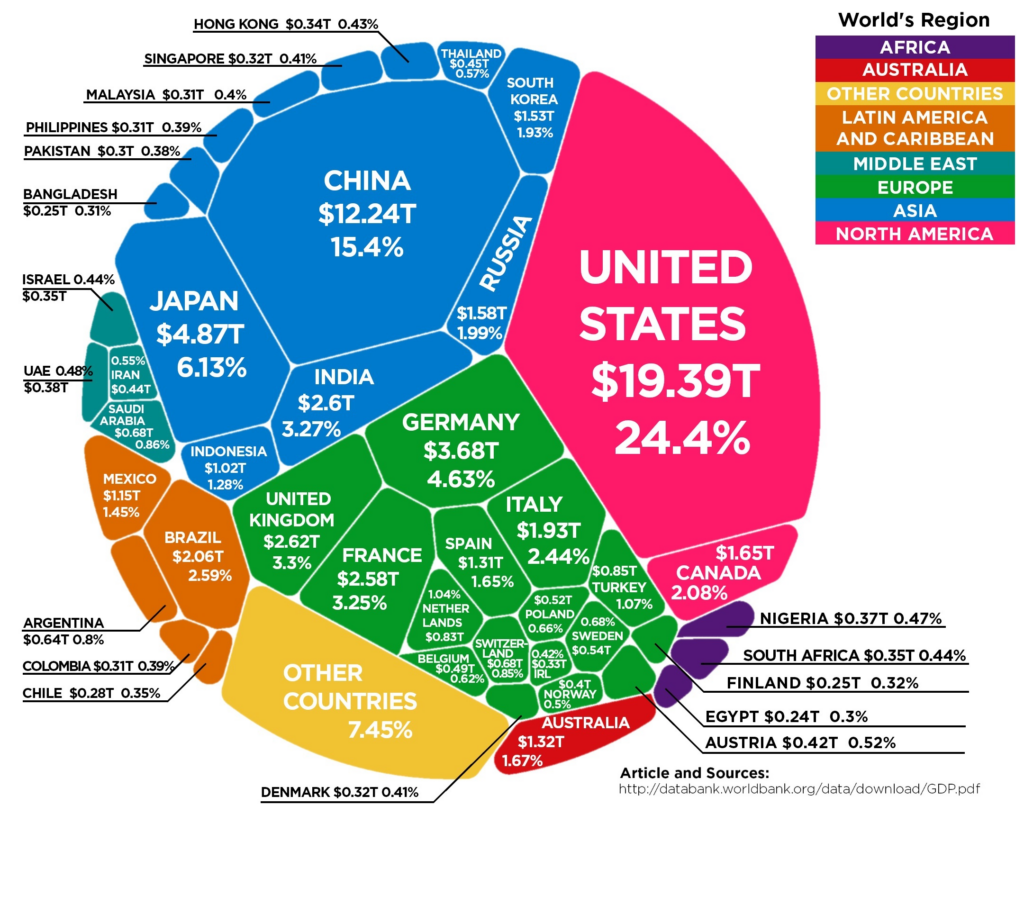
Last week, two blocs met that, together, account for a significant portion of contemporary economic power. If we combine the USMCA with the RCEP—the major Asia-Pacific trade agreement led by China, Japan, South Korea, Australia, New Zealand, and ASEAN—we approach an economic architecture that accounts for nearly 60% of global GDP. Both blocs, moreover, pursue the same goal: to rebuild a sense that the world has been losing over time. That sense is called order. The order the world wants. The order the world needs.
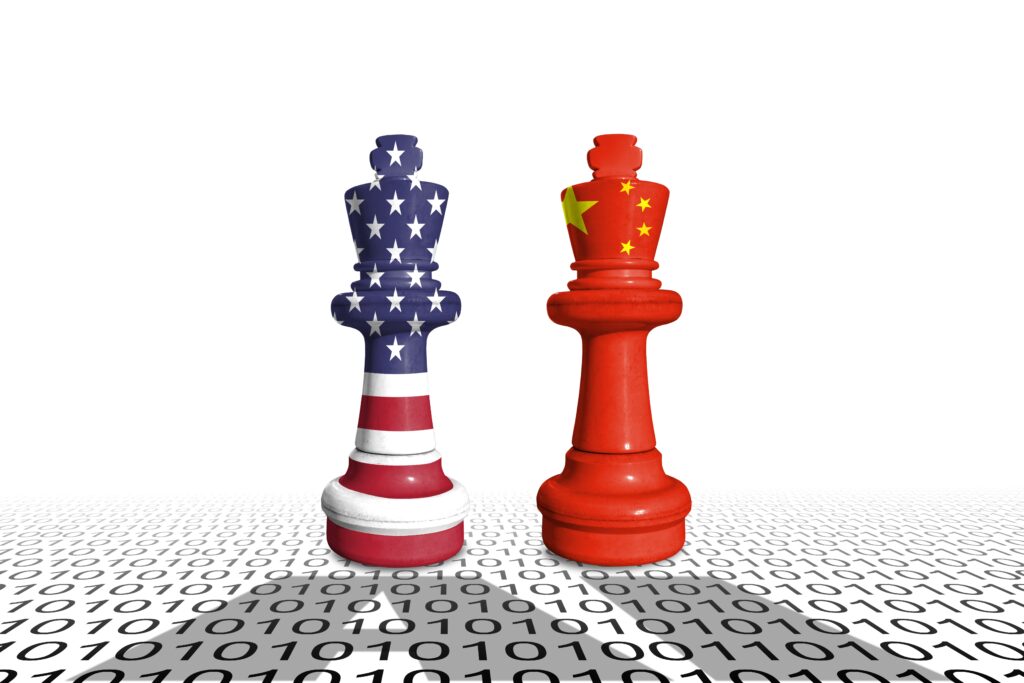
The axis of the immediate future—I don’t know for how long, though I suspect at least for the next fifteen years—will be based on Sino-American understanding. As President Xi Jinping has maintained, the world functions better when China and the United States recognize each other as potential partners rather than as inevitable rivals. In Donald Trump’s own words, “the relationship between China and the United States is going to be better than ever before.” That idea, more than just a phrase, defines the magnitude of the stakes.
We’ve had to reach this point for each side to understand, on its own, the other’s strengths and weaknesses. In China’s case, experiments with military pressure and war games have not produced the desired results. The defense industry undoubtedly makes China stronger, but China’s true strength does not lie in military hardware. It lies in work discipline, technological investment, industrial capacity, and the progressive mastery of financial and digital infrastructure.

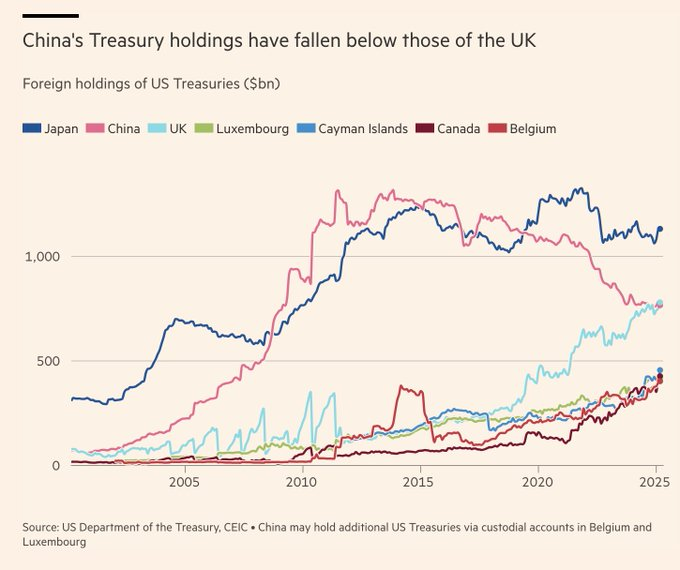
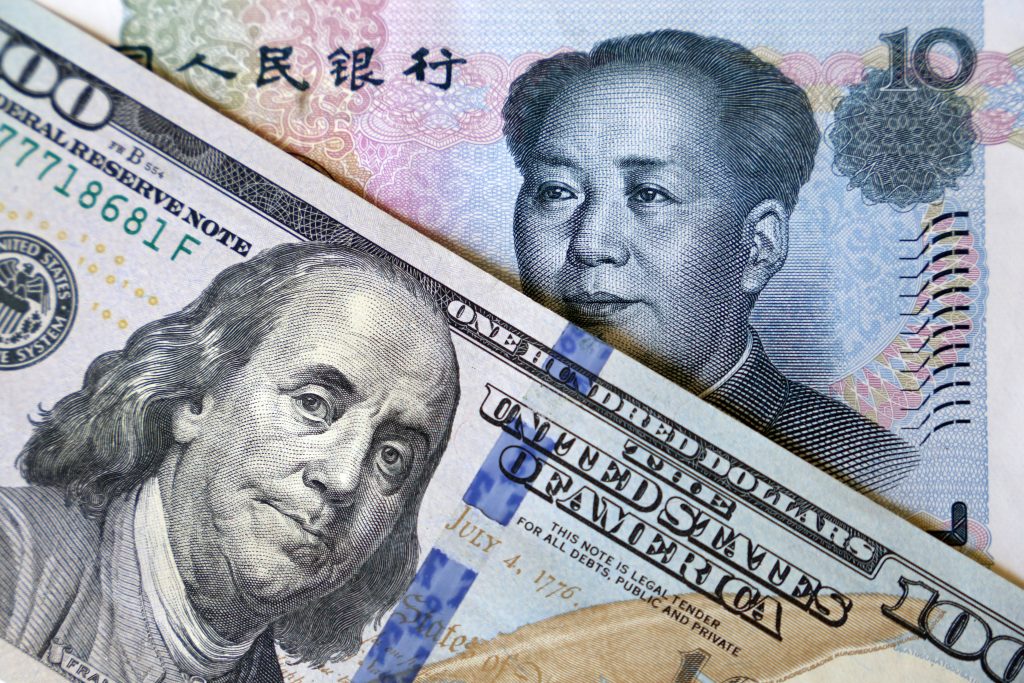
It is not about replacing the yuan with the dollar, because that would be a major trap. Let us not forget that China remains one of the largest foreign holders of U.S. public debt and maintains significant exposure to the dollar-dominated global financial system. Its true strategy is not to suddenly replace the U.S. currency, but to build power through technology, payment platforms, supply chains, industrial control, and negotiating power.
Even today, sanctions, restrictions, export controls, and penalties stemming from official U.S. policy on doing business with China remain in place, especially in strategic sectors such as semiconductors, artificial intelligence, telecommunications, chip design software, and advanced technology. All of this will not disappear overnight, but it will begin to transform as both countries come to understand that outright confrontation also has economic limits.

Except in areas touching on the West’s most sacred secrets—critical technology, digital infrastructure, artificial intelligence, semiconductors, and national security networks—some degree of cooperation will be inevitable. Not necessarily an alliance, but an organized coexistence. The distribution of global market benefits will not be equal, but it will revolve around an unavoidable axis: China and the United States.
Among the things that are hard to imagine—though in this era nothing can be considered impossible—is a strategic agreement between China and India. That would be the only move capable of placing China in a position of global hegemony with economic, demographic, technological, and military depth. But today that scenario remains remote due to the historical, border, and geopolitical rivalries between the two countries.
For this reason, neither China’s support for Iran, nor its relationship with Venezuela, nor the energy supply security that the United States seeks to preserve for itself and the Western world amounts, on their own, to a military adventure for which no one seems prepared. China does not need an open war to gain ground. Nor is it in its interest to become trapped in a rigid alliance with Russia, Iran, or the BRICS countries if that compromises its access to the global market.
Originally, the BRICS was a political and economic response to the hegemony of the dollar, the International Monetary Fund, and the conditions imposed by Washington. It was, in a sense, an existential defense by emerging powers against the Western financial order. But today, with global business largely unchanged and major players needing to secure markets, supplies, and stability, it makes sense to moderate that confrontation. It will not disappear, but it will be managed.
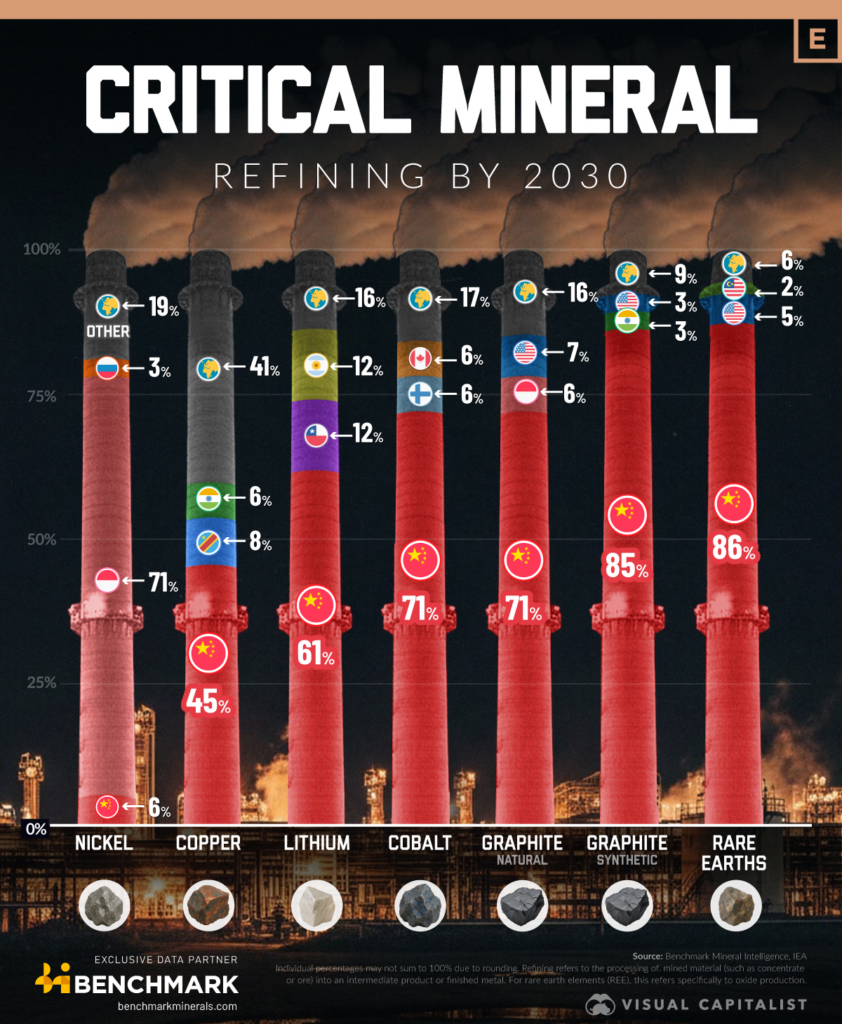
There are, however, two or three key exceptions. The first is control over strategic and critical minerals and rare earths. Here, China holds a dominant position in the processing, refining, and production chains associated with critical minerals and rare earths. In fact, China controls around 70% of global extraction and approximately 90% of the world’s rare-earth processing. This allows the Chinese to negotiate with the United States from a position of strength, not dependence, in pursuit of equality that, over the years, could translate into a new balance of economic, technological, and military power.
The second exception is Taiwan. And here it is important to be precise: Taiwan has not fallen, but its strategic situation is increasingly shaped by the new balance of power between Washington and Beijing. I very much doubt that the Taiwanese themselves want to become the trigger for a Sino-American war. I also believe that the United States will be increasingly cautious before entering—if they do so again after recent experiences—a war they cannot clearly understand or resolve immediately.
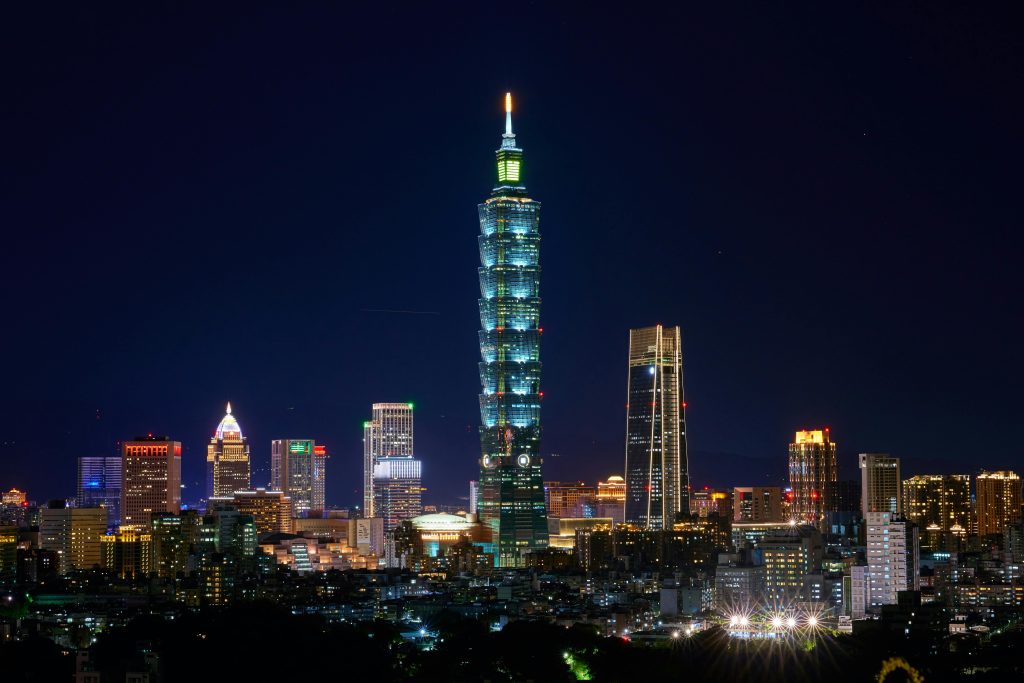
If the war in the Middle East and tensions with Iran are hitting Americans’ pockets through the price of a gallon of gas, a war between China and the United States over Taiwan would cause a far more profound upheaval. Not only in energy prices, but in the technological heart of the world: chips, supply chains, artificial intelligence, the automotive industry, defense, electronics, and global financial stability.
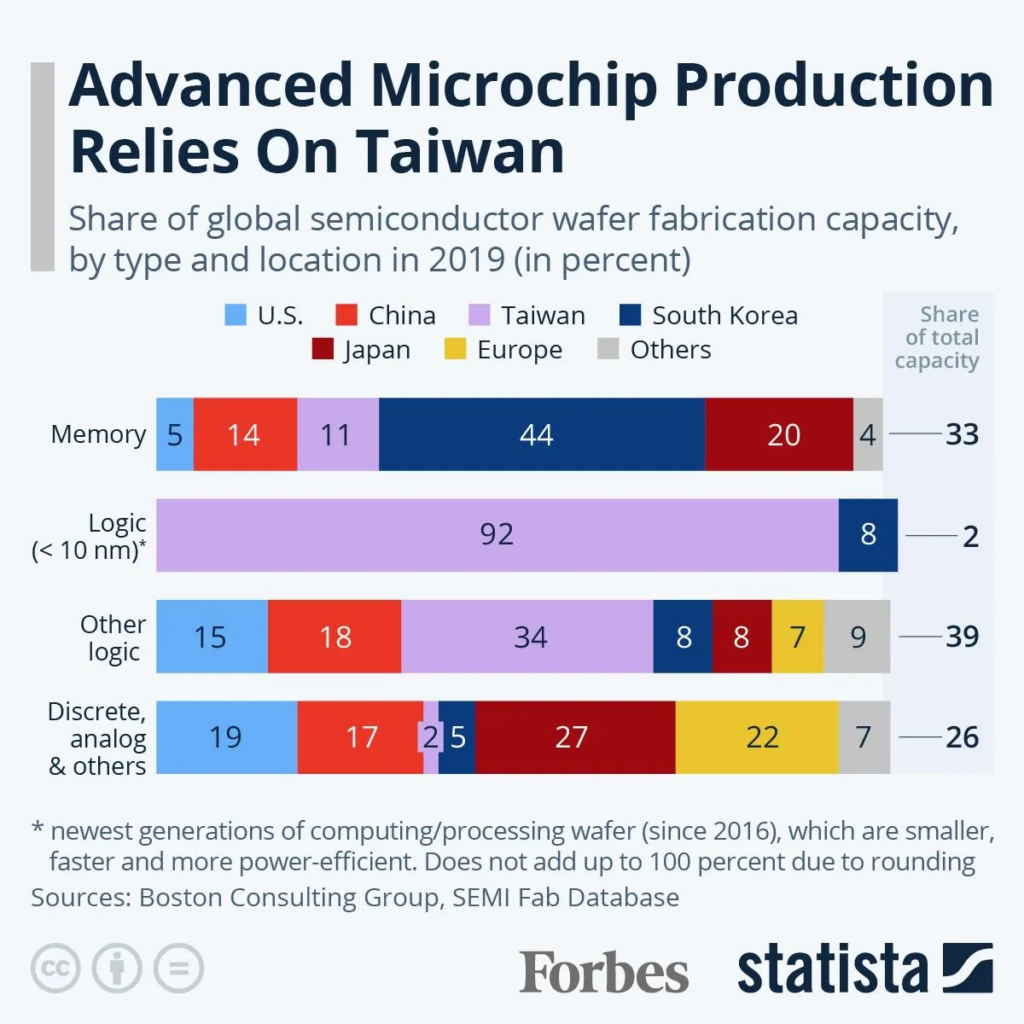
Taiwan is not just an island. It is one of the critical hubs of the global semiconductor system. Therefore, any crisis in the Taiwan Strait would have immediate consequences for the global economy. The pandemic indeed exposed the world’s vulnerability to the concentration of chip production; it is also true that the United States, South Korea, and other allies have accelerated investments to diversify that dependence. But there is still no full replacement for Taiwan’s technological weight.
Therefore, rather than a classic invasion, what we might see in the coming years is a process of pressure, attrition, economic convergence, diplomatic isolation, and strategic realignment. Something different, yet comparable in historical logic, to what happened with Hong Kong and Macau under the “one country, two systems” formula conceived by Deng Xiaoping. That formula, however, cannot be mechanically applied to Taiwan, because Taiwanese society has its own political identity, autonomous institutions, and a direct security relationship with the United States.
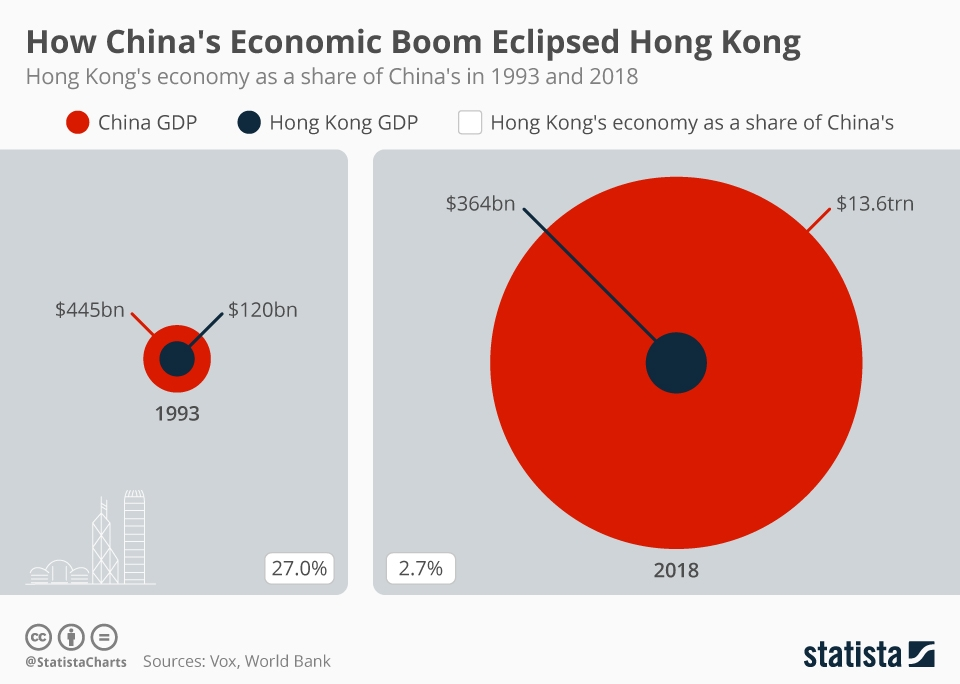
Even so, there is no underlying geopolitical reason that completely rules out the possibility of a future arrangement between what Deng Xiaoping envisioned and what a pragmatic U.S. leadership might accept if the cost of war proved too high. The market, economic considerations, the need for peace, and the balance of power are pushing toward a situation in which China and the United States will ultimately have a decisive influence on the behavior of all economies.
Russia, meanwhile, remains a key factor in European energy security, although its influence has declined significantly since the invasion of Ukraine. Europe has drastically reduced its dependence on Russian gas, oil, and coal, but Russia retains the capacity to exert geopolitical, military, and energy pressure. Its problem is that the war in Ukraine has not delivered the strategic victory it sought. Or, to put it another way, it has not achieved the political conquest that would justify the cost of the war.
In this scenario, chips, energy, strategic minerals, and trade routes reward those who dare to take calculated risks. But they also punish those who confuse risk with recklessness. American society, like any democratic society grappling with inflation, war, uncertainty, and fatigue, will only accept sacrifices if it clearly understands what it is defending. And that will be, perhaps, the great difference in this new era.

The world is not entering a traditional Cold War, but rather a permanent negotiation between giants who need each other, fear each other, and, at the same time, cannot afford to destroy one another—quite the opposite. China and the United States are called upon to build, together, the new world.
Further Reading: