

Antonio Navalón
At this point, we do not know whether the speech delivered by the president last Sunday, June 1, marking the second anniversary of her election victory, was known to, consulted with, or approved by former President López Obrador beforehand. Beyond the differences in their styles, the message—due to its radical tone and qualitative shift—seemed more than just a discordant note in the relationship between the former and current presidents: it seemed like a division of roles.
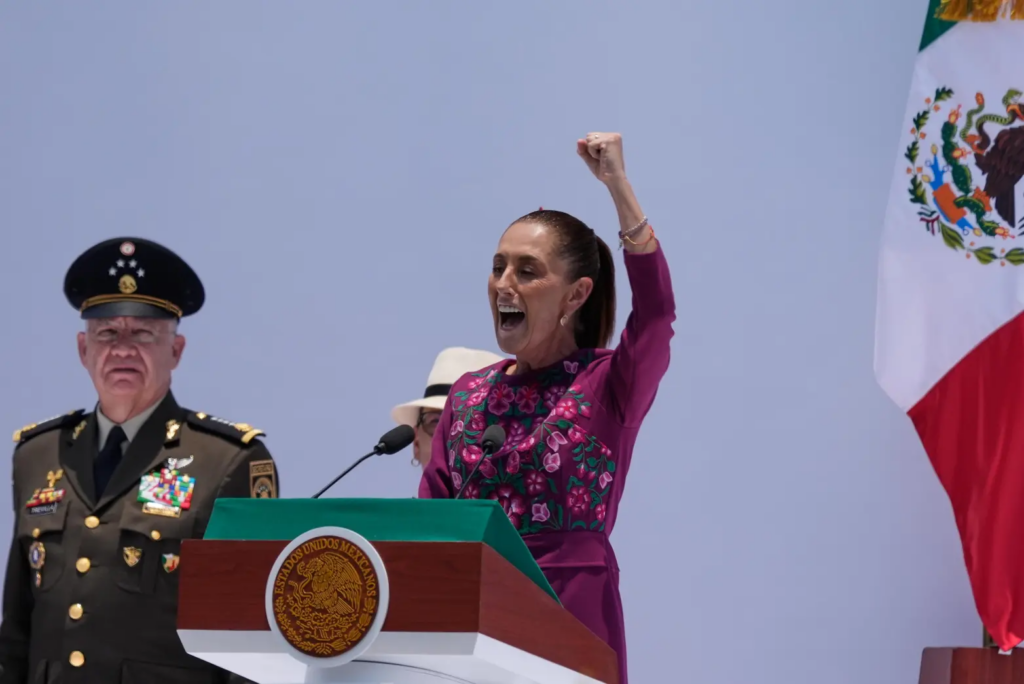
It is clear that the relationship between the United States of America and the United Mexican States is at its most tense and dangerous point in recent years. It is also clear that, behind all the talk of collaboration, many of the basic elements of an uncomfortable reality are hidden: the relationship between the two countries, at least formally, remains shrouded in the fulfillment of the institutional demands of that relationship.
What does all this mean? It means that, beyond the political gamesmanship and the debate over whether CIA or DEA agents have permission, the truth, the reality, is that—regardless of the President’s knowledge of the matter—the various entities responsible for coordinating, implementing, and carrying out the collaboration have indeed met the requirements of the bilateral relationship.
Underlying the collaboration, at its core, is a dynamic of allowing, cooperating, and utilizing—as is reasonable—the possibilities for exchange between agencies, individuals, and agents of the two administrations. On one side, the Mexican administration. On the other hand, those responsible for providing certain intelligence services and the physical elements of collaboration to achieve the objectives of the fight against drug trafficking. Today, just drug trafficking. Tomorrow, narco-terrorism.
We do not know if López Obrador’s letter—the letter that places him at the center, the letter in which he formally endorses interventionist theories and wraps himself in the national flag, not only to offer support but also to stand with President Sheinbaum in her latest proposals regarding the limits she wishes to impose on binational collaboration—was known to the president before it was published.
In any case, the letter may well be the radicals’ greatest success—nowhere else—as they would ultimately wish to go beyond verbal confrontation and move toward other forms of conflict to defend programmatic tenets that are even more radical than those of the regeneration movement known as Morena. Above all, the letter once again places the leader, the head, the creator of the entire movement, at the epicenter of the relationship.
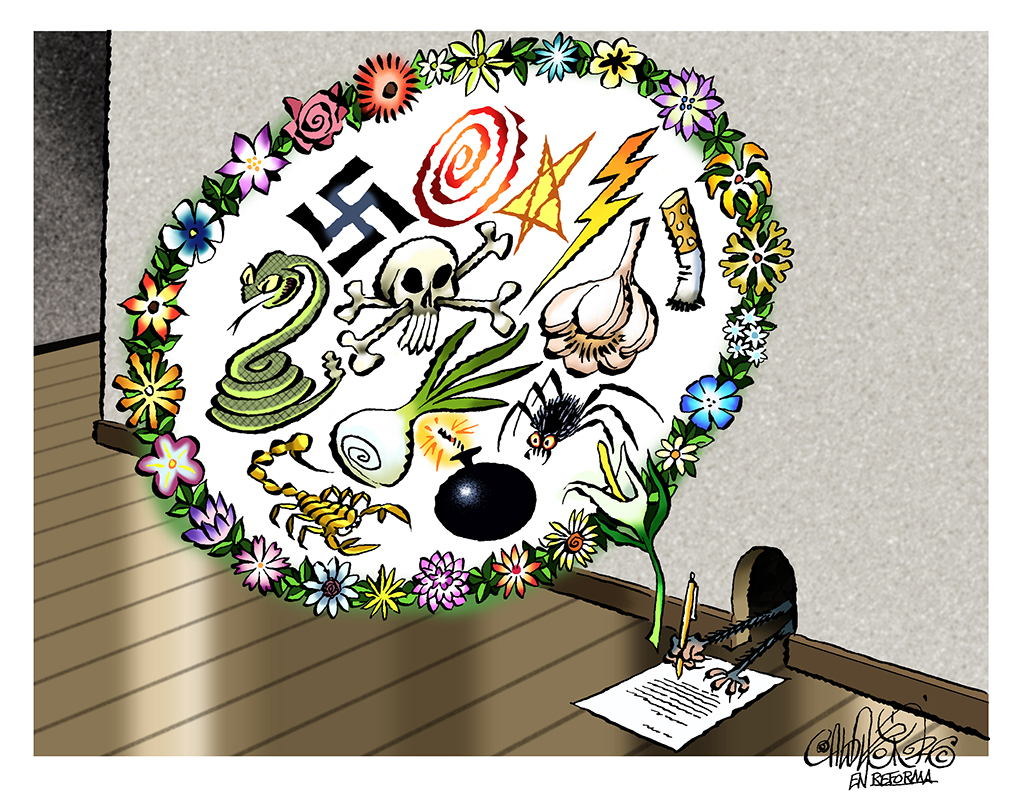
In some quarters, it turns out that, at first, it was even considered a fake letter, because it seemed impossible that someone who, after so many years, had achieved that dominant party monopoly to govern the country, could truly, in a situation like this, with everything at stake, write a letter where, on the one hand, he continues to insist that the boss is not the bad guy, but rather that the bad guys are those surrounding the boss.
Donald Trump is indeed at a point where he cares more about responding to personal insults and safeguarding what he perceives as signs of respect for his uniquely presidential status than about setting limits on his most radical aides as they formulate his policies. But at this moment, we must acknowledge that the relationship is in its most dangerous phase, especially because no one can gauge President Trump’s mercurial reactions.
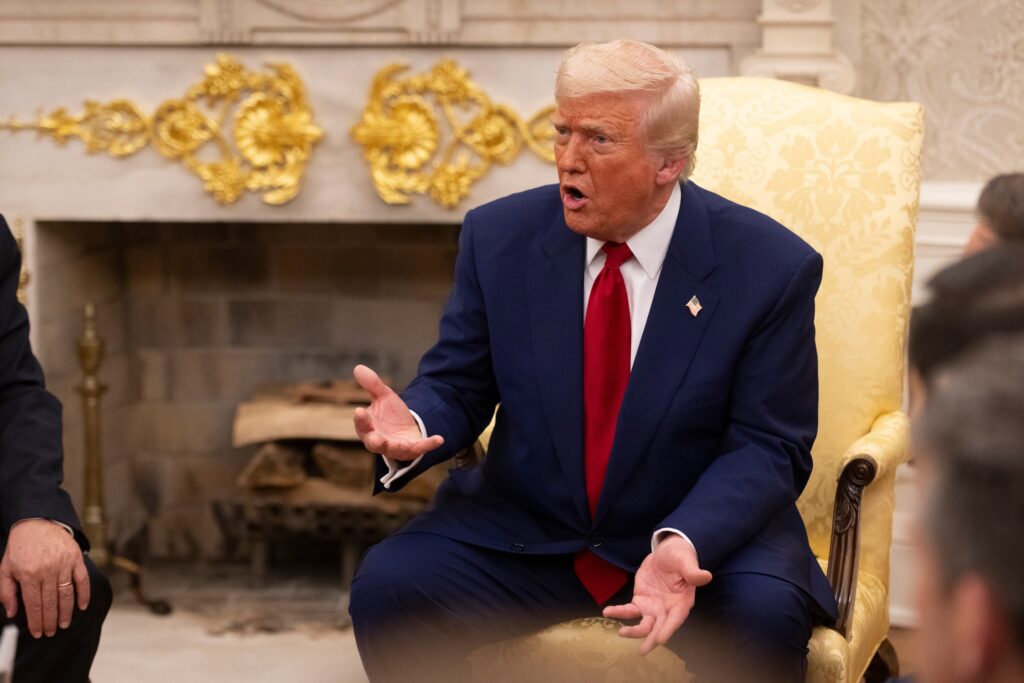
Because it is evident, from what he says, where he says it, and how he says it, that in the face of the mistake of the war in Iran, he needs successes, and nothing more than Cuba is an important and symbolic success, because the dream, the fantasy, and the portrayal of the revolution as a liberating force and a source of enrichment for the lives of the people have come to an end—but it is a small matter compared to this administration’s need for success.
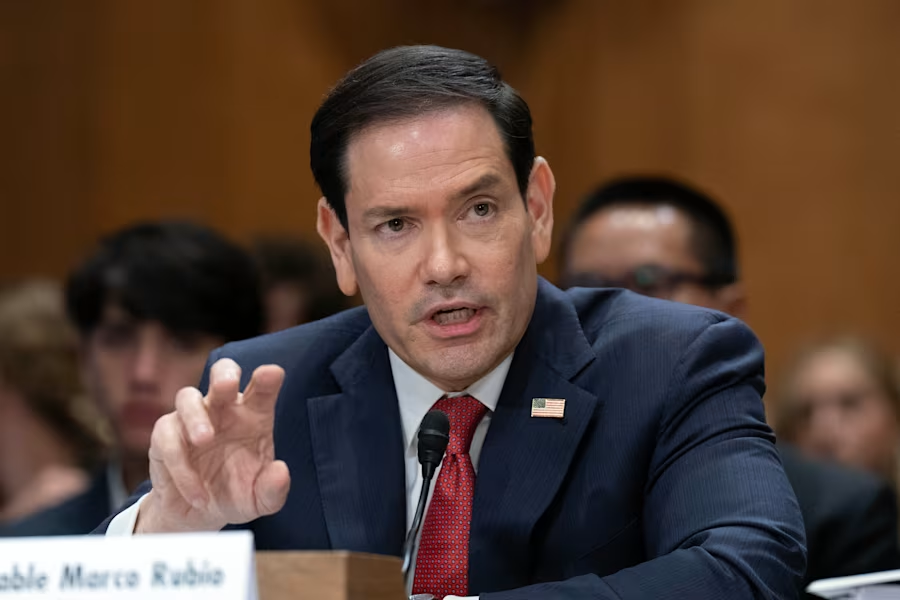
Internal cracks have begun to appear in Congress and the Senate. This is no longer a walk in the park. The questions and answers from last week during Secretary of State Marco Rubio’s testimony—first in the Senate, where everything seemed like a family Sunday, almost a brunch of hugs and congratulations from the senators to the Secretary of State—contrasted sharply with his appearance before the House of Representatives.
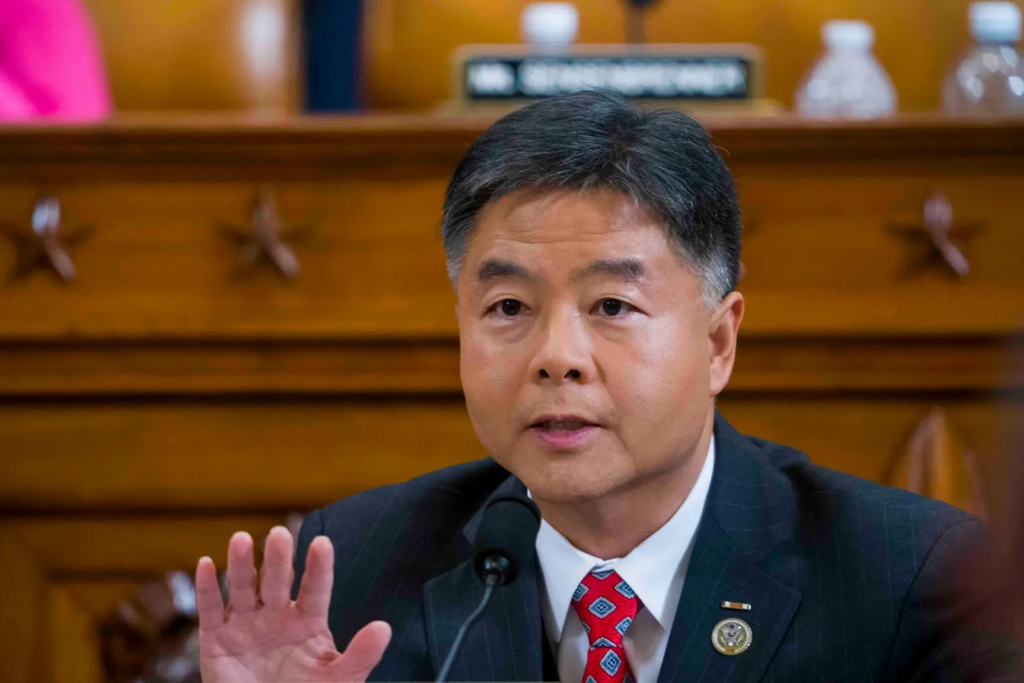
Congressman Ted Lieu grilled him and ended the Secretary of State’s testimony by accusing Rubio of lying to the U.S. Congress. And that, in the United States, is a crime if it is proven that he deliberately lied to Congress. I use this as an element that, without a doubt, surrounds, underlies, and may shape the future of the bilateral relationship.
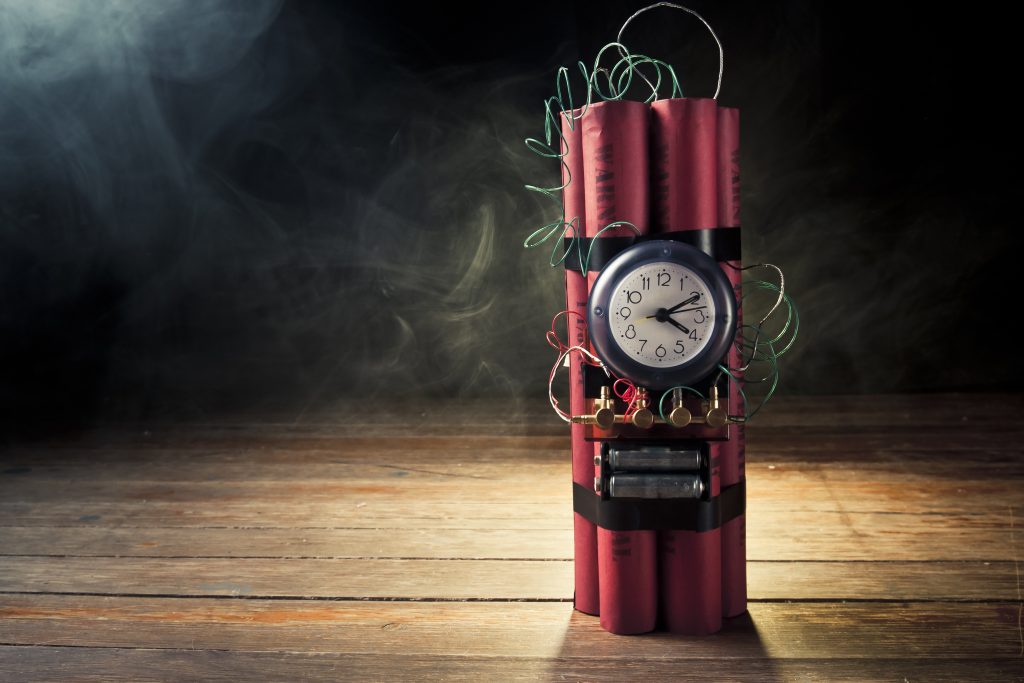
The political imperatives driving developments in the United States turn the relationship with Mexico—with everything we have accumulated in recent times—into a ticking time bomb. We are the easiest way for a Trump administration, which does not know how to extricate itself from the war in Iran, to produce a solution that delivers a quick victory and can serve its interests in the November midterm elections.
Meanwhile, it is very difficult to recognize the López Obrador who spared no one, inside or outside the country, as the author of that letter. The text reads more like a letter from old lovers: an attempt to recapture the tender moments of the relationship between the two men and between the two countries, ending with a plea—almost like a heart-wrenching cry from the best moments of his time in power—for the real Trump to return.
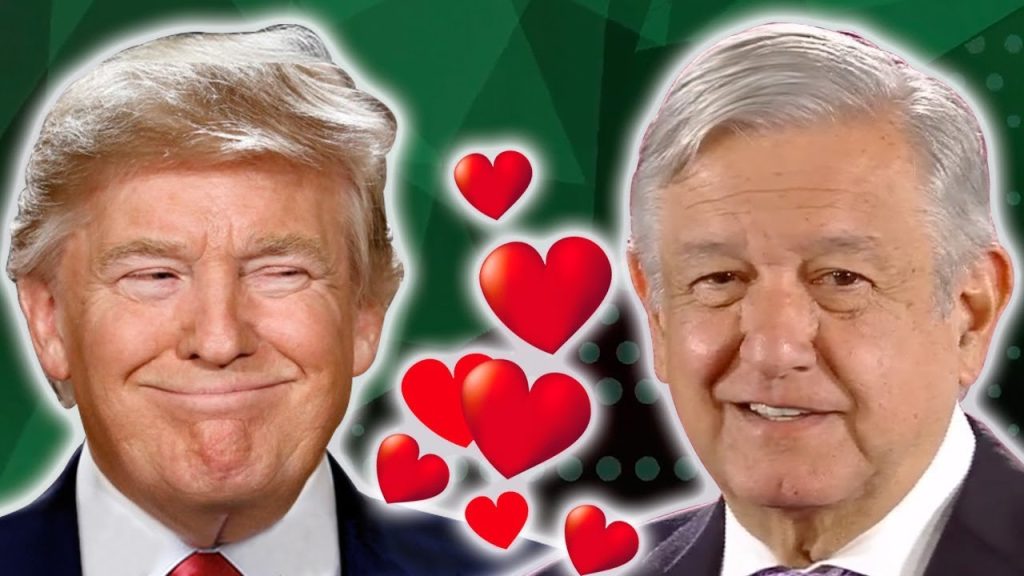
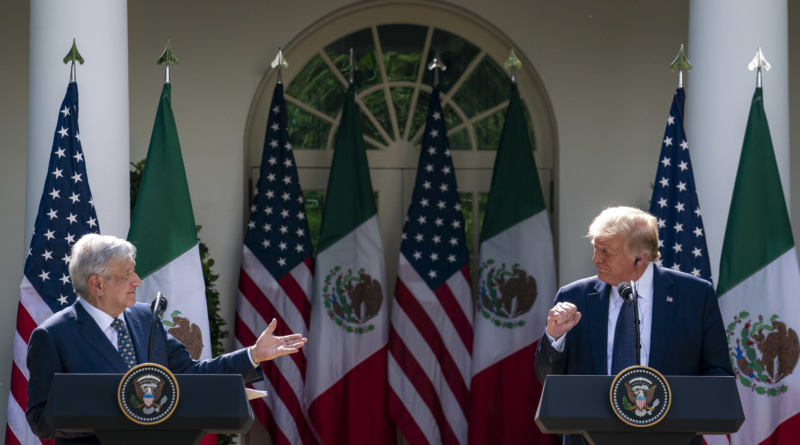
The Trump that López Obrador knew and longs for was the one who led us to send 30,000 soldiers to protect Trump’s border in exchange for him not imposing tariffs on us and not taking his threats against Mexico any further at that time. He was also the Trump with whom we negotiated under pressure. The Trump who turned migration into a bargaining chip. The Trump who understood that Mexico could be forced to contain, from its own territory, a political crisis that he needed to turn into an electoral victory.
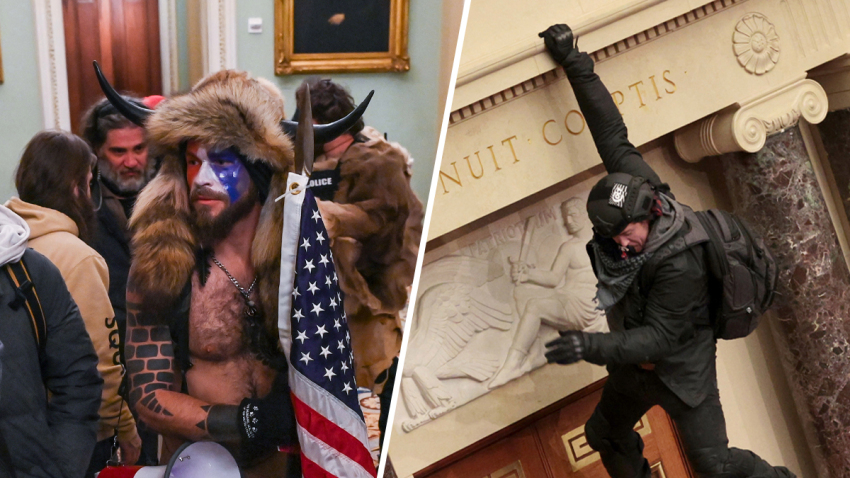
The Trump he is asking to return is also the Trump who, on January 6, 2021, was at the center of one of the most serious moments in contemporary American democracy, when his supporters stormed the U.S. Capitol after weeks of a narrative built around the alleged stolen election. That Trump was still the commander-in-chief of the U.S. Armed Forces, and although he failed to bring about an institutional breakdown, he did push his country’s political system to the brink. That Trump was the one who came close to turning a political crisis into an even deeper institutional crisis.
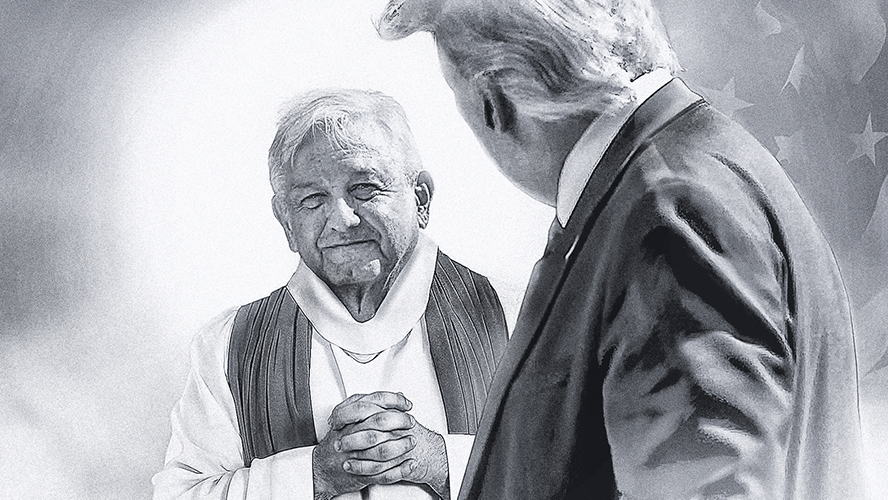
That is the Trump of the green pastures and the nostalgia the former president seems to be asking for to return. And as always, since one cannot be wrong—because making mistakes is a human trait—then Trump is not the villain. The villains are those who surround him. The bad guys are those who advise him. The bad guys are those who push him. The bad guys are those who turn him into a puppet. But it is never the one who appoints them or directs them. Today, in this world where letters sometimes arrive absolving us of our own responsibilities, we must finally understand that the bad guys… are always others.
Further Reading: