

Antonio Navalón
It was 1970, and the memory of the 1968 Olympic Games—marred by the Tlatelolco massacre just days before the opening ceremony—still cast a shadow over many people’s confidence in the image Mexico was projecting to the world as it hosted its first World Cup. Just two years earlier, on October 2, 1968, the Tlatelolco massacre had left a wound that refused to heal. A brutal contradiction burdened the country: it had demonstrated its organizational capabilities to the world, but it had also exposed the repressive nature of its political power.
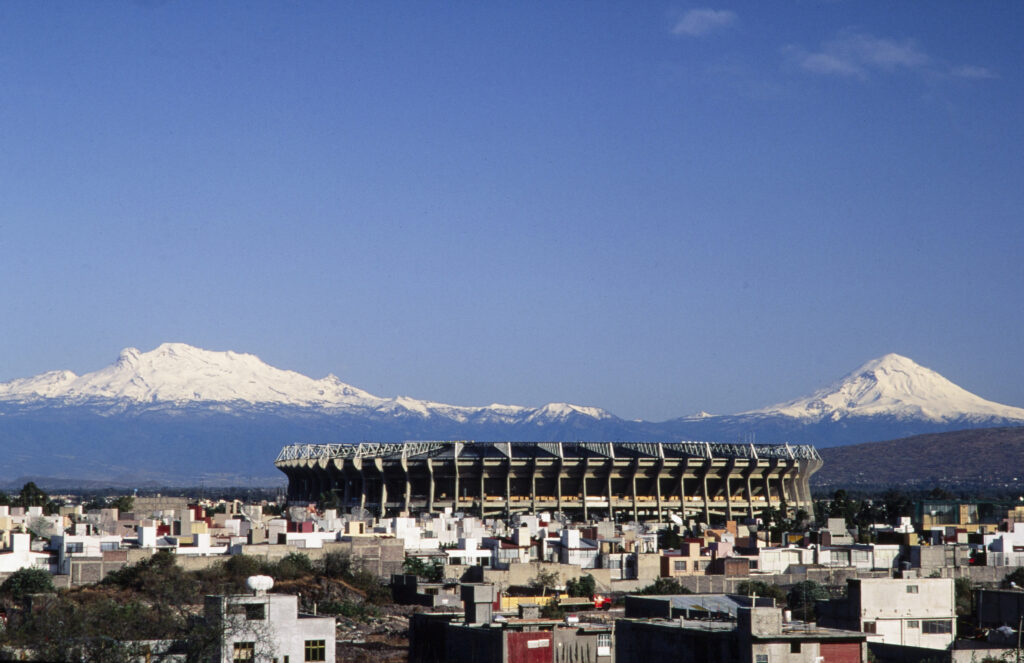
Once again, what was incredible, what was unpredictable, was the reaction of the Mexican people to their own history. The 1970 World Cup is remembered as one of the best up to that point. Not only because of the soccer, Pelé, Brazil, the Azteca Stadium, or that idea of modernity Mexico wanted to project, but because the country managed to sustain a global celebration over a political wound that was still open.
Given that a central part of the country’s political sensibility and changes began on that unforgettable October 2, it was crucial to see to what extent the Mexican people could survive their reality—in this case, bloody and repressive—while simultaneously betting on the future. Mexico generated enthusiasm and demonstrated organizational rigor, just as it had, incidentally, during the 1968 Olympics. That was the paradox: a state capable of organizing major international events and, at the same time, incapable of fully acknowledging the violence perpetrated against its own youth.
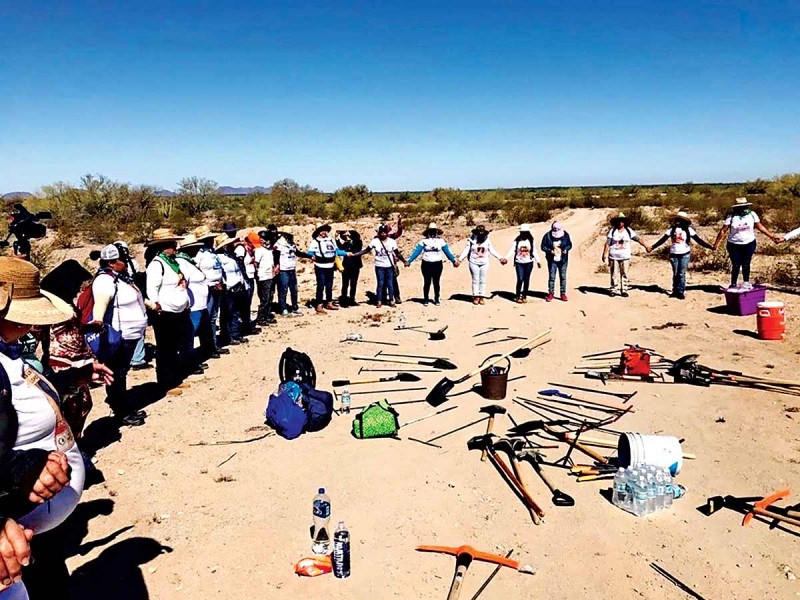
You never know, and so far, fortunately, despite everything, the Mexican people’s endurance limit remains unknown. The Searching Mothers, who are a cry and a lament that should affect us all—because we have all known someone who has disappeared and could all be in their place at some point—are one of the most important testimonies of recent years. Especially in recent decades, coinciding with the transformation of the world and the country, a form of violence has taken hold that no longer merely represses or crushes: it disappears, erases, kills, and condemns families to search through the dirt, the files, and the silence.
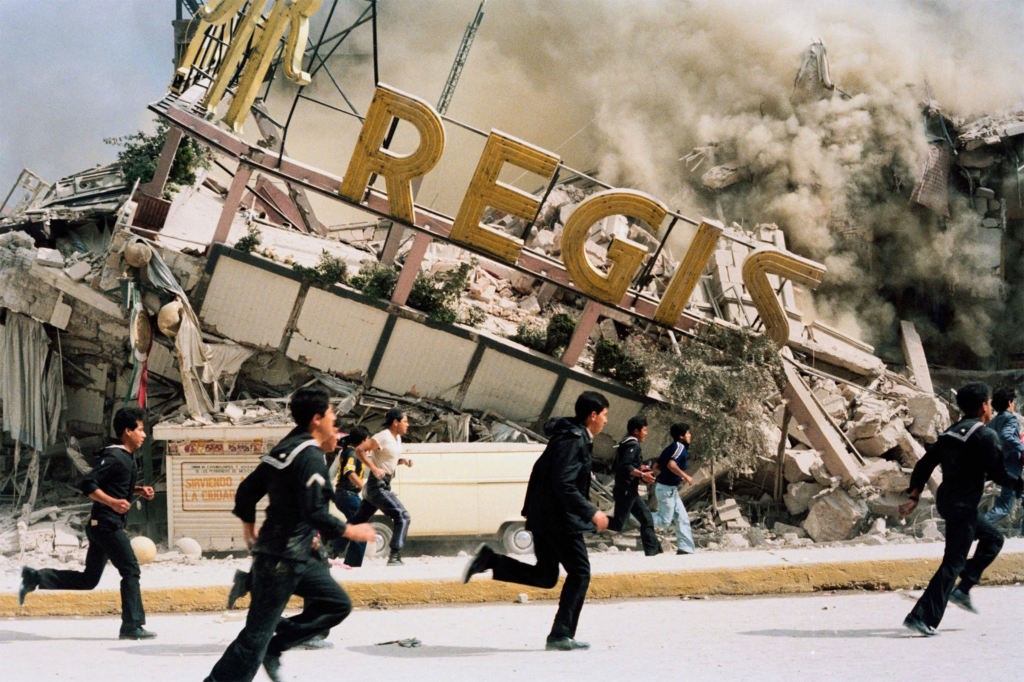
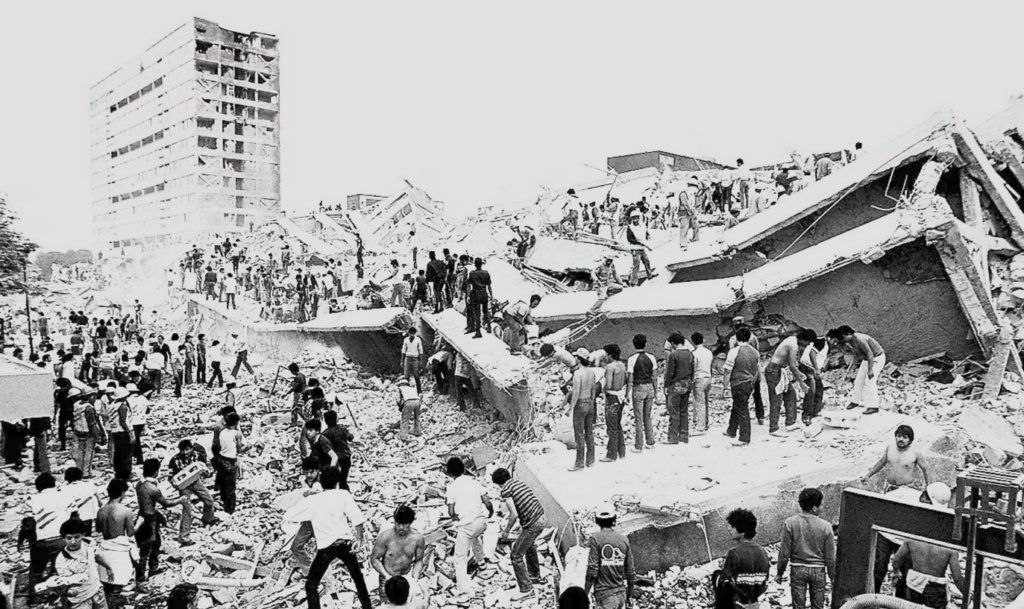
It was 1986, and the country was still reeling from one of the greatest tragedies in its modern history: the 1985 earthquake. Mexico City was scarred by collapsed buildings, the dead, the disappeared, the displaced, and a sense of abandonment. The government had been exposed for its slowness and inability to respond, while civil society demonstrated a strength that those in power had not anticipated. FIFA sent observers and technical staff. There were reasonable doubts about the country’s ability to host the tournament after such a tragedy. No one was to blame for the earthquake, but the inevitable question loomed: whether Mexico was in a position to host its second World Cup.
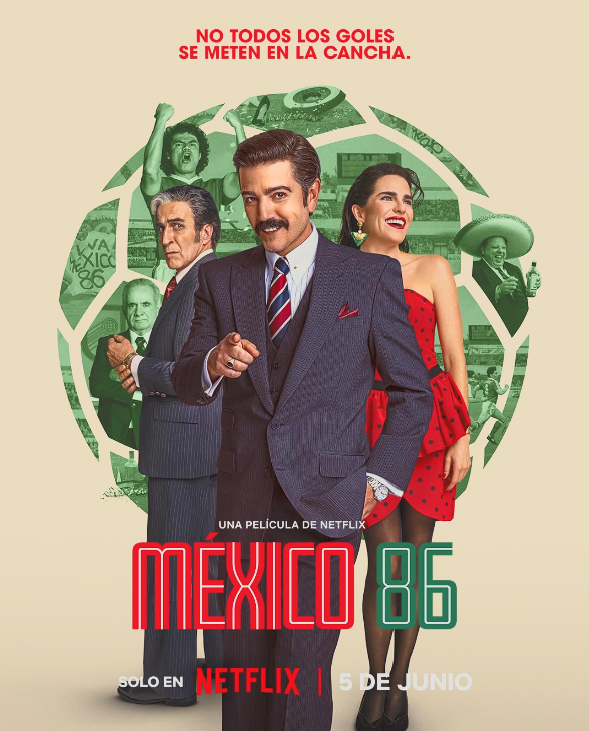
The story of that organization can be followed—with the artistic license typical of fiction—in the film *Mexico 86*, directed by Gabriel Ripstein and co-written with Daniel Krauze. The film portrays, through satire and dramatization, the political, economic, and moral climate of that era. But behind any narrative license, behind figures as diverse as Emilio Azcárraga Milmo and the Mexican soccer leaders of the time, one fact remains: while Mexico was clearing rubble, searching for the missing, and trying to rebuild itself, it also rose to the occasion to launch a new global soccer celebration.
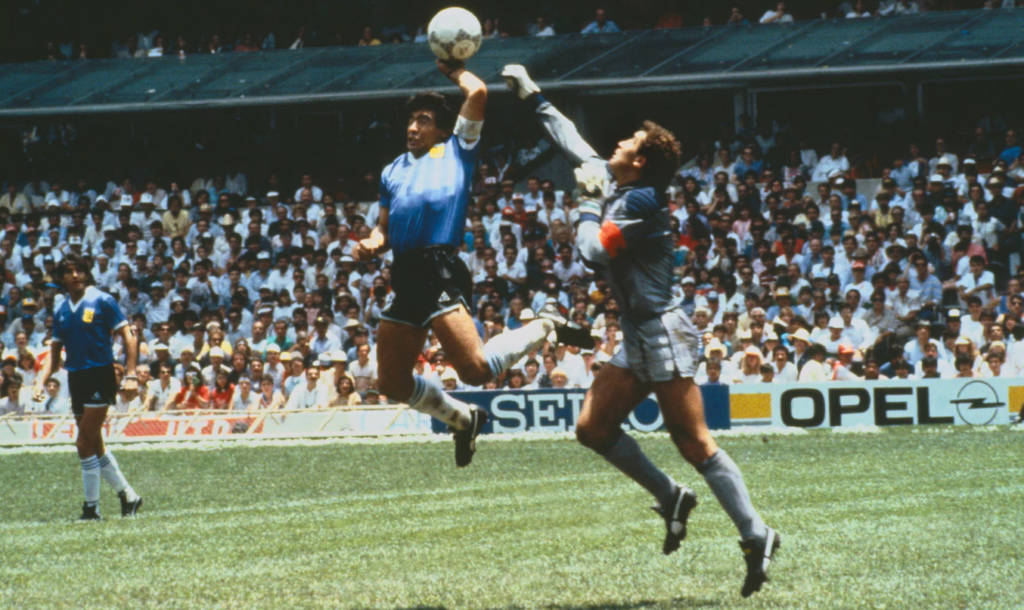
That World Cup is not remembered solely for Maradona’s “Hand of God” or the “goal of the century” against England. It is also remembered because Mexico, in the midst of devastation, managed to organize a competition that put it back at the center of the world. And that was 1986: a country struck by tragedy, questioned for its government, but sustained by a society that once again proved it could rise up.
Now Mexico is the only country in the world to have hosted the World Cup three times, although this time it is a World Cup shared by three countries: Mexico, the United States, and Canada. The 2026 North American World Cup, which begins in Mexico, once again places the country before the mirror of its history.
If the two previous World Cups were a test of resilience in the face of great trauma, this one still poses an open question. We do not know with complete clarity what trauma will, over time, be attributed to the true state of development, stability, or structural fragility of the Mexican state. Will it be the battle against the cartels and the tension with the United States? Will it be the misgovernment that fails to fully guarantee the free movement of people, ideas, and daily life? Will it be the crisis of disappearances? Will it be normalized violence? Will it be the gap between the country presented to the world and the country that millions of Mexicans endure every day?
In any case, mark it down as yet another success, and let no one be mistaken. In 1970, under the government of Gustavo Díaz Ordaz, with the memory of Tlatelolco still fresh and ample evidence of authoritarianism, there were also no grounds for popular confidence to imagine a clean, full, and uncontradictory celebration. In 1986, under the government of Miguel de la Madrid, so battered and punished for his response to the great earthquake, the ideal political conditions did not even exist to consider organizing or expressing joy.

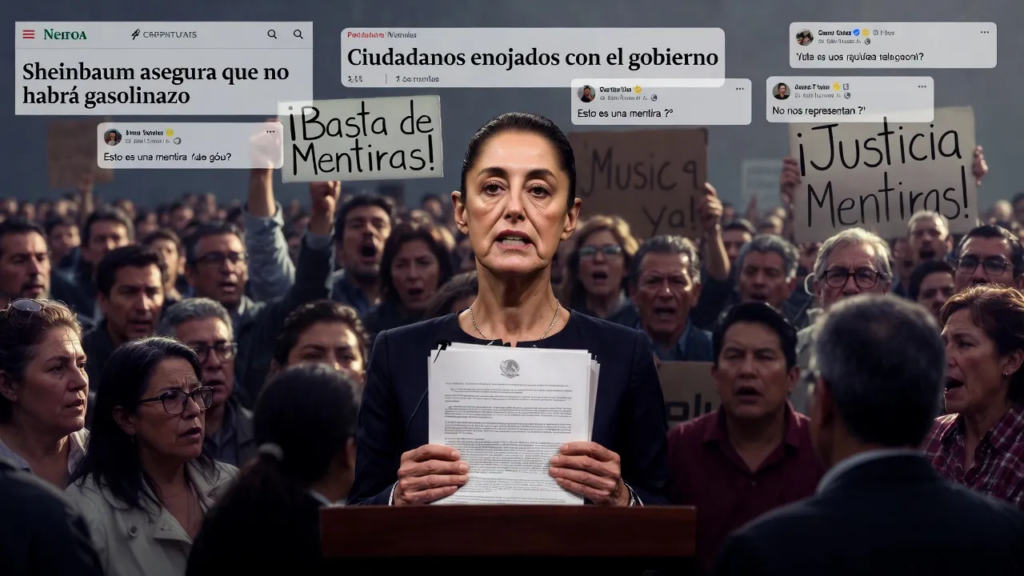
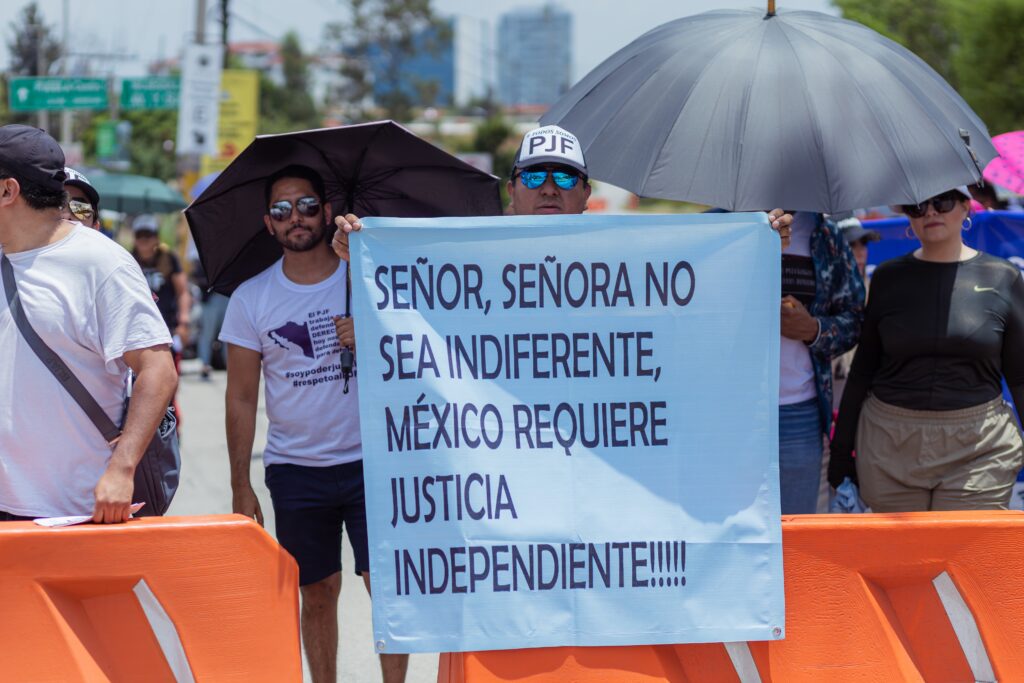
In this World Cup, the one we are facing now, 56 years after 1970, lies, I repeat, one of the greatest tests of change in world history since World War II. The technological revolution, the transformation of global power, the rivalry among world powers, tensions with the United States, internal violence, and institutional erosion are all part of the context. The current government, too, faces enormous challenges, with areas of unpopularity and a country divided between celebration, fear, precariousness, and hope.
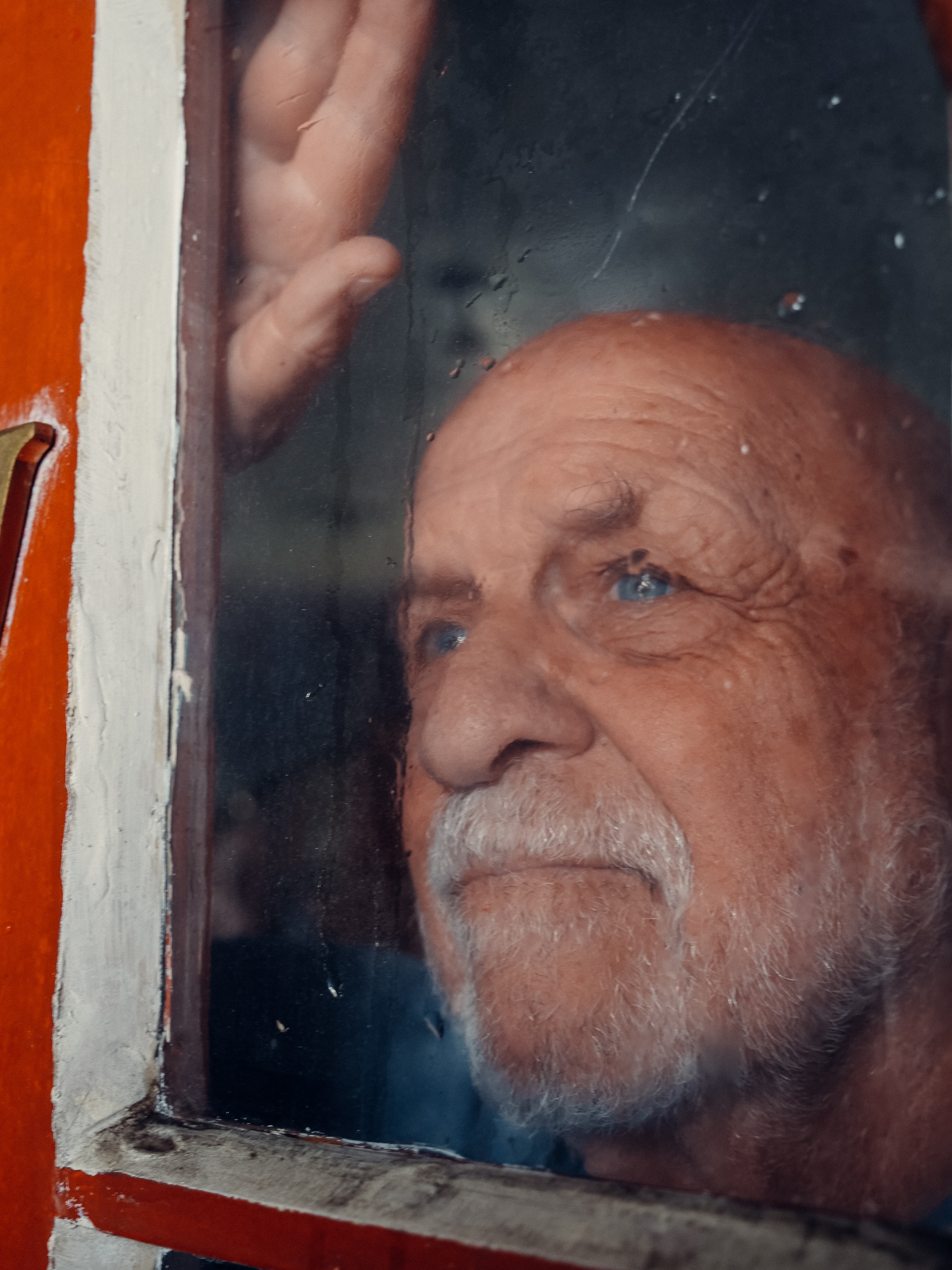
But there is one thing we must understand that even the conquistadors rarely understood. When it comes to Mexico, there is one reality—that of the governments and the established power—and another reality—the one that survives, the one that truly matters: the way the people of Mexico react. The big question is: what have we done in these 56 years? The major issue yet to be resolved is whether we are better off or worse off; whether we learned anything from 1970, from 1986, and from all the accumulated traumas that brought us here, or whether the country today is worse off than it was before.
Now, in the wake of the technological revolution, the Mexico of our children—which, strangely, we know less about than we think—and in some cases the Mexico of our grandchildren, has elements that are clearly different from those of other eras. It must navigate a different pace, a different kind of violence, a different uncertainty, and a different form of power. However, the constants of survival, resilience, overcoming adversity, and dignity remain. All things considered, the best thing about Mexico is still its people. That is the greatest truth.
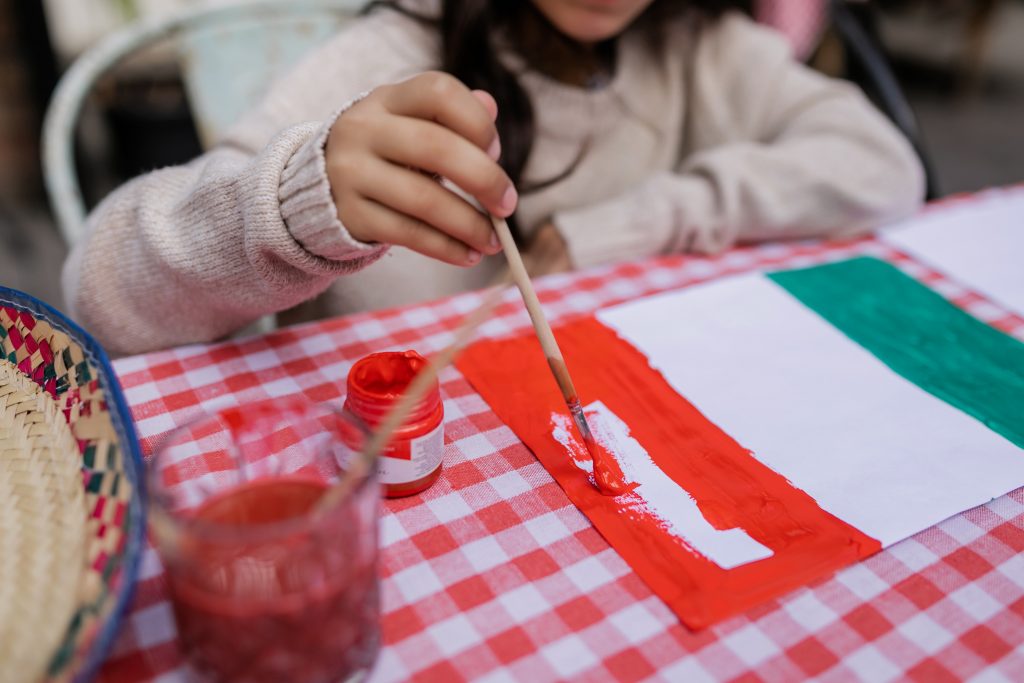
A World Cup is not just an opportunity to reflect on governments. It is, above all, an event that serves to demonstrate the spirit of survival of the societies that host it. In this sense, soccer does not belong to any government: it belongs to the people. Regardless of who uses it, who abuses it, and who tries to appropriate its benefits. Also, regardless of the painful spectacle of sacrificing the small to bow to the demands of all the big players.
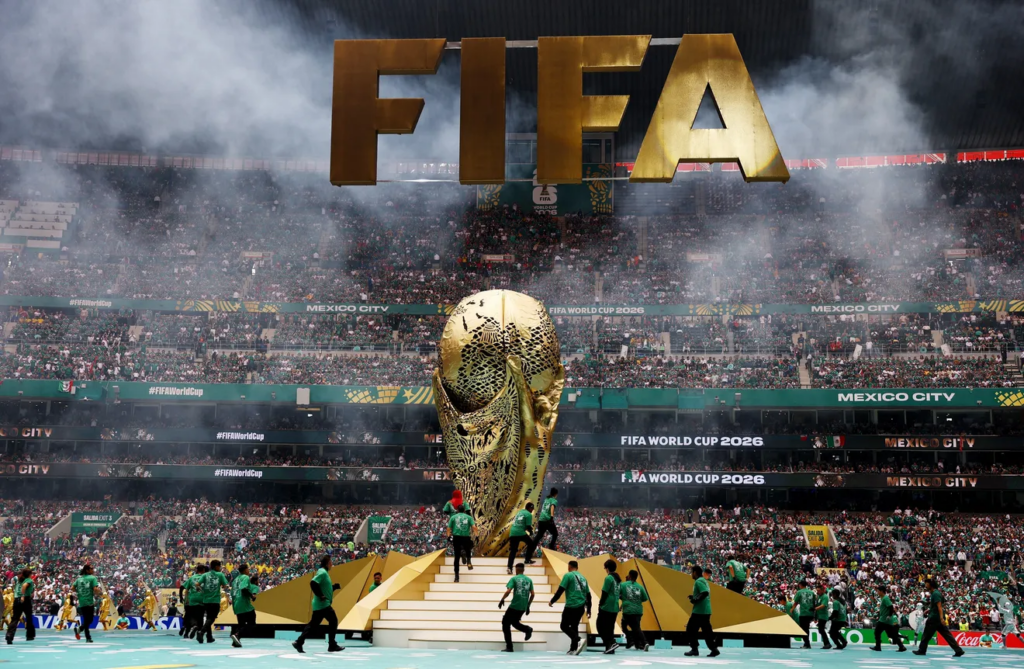
Mexico is hosting a World Cup again, but the fundamental question is not on the field. It lies in the country that takes the field. It lies in the memory of 1968, in the rubble of 1985, in the mothers searching for their children, in the violence that never ceases, and in a society that, despite everything, once again demonstrates that it still possesses a moral, emotional, and collective reserve that no government has ever fully been able to explain.
Every World Cup in Mexico has been more than just soccer. It has been a test of character. In 1970, in the face of repression. In 1986, in the face of tragedy. In 2026, in the face of violence, uncertainty, and mistrust. And in all three cases, the most important response has not come from those in power, but from the people. A World Cup is not only an opportunity to hold governments accountable but, above all, an event that demonstrates the survival instinct of the societies that host it. In this sense, soccer belongs to no government; it belongs to the people. Regardless of who uses it, who abuses it, and the painful spectacle of sacrificing the interests of the small players to bow to the demands of all the big players.
Further Reading: