

Luis Rubio
Few public policies in Mexico command as much broad legitimacy as the USMCA. Across the political spectrum, it is widely viewed as the backbone of economic stability. Yet there is far less agreement about what the agreement actually is — or what role it should play in Mexico’s future.
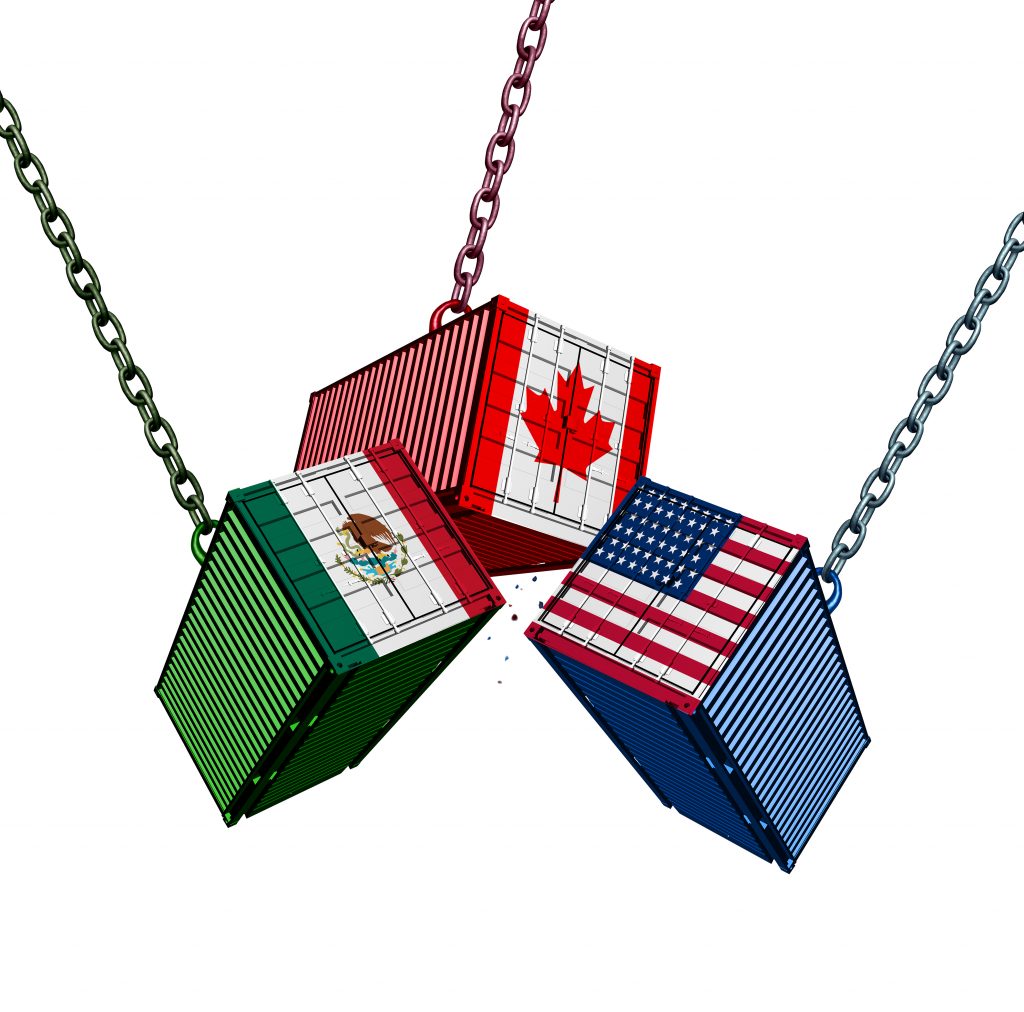
NAFTA was never meant to be a development strategy. It was designed to provide certainty: clear, enforceable rules that investors could trust despite Mexico’s chronic political and legal volatility. In that sense, it was an enormous success. The agreement helped transform Mexico into a manufacturing powerhouse and turned exports into the main engine of growth. But the institutional scaffolding that once reinforced that certainty has steadily eroded, from the dismantling of autonomous agencies to the latest judicial overhaul.
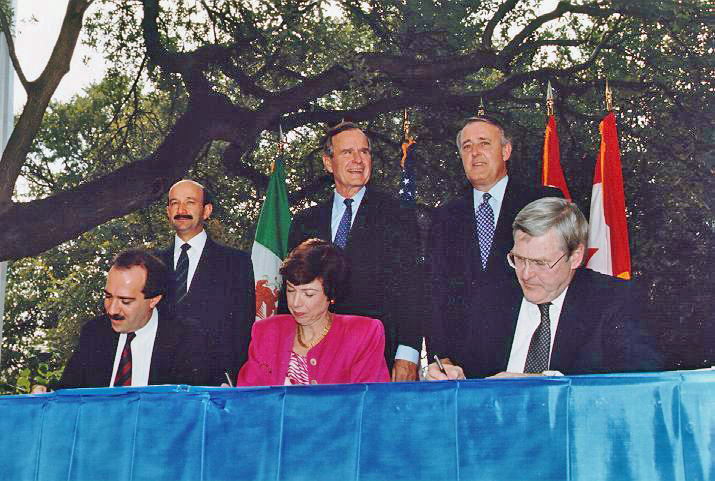
Success, paradoxically, has created confusion. The trade agreement is often credited with near-mythical powers, as if it could solve structural problems like poverty, inequality, or weak development. Those are legitimate national goals — but trade rules were never the right tool to achieve them.

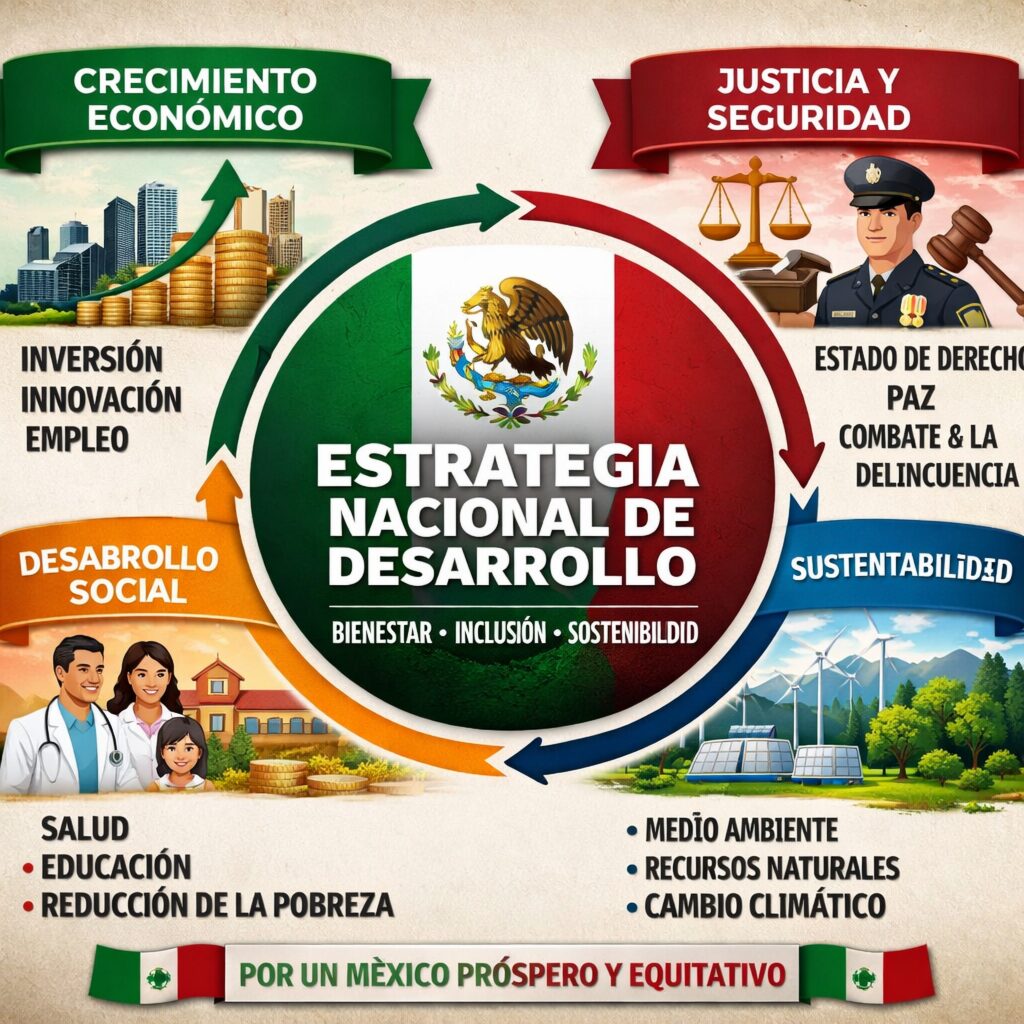
Today, the defining feature of North American trade is uncertainty, largely driven by the political volatility of Mexico’s main commercial partner. That reality raises two urgent questions: how to preserve as much of the agreement as possible, and how to build a domestic platform capable of delivering inclusive, sustainable development. The Mexican government appears focused on the first. It shows little awareness of the second.

But Mexico’s long-term success has never depended on Washington’s moods. It has always depended on decisions made at home. The agreement remains essential, but it was never — and could never be — a substitute for a national development strategy. Its greatest contribution was forcing Mexico to look outward and forward. Unfortunately, that shift proved shallow and temporary.
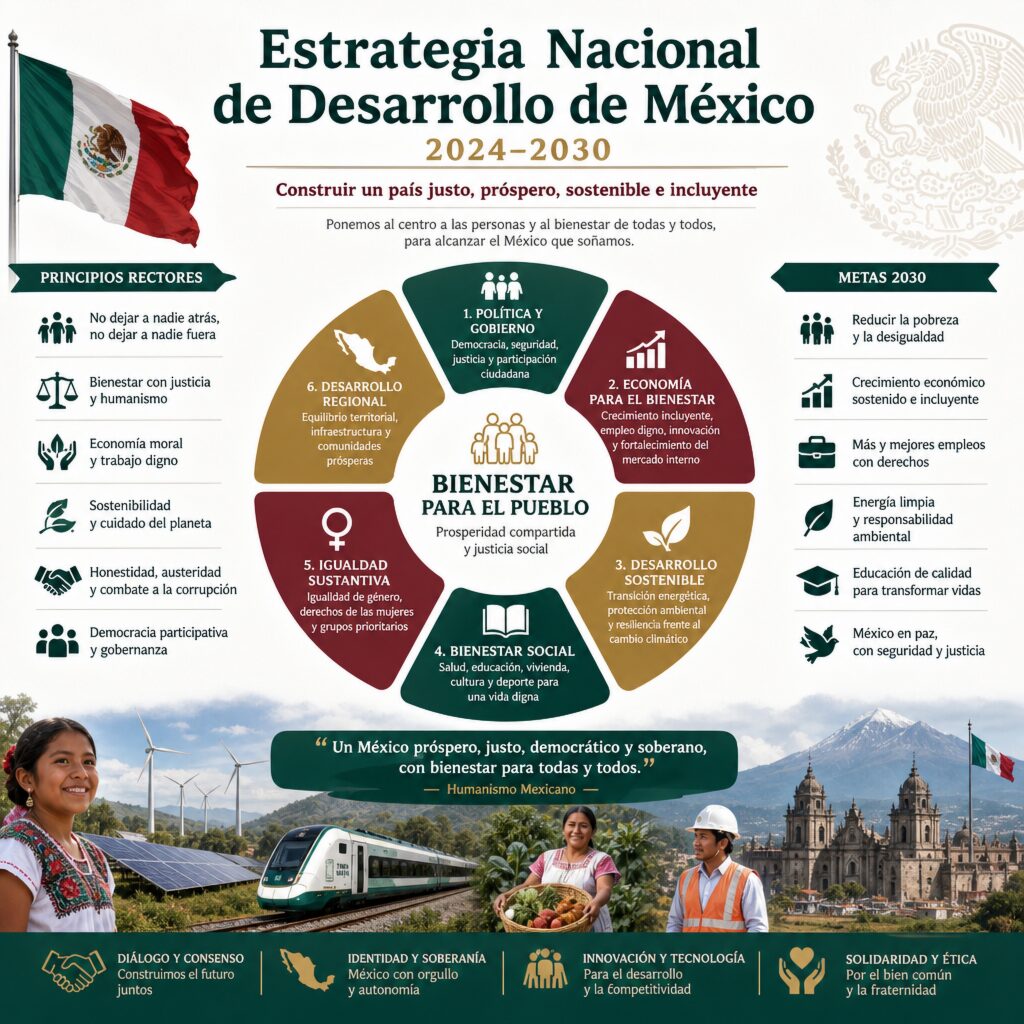
The real agenda has not changed: energy, infrastructure, education, logistics, security, and human capital. Without progress in these areas, Mexico risks remaining trapped in a low-wage equilibrium — a disappointing outcome for a trade framework as forward-looking as NAFTA.

The policy implications are straightforward. Investment has flowed to Mexico because trade rules exist, but it is constrained by unreliable electricity supply, shortages of skilled labor, insecurity, and deficient infrastructure. None of these obstacles originates in trade relations; they stem from domestic policy choices. When energy policy treats modern supply as ideological territory, education becomes a political tool, insecurity is minimized, and infrastructure is viewed as expendable, development becomes nearly impossible.

NAFTA’s most important achievement was depoliticizing investment decisions. That helped create globally competitive industries and explains why the agreement enjoys such strong public support: it is one of the few anchors of economic functionality Mexico has. The real failure is not the agreement itself, but the persistent expectation that it should solve problems it was never designed to address, rather than expanding its benefits through basic conditions such as legal certainty and public security.

Ultimately, Mexico’s trajectory will not be determined by external negotiations but by domestic capacity. When the country fully embraces that principle, transformation will follow.
@lrubiof
The original Spanish version of this article can be found at www.luisrubio.mx
Further Reading: