
Luis Rubio
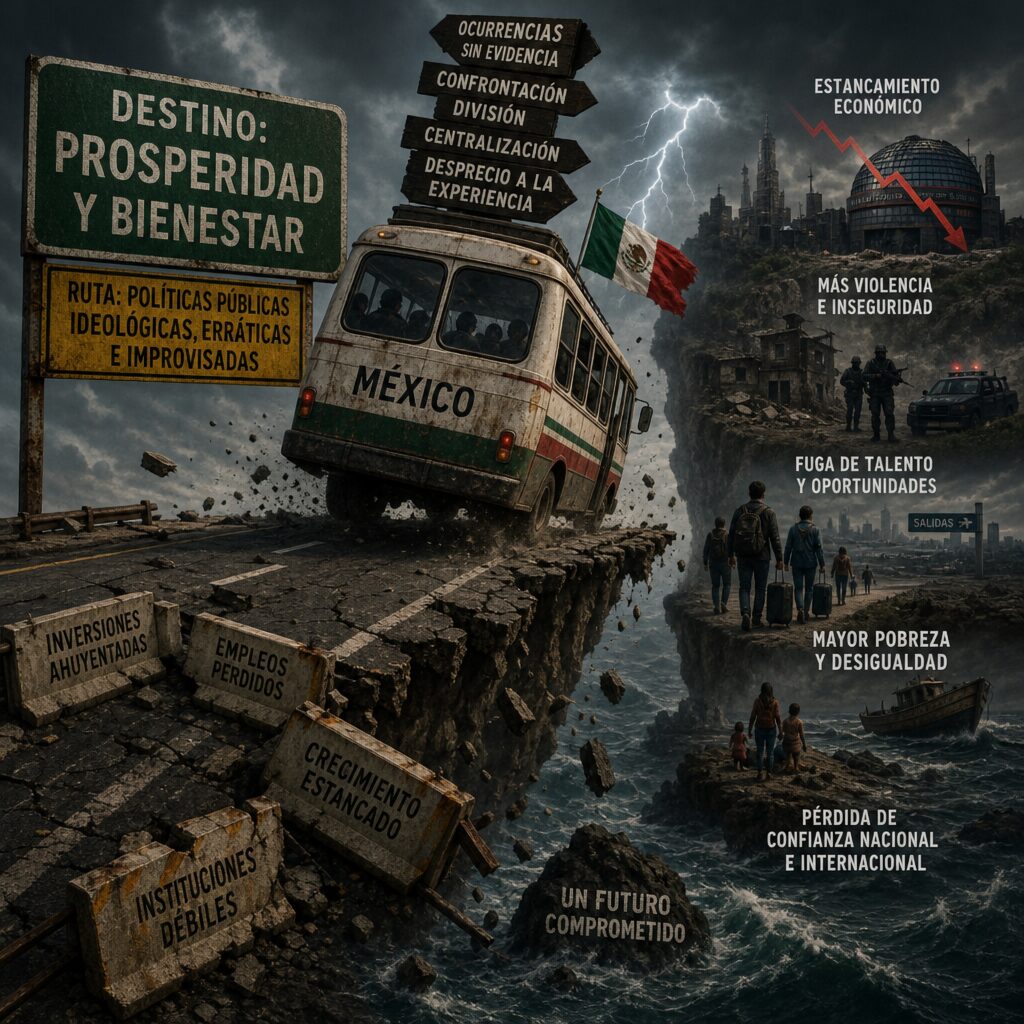
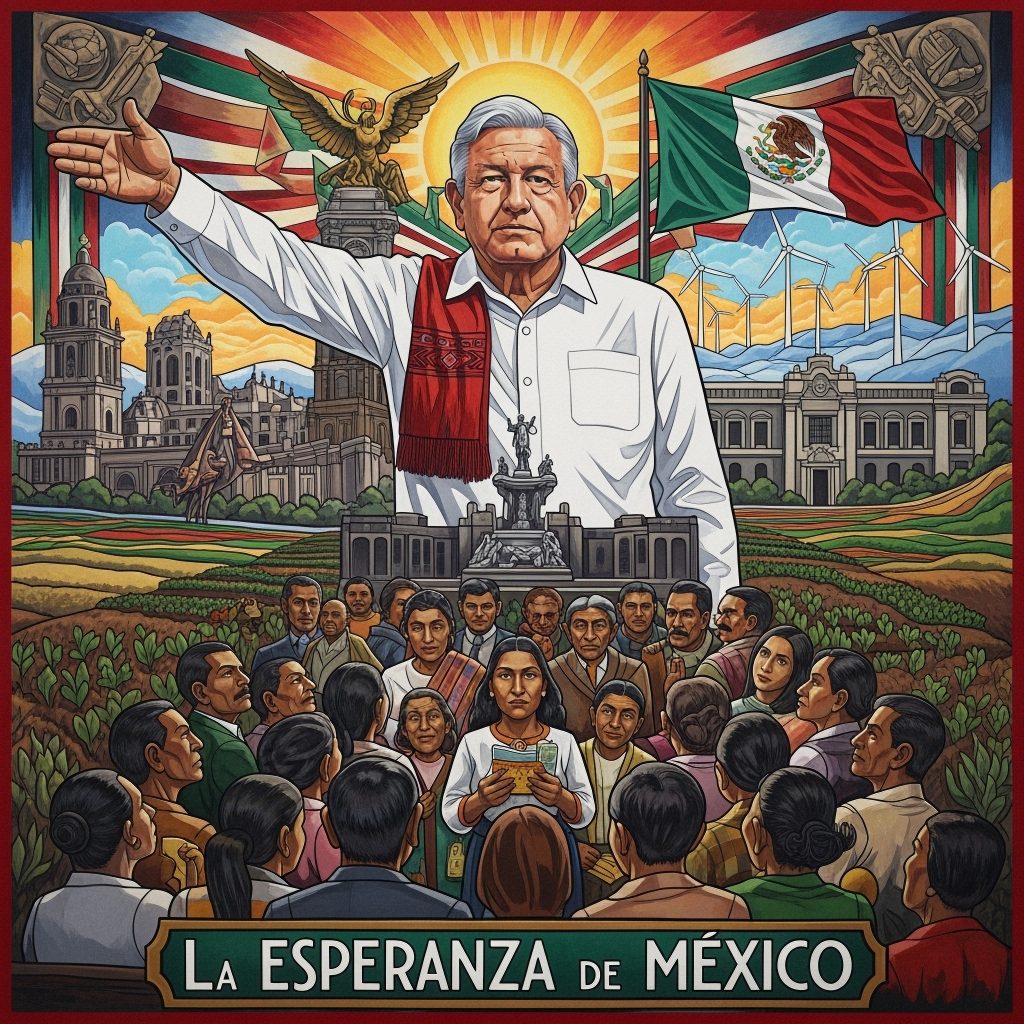
The promise of continuity—captured in the Mexican government’s slogan of building a “second floor” of the so-called Fourth Transformation—offers an obvious political advantage: the ability to preserve and deepen an existing project. But continuity also carries baggage. It ties a government not only to the achievements of its predecessor, but also to the mistakes, resentments, costs, and unintended consequences left behind.
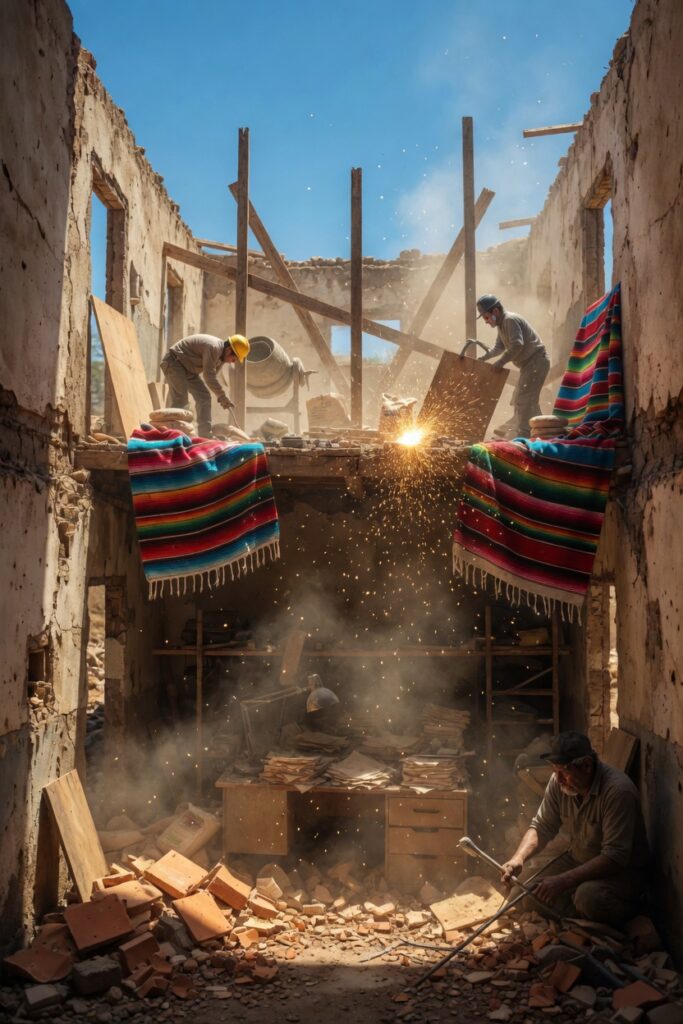
That is the dilemma facing Mexico’s current administration. Unlike most governments, which try to establish some degree of independence from their predecessors, this one has embraced near-total continuity. The legislative agenda, investment priorities, and governing framework were largely designed before the current president took office, and there has been little effort to redefine the broader course. The result is a government whose hands are increasingly tied by the very project it seeks to preserve.
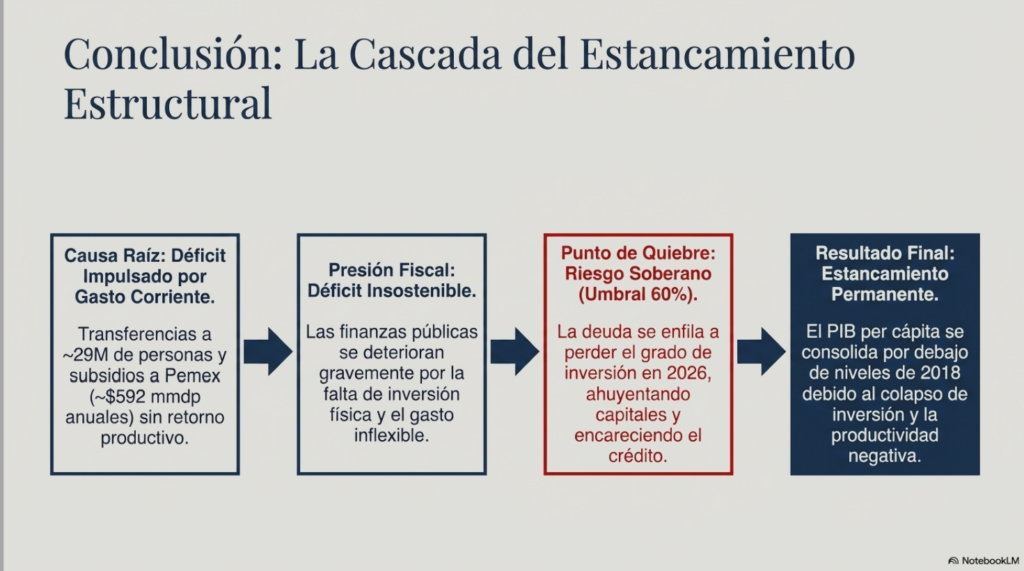
The latest warning signs came from international credit-rating agencies. Earlier this century, Mexico painstakingly built the fiscal and institutional credibility necessary to earn investment-grade status. That achievement mattered enormously: it lowered the government’s borrowing costs and opened the door to global investment capital essential for economic growth.

Today, however, that status is under pressure. Yet instead of treating the warnings as a call for urgent corrective action, the government’s response has been to attack the rating agencies themselves—shooting the messenger rather than confronting the message.

A few months ago, I spoke with representatives from one of the world’s leading rating agencies. Their assessment of Mexico was sobering. The country, they argued, still functions despite mounting contradictions. Fiscal balances remain manageable, debt is rising but not yet catastrophic, and the informal economy continues to cushion political tensions. But economic growth remains weak, institutional deterioration is gradual but persistent, and there is no coherent development strategy on the horizon.
Their central question was simple: can Mexico sustain this gradual decline indefinitely, or is the country heading toward a “discontinuity”?

That word matters.

A discontinuity can take many forms. It can be a policy correction that reverses a failed course, or it can become a full-blown crisis like those Mexico suffered in 1982 or 1995. History is full of such turning points: the collapse of Rome, Mexico’s independence, or any number of financial and political ruptures that forced nations to redefine themselves.

What determines whether a discontinuity becomes manageable reform or uncontrollable collapse is preparation, institutional strength, and political clarity. Mexico once possessed those stabilizing mechanisms. Financial crises and political shocks could be absorbed because governments retained a capable bureaucracy, functioning institutions, and enough technical expertise to respond decisively. Much of that capacity has now been weakened or dismantled.
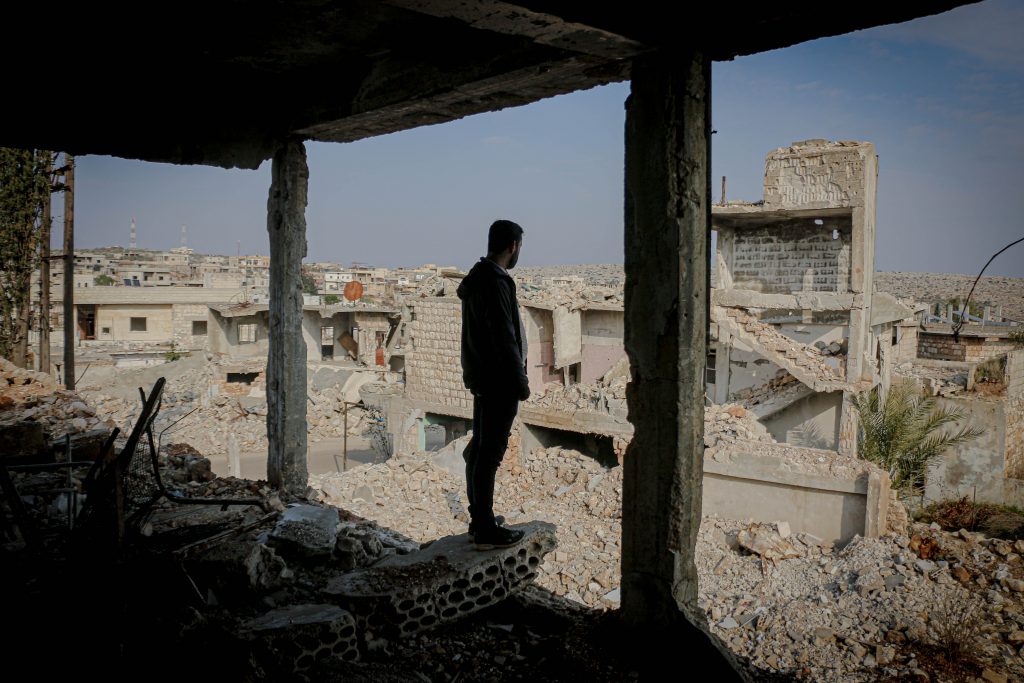
The real question, then, is whether the current government can still muster the urgency and flexibility required to confront the complexity of the moment—or whether it will continue to retreat into ideological rigidity and stale rhetoric while reality closes in around it.

The pressures are coming simultaneously from Palenque and Washington, and they increasingly collide with one another. Domestic political loyalties clash with external economic and security demands. Yet no coherent response emerges because the government remains trapped in a form of deliberate blindness.

The only viable way forward would require abandoning the false choice between obedience to domestic political orthodoxy and reactive accommodation to U.S. pressure. Mexico needs a new national strategy centered on security, institutional rebuilding, and economic growth. Achieving that would necessarily require rethinking the current political and legislative framework itself.
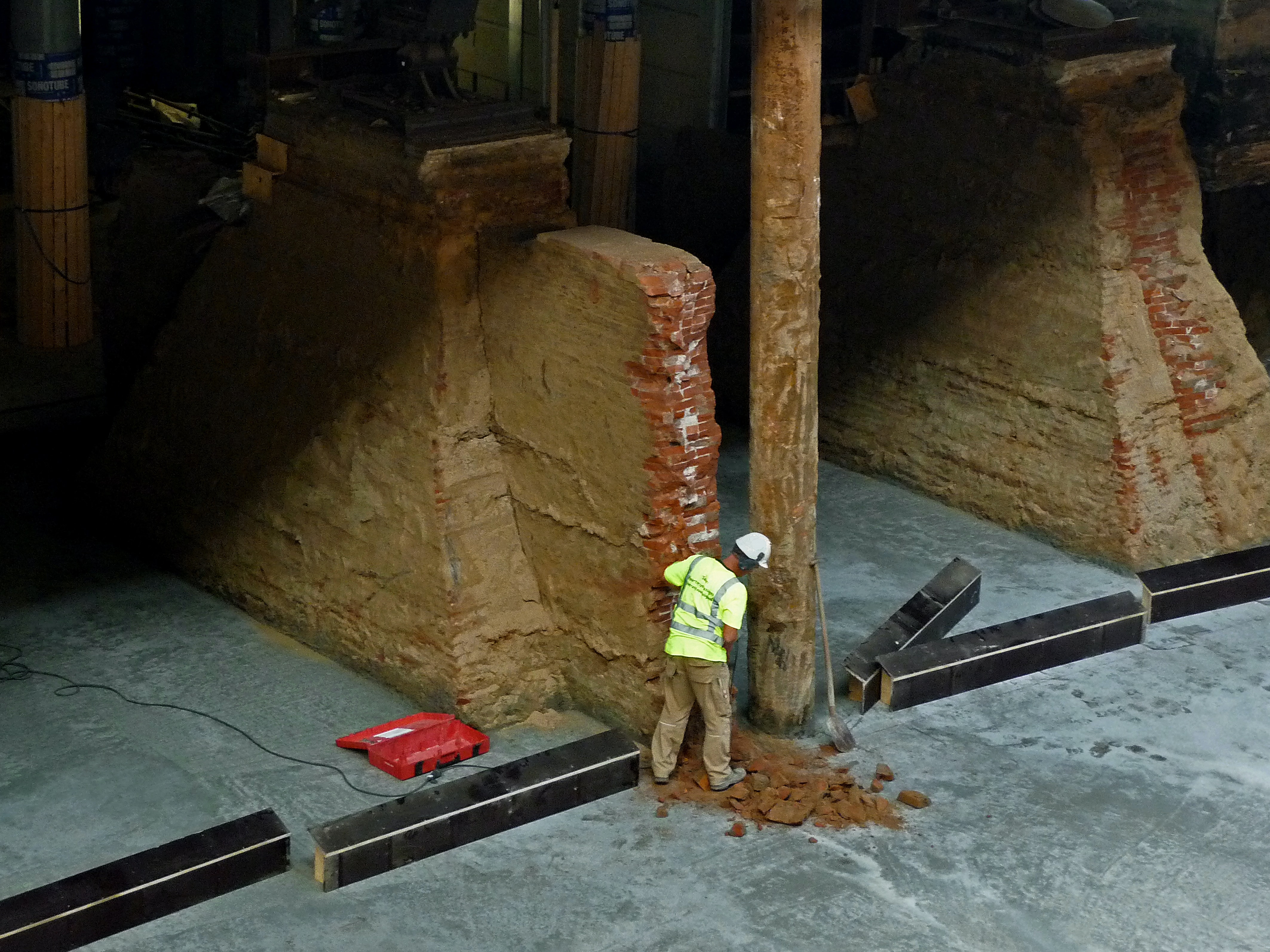
None of this would be easy. But refusing to redefine the problem guarantees that the crisis will eventually define itself.
When Charles de Gaulle returned to power in 1958, France faced what appeared to be an impossible dilemma over Algeria: retain the colony at immense moral and political cost, or abandon it and risk domestic upheaval. Rather than allow himself to be trapped between two disastrous choices, de Gaulle reframed the national interest altogether. He negotiated from strength rather than desperation and secured an exit that preserved both political order and France’s future.
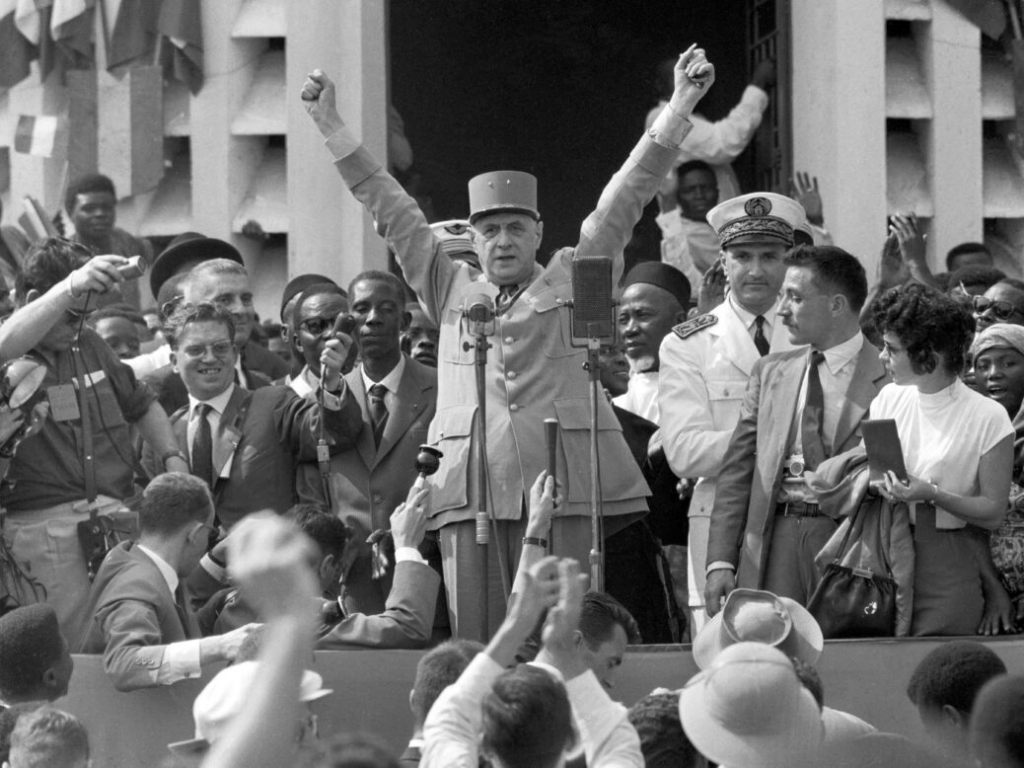
Mexico today faces a similar challenge. The solution will not come from doubling down on continuity, but from finding the political imagination to break free from it.

@lrubiof
The original Spanish version of this article can be found at www.luisrubio.mx
Further Reading: