
Luis Rubio
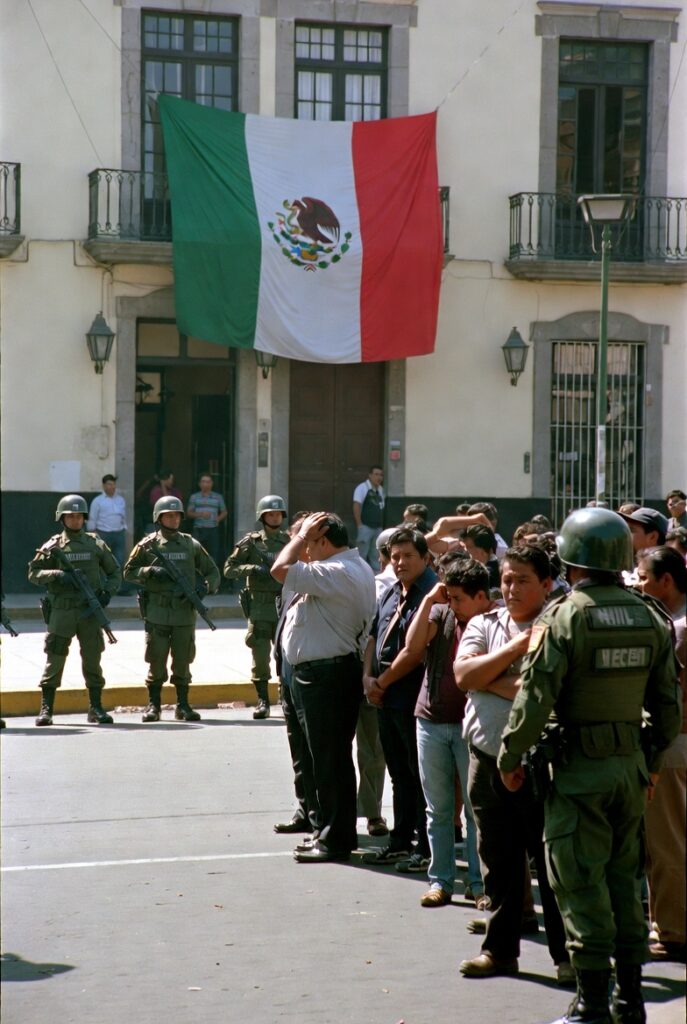
Public insecurity in Mexico has become so pervasive that it no longer dominates the political conversation. It has been normalized. Yet it remains the country’s central concern. That normalization may help explain the president’s popularity, but it does nothing to reduce the heavy toll insecurity exacts on costs, economic performance, and Mexico’s long-term potential. Against that backdrop, a narrowly legalistic and visceral response to allegations of corruption, organized crime, and drug trafficking feels not just insufficient but detached from reality.
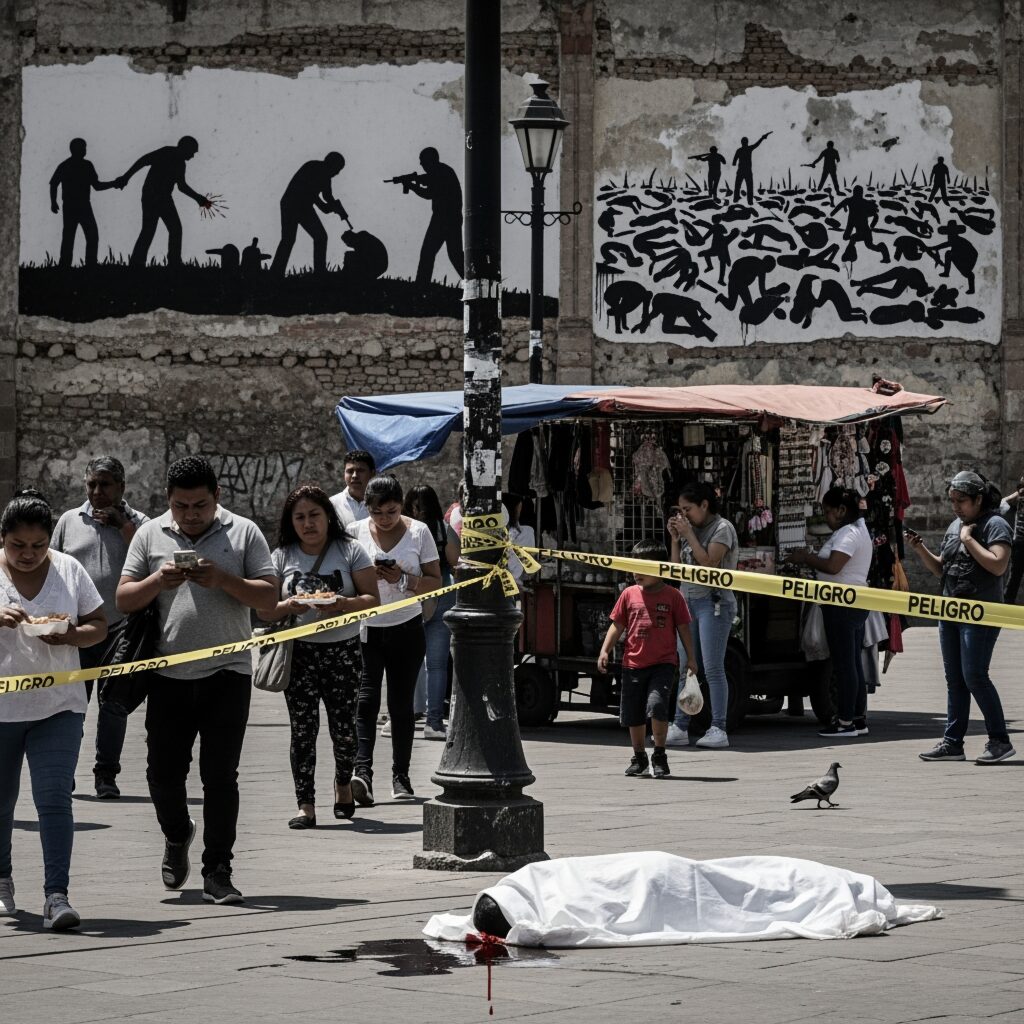
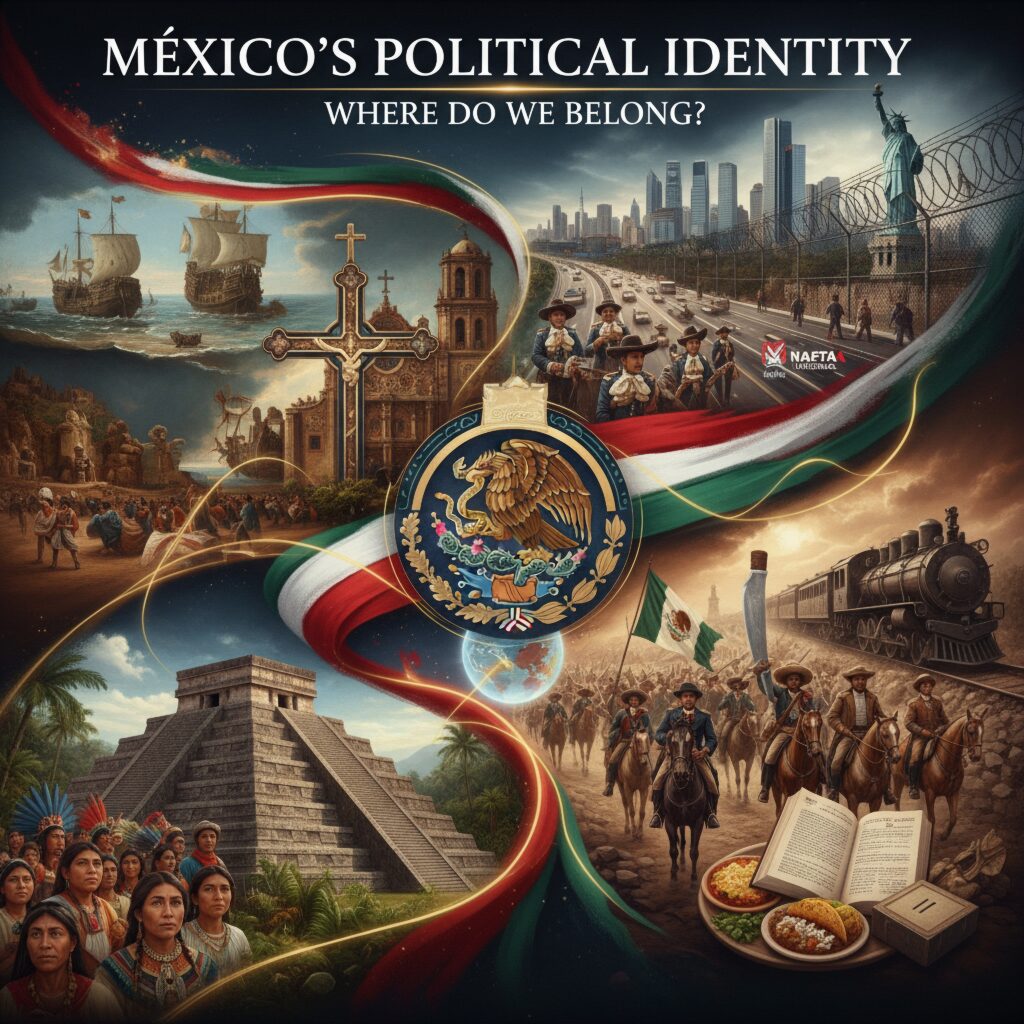
No Mexican is untouched by the country’s chronic insecurity—or unaware of how its political system has long functioned. Today’s violence is tied to the breakdown of the old order, economic liberalization, and democratization. But the deeper roots go much further back: a long tradition of corruption, abuse, and weak or predatory authority that stretches back to colonial times. Across eras, one constant stands out—power exercised arbitrarily, or not exercised at all.
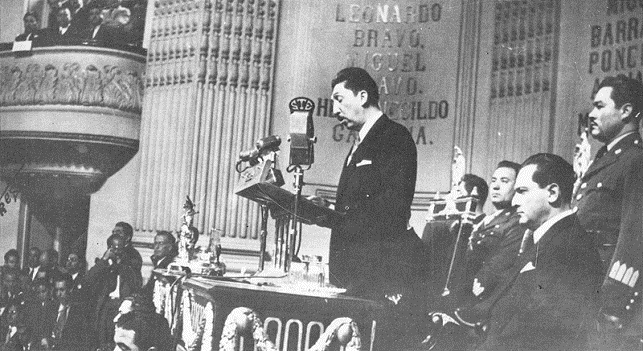
Even Mexico’s more stable and prosperous periods came with a catch. The post-revolutionary years delivered peace and growth, but often through informal bargains among power brokers—alliances with militias, criminal networks, and entrenched interests that traded stability for privilege. Governance has always relied less on rules than on tacit deals among competing factions.
In that sense, corruption has not been an aberration but a governing norm. Political loyalty has long been rewarded with access to office, to rents, to opportunity for personal gain. The culture reflects it: “Don’t give me anything—just put me where there is something.” These are not isolated practices; they are embedded habits, shared across parties, including those now in power.
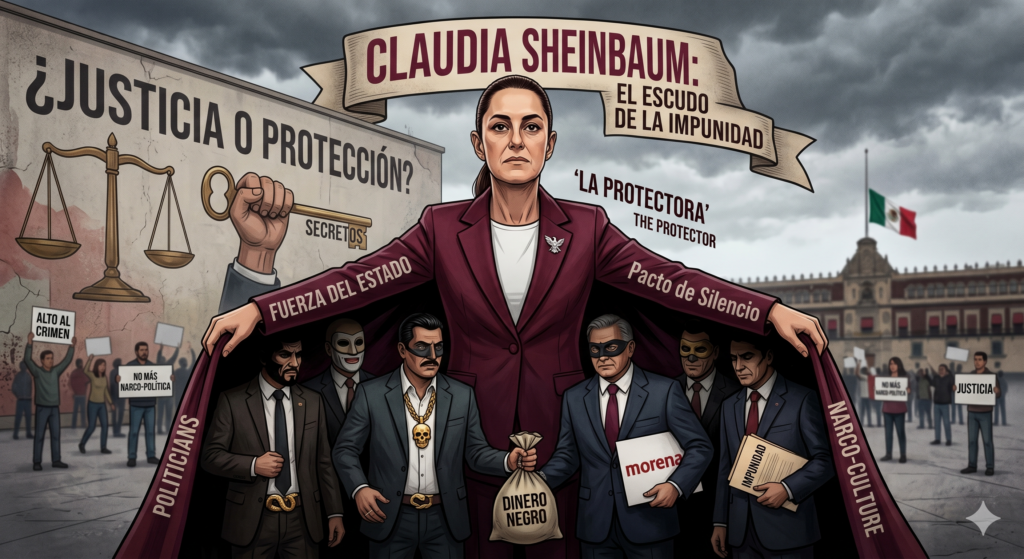
The evidence is everywhere. From small farmers historically exploited by state intermediaries, to small businesses forced to pay protection, to everyday bribes that shape daily life, Mexicans confront a system where crime and authority often blur. Add to that drug trafficking, cargo theft, human smuggling, and surging violence, and the picture is unmistakable. People see it clearly. They simply feel powerless to change it. Acceptance, in this case, is not approval—it is resignation.

This helps explain a paradox in public opinion: a popular president alongside widespread dissatisfaction with government performance. Personal approval can coexist with frustration over policy failures, especially on security.

That is why recent accusations from the U.S. government landed without shock inside Mexico. They may be politically inconvenient, but they are not implausible to a public long accustomed to such realities. Attempts to downplay them ring hollow, particularly when they name officials widely perceived as compromised. Attacking the Americans and countering with strictly legalistic rebuttal—especially in a political culture that has often dismissed the rule of law—comes across as both tone-deaf and troubling.

The president faces a difficult choice. A forceful response risks exposing fractures within her own coalition. A cautious one risks external pressure, particularly from a United States newly willing to assert itself more aggressively. Either path carries costs.

There is, however, another option: to use this moment to redefine her presidency—to break with inherited practices and articulate a credible, forward-looking agenda. In a landscape of poor choices, it may be the least damaging—and the only one that alters the trajectory.
@lrubiof
The original Spanish version of this article can be found at www.luisrubio.mx
Further Reading: