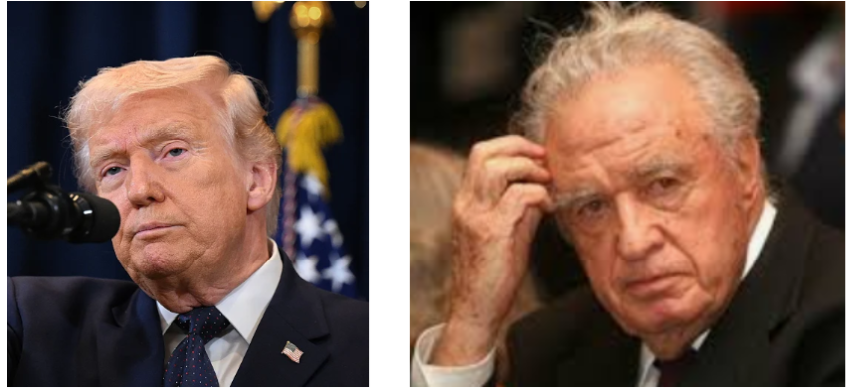
Emilio Rabasa Gamboa
The Role of Pakistan in U.S.-Iran Ceasefire Mediation
We must thank Pakistan’s Prime Minister, Shehbaz Sharif, for his mediation between Iran and the U.S. to secure a ceasefire that will pave the way for a definitive peace agreement in Islamabad, while the Strait of Hormuz reopens and the energy crisis that has the world on edge begins to ease. Pakistan (an Islamic nation of 250 million people with a 900-kilometer border with Iran) demonstrated to the combatants and the world that, at critical moments when preserving the international harmony damaged by the Russian invasion of Ukraine and the attacks on Israel, Gaza, and surrounding territories is paramount, diplomacy—and not the use of weapons or threats—remains an effective tool for the peaceful resolution of international disputes.
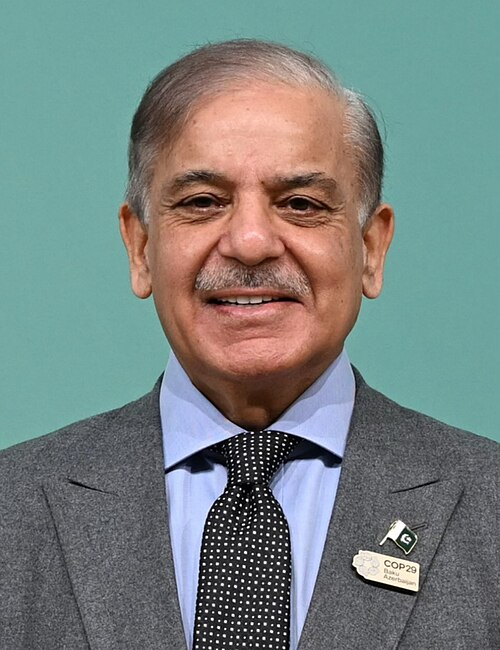
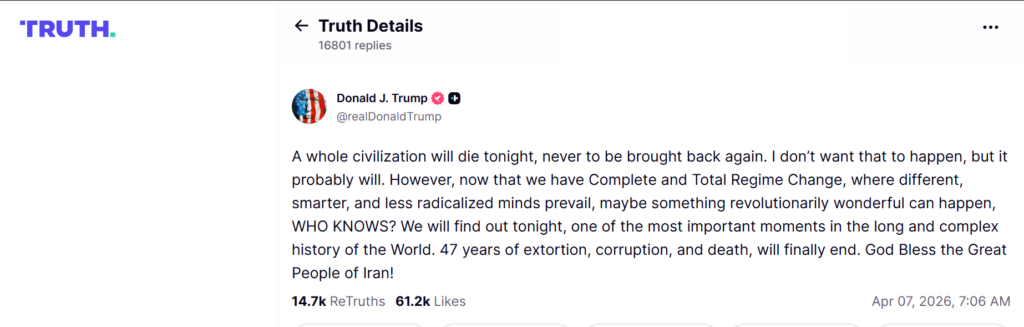
Sharif demonstrated that the timely intervention of a middle power like Pakistan can contain the fury of Trump, who, in an apocalyptic threat against the Islamic Republic, wrote: “A whole civilization will die tonight, never to be brought back again.” I do not wish for this to happen, but it is likely to occur.” This is the man who demanded the Nobel Peace Prize from Norway and now incites war.
Sharif follows the same line as Canadian Prime Minister Mark Carney, who also appealed to middle powers in Davos to halt Trump’s ambition to swallow up Greenland, defying Denmark and NATO.
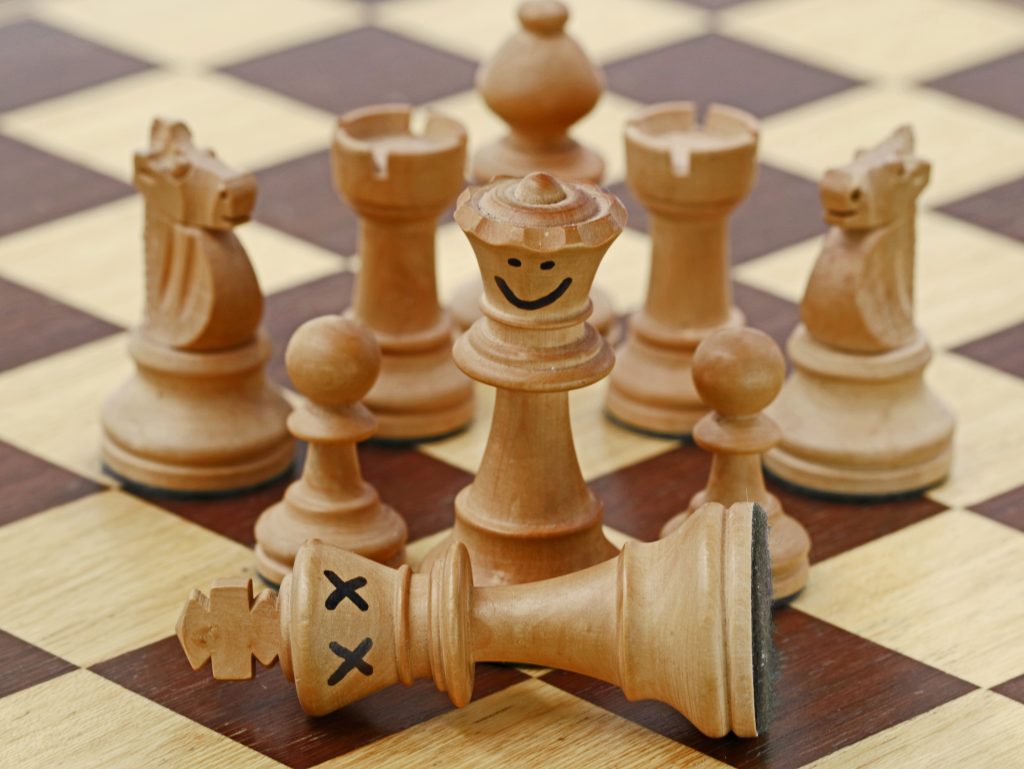
Another far-reaching effect of the agreement is to halt the U.S. strategic move on the global chessboard aimed at “checkmate” in an energy chess game that had characterized it by multiple alternatives, routes, and markets. Now the U.S. dominates the world’s main energy corridors through geopolitical maneuvers in Europe, Ukraine, Syria, Venezuela, Iran-Qatar, to control hydrocarbon flows and strengthen the dollar; all that remains is the masterstroke of subduing Iran (Martín Varsavsky, “The Great Energy Strategy of the United States,” Infobae portal – March 26, 2026)
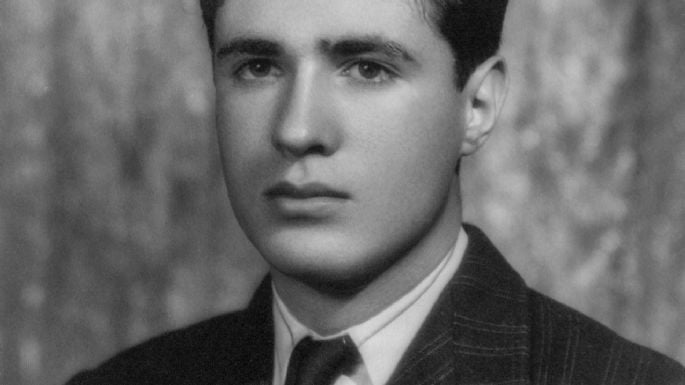
—Julio Scherer– in memoriam. A Legacy of Truth in Journalism
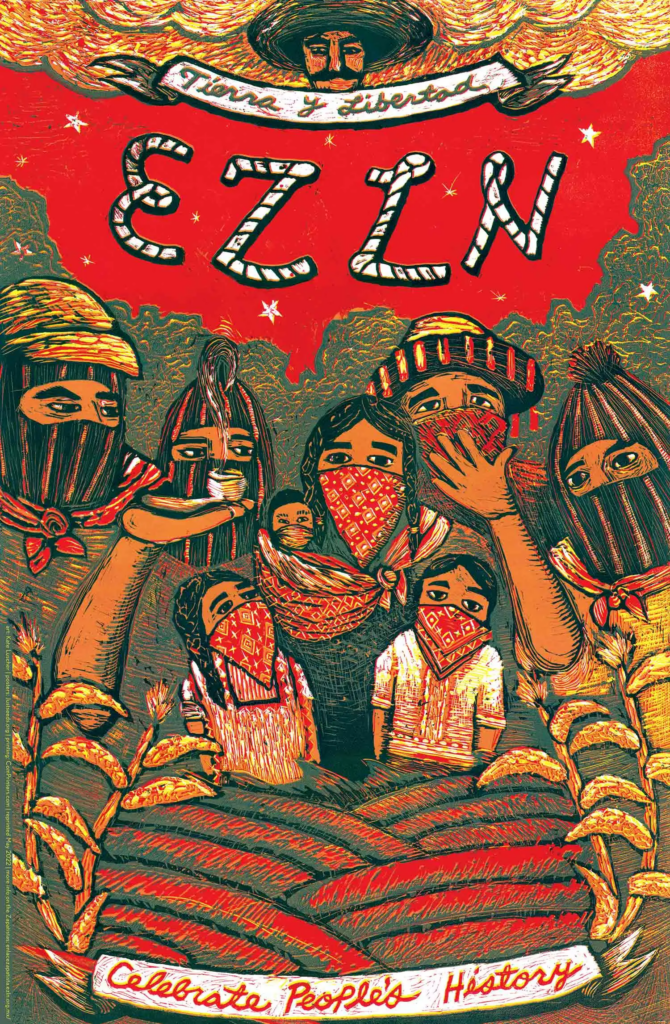
Two days ago, on April 7, marked the 100th anniversary of Julio Scherer García’s birth in 1926, whom I had the opportunity to meet in 1998, when I was the peace coordinator in Chiapas, and to hear his advice regarding the conflict with the Zapatista Army of National Liberation. I recall one forceful and accurate piece of advice: “At all costs, we must ensure the silence of the guns.”
“He was born to make people uncomfortable. To speak out when others were silent… Scherer made freedom of expression …a way of life,” Ana Scherer tells us. Andrew Paxman captures him beautifully in an interview by Rodrigo Hernández, both in the recent commemorative issue of Proceso: “Julio Scherer’s relationship with power was a kind of tango: a dance of mutual seduction and improvisation, but never of conquest.” Scherer, like very few journalists, had the great talent of laying bare the power structure.
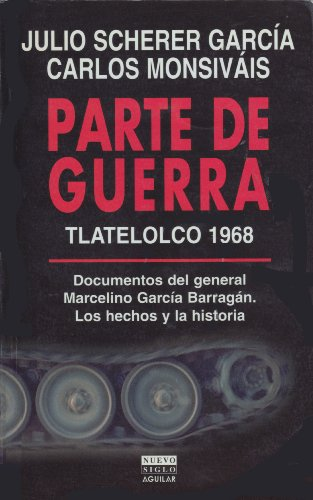
Only to Scherer could General Marcelino García Barragán, Secretary of Defense in 1968, have entrusted the truth that defined the nature of the Tlatelolco massacre on October 2—a key to understanding the movement: It was General Luis Gutiérrez Oropeza, Chief of the Presidential General Staff, who stationed snipers in several buildings in the Plaza de las Tres Culturas, who rained bullets down on students and the Army itself (Scherer and Monsiváis – “Parte de guerra, Tlatelolco 1968,” Nuevo Siglo Aguilar)
Thus, 1968 was marked by state violence against the civilian population, mostly defenseless young people. A State crime that, as Octavio Paz rightly noted in Posdata: “On October 2, 1968, the student movement ended. An era in Mexican history also ended.” The era of the hegemonic party system and a watershed moment for our democracy.

Further Reading: