
Ángel Jaramillo Torres
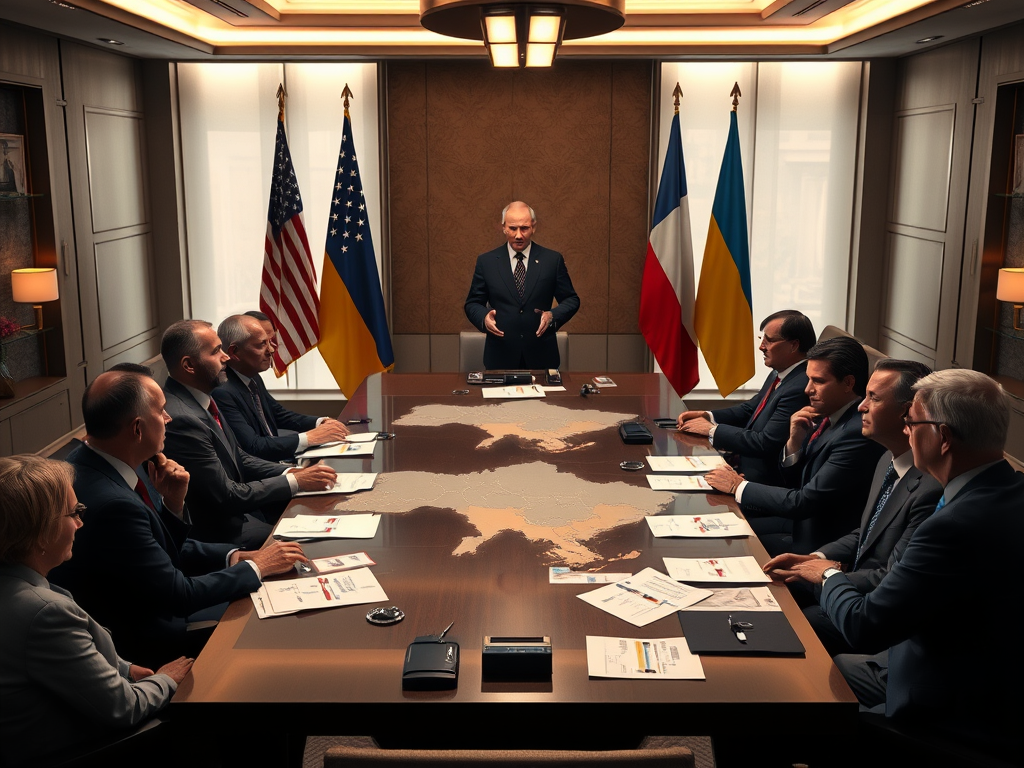
Russia’s war of aggression against Ukraine is at a critical juncture. On the diplomatic front, the meetings in Abu Dhabi and Washington held this month have become veritable laboratories for military and financial engineering. At least, that is what Washington intends.

We certainly cannot fault the Trump administration for not experimenting with imaginative forms of diplomacy. The U.S. government has set June 30 as the deadline for Moscow and Kyiv to reach an agreement, surely with an eye toward the midterm elections in November. The main obstacle to the negotiation process that began early last year has been Putin’s reluctance to accept a resolution to a conflict that his government initiated.
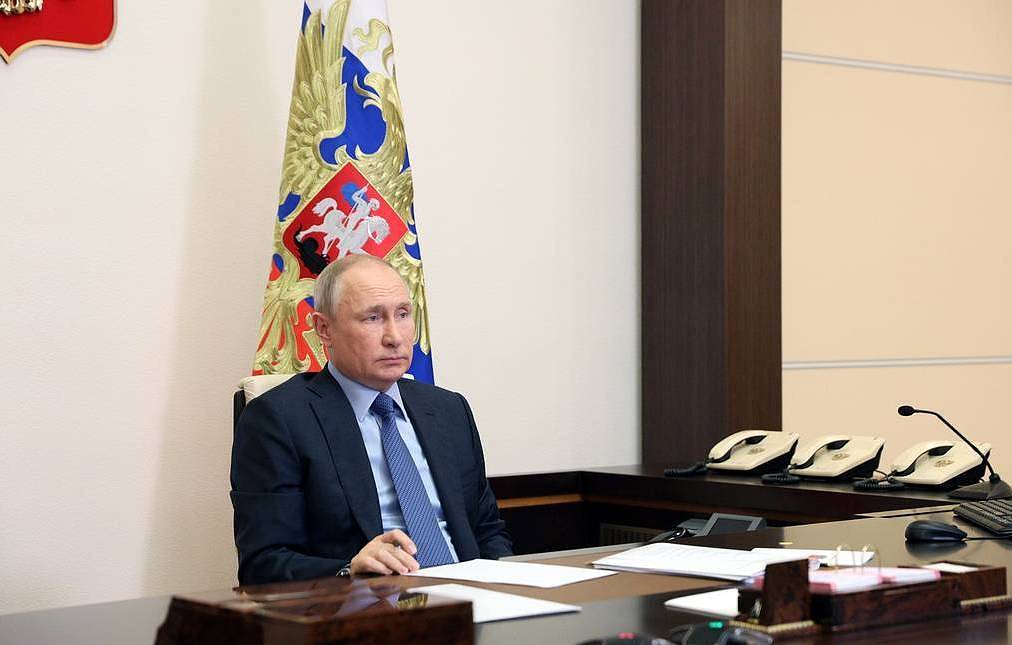
Among the mechanisms discussed is the establishment of a Reconstruction Trust Fund. This is a fund managed by the United States and private companies to rebuild the Donbas, contingent on U.S. companies having priority access to the region’s lithium and titanium. This suggests that the Trump administration’s priority is the exploitation of Ukraine’s natural resources.

Another proposal along the same lines is the establishment of a Corporate Peace Corps. Under this scheme, security in the disputed areas would not be maintained by armies, but by private security contractors funded by Europe, reducing the risk of a direct clash between NATO and Russia. It would be curious if Trump’s advisors had not read Machiavelli’s writings on the great drawback of hiring mercenaries instead of regular armies.

It is worth noting the inclusion of the tech entrepreneur Elon Musk in the negotiations, who has served as a technical advisor and proposed a satellite monitoring system to oversee the demilitarized zone. The idea is that this would replace UN observers, something Russia seems to approve of, but which Ukraine fears could be susceptible to sabotage. All of this seems both fantastic and extraordinary. The problem with these proposals is their speculative—and perhaps utopian—nature when we consider the reality on the ground.

Despite these proposals, which seem plucked from Trump’s most famous book—The Art of the Deal—there are currently three “red lines” that prevent a final agreement: On the one hand, there is the issue of the Automatic Return Clause, or Snapback. This is a system favored by the Zelenskyy administration so that, in the event Russia attacks again, U.S. sanctions and the massive supply of weapons are automatically reactivated. Putin, of course, categorically refuses this and instead demands the total and permanent lifting of sanctions as a precondition.
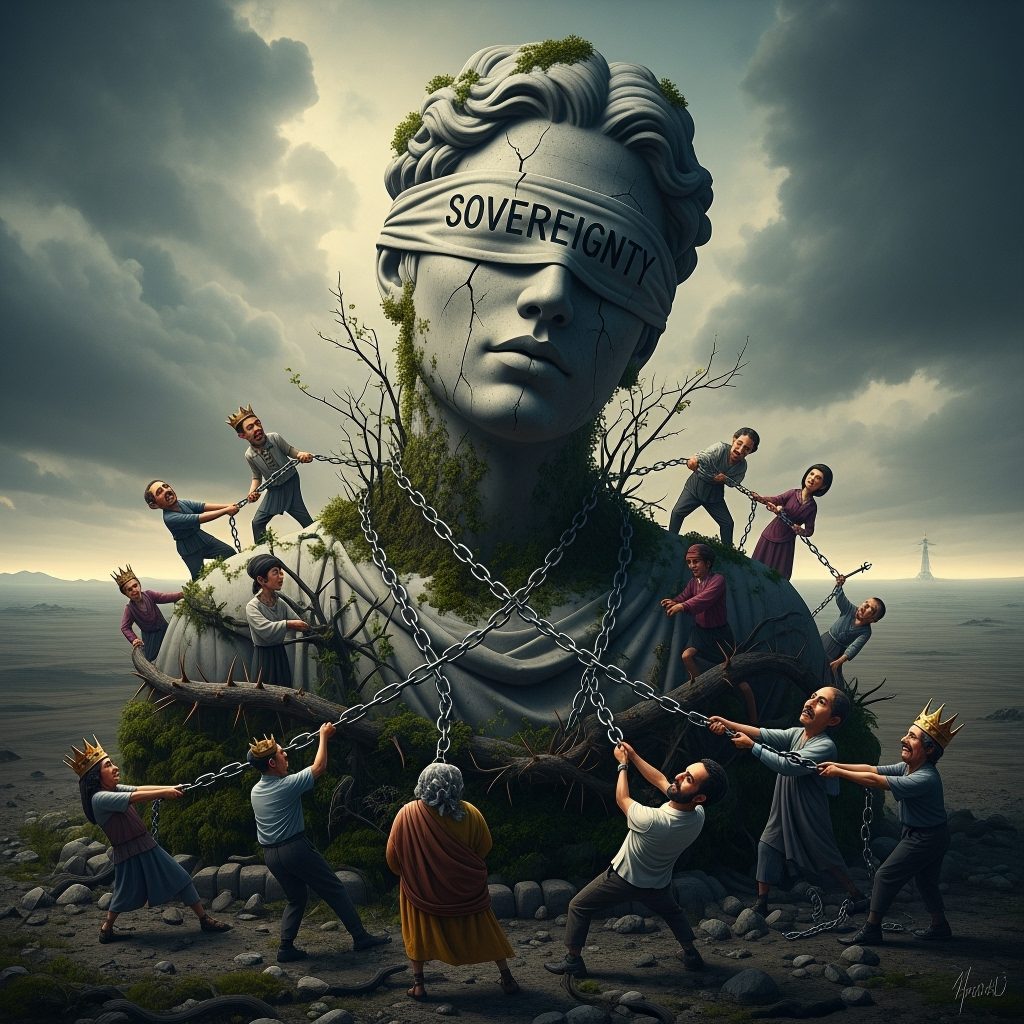
The second point concerns Ukrainian sovereignty. Trump’s plan proposes that Ukraine retain theoretical sovereignty over the Donbas, but that Russia hold civil and military administration for 20 years. Zelenskyy argues that this is a covert annexation and that it would be politically suicidal to accept it before his own people.
Finally, there is the future status of NATO. Although Trump is willing to sacrifice Ukraine’s entry into NATO, the U.S. Congress and allies on the eastern flank—such as Poland and the Baltic states—are blocking any agreement that does not include a robust defense guarantee for Ukraine. While these agreements are being finalized, the war over Ukraine continues, with its message of death.

Further Reading: