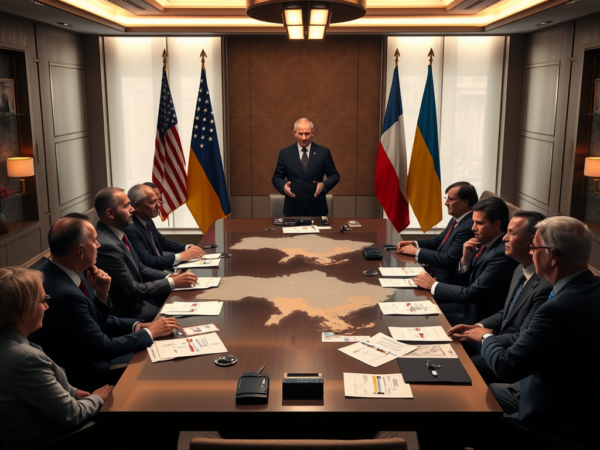

Negotiating Peace: The U.S. Strategy in the Ukraine Conflict.

Russia’s ongoing aggression in Ukraine faces diplomatic challenges, with the U.S. pushing for agreements by June 30, coinciding with elections. Key obstacles include Putin’s rejection of settlements, Ukrainian sovereignty concerns, and NATO’s status. Proposed solutions, like a Reconstruction Trust Fund, reflect resource exploitation ambitions, highlighting the complexities of negotiations.

Youth Challenges in Modern Society.

The text examines the complexities faced by contemporary youth, including the romanticization of youth as a positive force while grappling with issues like unemployment, mental health, and educational challenges. It highlights their frustrations with societal structures and questions the efficacy of youth participation in political movements, emphasizing the need for nuanced understanding and diverse solutions.

The Importance of Rules and Their Compliance.

Rules are essential for creating order and enabling cooperation within society. They define acceptable behavior, protect individual rights, and facilitate complex interactions. However, the effectiveness of rules relies heavily on their enforcement. Without fair and consistent enforcement, rules become mere suggestions, eroding trust and potentially leading to chaos.

The Amputation Of The Mexican Republic.

The text discusses the evolution and significance of constitutions globally, highlighting examples from various nations. It emphasizes the importance of adapting legal frameworks to foster democracy and cultural values. However, it notes a concerning regression in Mexico’s political culture, influenced by the leadership’s failure to uphold democratic principles and the rule of law.

Trump’s Impact On The US Global Leadership.

The post discusses the importance of legitimacy in power, emphasizing that economic strength alone is insufficient for true leadership. It critiques Trump’s leadership, arguing that he jeopardizes the U.S.’s influence on global affairs, essential for promoting peace and stability, as exemplified by historical frameworks like the UN and Marshall Plan.

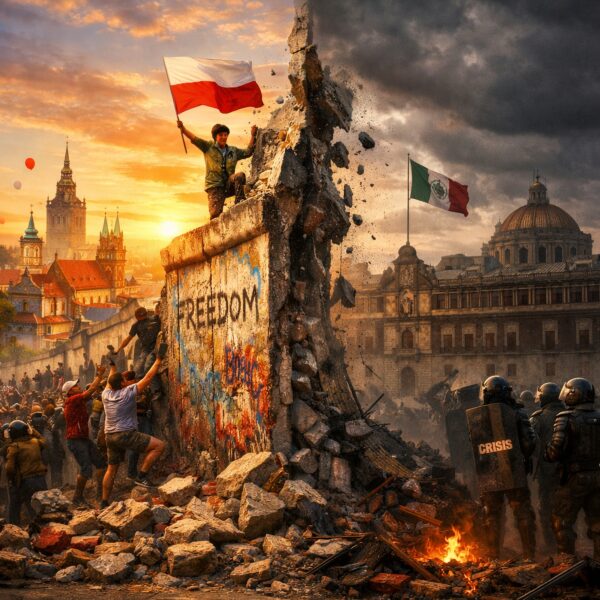
The Aftermath of the Berlin Wall—and Mexico’s Missing Lesson.

The fall of the Berlin Wall in 1989 allowed Eastern European nations to reshape their political and economic landscapes. While countries like Poland thrived under effective leadership, Mexico’s current government, lacking opposition and relying on flawed policies, is likely headed for stagnation. This raises concerns about the sustainability of its strategies.

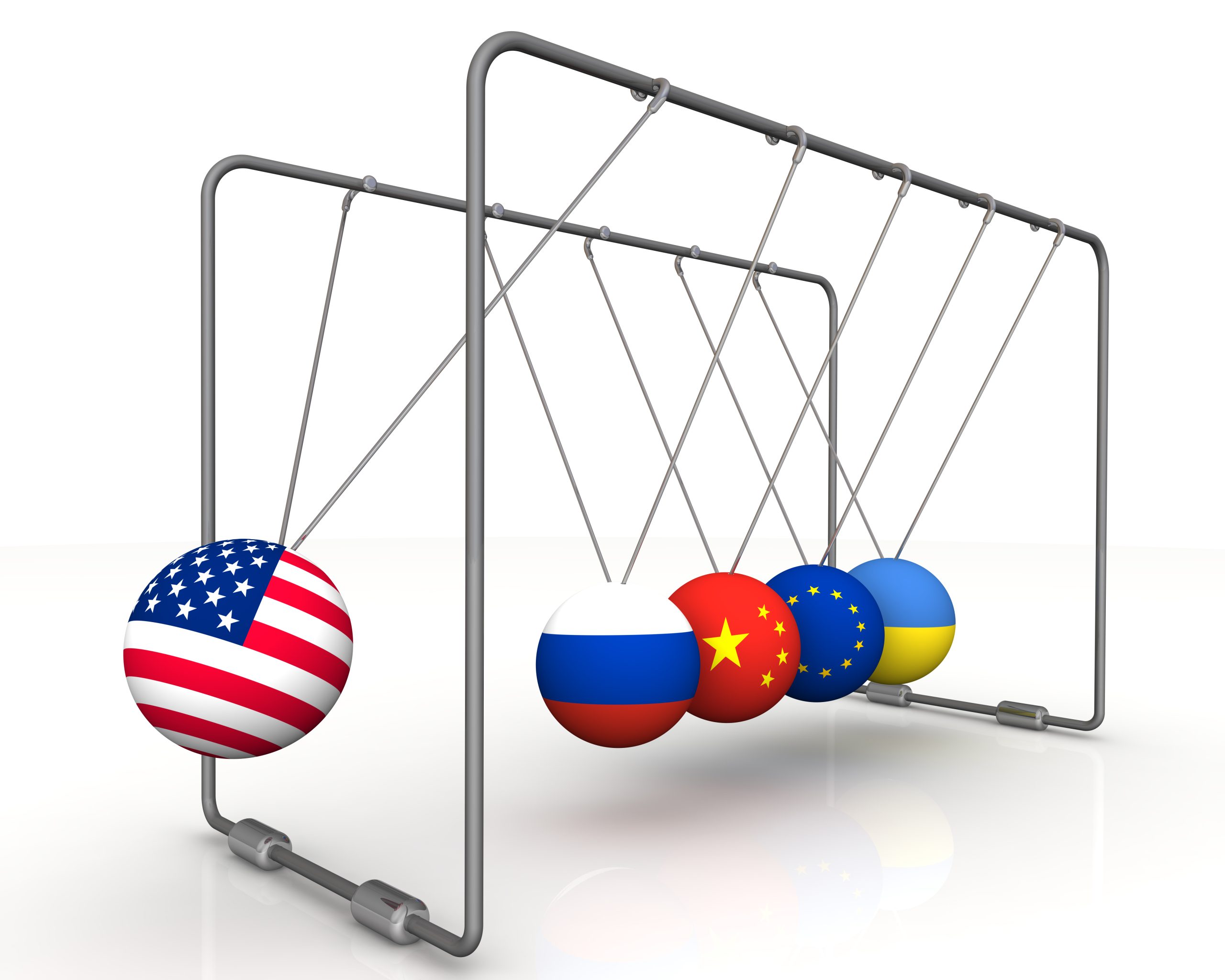
Two Must-Watch Videos on the Geopolitics of the U.S, Russia, and China Relationship.

Professor John Mearsheimer discusses how sanctions intended to weaken Russia have inadvertently fostered a multipolar world challenging U.S. hegemony. Analyzing Jeffrey Sachs’ insights, Mearsheimer highlights Russia’s economic strategies, BRICS expansion, and the decline of dollar dominance, emphasizing the need for the West to adapt or face potential chaos.

Tariffs, Justice, and Mexico’s Future.

The text emphasizes the unpredictability of current global circumstances, highlighting the challenges faced by countries like Mexico, France, Italy, and Spain. It discusses economic realities, social tensions, and the impact of immigration and crime. The need for effective leadership and cooperation for stability and justice is stressed, particularly concerning tariffs and accountability.

Gold Prices Spike to Historic High: Key Factors Behind the Surge

Gold prices hit a record high of $3,508.50 per ounce, driven by anticipated US interest rate cuts and investor uncertainty. Central banks’ increased gold purchases reflect a trend away from reliance on the US dollar, highlighting concerns over its stability. This shift indicates a global financial rebalancing amidst economic risks.

From Yalta to Alaska.

Eighty years after the Yalta Conference, where major powers divided post-World War II territories, the recent Trump-Putin summit in Alaska starkly contrasts in purpose and outcome. Unlike Yalta, which established frameworks for future peace, the Alaska meeting failed to address the Ukraine conflict. Their approaches and lacks of vision highlight contemporary geopolitical challenges.

Shares