
Emilio Rabasa Gamboa
As the world order collapses, the warnings of Winston Churchill and Mark Carney echo across eighty years—from the Iron Curtain to the age of the global bully.
International systems rarely die with drama. They decay slowly, almost invisibly. Their institutions remain, their language survives, but their original purpose fades: to restrain power through rules rather than force. At such moments, history produces speeches that do not reassure but warn. Churchill in Fulton, Missouri, in 1946. Mark Carney at the World Economic Forum in Davos in 2026. Eighty years apart, both calmly signed the death certificate of their respective worlds.
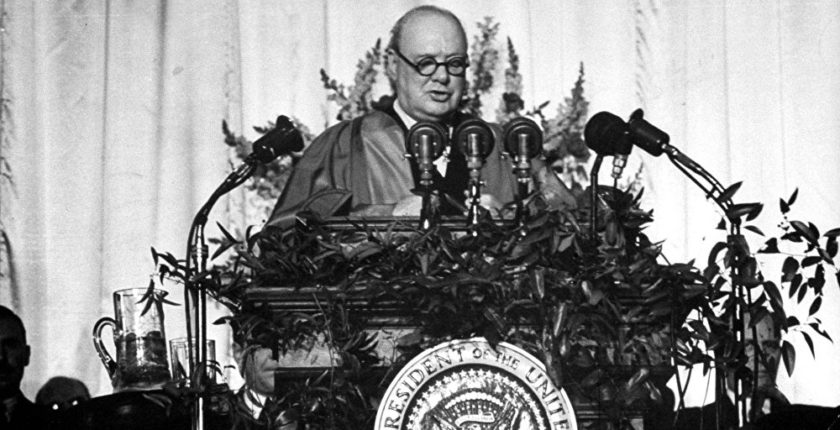
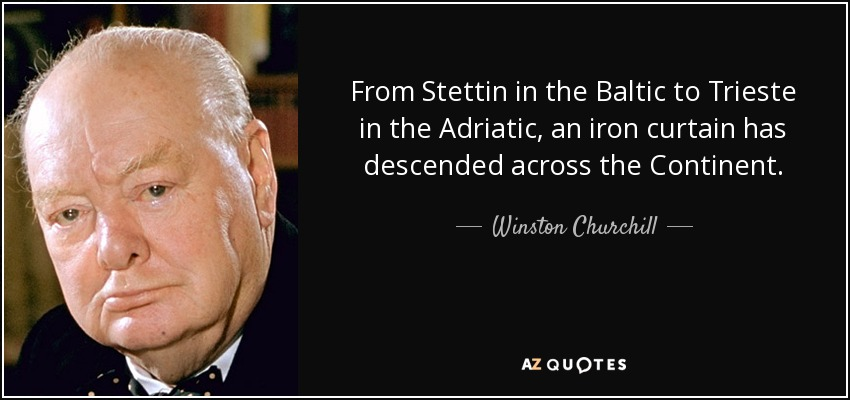
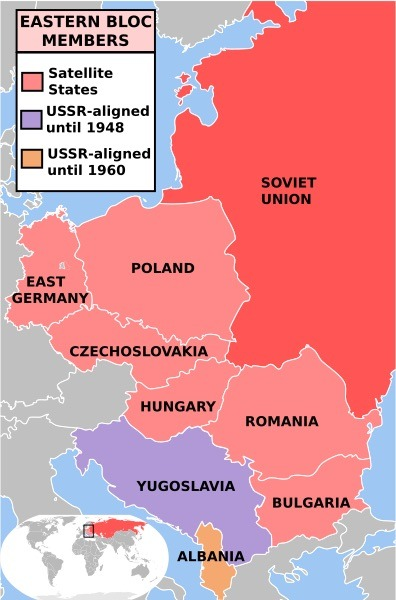
Churchill spoke at the end of the Second World War, when many still believed that the wartime alliance forged at Yalta, which had defeated Hitler, would evolve into political cooperation. Churchill was not persuaded. He chose clarity over comfort, and he said so with a powerful image that still weighs as heavily as the metal of his metaphor. “From Stettin in the Baltic to Trieste in the Adriatic,” he warned, “an iron curtain has descended across the continent.”
There was no nostalgia in his words, no mourning for a lost alliance—only recognition. The order born of shared victory had ended. The Cold War had begun. Behind the curtain lay not just territory, but societies governed by fear rather than politics, directed from Moscow. Churchill confronted Stalin, but also a West tempted to look away and pretend continuity where none existed.
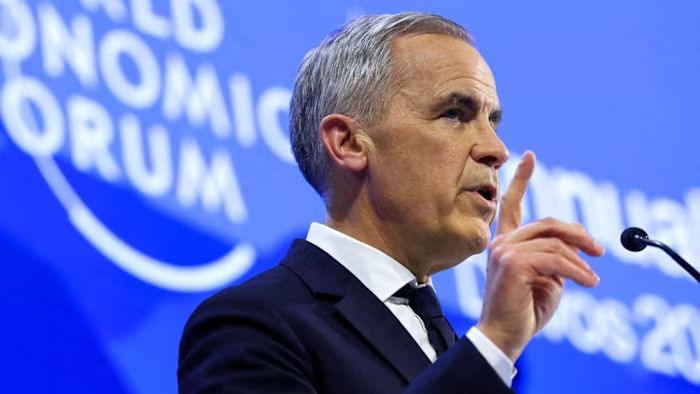
Carney now confronts a different illusion: the so-called “rules-based international order.” There are no curtains today—only treaties, markets, and soothing diplomatic language. With a single blunt assertion, he breaks the spell: this is not a transition; it is a rupture. The international system does not restrain power—it masks it.
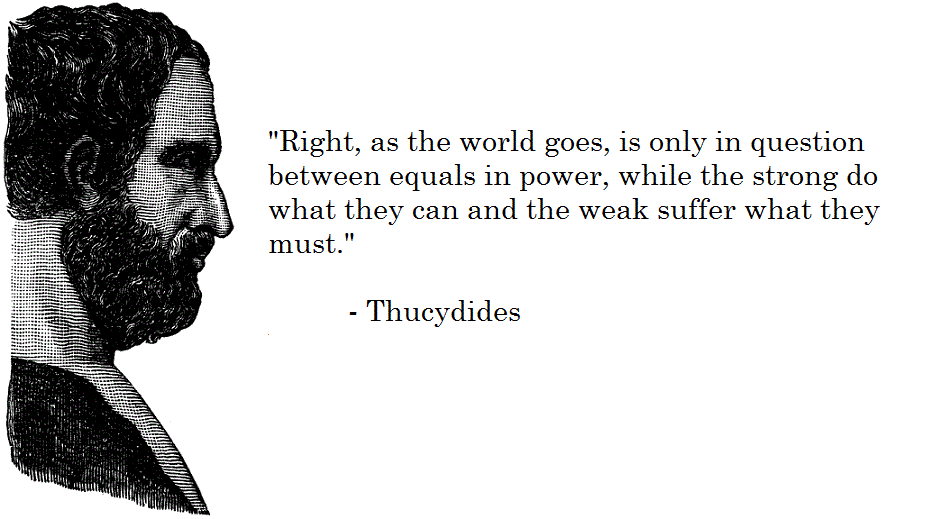
To explain this, Carney reaches back to Thucydides: “The strong do what they can, and the weak suffer what they must.” This is not cynicism but diagnosis. When rules lose credibility, power sheds its disguises.
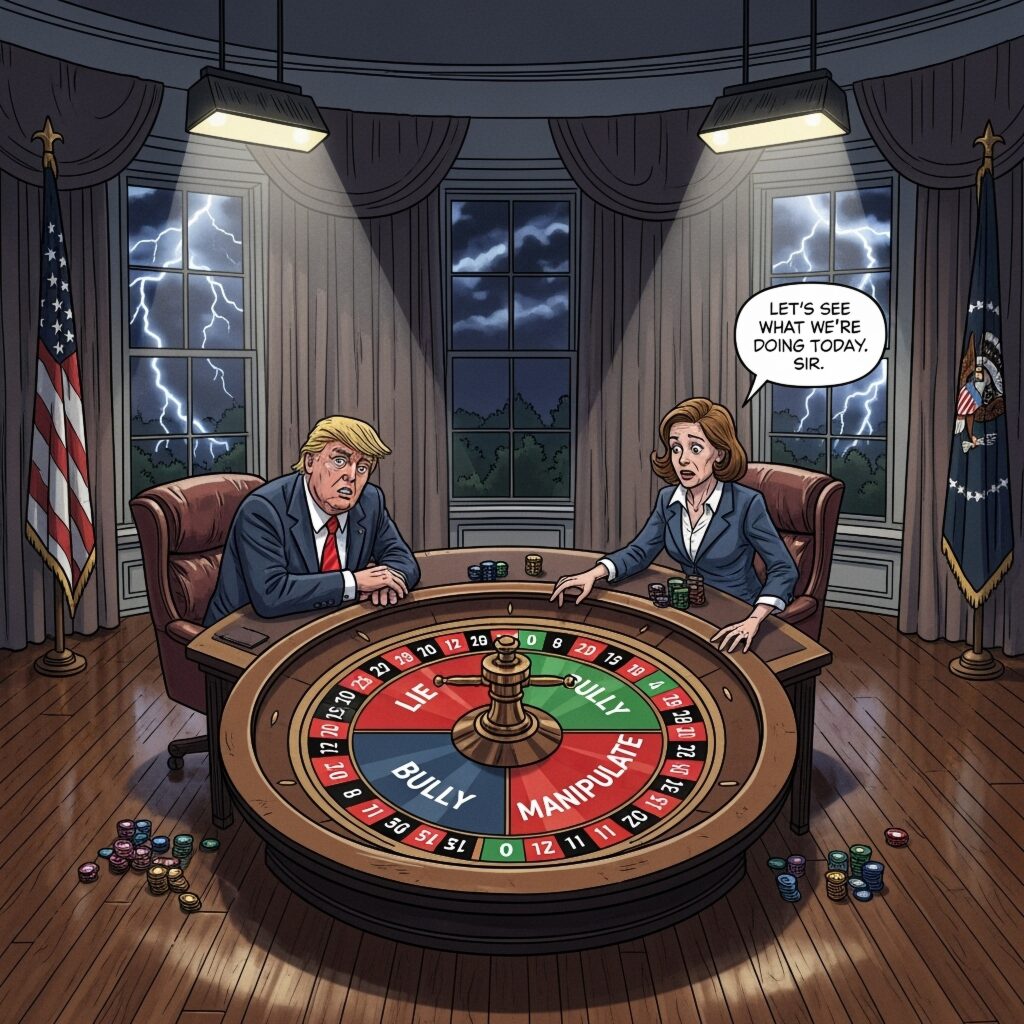
Hence, Carney’s stark metaphor of the table and the menu. In a world where a global bully can intimidate, punish, and isolate at will, those who fail to secure a seat at the table where decisions are made risk ending up on the menu.
He reinforces the point with Václav Havel’s image of the greengrocer who displays a slogan he does not believe—“Workers of the world, unite”—simply to avoid the wrath of authority. This, Carney suggests, is how many states now behave. They do not endorse abuse, but they tolerate it. The system survives through submission. Remove the sign, and the order collapses—because it was sustained by a lie.

Neither Churchill nor Carney accepts submission. Both show a rare political courage. Churchill did not yield to Stalin. Carney does not flinch before Trump. Neither limits itself to warning; both propose alternatives. They call for taking down the greengrocer’s sign, fully aware that this small act of defiance destabilizes the system that depends on obedience.

Their speeches are not elegies. They are acts of realism. Churchill proposed the Atlantic alliance that would become NATO. That alliance has just demonstrated its relevance: Greenland remains Danish, not out of sentiment, but because collective defence imposes real costs. Pentagon officials reportedly made this clear to Trump—any attempt to seize Greenland by force would trigger Article 5 and a confrontation with allied powers.
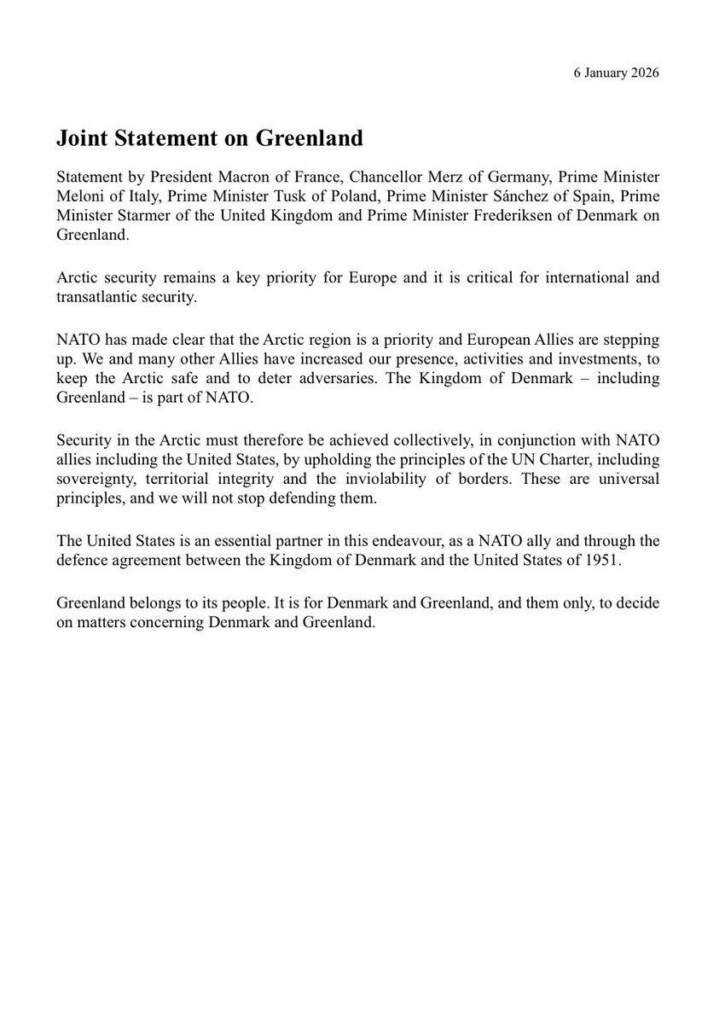
Carney, for his part, calls for a new coalition of middle powers. It was these states that reaffirmed Danish sovereignty when the bully reappeared in Davos.
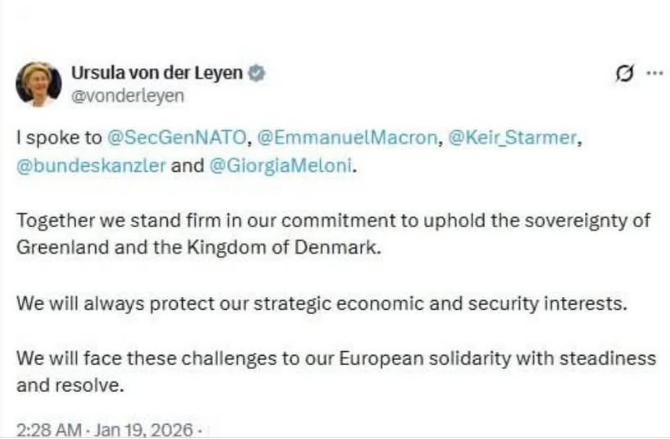
This is where Churchill and Carney converge. The Iron Curtain and the table-and-menu metaphor do not signal the end of history, but the moment when someone dares to say: this world is already gone. Saying so without fear creates the space to build another—different, and more just.
Further Reading: