
Luis Rubio
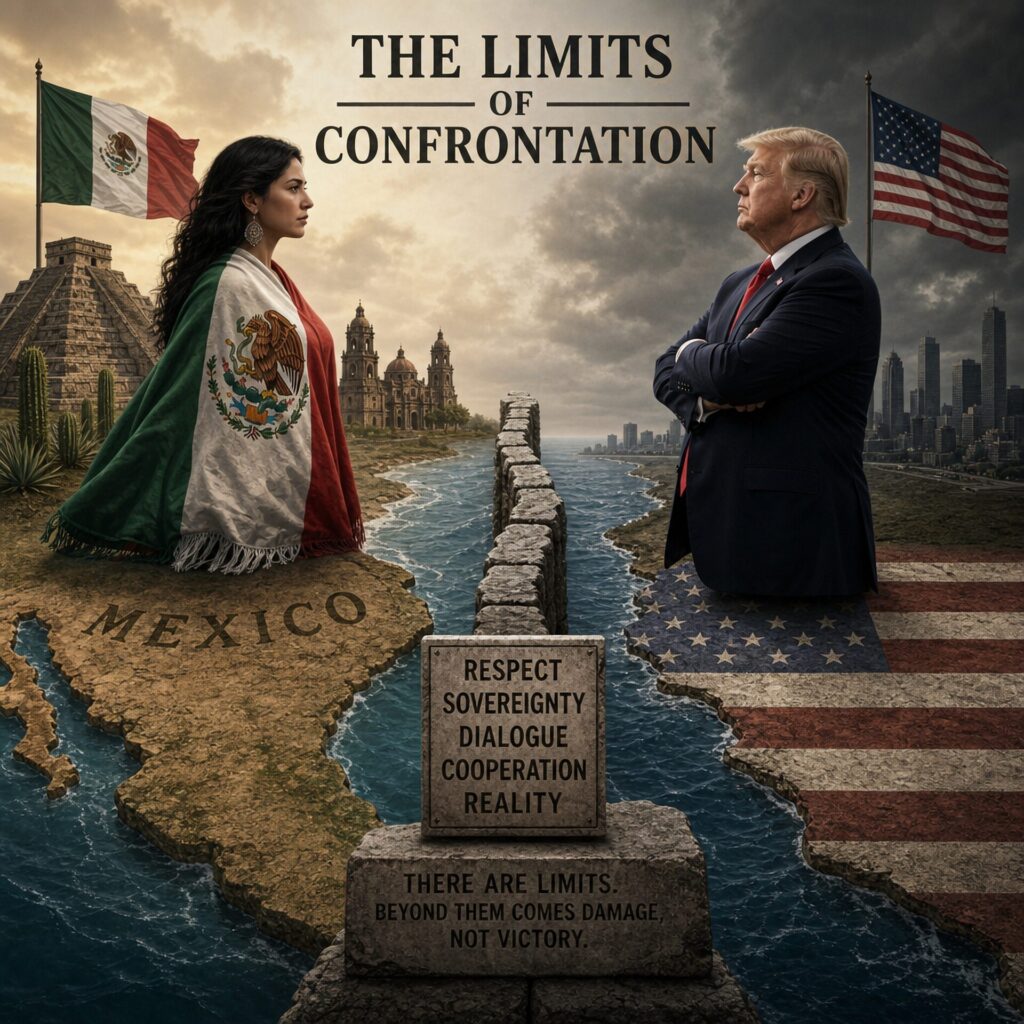
The U.S.-Mexico border has always been complicated. It is a place where people, commerce, migration, culture, and conflict converge, binding together two countries with profoundly different histories and traditions. Neither nation chose the other as a neighbor, but both have spent generations learning how to manage a relationship that is as challenging as it is indispensable.
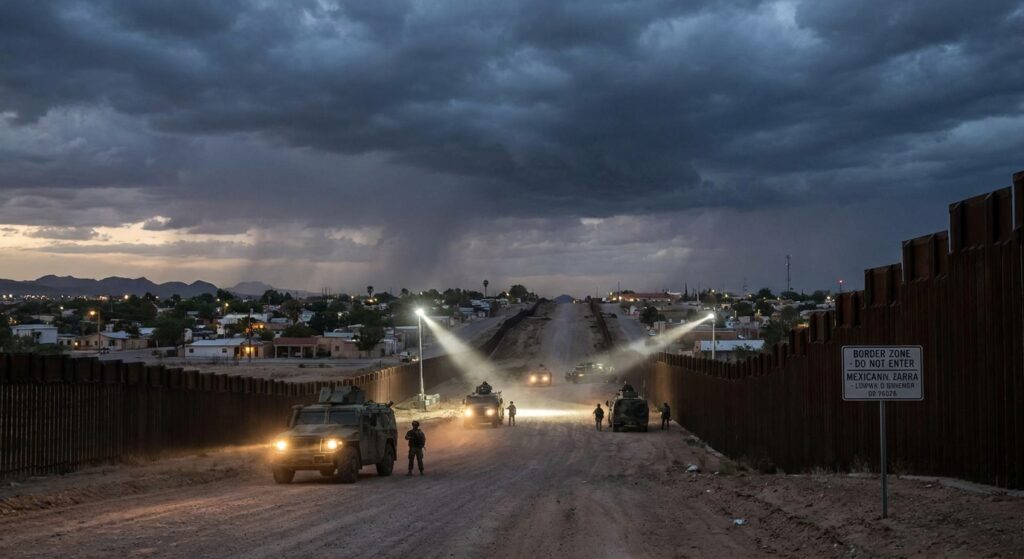
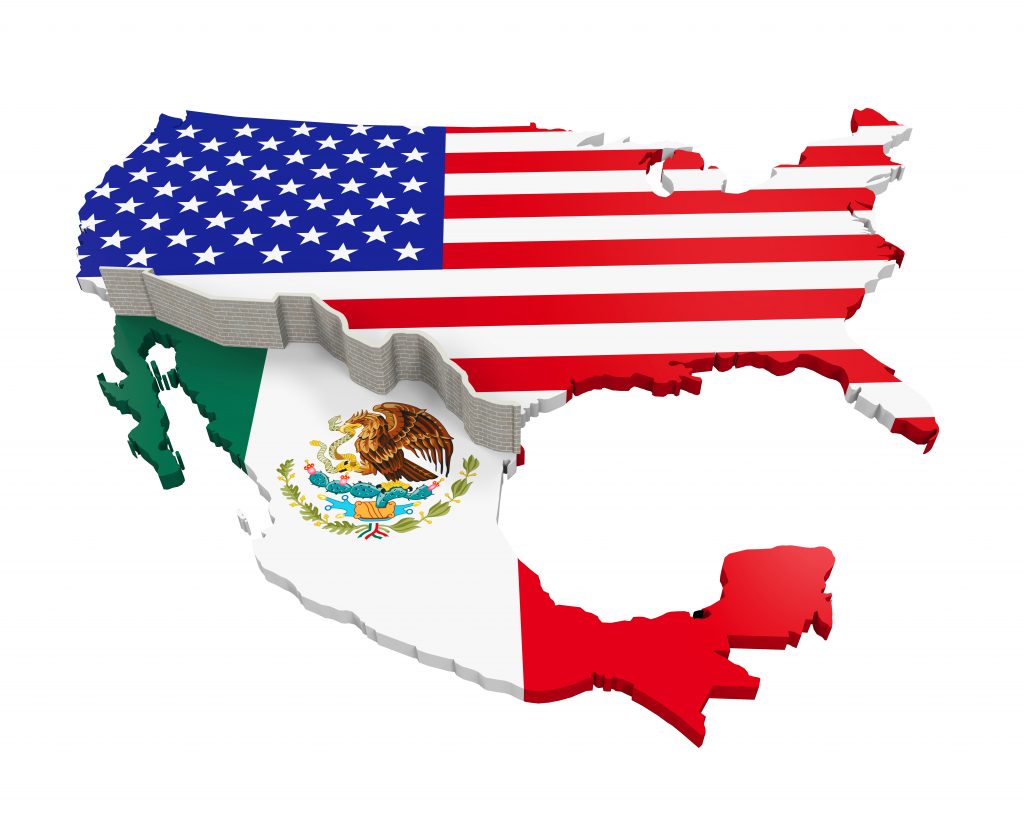
In recent years, however, leaders on both sides of the border have come to see the relationship less as an opportunity than as a source of problems. Yet geography remains undefeated: neither country can escape the reality of the other.
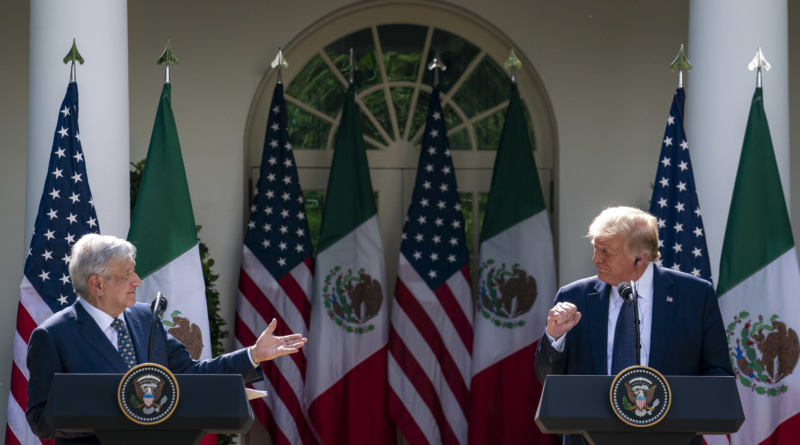
Donald Trump and Andrés Manuel López Obrador are products of the same global era. Both emerged from the economic and social upheavals unleashed by technological change and globalization. While those forces generated growth and new opportunities, they also disrupted communities, weakened traditional political structures, and left many citizens feeling abandoned.
In the United States, industrial regions that once powered the nation’s economy watched as factories closed, jobs disappeared, and entire communities struggled to adapt. Competition first shifted production to the American South and later exposed manufacturers to an unprecedented wave of Chinese imports. The Midwest became a symbol of economic displacement and political frustration.

Trump built his political appeal on that frustration. For years, he attacked free trade, globalization, and China. AMLO, meanwhile, positioned himself as the champion of lower-income Mexicans and the urban middle classes who felt excluded from economic progress. Both men cultivated loyal followings by presenting themselves as defenders of those who believed they had been left behind.

Their similarities extend beyond politics. Like many populist leaders, both have been deeply contradictory figures—beneficiaries of systems they condemned and often blind to the corruption and abuses within their own circles. The consequences, however, differ. The United States possesses institutions strong enough to absorb severe political shocks and eventually correct course. Mexico’s institutions are far more fragile, and the damage inflicted in recent years could linger for decades.

That institutional weakness is now at the center of Mexico’s challenge. While Washington increasingly views Mexico through the lens of national security, Mexico continues to struggle with a reality that can no longer be ignored: organized crime has become a powerful force that not only traffics narcotics but also corrodes public trust, weakens government authority, and tears at the country’s social fabric.

Pretending otherwise serves no one. Mexico lacks the institutional strength necessary to confront this threat effectively, and the problem has worsened over the past two administrations. Acknowledging that reality is the first step toward addressing it.

The irony is that the very issue that now generates so much tension between Washington and Mexico City could also become the basis for renewed cooperation. Fighting organized crime is not merely a Mexican imperative; it is a shared interest. Security, unlike trade disputes or political rhetoric, is a challenge neither country can solve alone.

The U.S.-Mexico relationship has survived wars, economic crises, ideological clashes, and political upheaval. It will survive the current moment as well. But doing so will require both governments to recognize a simple truth: they remain bound together by geography, economics, and mutual necessity. The most constructive path forward is not confrontation, but cooperation—especially in confronting the criminal networks that threaten both nations and the stability of the border they share. Other dimensions of the bilateral relationship would naturally follow.

@lrubiof
The original Spanish version of this article can be found at www.luisrubio.mx
Further Reading: