
Antonio Navalón
Everywhere and in every place, there is a day that seems to last forever: the day when a long wait comes to an end, the inertia of power is broken, and—in the midst of a desperate world—the essential question about what it means to be human emerges. This is not a passive presence, but rather an exercise, a challenge, and a manifestation of the human spirit. That, for me, is what can still sustain humanity.
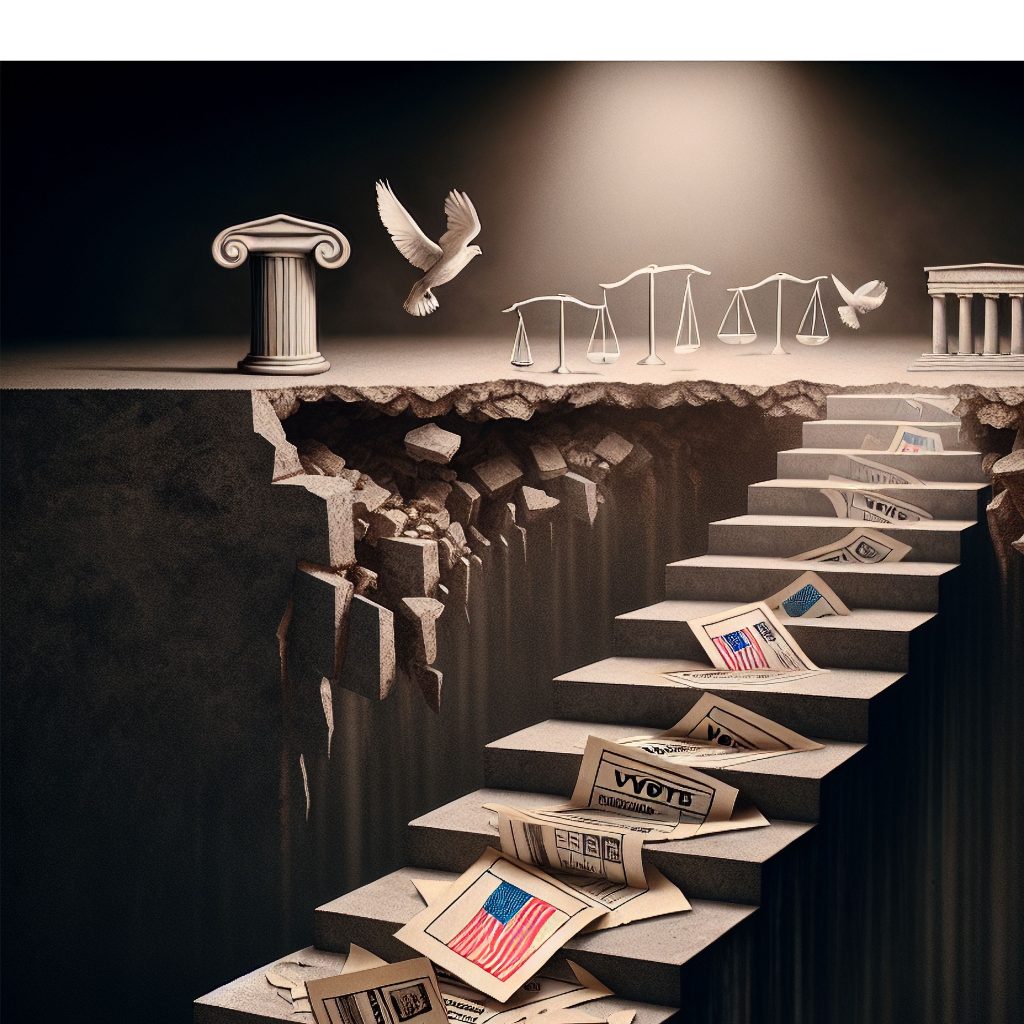
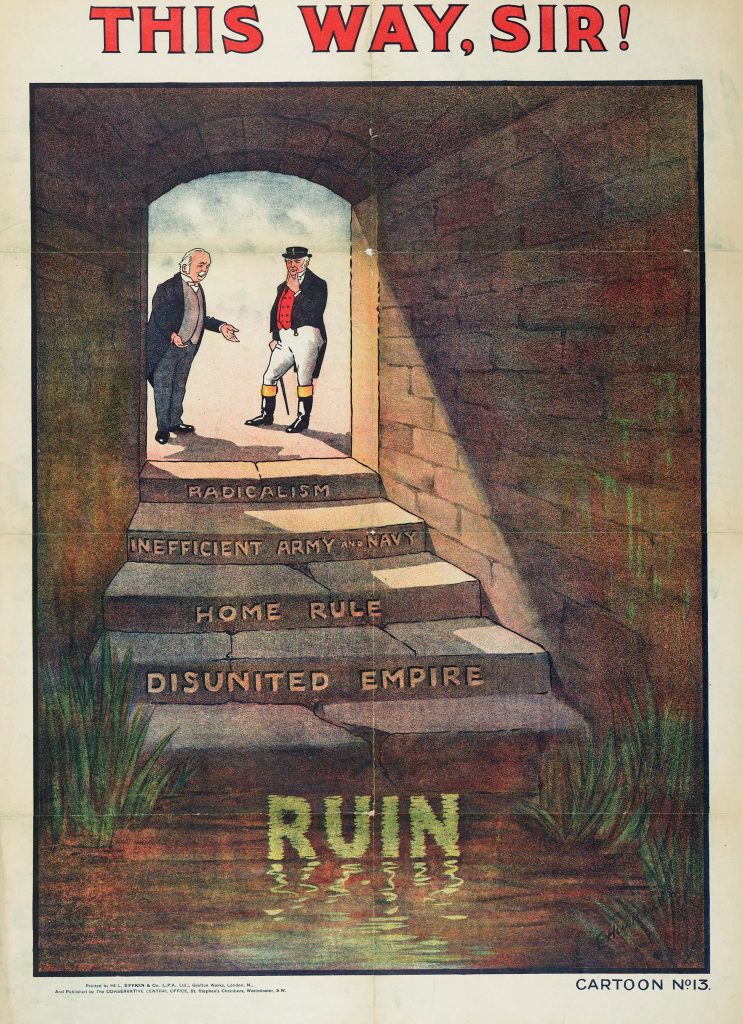
My hope lies in the restoration of a human order. Some believed that the excesses of the democratic system could be corrected through greater radicalization, more slogans, and less critical thinking. But when democracy loses its capacity for self-correction, it ceases to be a space of freedom and becomes a machine for reproducing power.
We have seen this in various parts of the world. In Colombia, Argentina, and so many other countries, social unrest has taken root in neighborhoods, on the streets, and in public discourse. Politics stopped speaking to ordinary citizens and began speaking only to itself. Then came the leaders who understood that rift and who, for better or worse, knew how to turn resentment, fear, and weariness into electoral strength.
The paradox of our time is that a significant portion of right-wing parties—even within the democratic spectrum—have ended up betting on promising the end of democracy in the name of the excesses committed within it. They present themselves as a response to abuse, but often end up reproducing the very thing they claim to fight. The original thrones are no longer distinguishable from their copies. Power disguises itself as citizenship, and citizens are treated as political commodities rather than free individuals.
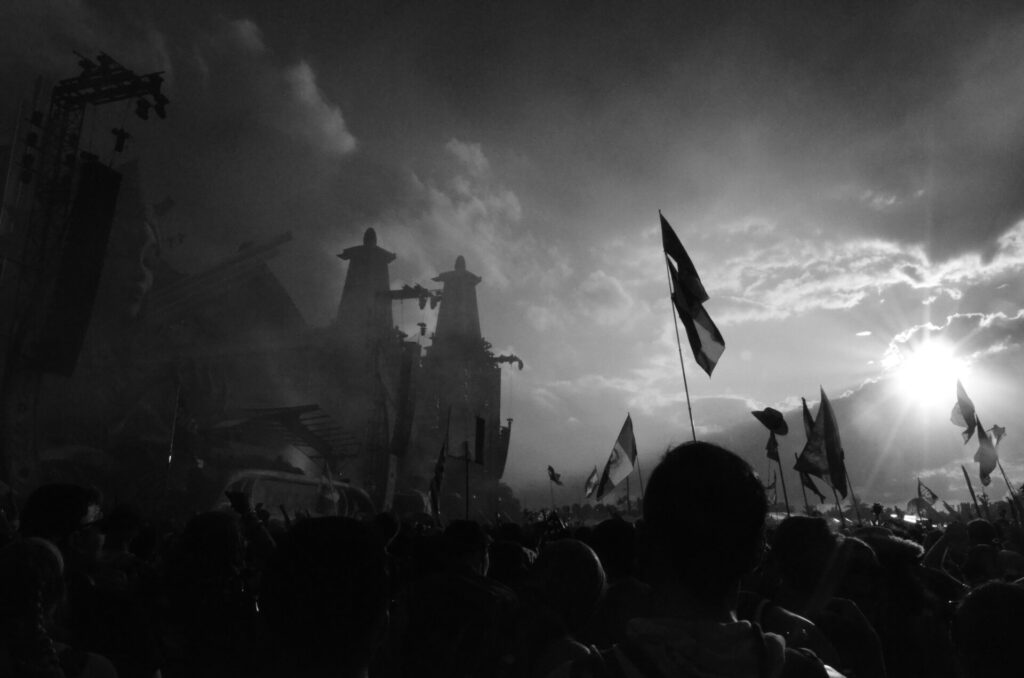
No one should be surprised that, when institutional responses run dry, when the battle against drug trafficking is lost, when trust in the law is shattered, and when human development is abandoned as the foundation of public life, society reaps its worst fruits. A community without security, without justice, and without a future eventually turns its despair into political rage.
Then comes the terrifying revolution. The elimination of critical thinking arrives. The silencing of political debate arrives. Democratic fanaticism arrives—which, in the name of democracy, excludes all those who do not obey its language, its codes, and its certainties. And there also comes the possibility that only the unyielding, the scandalous, and the militant will find an echo in this global universe of a single truth—even if that truth was constructed more to dominate than to understand.
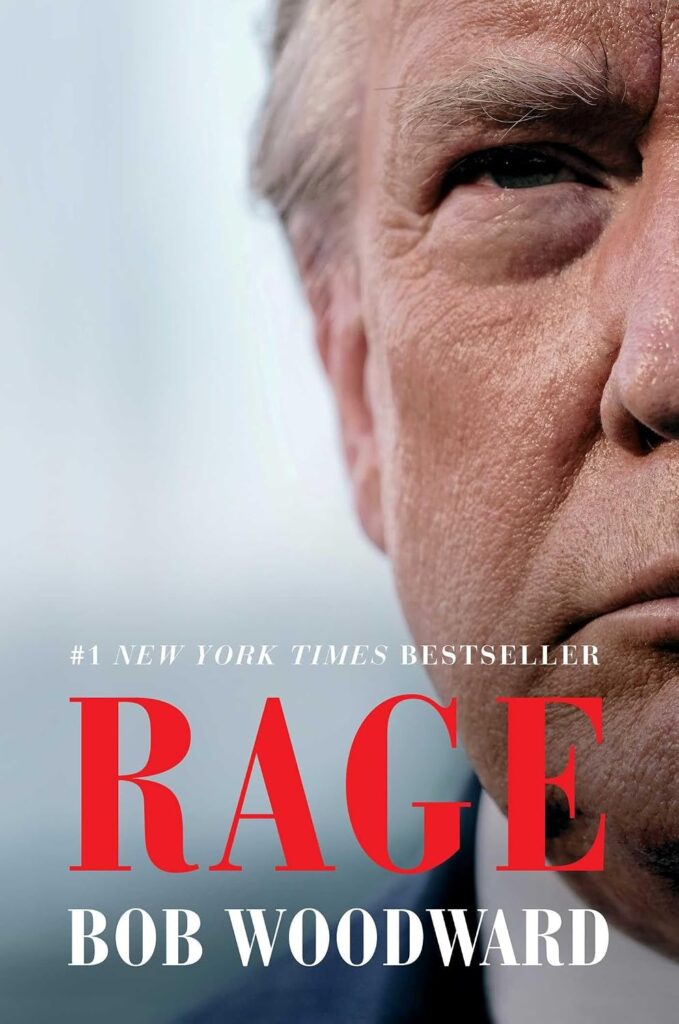
That is the political landscape that largely explains Donald Trump’s return to power. I do not doubt that Trump won. The question is another: Can the Republican Party sustain these political fortunes indefinitely without getting caught up in the very movement that brought it back to the White House?
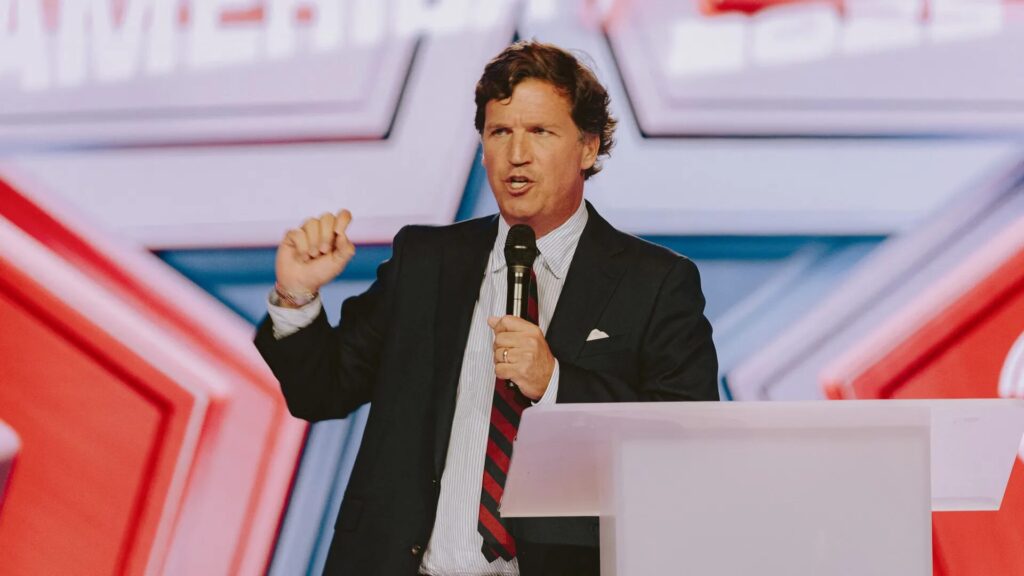
But the most important question remains this: Where are the Democrats? Who is the leader? Who is the leader capable of orchestrating a political, social, and democratic response to what has happened? Have they engaged in genuine self-criticism regarding the agenda that caused them to lose power? Have they understood that a segment of American society did not feel represented by a political discourse shaped by cultural elites, ideological bureaucracies, and militant minorities—a discourse that often failed to reflect the customs, manners, or motivations of the majority of Americans?

Trump did not appear out of nowhere. Trump was the consequence of a vacuum. He was the response—dangerous but effective—to a society that felt scorned by the political system, the media, universities, economic elites, and an agenda that claimed to be social and democratic but was all too often formulated from the extremes.
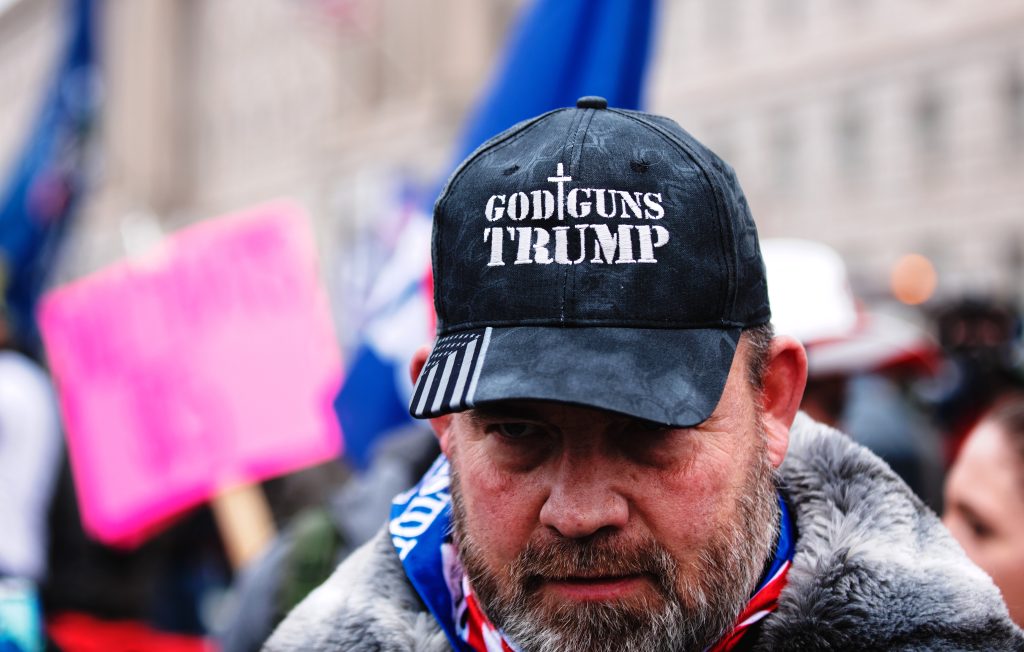
The Trump movement remains a political right-wing movement, but it is also something more: a movement with religious, identity-based, and emotional dimensions. It cannot be explained solely by government programs, taxes, immigration, or trade. It is explained by a promise of restoration, by a sense of revenge, and by the feeling that it was necessary to reclaim a country that many voters believed had been lost.
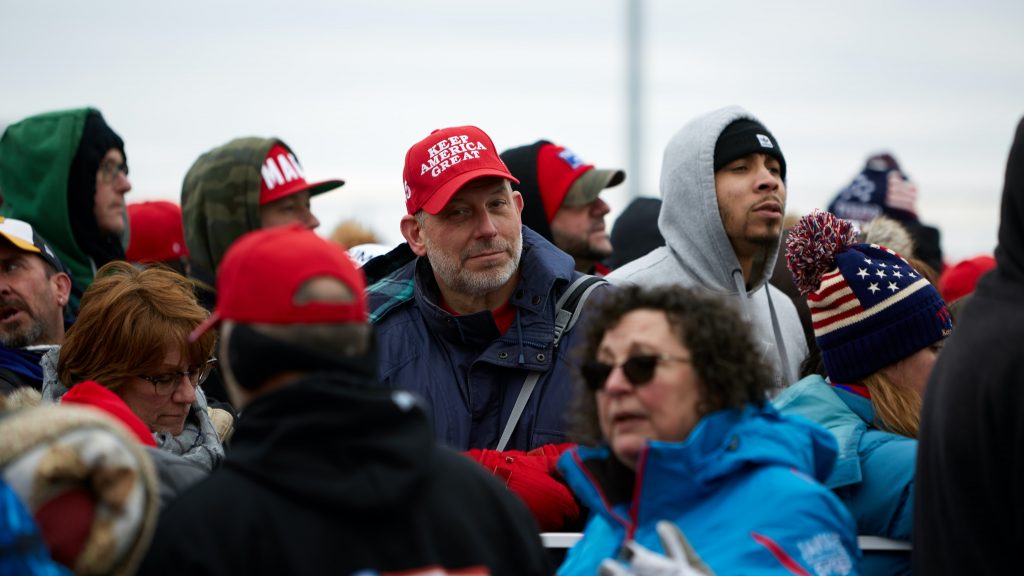
The question is whether Democrats realize what they did by positioning themselves against a significant segment of American society, by attempting to impose a systemic set of general rules and values, and by responding with an agenda that did not always connect with the real lives of the majority. A political, social, and democratic defeat cannot be explained solely by the opponent’s charisma. One’s own mistakes also explain it.
All of this is part of a larger upheaval. A powerful aspect of democracy remains alive: the pressure from the people, the strength of institutions, and the ability of governments to correct their course. That is the great hope. But it is not enough to simply wait for Trump to disappear so that the problem disappears with him. Trumpism may outlive Trump if democracy does not first regain its legitimacy, its language, and its ability to represent those who have been left out.
That is why the discussion cannot be reduced to simply being for or against Trump. The real challenge is to restore democracy within a society that has stopped believing in it. To restore it not as a slogan, but as a method. Not as moral superiority, but as a responsibility. Not as a cultural imposition, but as a shared commitment.
And Mexico is part of that recovery as well. It is unthinkable that, starting in 2025, Mexican citizens could disappear from the Mexican political landscape and the U.S. political landscape. Mexico cannot afford not to respond. It is not enough to simply denounce. It is not enough to merely manage the conflict. Mexican citizens are citizens. And Mexican citizens must be treated as citizens, both inside and outside Mexico.
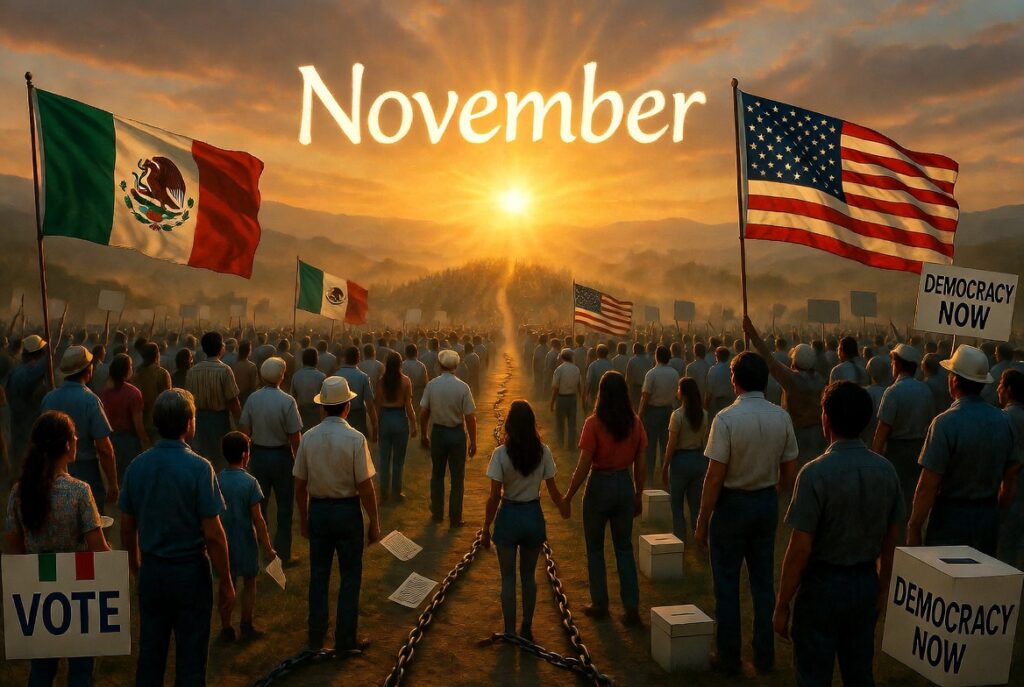
That must be the minimum standard for any State that still respects itself: to defend its citizens, demand respect for their rights, and not allow the logic of power, migration, fear, or security to turn people into disposable pawns. Because when a country stops defending its citizens, it also stops defending the very idea of humanity.
The wait until November will be much more than just a wait for an election. The U.S. elections could reshape the political landscape of the United States and, as a result, that of Mexico as well. If the Republican Party prevails, Trump will breathe a sigh of relief: he will have more leeway to advance his agenda, tighten his immigration policy, continue using tariffs for political purposes, and strengthen increasingly powerful agencies such as ICE. If he fails, it will likely mark the beginning of the end of his immediate political power, and an atmosphere of complete uncertainty will set in.
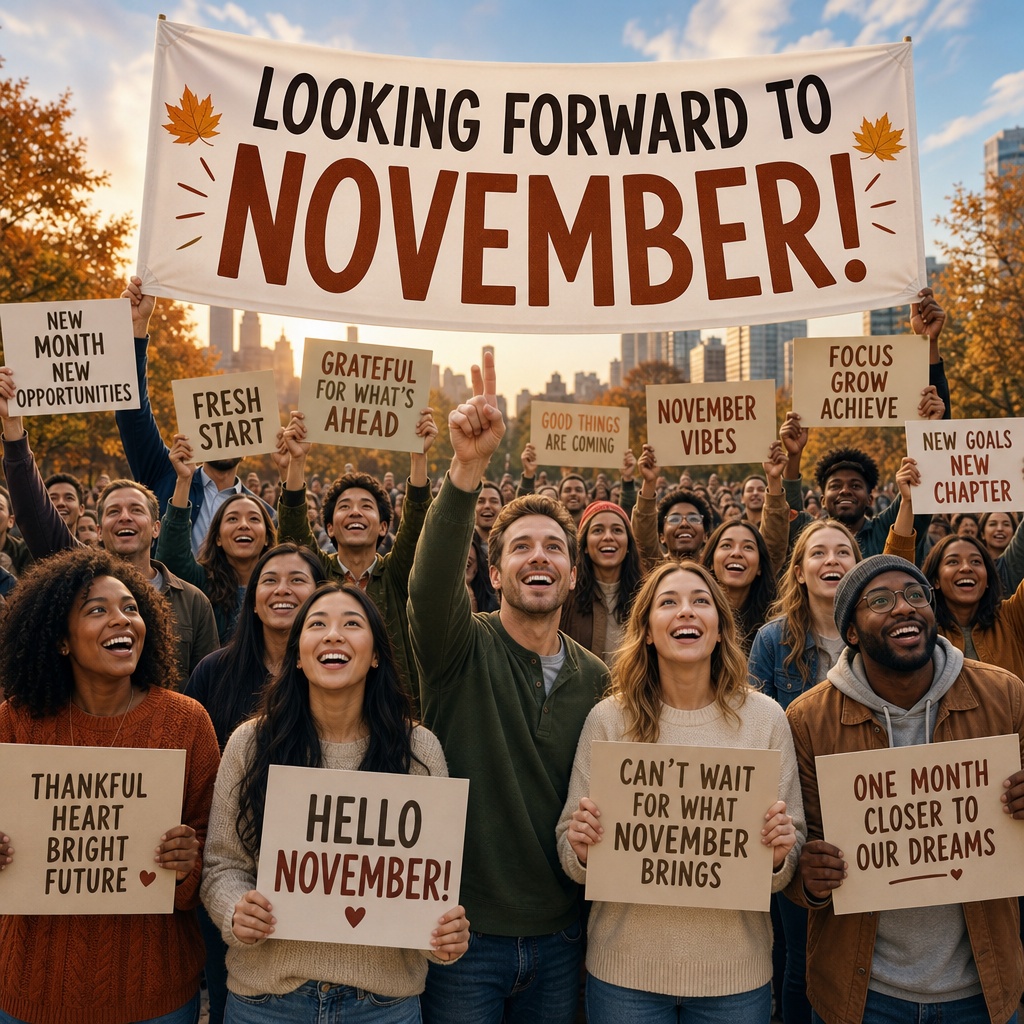
Crucial issues will remain unresolved: the future of the USMCA, whose formal review begins on July 1 but will likely not be finalized until next year; the immigration issue and the pressure on millions of Mexicans; the economic and social cost of tariffs; and the consequences of having an authoritarian president in the White House who has made tension, threats, and confrontation his governing style. Mexico cannot view this election as someone else’s problem. What happens in the United States in November will also define the scope of our economy, our security, the protection of our citizens, and, above all, the limits of our sovereignty.
Further Reading: