

Antonio Navalón
Sometimes societies become so used to certain outbreaks of violence that they lose sight of what they really represent. We name the events lightly, soften concepts, or reduce them to convenient explanations. But in doing so, we also dilute our ability to understand the true scope of what we are facing. When we minimize the size of the phenomenon or pigeonhole it into the wrong categories, we leave the door open for violence to evolve unchecked. When a government refuses to call terrorism what—by definition—is terrorism, it ends up defenseless against those who have decided to use fear as a tool of power.
“At the international level, there is now a basic legal consensus that terrorism is criminal violence intended to intimidate a population or coerce a government…” on nyulawglobal.org
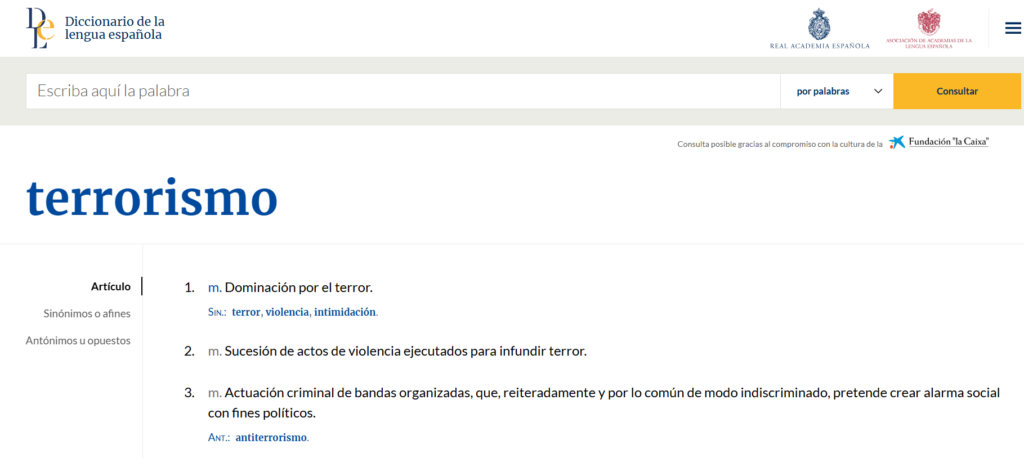
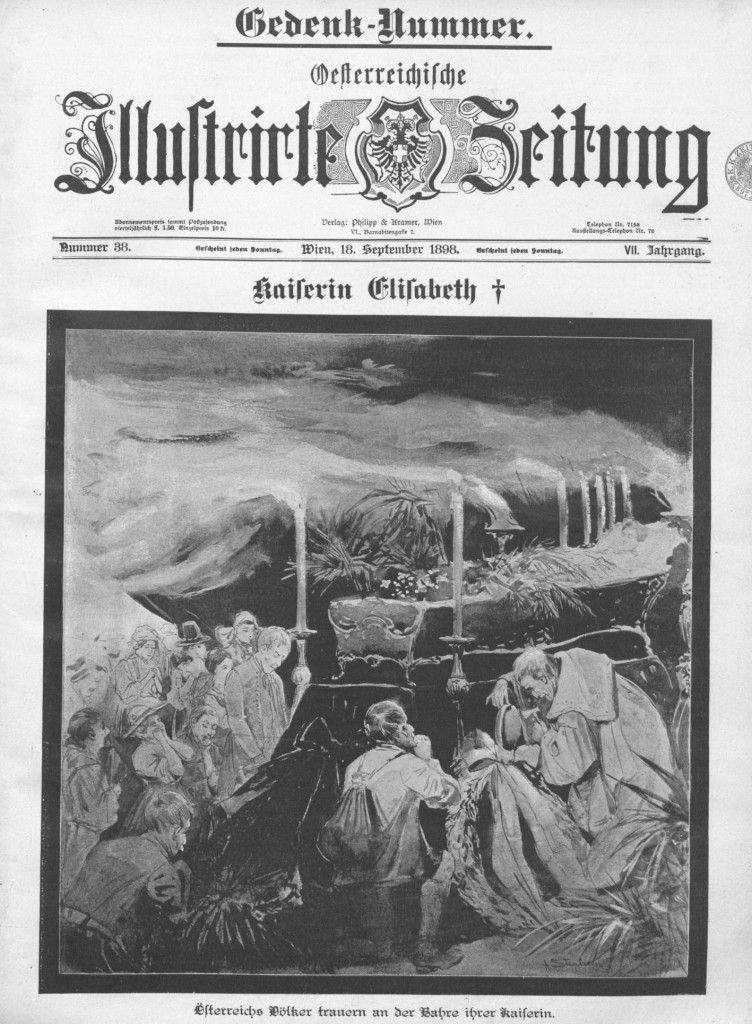
We must be careful with our words. We must assess and understand that, beyond the uniqueness of each territory where they occur, the phenomena of violence often share a common thread. The anarchist who assassinated Empress Elisabeth of Bavaria, Sisi, Queen of the Hungarians, did not target her. His target was a wealthy European who, according to his information, would be in Geneva that day. Once they were there, the two Italian anarchists discovered that the magnate had canceled his trip. However, the press had announced that Sisi would be in the city.

And so, with the cold logic of “taking advantage of the trip,” they found out which ferry would bring her, waited for her at the dock, and attacked her with a stiletto straight to the heart. It was terrorism. They killed the Empress of Austria, and although that attack was not the immediate trigger for a global conflict, it was part of the climate of political violence that would end up fueling the atmosphere that preceded World War I.
When we talk about the car bomb that exploded in Michoacán, it doesn’t matter if those who planted it did so in front of an establishment where anyone can go to buy anything from popsicles to meat. They knew what they were doing. They knew that planting an explosive device in a public space meant causing terror, killing innocent people, and sending a message. That is terrorism.
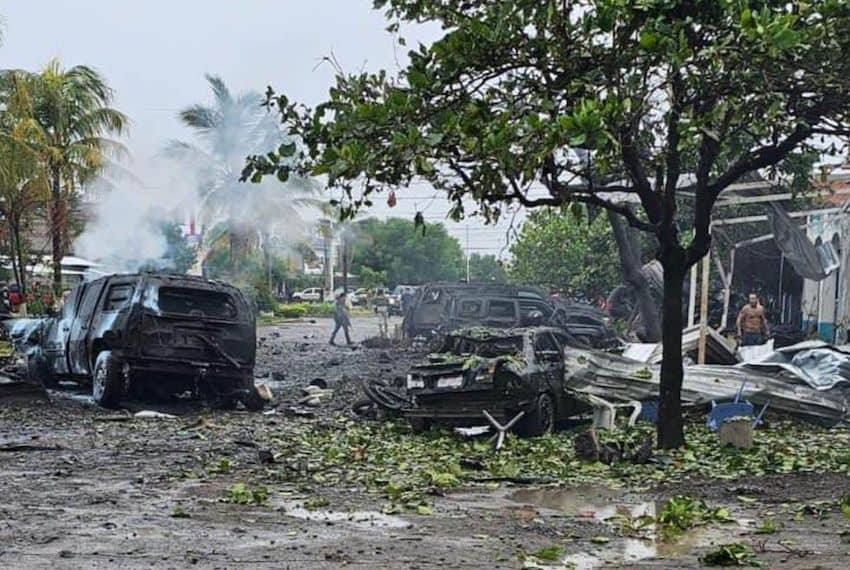
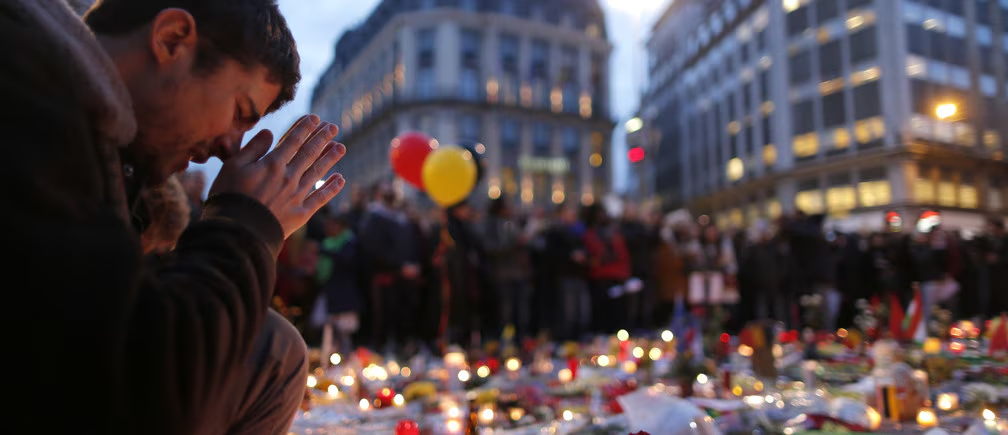
No matter how hard the Attorney General’s Office tries to classify this attack as an “organized crime offense,” we cannot continue to avoid calling things by their name. Five people were killed, and many more were injured. And what we must not allow ourselves—especially those of us who have not experienced the harshness of terrorism in Europe—is to fail to understand the gravity of what happened. Mexico cannot normalize this type of attack.
I have always wondered if the cartels, so deeply rooted, so comfortable, so intertwined in the economic and social life of different regions, would agree to disappear without resorting to extreme violence. And I have always believed that sooner rather than later, Mexico will be forced to restore peace through a clear victory by the State, because if not, we will have to resign ourselves to living under another form of violence: that of the cartels. That conviction leads to an inevitable consequence: in defense of their power, these organizations will resort to any method. And the car bomb will be just the beginning—the first step in a war that has violence in its DNA.

The Secretary of Security, Omar García Harfuch, and institutions such as the Attorney General’s Office must be clear that ideology does not define terrorism. You don’t have to be a revolutionary communist or a far-right fascist to deserve that label. A terrorist is someone who, regardless of the consequences and seeking to inflict as much damage as possible, plants a car bomb to make themselves noticed. To disrupt everyday life through indiscriminate terror. Therefore, without entering into useless discussions about definitions, this event must be taken as a warning: Mexico must prepare itself for terrorism.
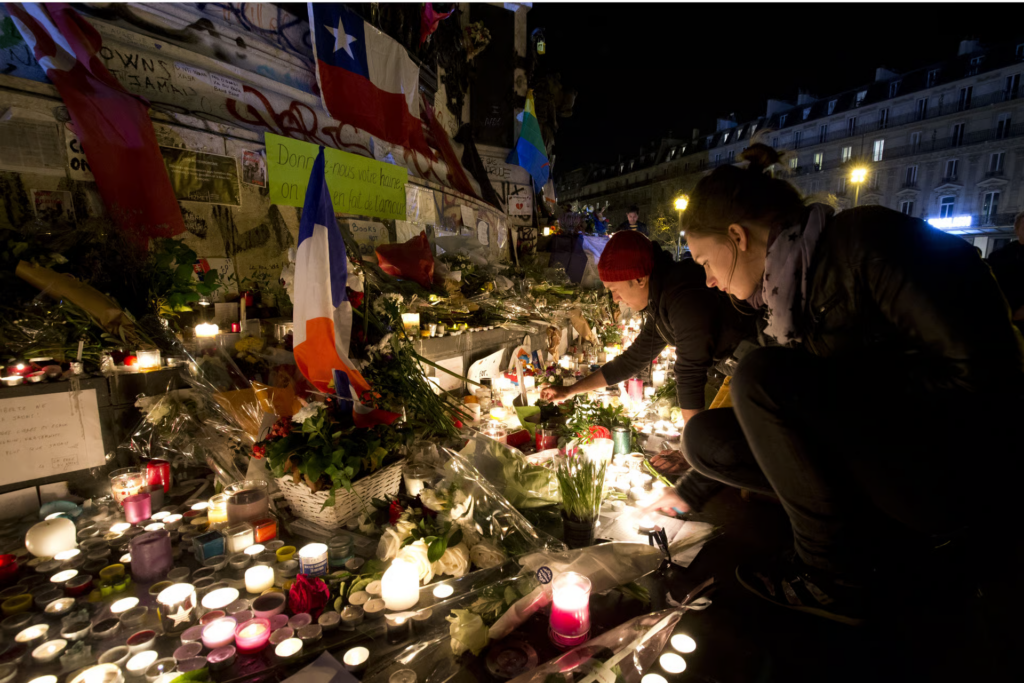
The current situation and the enemies of our peace are so powerful that it would be foolish to believe that, because they do not raise traditional political flags, they are not terrorists. They are. And what is most serious is that they are fully prepared to use any means necessary to maintain their share of power in this country.
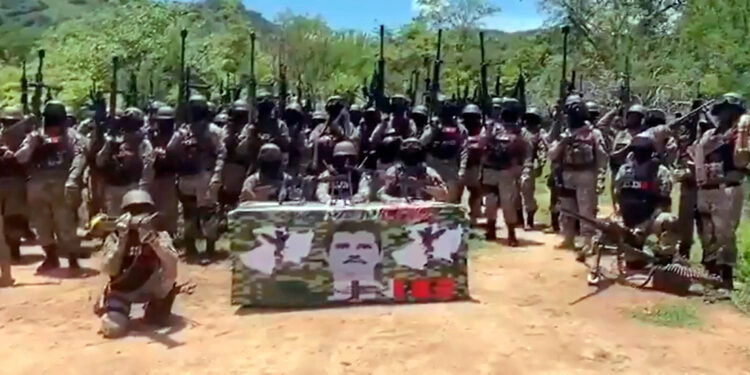
It is worth remembering that Pablo Escobar, in the 1990s, made a pact with members of ETA and took them to Colombia to learn techniques for car bombs, plane bombs, and improvised explosives. He did so with a clear purpose: if he could not live in peace, enjoying the money obtained from crime, then no one in Colombia should live in peace. The message was simple: any tool could be used to destroy social peace.
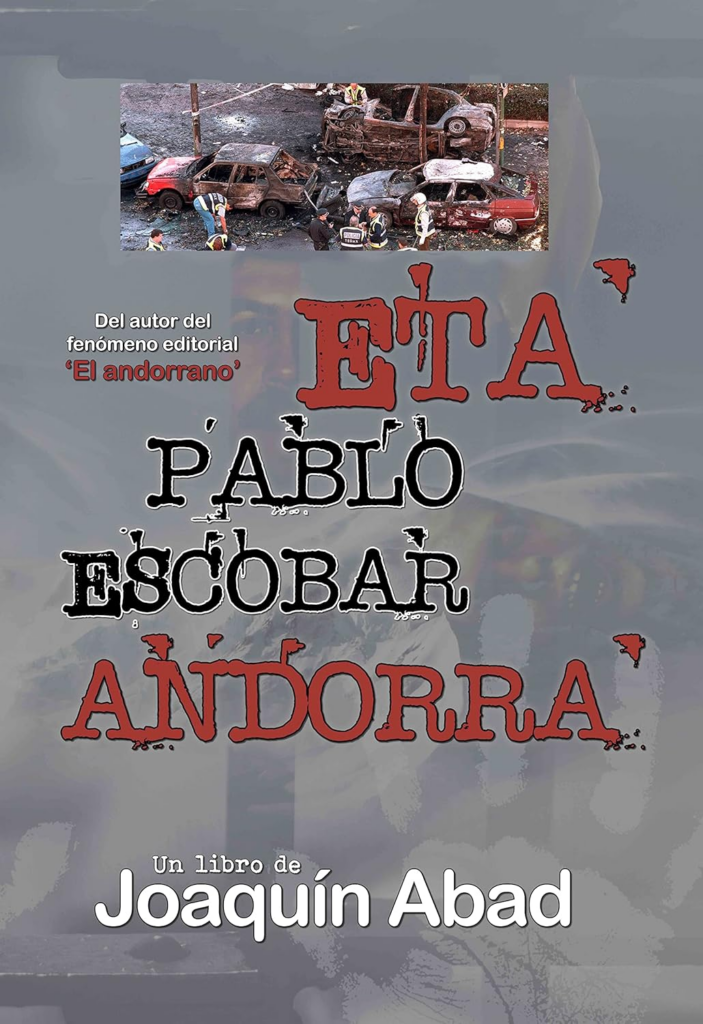
In Mexico, this reflection becomes even more disturbing in light of recent events. A little over a month after the assassination of Carlos Manzo, mayor of Uruapan—killed on November 1, 2025, in an attack linked to criminal structures of the Jalisco New Generation Cartel—Michoacán is back in the news.
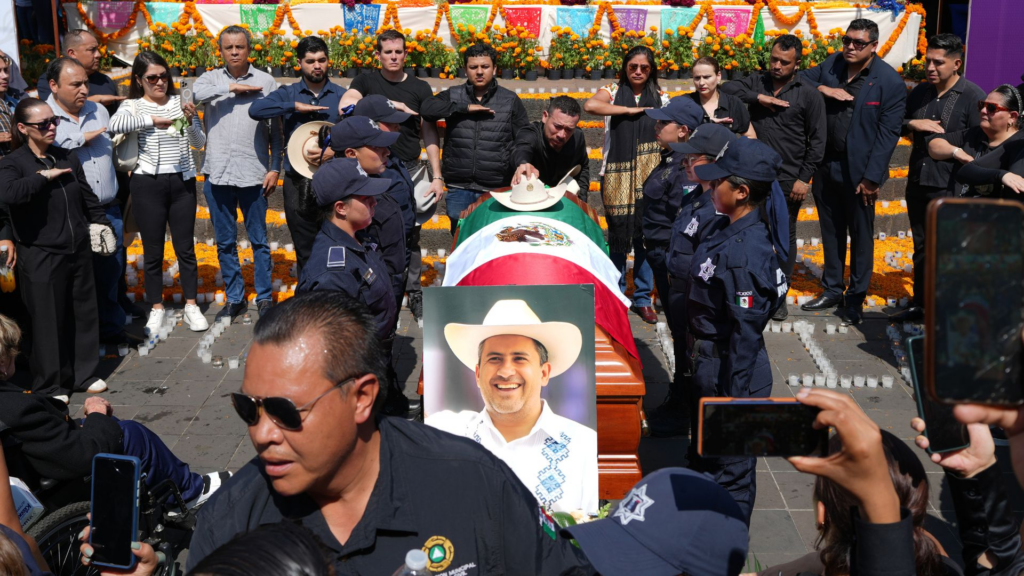
It has not been enough to implement the much-touted “Michoacán Plan for Peace and Justice,” a strategy with more than 100 actions and an investment of more than 57 billion pesos implemented directly by the federal government to regain territorial control, strengthening security, improving justice, and rebuilding the social fabric of the state. Incredibly, a plan with such capabilities and scope has not been enough to prevent a car bomb from exploding in a busy urban area less than a month after its implementation.
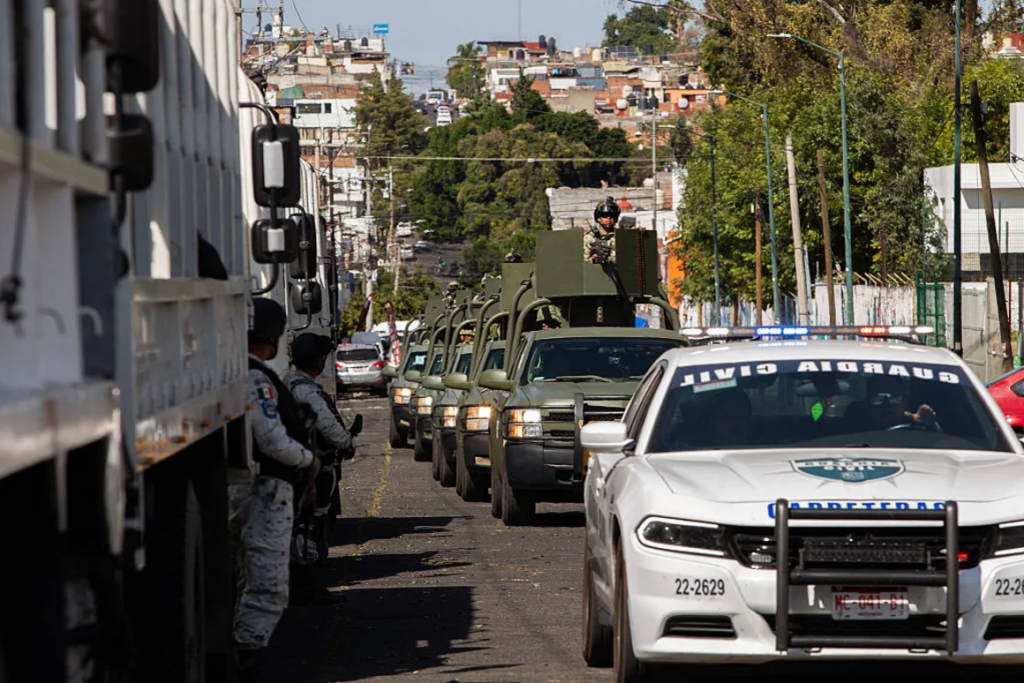
This is no coincidence. It is part of the same sequence: violence as a direct response to a State seeking to regain spaces that criminals consider their own. The death of a mayor, the presentation of a pacification plan, and a car bomb form part of the same narrative: cartels respond with terror when they feel their dominance is being threatened.
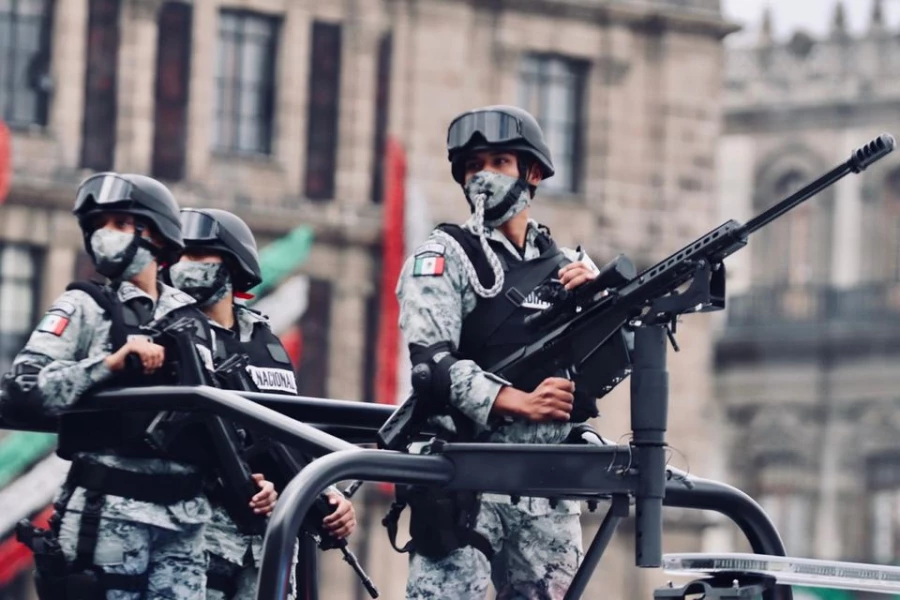
Regardless of the debate over how to label this crime, what we hope and need is for the State to specialize in preventing them. Let’s not waste time labeling what we all know is what it is.
Today, here and now, we are immersed in the real possibility of a massive terrorist attack. Preparing for this scenario is no longer an option but an obligation for the Mexican State. Otherwise, terror will continue to occupy the spaces that the authorities cede, impose its own logic of coexistence, and end up dictating the rules under which we will live.
Further Reading: