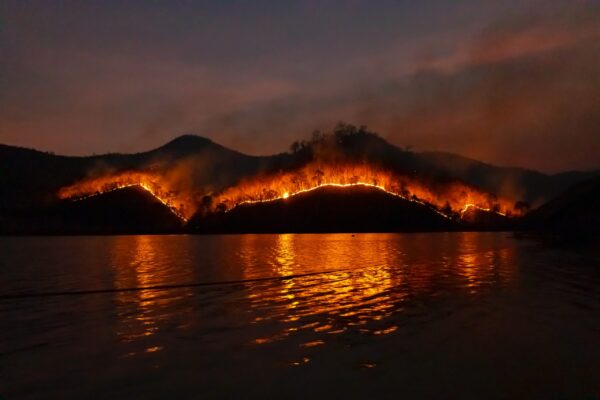

Its Name Is Terrorism.

Sometimes societies become so used to certain outbreaks of violence that they lose sight of what they really represent. We name the events lightly, soften concepts, or reduce them to convenient explanations. But in doing so, we also dilute our ability to understand the true scope of what we are facing. When a government refuses to call terrorism what—by definition—is terrorism, it ends up defenseless against those who have decided to use fear as a tool of power.
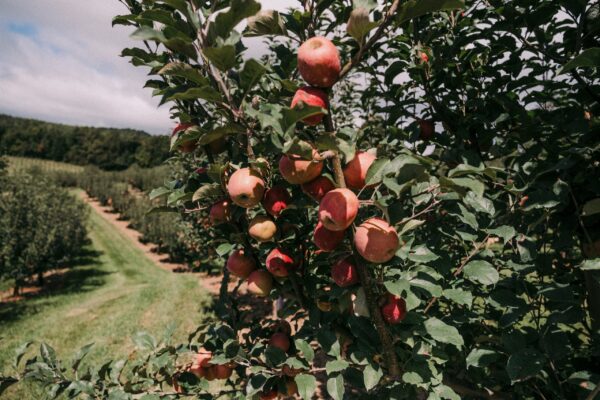

Returning to the Orchard

The post reflects on various literary works that explore philosophical and human conditions. It highlights Voltaire’s “Candide,” Michael Ignatieff’s “Finding Solace in Dark Times,” and other significant writings, including those by Stefan Zweig, Marcus Aurelius, and Václav Havel. Each offers unique insights into resilience, history, and existential reflection.

On the eve of 2024.

Wars, polarization, and uncertainty reign in the immediate future. None of the forecasts at the beginning of the year* alerted us to the outcomes we experienced. The widely anticipated recession didn’t happen; the U.S. economy is growing with low unemployment and decreasing inflation. Growth across …

Read more

The Hidden Comrade

Juan Villoro Espionage is inseparable from English literature. Daniel Defoe, Somerset Maugham, Graham Greene, and, of course, David Cornwell, better known as John Le Carré, were secret agents. The enigmas of loyalty and betrayal fascinate a profession that depends on conceiving and manipulating the lives …

Read more

The Beginning of History

Antonio Navalón If When the Berlin Wall fell, the book that best reflected this episode of history was Francis Fukuyama’s “The End of History and the Last Man”. After the Hamas attack on Israel that began on October 7, the title that best defines this …

Read more

Shares