
Ricardo Pascoe Pierce
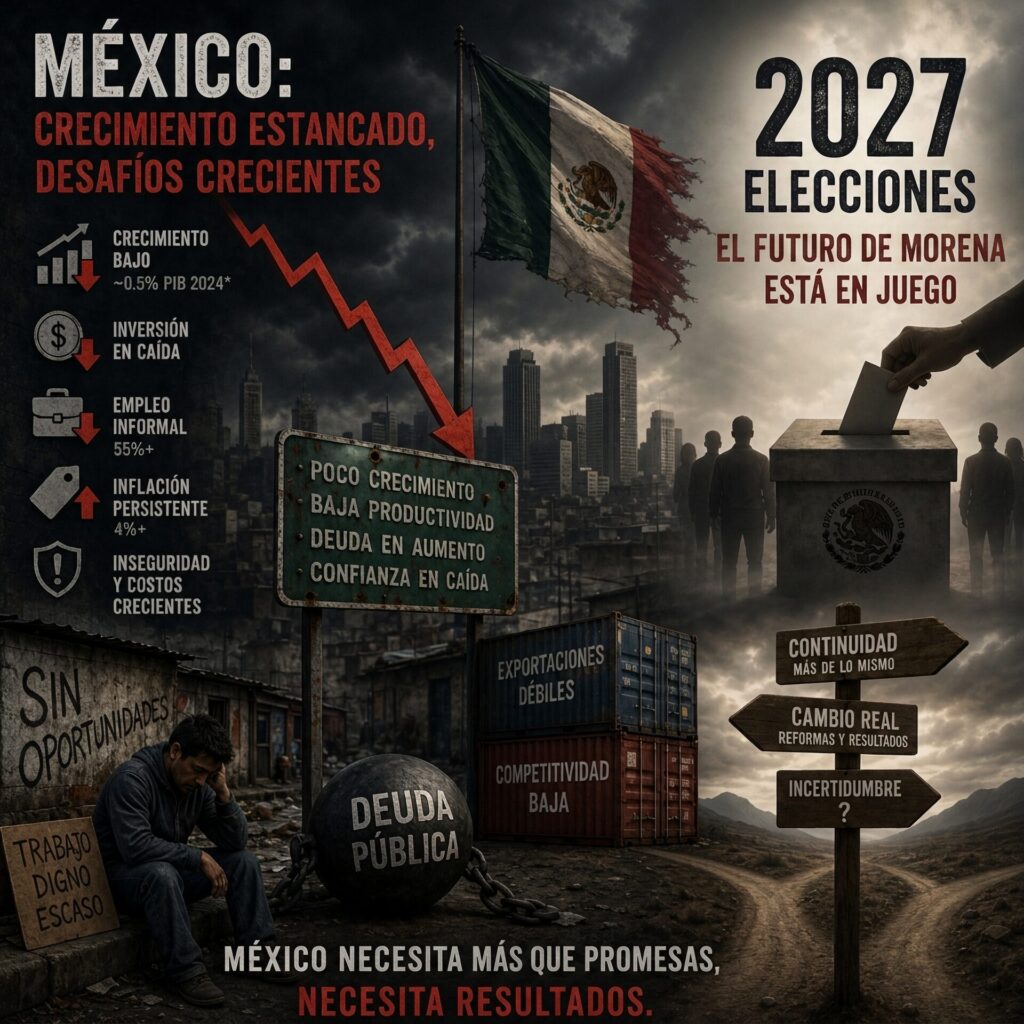
The Mexican economy is going through a prolonged period of stagnation, with GDP growth in 2026 barely reaching 1%, as multiple factors contribute to its decline. The outlook for 2027 is one of slow and fragile economic activity, subject to numerous threatening internal and external risks. The main drag is the free fall in investment. In 2026, gross fixed investment will grow by only 0.7% annually, with public investment plummeting by 22.8% in the third quarter. Without investment, the country cannot grow.
Private consumption, the pillar of domestic demand, ended 2025 with a sharp slowdown amid declining purchasing power and uncertainty. At the same time, remittances—vital for millions of households—grew by only 2.8% in 2026. This reflects the economic contractions in the United States and Mexico. Although headline inflation has eased, core inflation remains above 4%, with pressures on food, transportation, and services eroding real income and limiting consumption.

Public debt is projected to reach 53.9% in 2026. The high cost of borrowing (estimated at 4.1% of GDP for 2026) limits the government’s room to maneuver in stimulating the economy. The renegotiation of the USMCA in 2026 is creating significant uncertainty, with the risk that exports and investment will slow. The outlook for 2027 is one of insufficient recovery. Projections from major institutions agree on modest growth, averaging around 2%, in contrast to 1.3% in 2026.
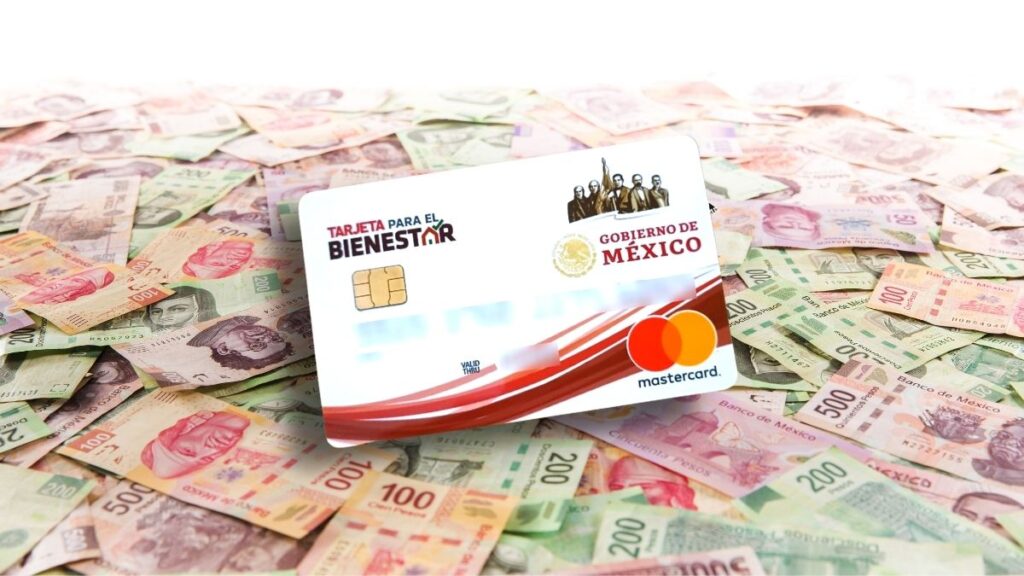
In conclusion, the Mexican economy faces severe challenges in 2027, with growth ranging from modest to zero, given the deterioration marked by weak investment and consumption, inflationary pressure, the weakness of the rule of law, and the presence of drug trafficking as a factor of political, economic, and social destabilization. Furthermore, the government is committed to providing social assistance to 45 million people.
The Morena party enters the electoral race amid serious internal friction between its main rival political factions. Accusations from the United States regarding collusion between the government and drug cartels have completely upended the landscape for selecting its candidates. What was supposed to be a smooth internal process has spiraled out of control. While drug cartels demand their share of Morena’s candidacies, the party resists, due to pressure from the U.S. government, which has publicly denounced the Mexican government internationally for its alliance with drug cartels.
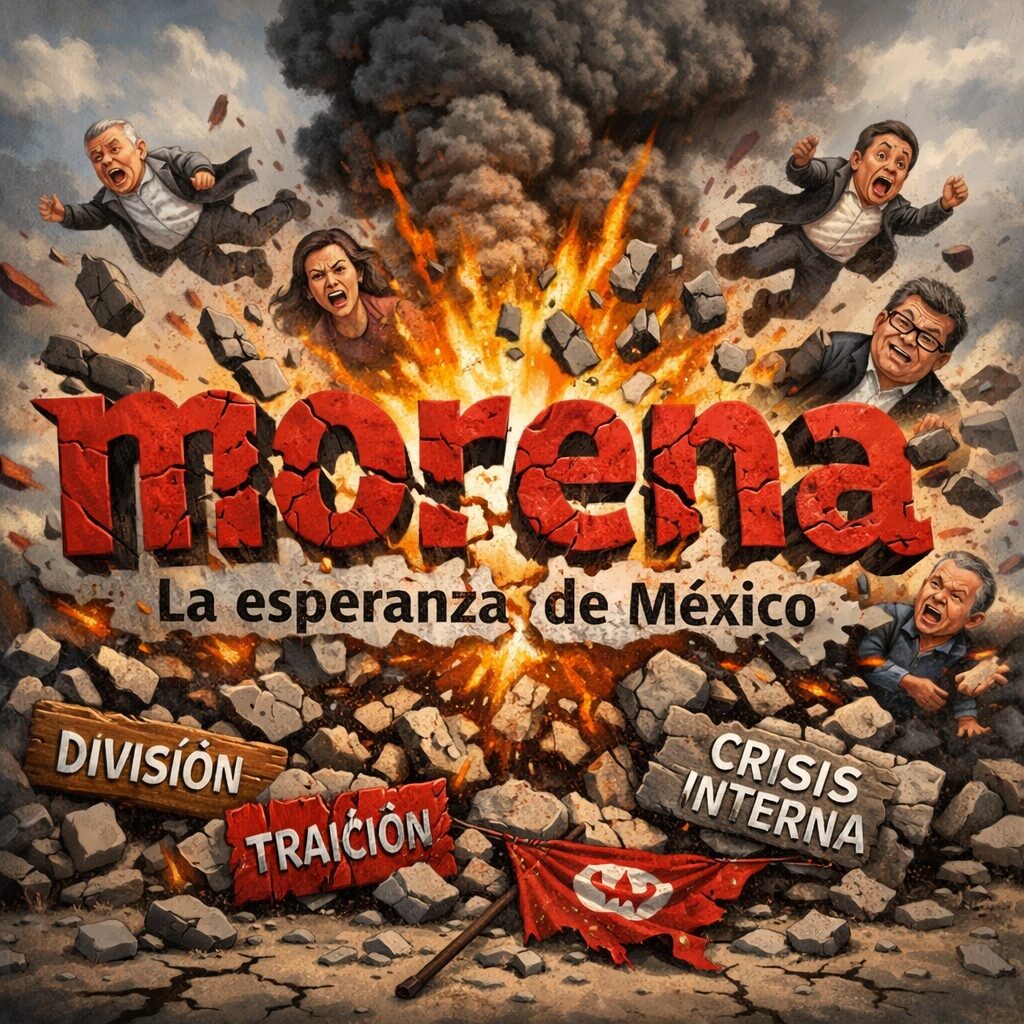
Sheinbaum’s administration has adopted the Cuban slogan “Resist!” at all costs, refusing to hand over the narco-politicians in her government to Washington. Her state policy will determine the major political developments in Mexico for the remainder of her six-year term. The deterioration of the national economy may mitigate—though not entirely nullify—the expected impact of social programs on citizens’ decision to vote for Morena.
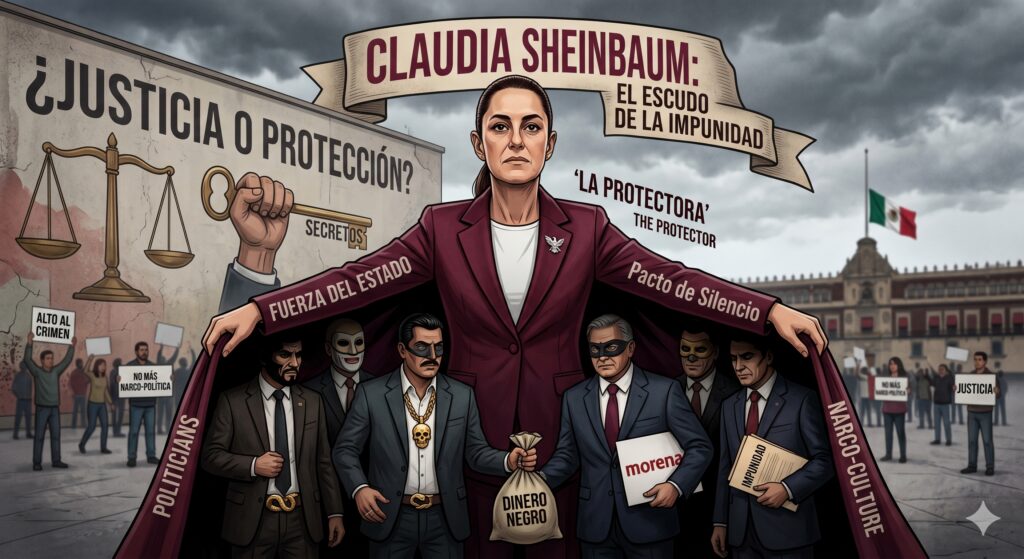
Morena’s primary weapon for winning elections is, in effect, the economic buying of votes. Morena believes it is buying legitimacy. But that is not the case: it blackmails the country’s poor sectors in exchange for money so they will vote for Morena. However, elections where participation is limited to specific groups—such as the vote for the judiciary—managed to garner only 8 million votes. Not the 45 million who receive the benefits. Therefore, the clash between the two determining factors of the social mood at the time of voting—the country’s economic situation and the massive distribution of funds via social programs—will be what defines the 2027 election results.

The corruption of Morena’s leaders, along with the public perception that Morena is a “narco-party,” will undoubtedly influence voter sentiment. But the economic issue will ultimately take center stage. A booming economy favors the government. An economy without growth offers no future for a country. In that case, the vote will turn against the ruling party, even if it generously distributes social programs.

@rpascoep
Further Reading: