

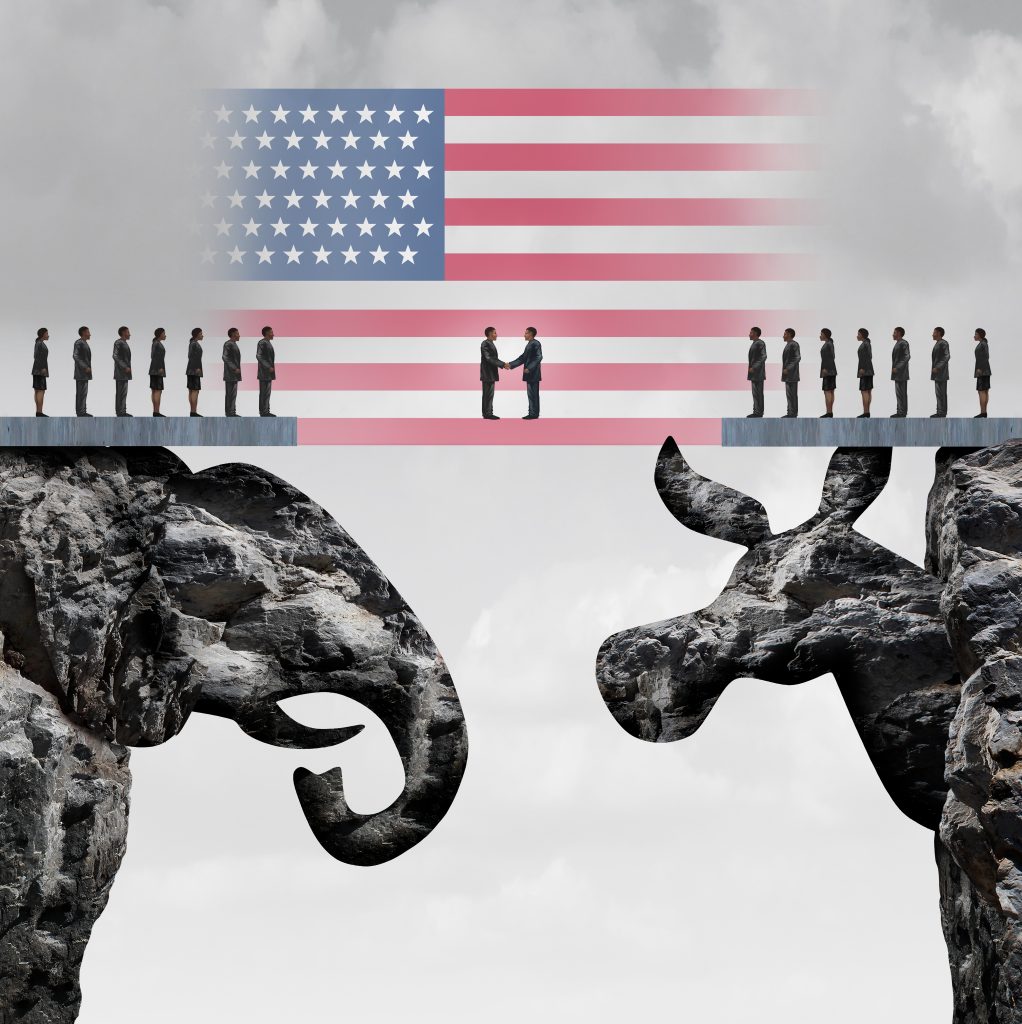
The global situation has not changed much, and the confrontation between Russia and Ukraine remains the same, with nothing happening after the meeting between Trump and Putin; the conflict in Gaza creating even more polarization in Israel and despair among the families of those kidnapped; In the United States, Democratic judges continue their attempts to block President Trump’s policies, while there are small glimmers of hope in Bolivia, where the people voted overwhelmingly against the extreme left regime initiated by Evo Morales. For me, the disappearance of centrism in the United States is regrettable. We long for the years of Reagan or Clinton, when governments were attractive to all the people, unlike today’s Democrats, such as Bernie Sanders or Alexandria Ocasio-Cortez, or Republicans such as DeSantis and even Trump, who are very attractive to their followers but entirely unacceptable for “the other side.”
The US border is practically closed to illegal immigration, which is very good from a legal point of view. Still, it is beginning to create serious problems in industries such as hospitality, agriculture, and construction. No one wants criminals to enter, but unfortunately, the barriers also stop good people who wish to enter the United States to send money to their families living in extreme poverty. The use of tariffs as a political weapon is quite effective. Still, it carries significant risks, as is happening with India, where a 50% import tax was imposed on all its products for not wanting to cut back on its purchase of Russian oil, causing it to move closer to Russia and China, which is not good for the world, as they exceed 3 billion people.

The situation in the Middle East is becoming increasingly complex, as many important Western countries such as France, England, Australia, and Canada have declared that they favor the recognition of Palestine as an independent state, playing into the hands of Hamas, which thus loses any incentive to end the conflict. Israel announced that it is calling up 60,000 more reservists and will not leave Gaza until the conflict is over, making it very difficult to reach a lasting solution. Even Argentina, the country where Milei had worked wonders and seemed to have righted a sinking ship, is embroiled in a corruption investigation at the highest levels that has cast doubt on the achievements of the current government. At a conference at the “summit” organized by China, attended by Xi, Putin, Modi, and 47 other heads of state, the Chinese premier accused the United States of threatening world peace and creating a conflict that could have far-reaching consequences.
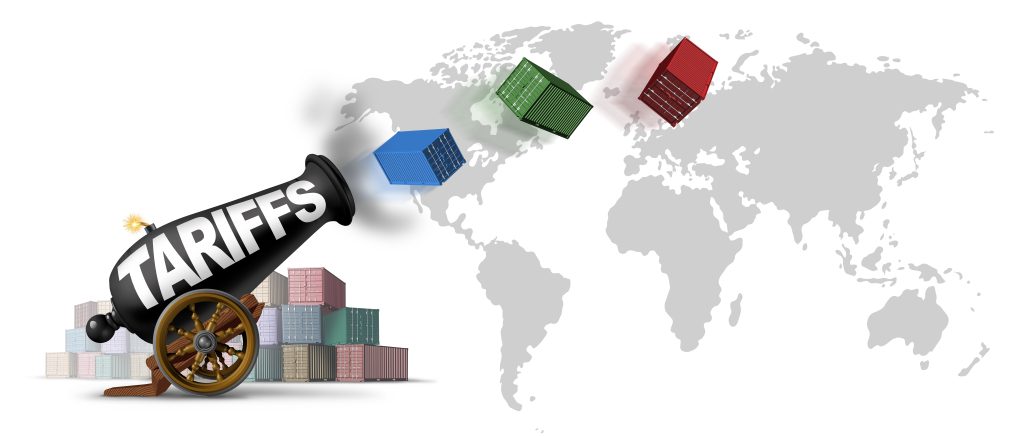
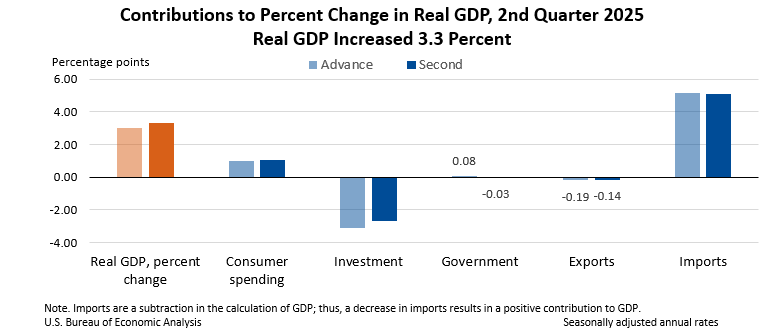
Turning to the economic situation, the United States maintained unemployment at 4.2% despite much lower job creation and a significant downward revision to the data for the previous two months. Unemployment insurance claims remained at 225,000 per week, although those of people who have been out of work for more than 27 weeks showed a sustained upward trend. Many large companies are temporarily halting hiring until the impact of all tariffs is defined, as their implementation has been initiated, halted, extended, and changed several times. Home sales contracted 1.04% and the average sale price fell 2.3%, the first decline in the last three years. Automotive companies reported that their additional cost due to tariffs was $13 billion in just three months. On the other hand, the government reported that it is collecting, on an annualized basis, $330 billion due to President Trump’s policies. Industrial activity fell from 49 to 48 according to the PMI report, the most reliable of the many reports, and construction contracted 0.4% in July.
One positive figure was that workers’ hourly income grew 3.7% on an annualized basis, higher than inflation, which helps maintain living standards. Studies show that the actual tariffs charged are 9% of total imports and not 12% as projected initially, mainly because there are products exempt under different trade agreements. It should be noted that the final number for China has not yet been defined, as it was given a 90-day extension to continue negotiations. President Trump is demanding that China increase its purchases of soybeans from the United States and consider importing more American oil and less from Russia and Arab countries. As part of his pressure strategy, he imposed a 15% export tax on chip manufacturers such as Nvidia, AMD, and Qualcomm.

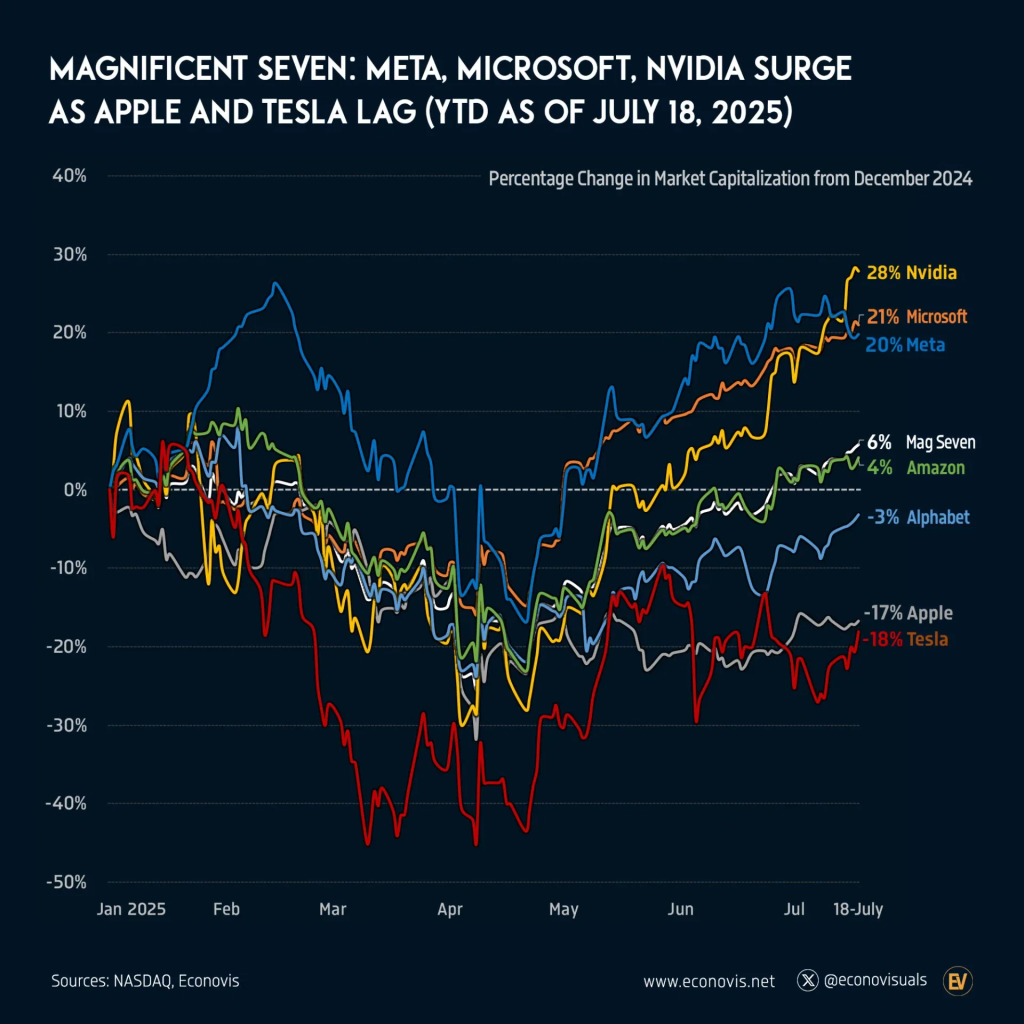
Regarding these companies, Nvidia’s market value reached $4.4 trillion, while the total value of the healthcare sector in the S&P, the index of the 500 largest public companies in the country, is $4.7 trillion, and the sum of all companies in the energy sector is $1.5 trillion. Qualcomm is the 34th company in the world on the list of active patents with 29,272, an almost unbelievable figure that speaks to the sophistication that technology has reached. Sixty percent of S&P companies reported earnings at least 10% above analysts’ projections, marking the resilience of the U.S. economy despite headwinds. It is worth noting that the seven “magnificent” technology companies—Amazon, Meta (Facebook), Apple, Microsoft, Nvidia, Alphabet (Google), and Tesla—grew their profits by 15.4%, while the other 493 S&P companies grew by 4.5%. Curiously, the seven magnificent companies had sales of more than $2 trillion, more than Russia’s GDP! One sector that has been hit hard in the United States is office buildings, where it is estimated that there has been a loss in value of $557 billion since the beginning of the pandemic to date.
Before concluding the commentary on the United States, it is worth noting the conflict between the president and the FED (Central Bank), where the administration has threatened, insulted, and even fired people for minor reasons, driven by Trump’s desire to lower interest rates considerably. Powell has not wanted to do so, as he feels that the fight against inflation has not been won, and there would be a risk of it resurging if interest rates were to fall. I believe that in September, there will be a ¼ point cut, but by no means the magnitude of the cut sought by Trump.

Moving on to Mexico, the political situation has deteriorated somewhat with the disappearance of Adán Augusto, Andy Lopez’s trips to Japan, the appearances of the former first lady in Madrid, and the brawl between Noroña and Alito in the Senate. On the other hand, President Sheinbaum, who had maintained a non-confrontational stance toward Trump, responded angrily and immediately to the comment that U.S. armed forces could enter Mexican territory to combat drug trafficking. I am not sure that eliminating fentanyl trafficking is good for Mexicans, as it is one of several areas of operation for organized crime. If it is taken away, they could replace the lost income with other criminal activities such as kidnapping, protection rackets, assaults, etc.

Next, as usual, I will point out the positive and negative aspects of the last month.
Positives:
· Pemex committed to becoming economically self-sufficient by 2027.
· Starbucks opened its 154th store and plans to reach 200 in three years.
· Car manufacturing has been on the rise for two consecutive months despite the uncertainty of tariffs.
· The government set minimum prices for tomato exports to avoid “dumping” penalties.
· The Mexicanization of Banamex is coming.
· Reserves reached a historic high of $244.39 billion
· President Sheinbaum sent 26 drug traffickers to the United States
· INEGI stated that 8.3 million Mexicans will rise out of poverty between 2022 and 2024, and extreme poverty will fall from 9.1 million to 7 million people
· Moody’s reported that it is reviewing Pemex’s credit rating for a possible upgrade
· The CFE announced investments of $8.2 billion, as it is using 99.6% of its capacity
· In the second quarter, foreign direct investment amounted to $34.3 billion, as mentioned by Sheinbaum in a mañanera.
Negatives:
· ICE raids in the United States affected remittances, which fell 16.2% compared to June 2024 and were the lowest in 13 years. BBVA projects that the annual figure for 2025 will be 5.6% lower than in 2024
· PEMEX production is exactly half what it was 20 years ago.
· Mexican publicly traded companies had their worst quarterly earnings report in seven years.
· The industrial production report was almost 4% below projections.
· Mexican government bonds held by foreign investors are at their lowest level since 2009.
· 44.9 million Mexicans do not have access to health services
· An extension of the Mayan Train was announced despite it being an economic failure. There was a derailment, and total sales for the first half of the year were reported to be 283.2 million pesos, while the cost of insurance for the train alone amounted to 461.4 million pesos.
I would like to comment on the P-Caps issued by PEMEX, which are 12 billion dollars invested in U.S. government bonds and will serve as collateral for the oil company’s suppliers. If PEMEX is unable to pay these instruments after five years, the Mexican government will make the payment. I believe this is a complex instrument that does not adequately address PEMEX’s substantial debt issue. The best solution would be an explicit government guarantee to PEMEX, which would reduce the cost of the state-owned company’s debt by 3% per year, and the government’s debt would only rise to 57% of GDP, remaining one of the lowest in the world.

Israel continues to have inflation of 3.7%, above what the Central Bank considers acceptable. The growth forecast for this year was reduced from 3.6% to 3.1% due to the war in Iran, after the first half of the year grew at an annualized rate of 3.1% due to a 0.9% decline in the second quarter. The central bank kept interest rates steady, and the shekel contracted 0.9%. Sovereign debt is expected to rise to 70% of GDP and return to 66.5% by the middle of next year.

Some relevant comments on other countries include that Brazil will subsidize companies affected by U.S. tariffs, and that U.S. Treasury Secretary Basset canceled his visit in protest of the arrest of former President Bolsonaro. Brazil has raised interest rates, a move contrary to the rest of the world, and its economy is already beginning to deteriorate. The fight against inflation dominates its actions, even at the cost of increased unemployment and a decline in economic activity. Colombia took an interesting step by taking out a large loan in Swiss francs at 1.25% to pay off much more expensive loans in dollars, but taking the risk of a possible appreciation of the Swiss currency. India reported inflation of 1.55% in July, the lowest in eight years.

Finally, China had a 49% increase in its fiscal deficit from last year to this year. Despite this, the economy is losing momentum, projecting growth of barely 5%, which is good for many countries but bad for them, as they averaged more than 9.5% over the last 10 years. The crisis among homebuilders and the saturation of opportunities to invest in infrastructure will be a burden for the Chinese for many years to come.

Note to Our Subscribers and Readers
We’re writing to you today to apologize for the intrusive ads that have appeared recently in our content, and to share some important updates regarding our publication. After five years, we are updating and upgrading the technology of our site. We continually strive to enhance the quality of our content and the overall experience for our valued readers.
We appreciate your continued support and feedback, which helps us shape the future of our publication. We encourage you to reach out to us with any questions or comments at [email protected]
Thank you,
The Editorial Team
Further Reading: