
Guillermo Valdés Castellanos
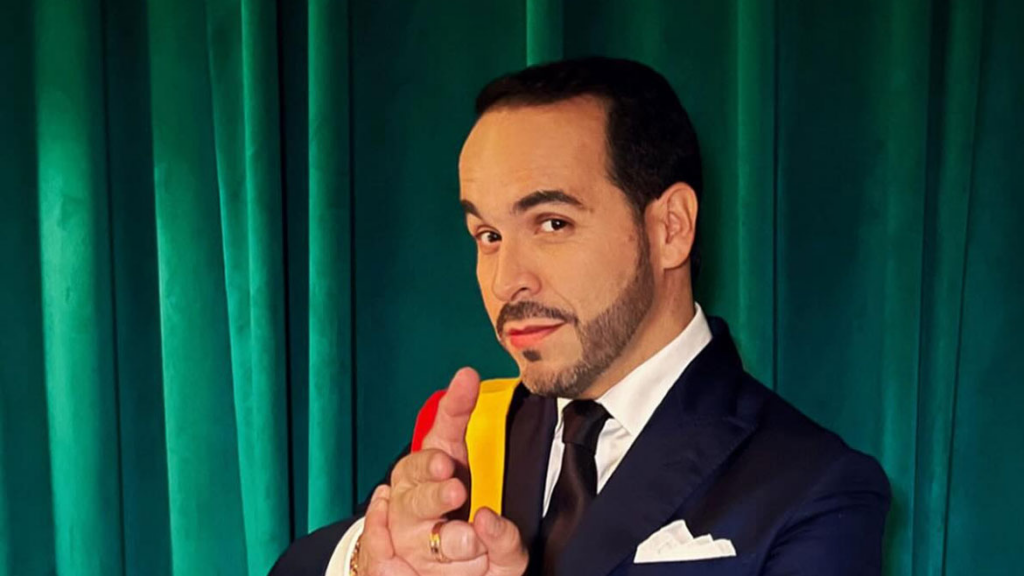
If the polls are accurate, everything indicates that Abelardo de la Espriella will become president of Colombia, deepening the shift toward the far right in Latin America. It is bad news when extremists—regardless of their political affiliation—seize power in any country, because not only are their programs and policies terribly ineffective—ideology dominates political decisions—but they also deepen the division and polarization of societies, since they govern for their own factions and exclude those who are different and all their opponents. Intolerance, inefficiency, authoritarianism, exclusion, repression. El Salvador or Cuba—the political label doesn’t matter.
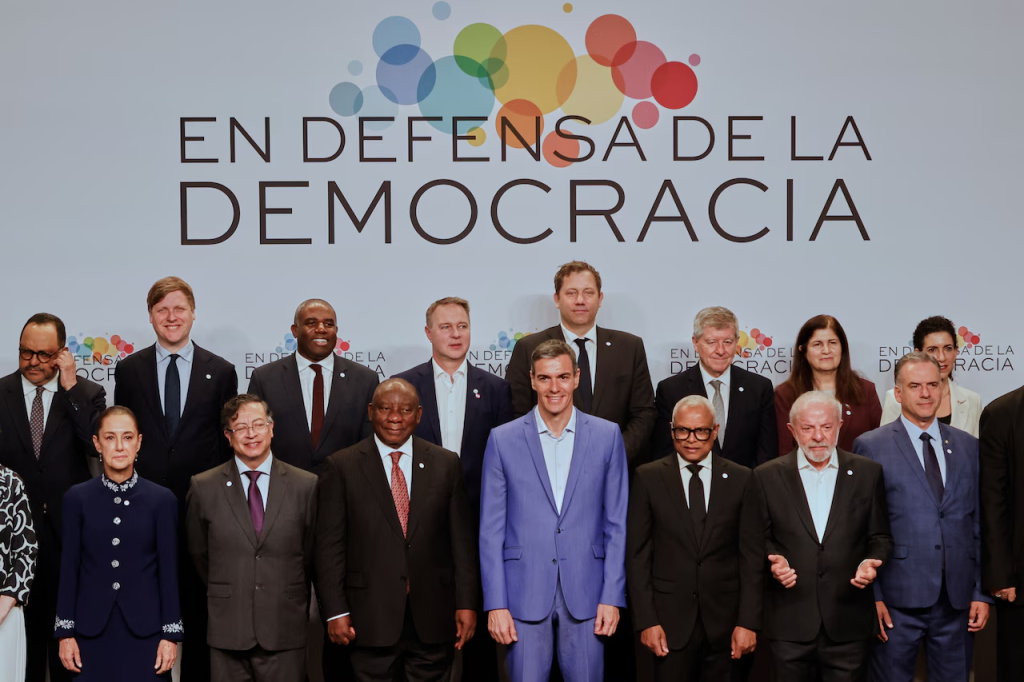
So far this century, Latin America has had many left-wing governments: Brazil under Lula three times; Argentina under the Kirchners and then Alberto Fernández; in Chile, Bachelet served two terms as president, followed by Boric; Evo Morales governed Bolivia for 13 years; Correa presided over Ecuador for eight years; Uruguay had Pepe Mújica and Tabaré Vázquez; and Hugo Chávez’s “21st-century socialism” did as it pleased with Venezuela for a quarter of a century. Colombia, after decades of centrist and right-wing governments, saw its first left-wing administration under Gustavo Petro.
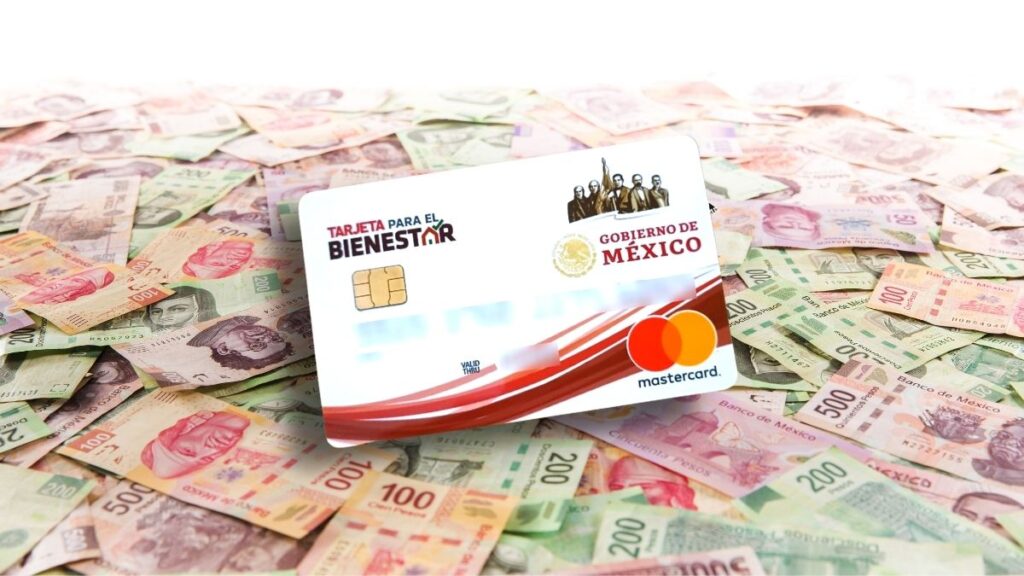
That “red wave” of varying shades was the response to the urgent, just, and historic demand for equality and inclusion from the majority sectors of societies that had been poor and unequal for centuries. In general, though with many nuances, redistributive policies were implemented with varying degrees of effectiveness, but were positive in reducing poverty and bringing about significant improvements in access to social rights. In Mexico—later than the rest of the continent—AMLO and Sheinbaum have followed the same formula: wage increases and the redirection of public spending toward cash transfers have significantly reduced poverty.
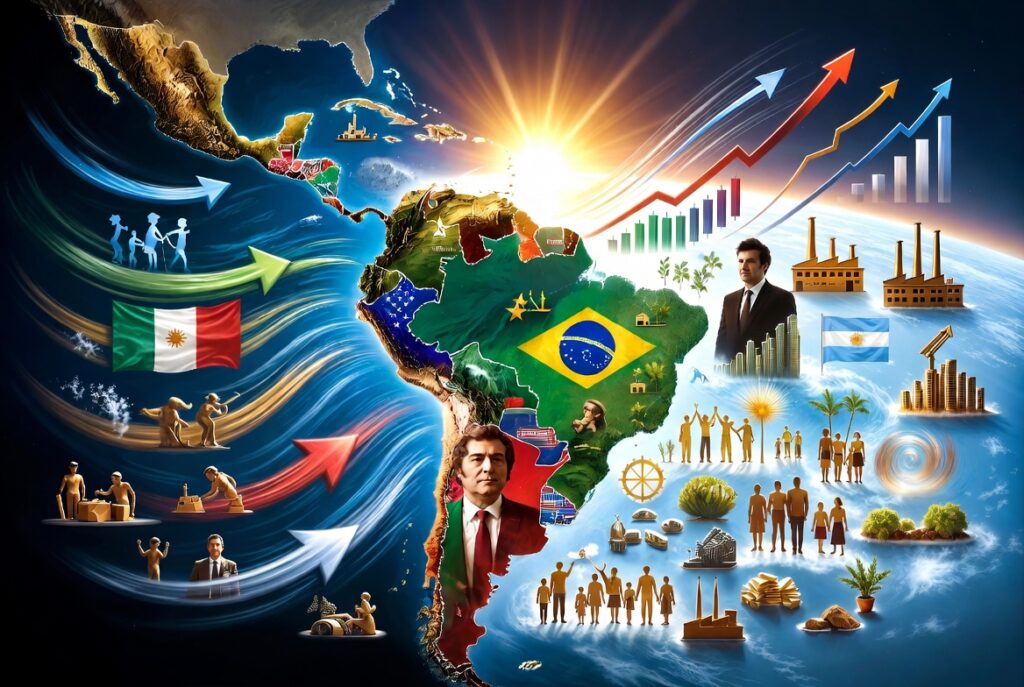
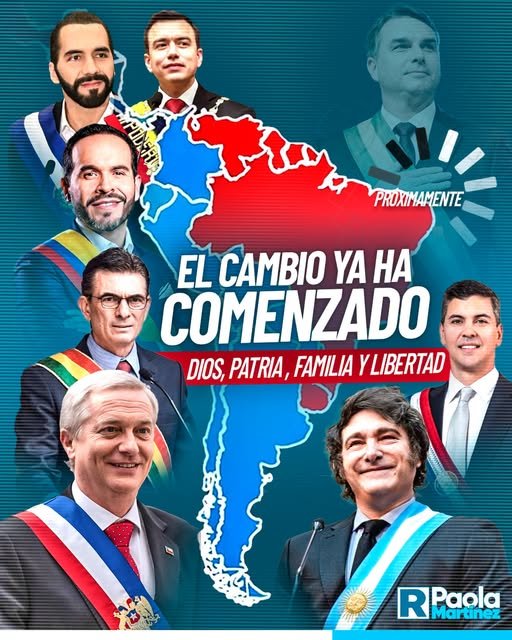
However, something went wrong: the model has neither become widespread nor survived. In recent years, the shift to the right has been drastic. In 2010, twelve out of twenty Latin American governments were left-wing; today, if Espriella’s victory in Colombia is confirmed, only four will remain: Mexico, Brazil, Guatemala, and Uruguay (plus Cuba and Nicaragua, which are left-wing dictatorships, although Cuba does not seem to have much time left). And radical right-wing governments with authoritarian, exclusionary, and severely punitive tendencies have come to power: Milei in Argentina; Bukele in El Salvador; Noboa in Ecuador; Kast in Chile; Fujimori in Peru; Mulino in Panama, etc.
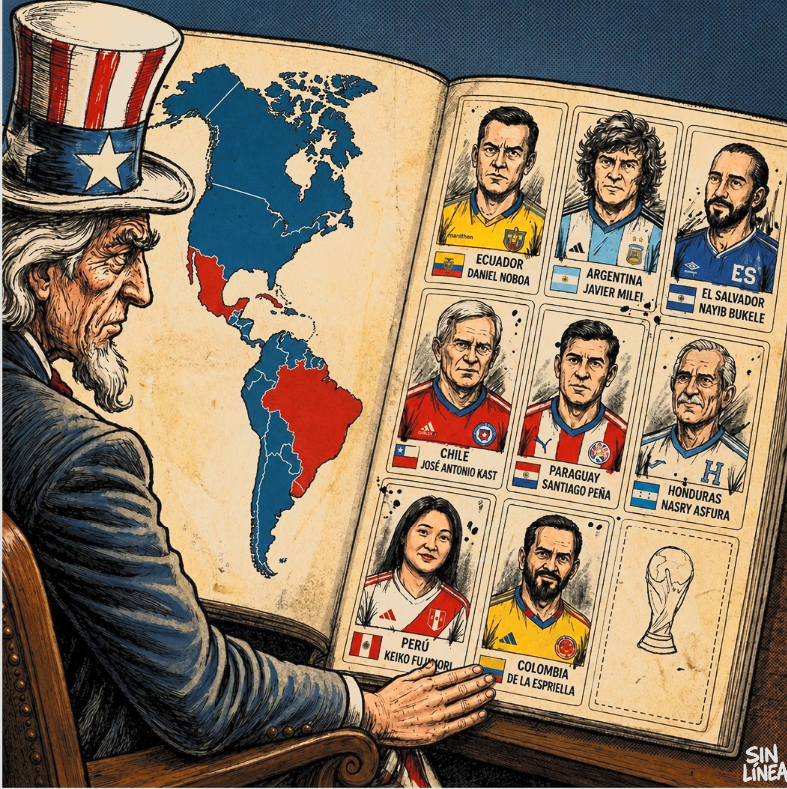
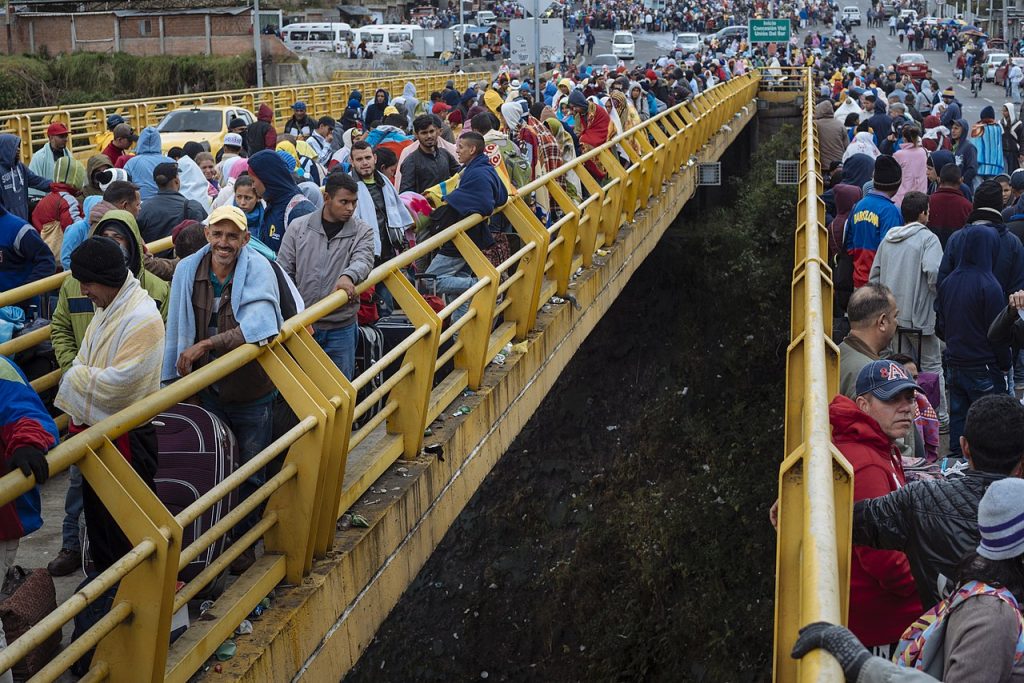
It is undeniable that Trump and the U.S.’s right-leaning national security agenda have catalyzed this process and openly supported radical right-wing candidates. But the primary responsibility for this shift lies in the mistakes of left-wing governments. First, they have failed to reconcile well-regulated, productive, and competitive market economies with wealth-redistribution policies. Lula’s model during his first two terms failed to overcome dependence on the model of raw material exports to China; Argentina under the Kirchners was a disaster that ended in monstrous hyperinflation; Chávez and Maduro not only wrecked the economy but the entire country as well, forcing eight million Venezuelans to emigrate.
Latin America is the most violent region in the world, not because of civil wars, but because of the power of organized crime; the left did not pay much attention to the problem either, downplaying it, and now it is one of the main grievances of both the poor and the rich in almost every country (Colombia, Peru, Ecuador, Chile). It is no wonder the Bukele model is now very appealing; we will see more punitive right-wing governments in the region.
A third cause is corruption and the temptation to cling to power indefinitely. It turns out that the left has been very adept at turning public resources into party assets: the scandals in Brazil and Argentina are legendary; in Peru, former leftist presidents ended up in prison, or, in the extreme case of Alan García, committed suicide before going to prison. Evo Morales ended up accused of attempting a coup d’état.

This should give the leaders of the 4T and their followers plenty to think about.

Further Reading: