Guillermo Valdés Castellanos
We must keep insisting. We want governance; every country needs it. The problem is that in Mexico, we have less and less of it. The definition of governance is simple. According to the Royal Spanish Academy dictionary, it means to rule with authority; to lead a country or a political community; to guide; to be governed by a rule. Do they know this at the National Palace, in Bucareli, at the Ministry of Public Education (SEP)? I find it incredible that eight years after the “governments” of the Fourth Transformation, we cannot take something so simple for granted.

In an excellent essay on political transition, Fernando Escalante makes a brilliant observation about the paradox of the model of government established by López Obrador: “For some reason, within the López Obrador movement, no one understood that the checks and balances and obstacles of the separation of powers are tools of government—that is, they help govern even when they get in the way, and precisely because they create institutional hurdles. No one understood that this is what the State is—that this is what power consists of: the possibility of concentrating power. Nor did they understand that the destruction of institutional mediation immediately leads to the emergence of personal mediation: with fewer rules, fewer limits, and less discipline. If it is not the Guerrero State Congress or the Guerrero State Judiciary, or the federal Judiciary, then it is the local strongman of the Costa Chica or the leaders of the transport workers’ unions who are in charge—the leader of the rural teacher-training students’ union or the head of Section 22 of the National Union of Education Workers (SNTE)—because they can.”[1]
In other words, the dismantling of institutional checks and balances (the Legislative Branch, the Judiciary, the National Institute for Information Access (INAI), the National Electoral Institute (INE), and the Electoral Tribunal, etc.)—which in theory grants the Federal Executive new legal and extra-legal powers—has created a paradox, as it has turned the president into a hostage of the worst social groups, which, thanks to the disappearance of institutions and rules, have become extremely powerful.
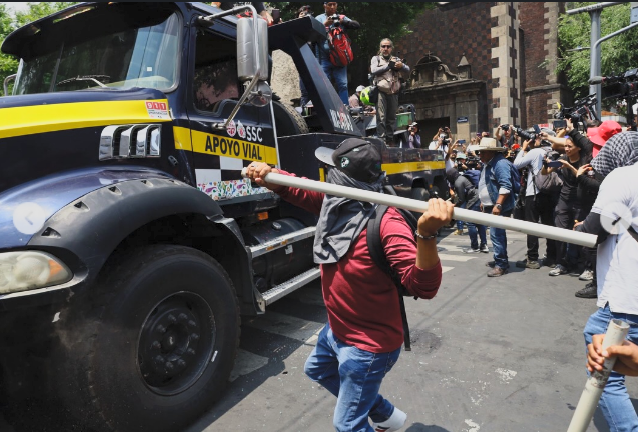
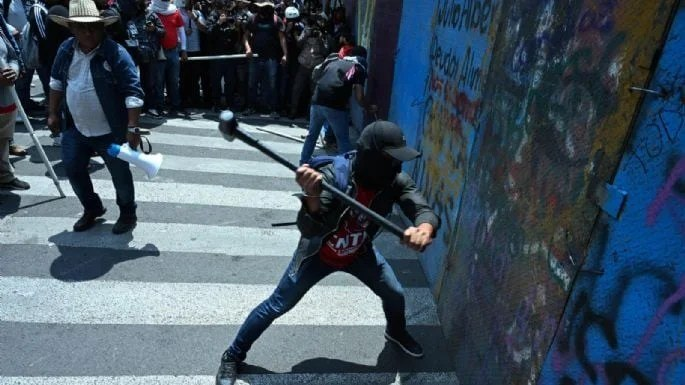
The most recent example is the teachers’ union. In an article published by La Aurora, Aurelio Nuño analyzed very lucidly how the repeal of the 2013 education reform resurrected the National Coordination of Education Workers (CNTE) and restored its enormous extortionist power (that is what the CNTE is—a mafia-like group, like the Jalisco New Generation Cartel [CJNG], that mercilessly extorts governments, teachers, and children, for its own benefit)—which has Sheinbaum on the ropes with its demand to eliminate the 2007 pension reform that the president herself promised them during her campaign and which she now says is impossible because it would bankrupt public finances (it’s not the same to be a drunk as it is to be a bartender, right?).
If, to appease them, the SEP dismantles the Systemic Unit for Teachers’ Careers (Usicamm), it will hand over more power to the teachers’ union while relinquishing control over the education of Mexico’s children and youth. It’s that simple—and that serious.
But this is not the only case. Perhaps the most serious act of misgovernance committed by the 4T is its refusal to build an effective justice system. It has already made the historic mistake of appointing Supreme Court Justices and judges to subjugate the judiciary. The flip side of that folly is refusing to reform the prosecution system and allowing governors to exercise discretionary control over district attorneys’ offices, turning them into regional mini-dictators, such as Rocha Moya, Nahle, Américo Villarreal, and others.
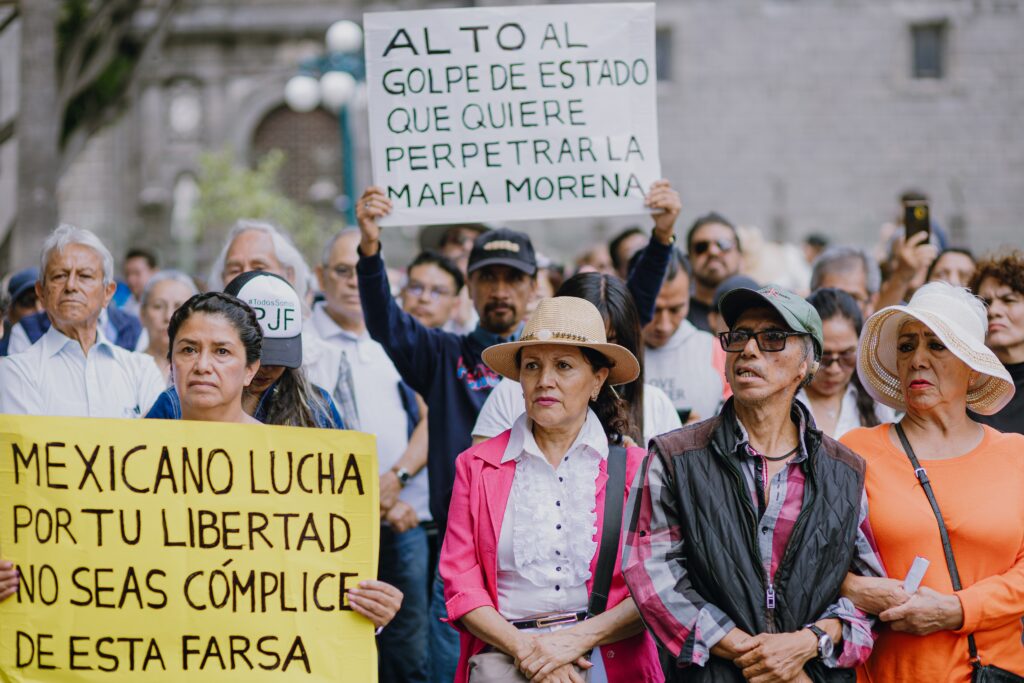
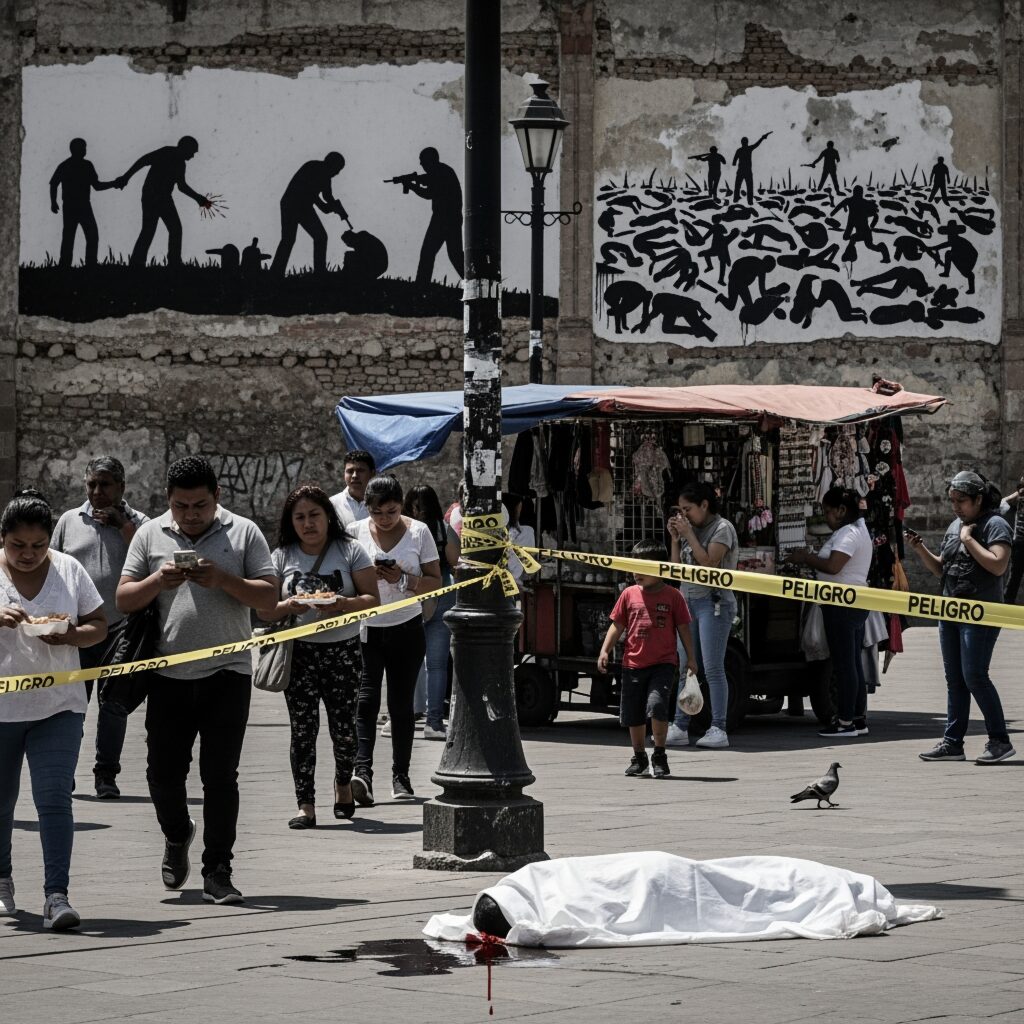
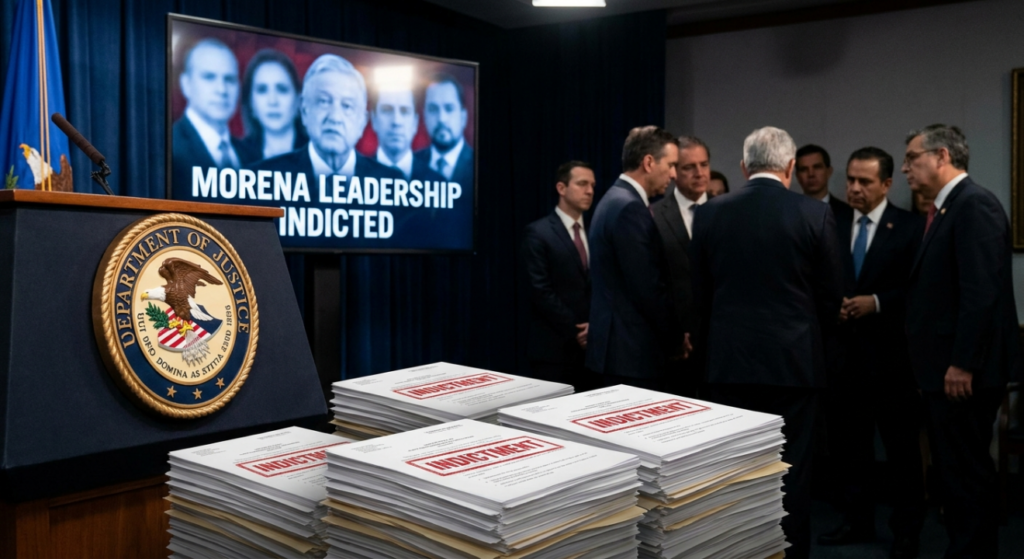
The flip side of this abandonment of justice is the pact of impunity for politicians in its movement, which has facilitated all manner of backroom deals with criminal organizations—a situation that has resulted in criminal governance across much of the country.
Let’s review the definition of “to govern”: to rule with authority, to guide, to abide by the rules, to lead a country. They unwittingly set the trap; they fell into it and refused to get out. Their misrule will only increase.
[1] https://www.nexos.com.mx/noticia-de-guerras-perdidas
Further Reading:

Further Reading: