Emilio Rabasa Gamboa
Dystopian means undesirable and oppressive. It comes from the Greek roots *dys*—meaning “bad” or “difficult”—and *topos*—“place”; it describes a scenario in which everything is terribly wrong.
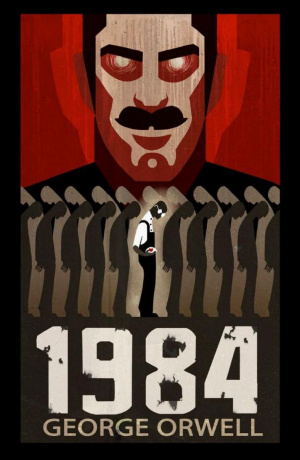
Literary works such as George Orwell’s *1984*, Aldous Huxley’s *Brave New World*, Ray Bradbury’s *Fahrenheit 451*, and Margaret Atwood’s *The Handmaid’s Tale* are dystopian works.
In contrast, utopia refers to what is desirable for human well-being, such as the island in Thomas More’s *Utopia*, published in 1516.
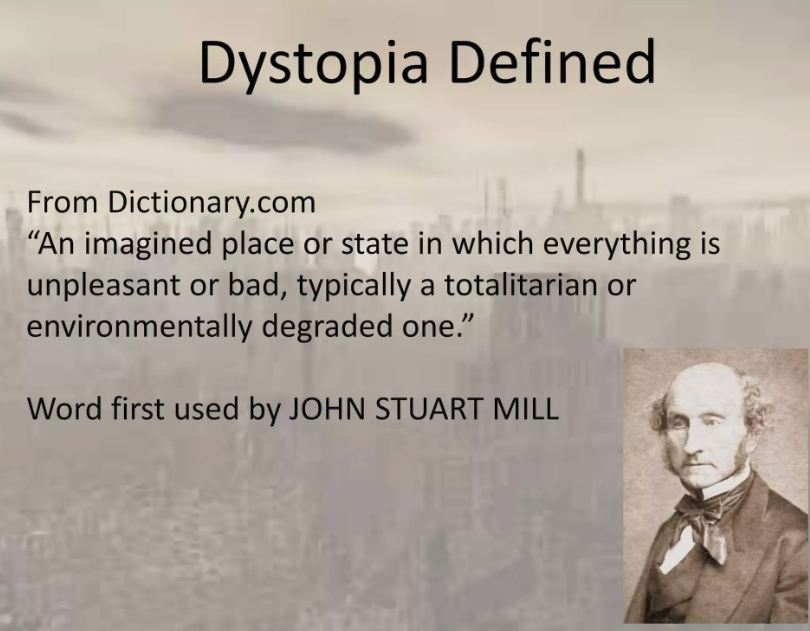
Dystopia, or anti-utopia, was the term used by John Stuart Mill (19th century) as the antonym of utopia. They are, therefore, two opposing or antithetical concepts.
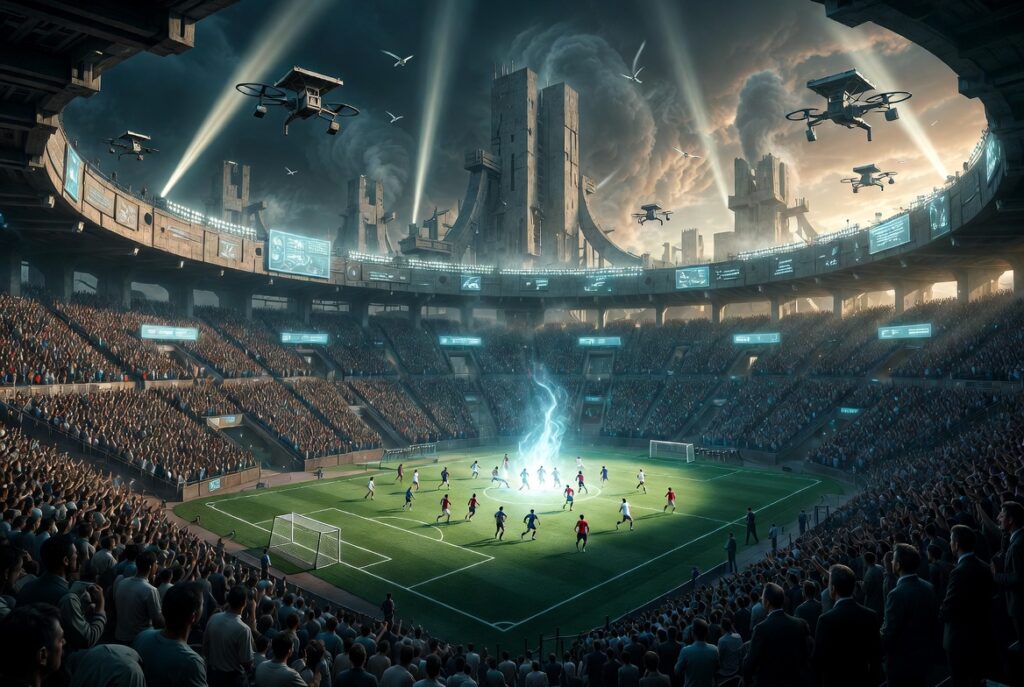
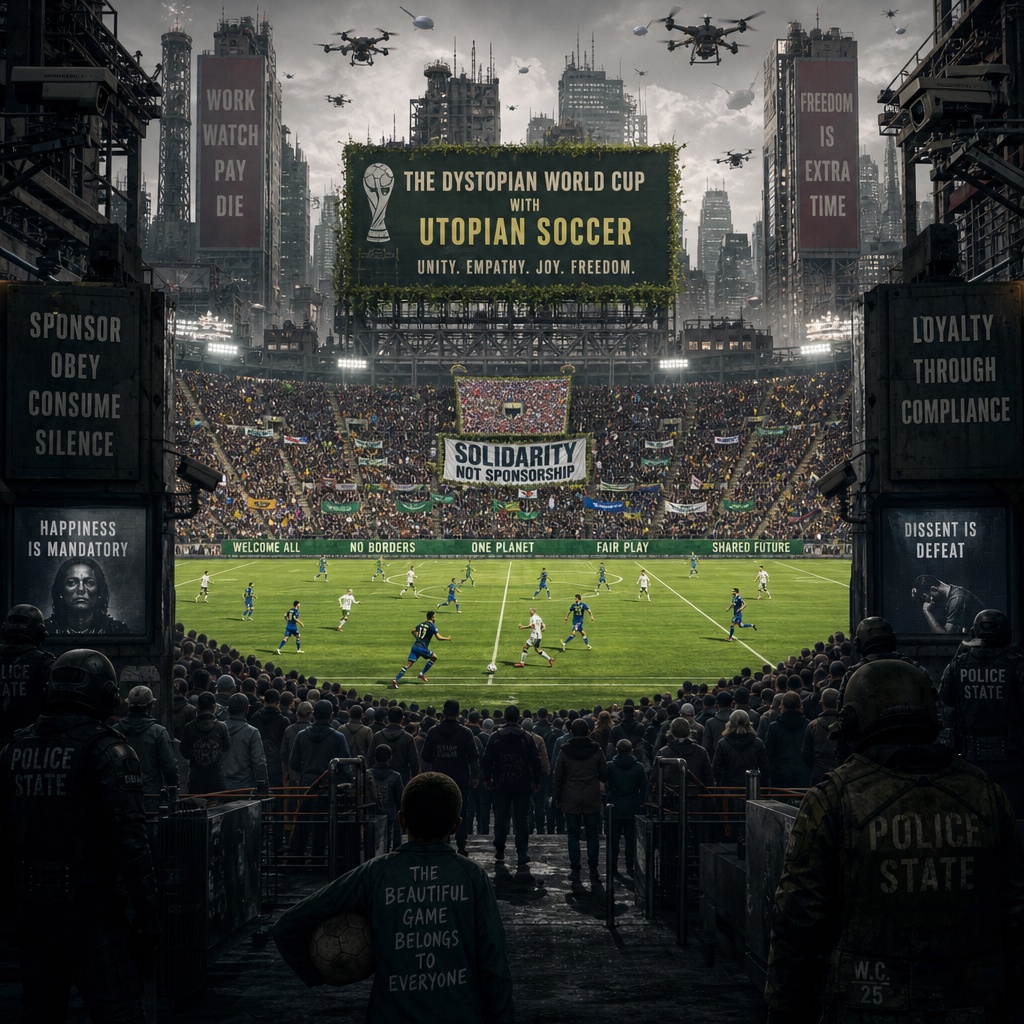
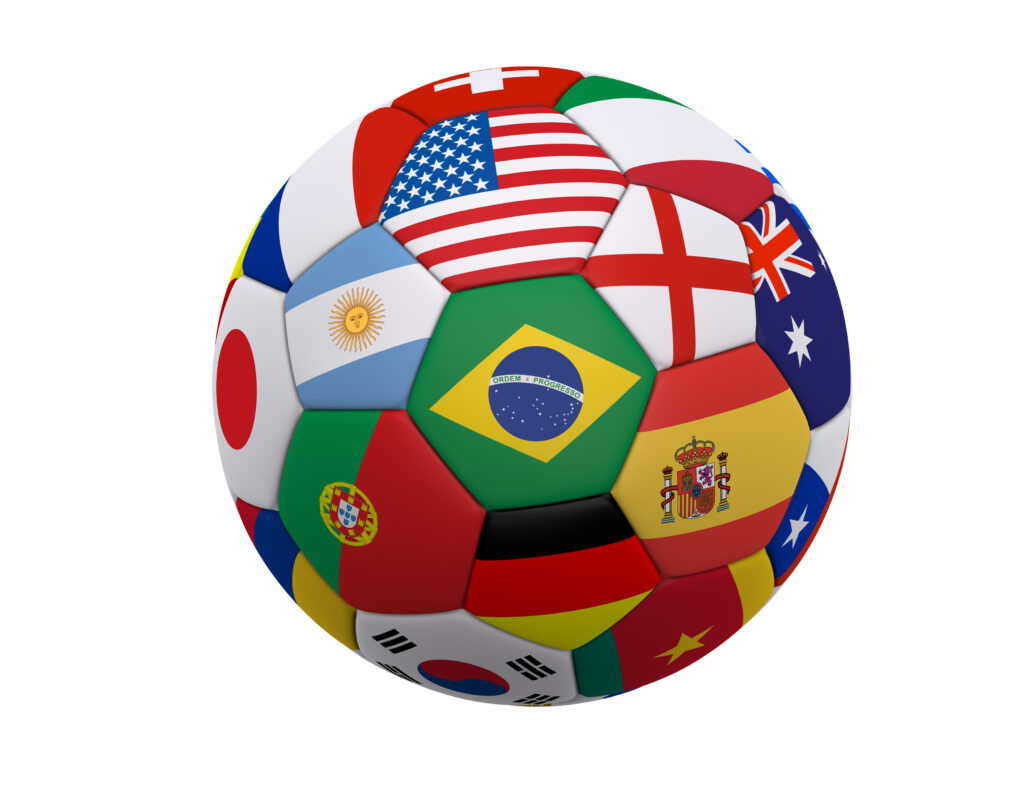
So how can there be utopian soccer with a dystopian World Cup? A World Cup featuring desirable soccer in an undesirable context is a contradiction!
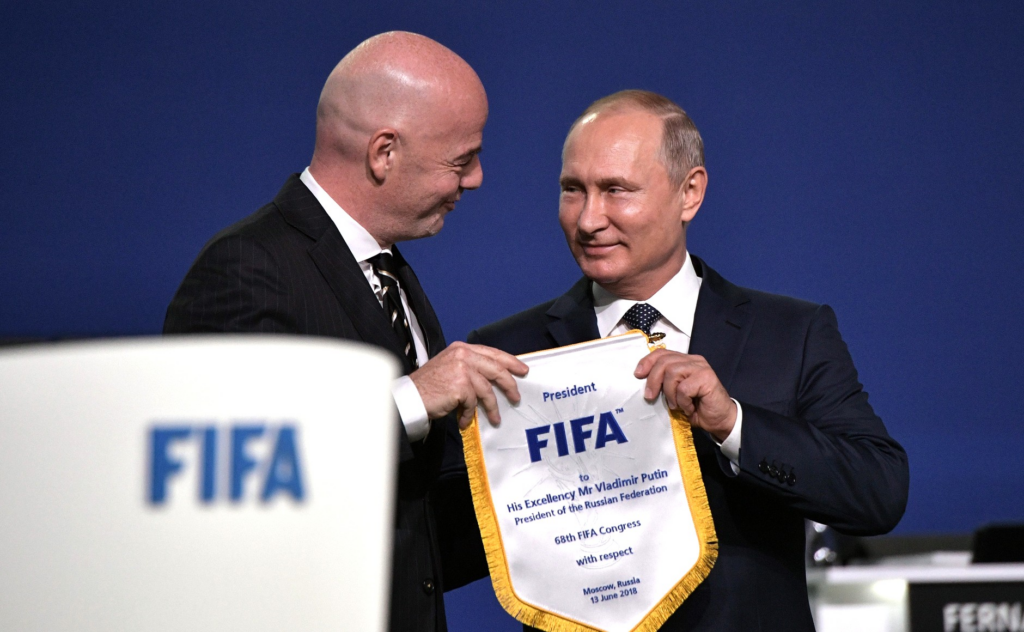
The decision to host the 2026 World Cup was made on June 13, 2018, during the 68th FIFA Congress in Moscow. The joint bid from Mexico, the U.S., and Canada—known as United 2026—defeated Morocco’s bid by a vote of 134 to 65, as Morocco could not compete with the others’ stadium infrastructure, hotel capacity, transportation networks, and prior experience.
However, the formulation of the joint North American bid was not entirely unrelated to the objectives of the existing trade agreement (geopolitical trade strengthening) among the three countries—an agreement that has brought them so many benefits in terms of supply chains, jobs, and competitiveness compared to other trade blocs such as the European or Asian ones.
So much so that while FIFA’s negotiations and final decision were taking place in mid-2018, the corresponding negotiations for the USMCA—signed in November of that same year, just five months after FIFA’s ruling—were also underway. This means that geopolitical integration for the world’s largest sporting event was deemed desirable and beneficial for the region comprising the signatories to the trade agreement. Furthermore, relations between Trudeau, Trump, and Peña Nieto were nowhere near as strained as they later became with the U.S. president, Carney, and Sheinbaum. The international landscape in 2018 appeared, by and large, relatively calm, especially among the three countries hosting the tournament. The utopian vision of a wonderful World Cup prevailed. Back then, no one could have imagined—just as when the Titanic set sail—what was to come.
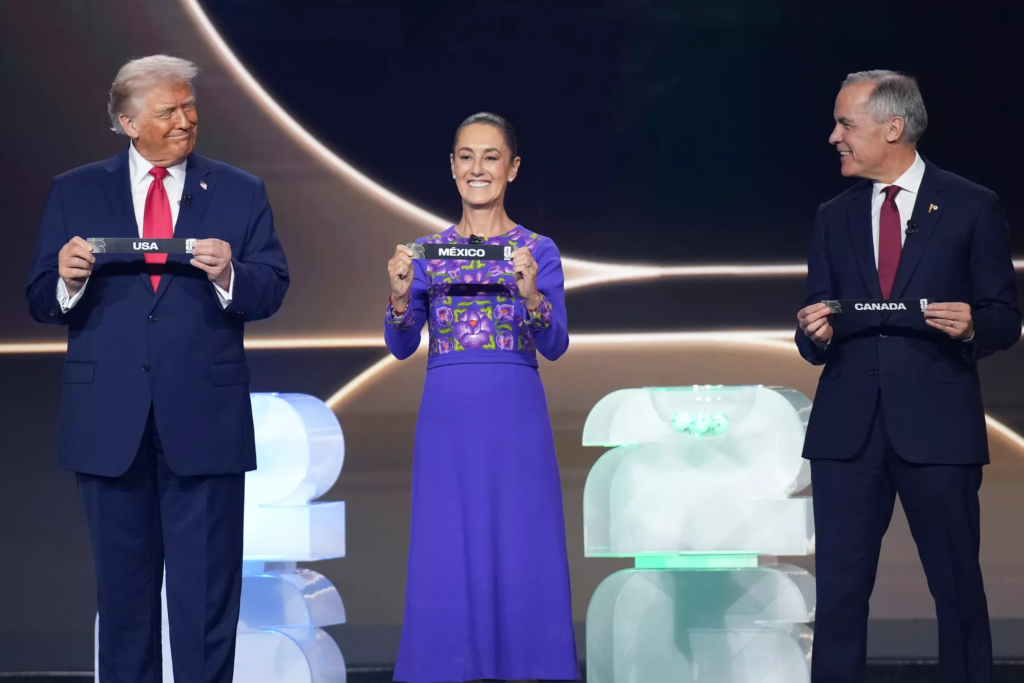
By 2022, Russia invades Ukraine, and the international landscape begins to grow more complicated and undergo a transformation. With Israel’s conflict with its neighbors and the horror in the Gaza Strip, the metamorphosis is set in motion. In 2025, Trump returns to the White House, wielding a double-edged sword: tariffs that disrupt the international trade order and his claims of extraterritoriality (Greenland, the Panama Canal, the Gulf of Mexico, and Venezuela) that further strain international relations—especially when he decides to support Israel by attacking Iran, to the point of sparking a war in the Middle East.
On the eve of the World Cup, that utopia of 2018 turns into a dystopia by 2026—just eight years later. Two countries with competing teams in the tournament—the U.S. and Iran—are at war. Russia continues to occupy and bombard Ukraine; Trump captures Maduro in Venezuela and threatens to intervene in Cuba and Mexico (another competitor in the tournament).
In addition to this international context, in our country—the host of the tournament’s opening ceremony—the scenario could not be more dystopian: conflict between the National Coordination of Education Workers (CNTE) and the Sheinbaum administration; justified protests by the “searching mothers”; marches by retirees from PEMEX and CFE; the Ayotzinapa students, workers in the judiciary and the healthcare sector—all of which, combined with the greed of FIFA that prevented Mexicans of modest means from attending their own stadium due to the unaffordable cost of tickets, are suffocating the city with unfinished construction projects for the event (especially the Benito Juárez Airport and the Metro). And to cap off this great dystopia, a president who fails to assume her role and responsibility as head of state during the opening ceremony, leaving a void that FIFA fills with an actress.
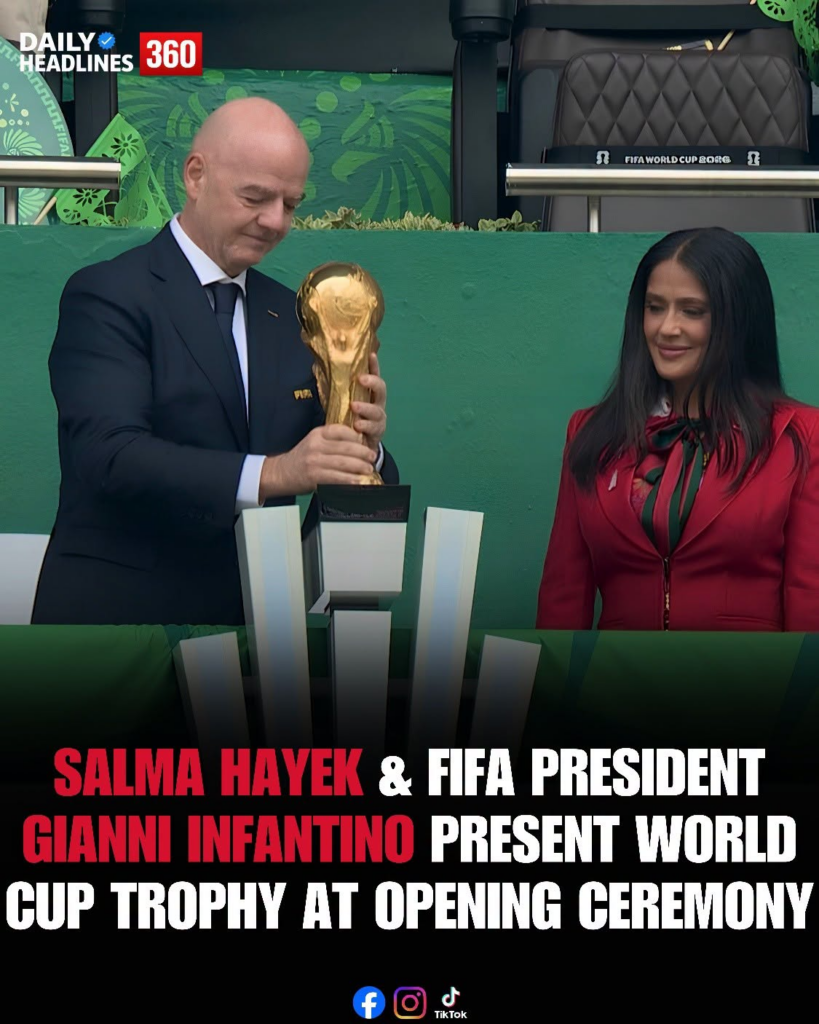
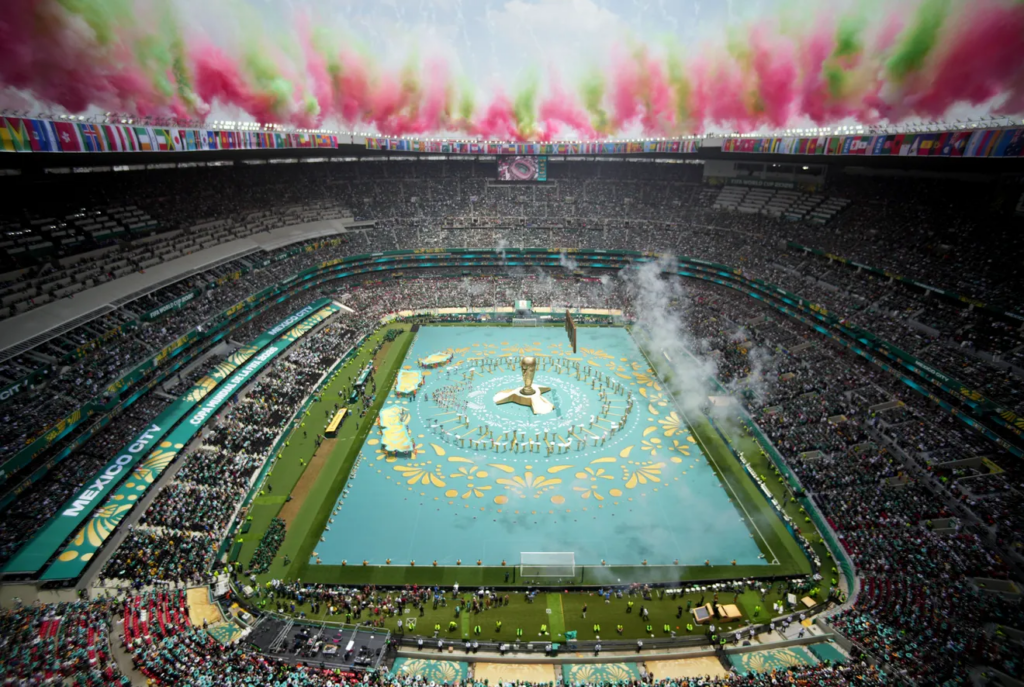
Despite all these international and national calamities, the opening ceremony and the first World Cup match drew 40 million TV viewers, and in a stadium packed with 80,000 fans, the referee’s whistle blew, and the ball rolled. The euphoria with every goal scored by the national team and the joy at the final whistle erupt uncontrollably like lava from an erupting volcano. So how was it possible to combine such a profoundly dystopian setting with a utopian expression of the World Cup? Weren’t dystopia and utopia supposed to be opposites and antithetical?
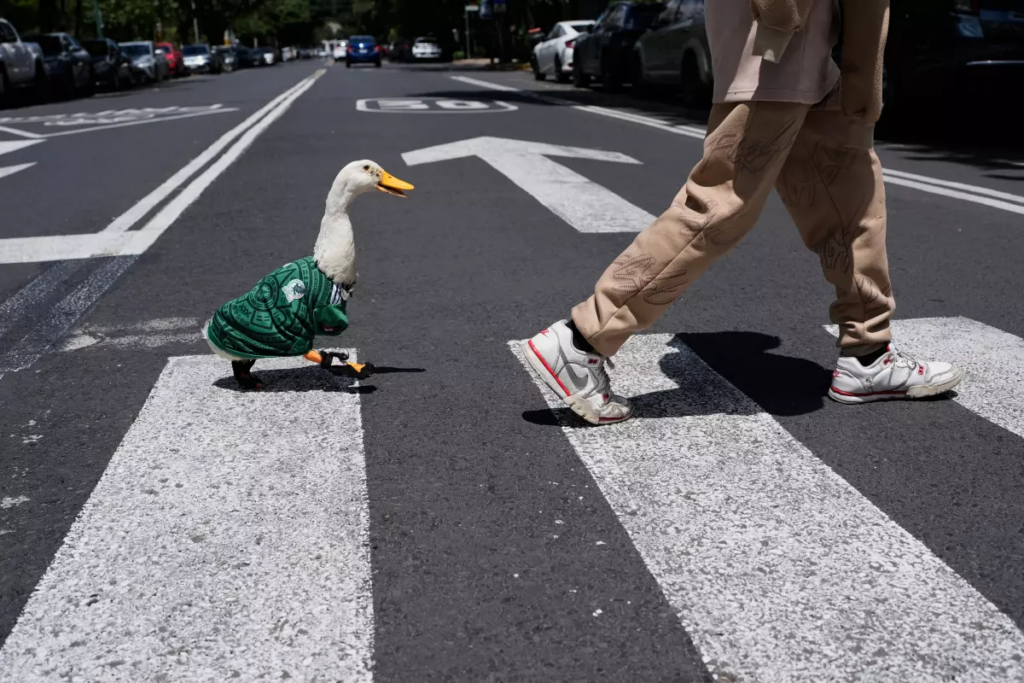
I have no other answer than the magic of soccer (it’s no coincidence that the duck who became a viral mascot is named “Merlin”), understood as a sort of “civil religion” that everyone—regardless of age, gender, sexual orientation, nationality, race, religion, ideology, etc.—practices.
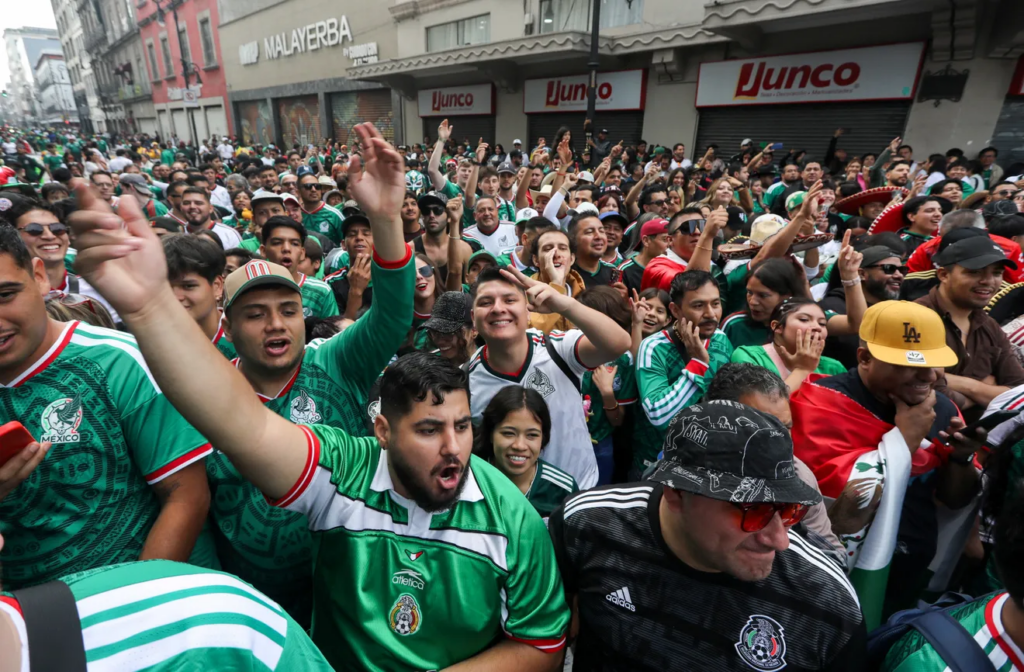
Just as in ancient Greece, where the Olympics brought about a symbolic truce that momentarily suspended hostilities to prioritize sport, soccer does the same by highlighting a profound collective identity that erases the social polarization typical of the ruling populism and unifies what was divided, separated, or outright broken. It brings together the young with the middle-aged and the elderly, women with men, LGBTTTIQ+ people with heterosexuals, believers with agnostics, foreigners with nationals, the “fifi” with the “chairo,” and so on—an endless list of opposites.
In short, the soccer utopia—at least for the duration of the tournament—halts and reverses the international and national political dystopia. Fragmented societies like ours in the United States and Iran temporarily mend their fractures with the glue of soccer. Shakespeare masterfully describes this in *King Lear* with a storm that rages on, in all its intensity—with hurricane-force winds, heavy rain, hail, and thunder—but the audience is engrossed and sheltered within the arena of the game; they don’t mind getting soaked, and they don’t look up at the sky. BLESSED SOCCER!
Further Reading: