New World Order: Power, Threats, and Alliances.

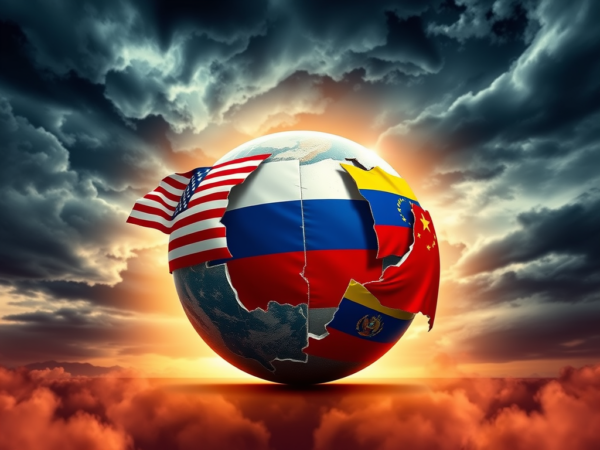
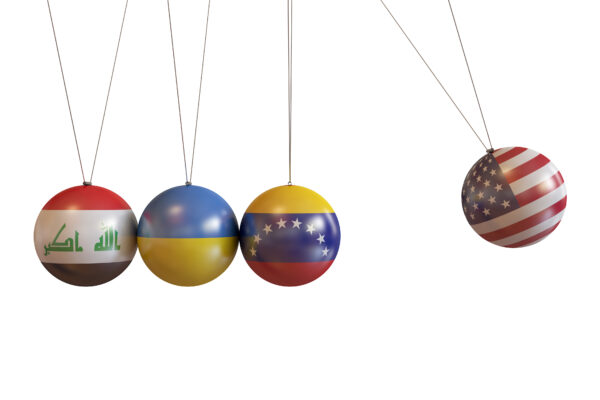
The article discusses the escalating geopolitical tensions driven by US interventions, particularly in Venezuela, which are reminiscent of Russia’s actions in Ukraine. It critiques Mexico’s lack of coherent foreign and national security policies under its current leadership, highlighting the risks posed by external threats and internal inconsistencies.

The Collapse of International Diplomacy in the Trump Era.

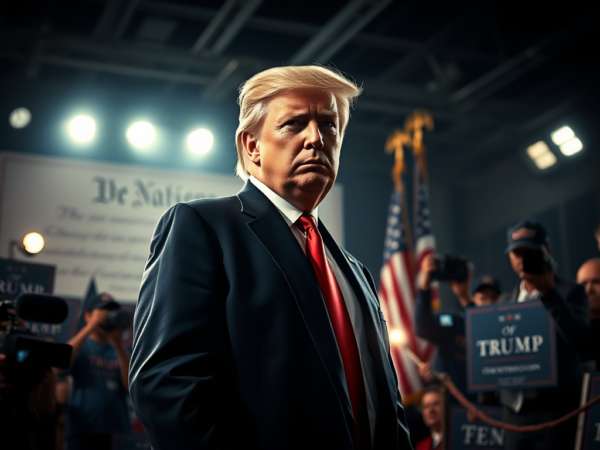
Since the Congress of Vienna in 1815, the need for institutional mechanisms to prevent chaos has been clear. The U.S. played a pivotal role in fostering global stability post-World War II, emphasizing peace over force. However, under Trump, this commitment has eroded, leading to a dangerous precedence of coercion over diplomacy.

After Maduro’s Capture, the Shockwaves Reach Mexico.

U.S. pressure on Mexico may compel significant decisions regarding organized crime and Cuba following Nicolás Maduro’s capture. The evolving political landscape threatens Mexico’s stability, as internal dynamics and the potential influence of Cuban intelligence could impact regional security. Mexico’s pragmatic governance faces increased scrutiny from the U.S. amidst rising crime challenges.

Eurasia Group Top Risks 2026

The year 2026 marks significant geopolitical instability, driven by an unpredictable U.S. political shift and ongoing global conflicts. While some nations, like China and India, bolster their positions, Europe faces heightened challenges. An AI revolution is also underway, complicating governance. The global landscape is turbulent, with lasting implications for future generations.

Venezuela’s Strategic Role in Global Conflicts.

The power of weapons is evident. A country that spends nearly $200 billion annually on defense, invests around $200 million daily, and, at least in theoretical terms, has the best army in the world, should be able to impose its will. Both the United States and Russia boast cutting-edge armed forces, but recent experience has shown that theoretical superiority does not guarantee victory.

U.S. National Security Strategy.

This official report of the United States Government outlines the priorities of the Trump administration concerning foreign policy, revealing a shift in its geopolitical strategy and values.

The End of American Hegemony: China’s Rise Explained.

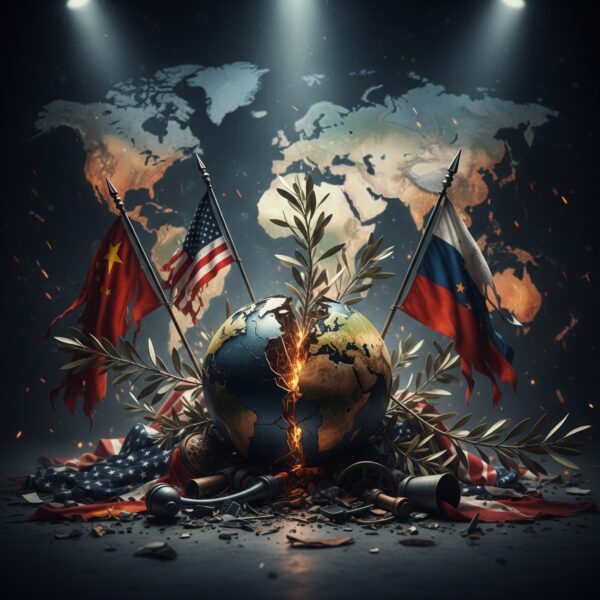
The recent display of power by China signifies a shift away from the values of democracy, human rights, and equality once championed by the West. With the U.S. under Trump’s leadership becoming increasingly isolated, authoritarian regimes are strengthening alliances. The global order is changing, favoring authoritarianism over democratic principles.

Two Questions for the Oracle of Delphi.

Delphi, Greece, historically a pilgrimage center for prophecy, raises questions about democracy’s future. Philosopher Fernando Savater emphasizes citizen responsibility in a democracy. The conflict with China, which lacks fundamental freedoms, is highlighted. Despite challenges, democracy persists through its adaptability and civil society, contrasting with China’s authoritarian model.

The Axis of Power is Cracking.

The content reflects on the historical and current significance of Athens as a cradle of knowledge and democracy, connecting it to contemporary global power shifts, particularly toward Asia. It discusses China’s economic rise, the decline of European influence, and questions the implications for human rights and individual sovereignty in this evolving landscape.

Shares