

Ignacio Morales Lechuga
Extortion and indifference came before justice, as the District Attorney’s Office decided not to search for Edith Guadalupe Valdés Zaldívar, wasting critical hours amid excuses and demands for bribes to review surveillance footage. Faced with this state neglect, the young woman’s family had to take on the role of field investigators and experts, accomplishing what the authorities refused to do: locating the motorcycle taxi and mapping the evidence; it was the family’s strategy and their occupation of Avenida Revolución that finally forced entry into the building, yet it came too late due to bureaucracy; by then, Edith had already been found dead inside a bag in the basement.

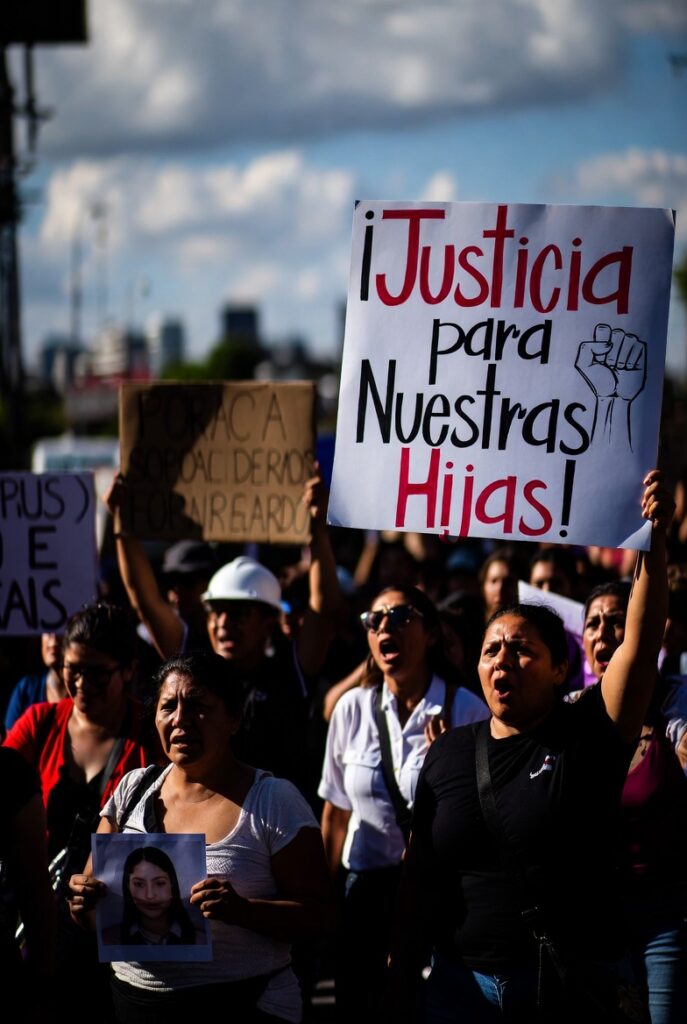
Edith’s case is not the exception; it is the rule. In March, the family of Berenice Ocampo Ramírez protested that three years after her disappearance, the investigation remained at a standstill. In January, the relatives of Mitzy Nahomi Hernández Barrera took over Avenida Tláhuac in response to the Prosecutor’s Office’s inaction. In March 2025, the family of 15-year-old Alison Rodríguez Domínguez blocked Calzada Ermita because the Office of the Attorney General of Mexico City (FGJCDMX) refused to hand over the C5 footage. In September of the same year, the families of Nicol and Eder blocked the street in front of the “Bunker,” demanding that basic investigative procedures be initiated. In October, the family of Kimberly Hilary Moya González held a 16-hour sit-in on Periférico Norte.
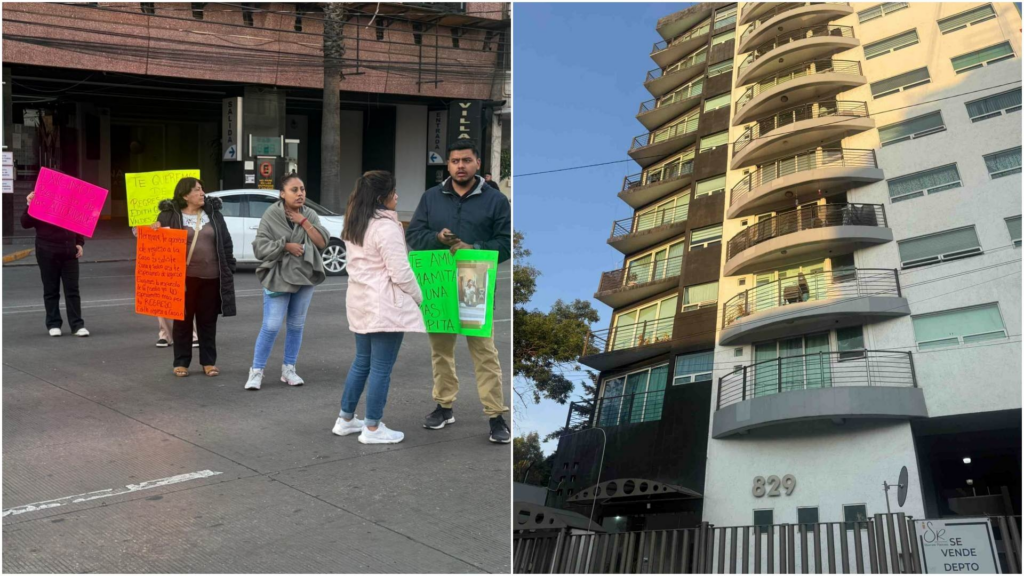
It is an insult that the engine of justice only starts up when the streets are blocked; forcing families to paralyze a city to be heard is not a failure of the system, but a calculated institutional decision: that of not acting as long as the victims’ silence suits them.
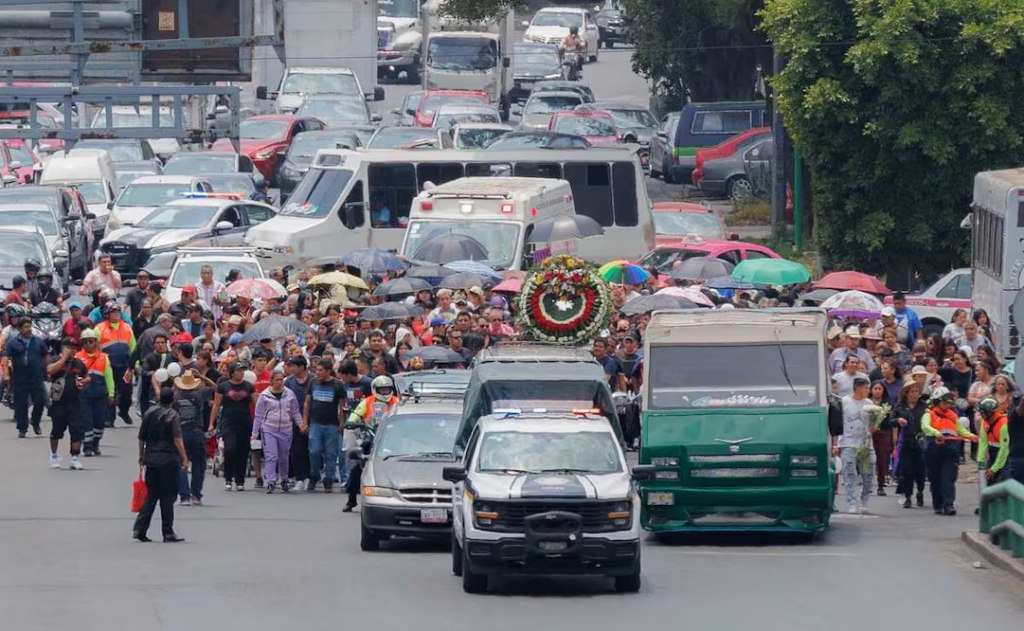
We cannot blame the processes for what is, at its core, a lack of commitment; every public servant determined to honor their badge knows that the law offers fast-track procedures for action; that a search warrant or inter-agency coordination can be secured within hours when a diligent public servant is in charge. The supposed bureaucratic paralysis is merely a mask for inaction; when there is a hunger for justice, the tools to respond immediately are available.

Judicial reform was sold as the panacea against impunity, a political strategy centered on dismantling the judiciary under the promise of rooting out corruption. However, this diagnosis ignores the fact that the true cancer of justice in Mexico has an earlier and deeper origin: the Prosecutor’s Offices. It is a systemic crisis that transcends names and presidential terms because the vices of the Public Prosecutor’s Offices remain intact. There, where case files are not properly compiled, evidence goes missing, and bribes are demanded to “get things moving”—that is where justice dies before it is born. No judge, no matter how upright, can convict a criminal whose case was never properly compiled.

Meanwhile, Citlalli Hernández, who until April 16 held the position of Secretary for Women, did not resign because Edith, Alison, Mitzy, Kimberly, or Berenice. She resigned to coordinate Morena’s electoral alliances leading up to 2027. While the Secretariat created to serve women was left leaderless, a family was burying their 21-year-old daughter.
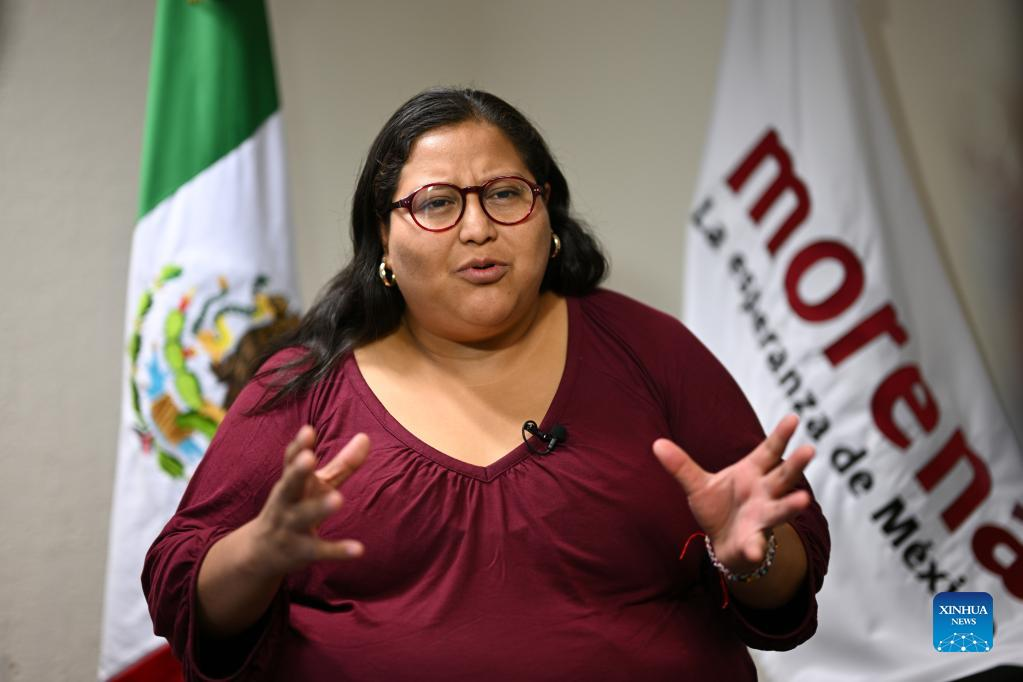
It is clear that for Citlalli, the electoral calendar takes precedence over the victims. What good is the President’s gender discourse if the head of the Secretariat created to protect women leaves her post after just over a year to campaign? Edith’s death did not interrupt any agenda; the elections, on the other hand, could not wait.

In Mexico, it is the families who learn to investigate; mothers become detectives, evidence gatherers, negotiators, and strategists in the face of media pressure. The state has shifted its responsibility onto the victims, who, amid crisis and pain, must invent resilience, protocols, work, answers, and solace.

A government that touts a gender agenda and boasts of having a female president while prosecutors act only under pressure—a government that manipulates the timing to extort victims until their bodies turn up in basements and open fields—is a government that lies and manipulates.
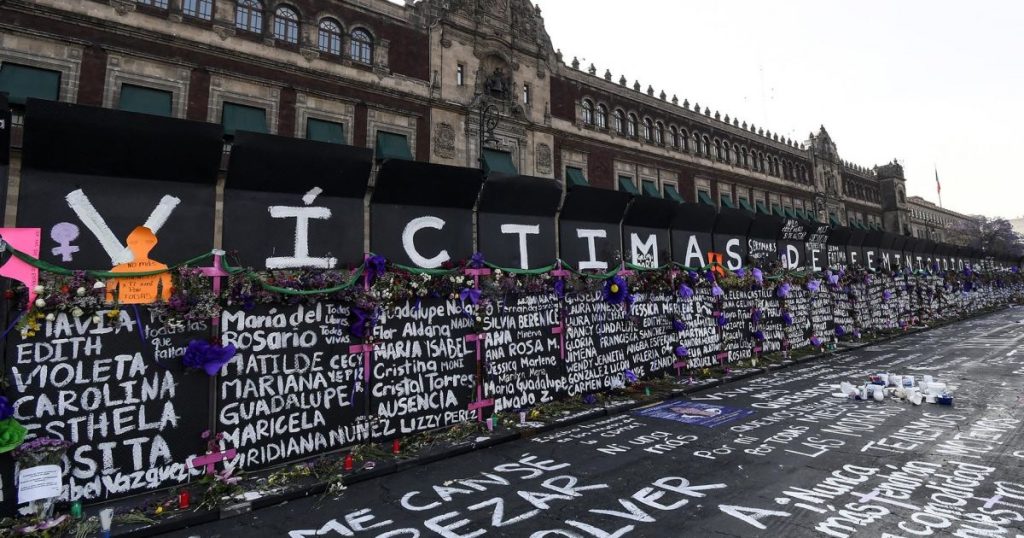
Edith and many other women can no longer demand anything; we, however, can.
Further Reading: