
The Real Cost of Tariffs on US and World Economies (part 2).

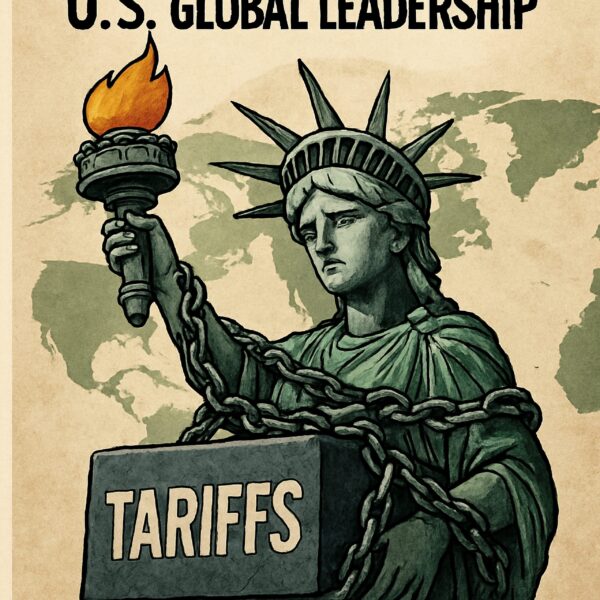
Trump’s tariffs on China are seen as hasty moves aimed at rallying his supporters, rather than as a coherent strategy. Their reversal points to rising costs for American consumers and industry, potentially causing inflation. The approach has alienated international allies, risking the US’s economic credibility while China advances globally.

The Geopolitics of Tariffs

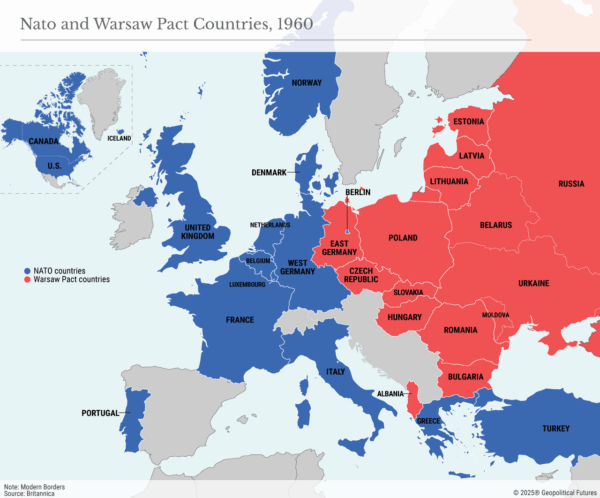
George Friedman discusses the transition into an unanchored world order characterized by uncertainty. He highlights the difference between geopolitical imperatives, which dictate nation actions, and geopolitical engineering, which balances internal politics. The established 20th-century order has eroded, paving the way for a new era defined by shifting norms and unpredictable outcomes.

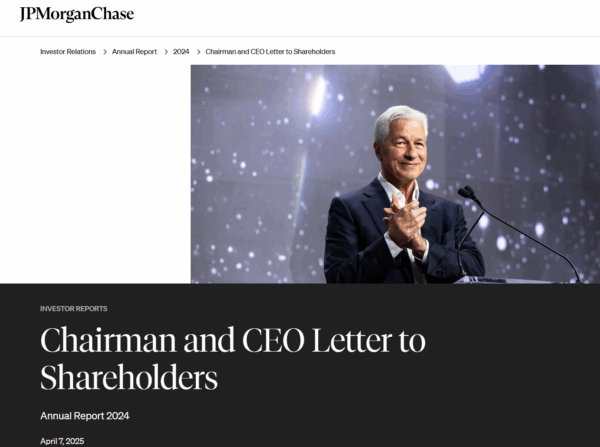
Jamie Dimon Letter to JP Morgan Chase Shareholders on Annual Report 2024.

In 2024, JPMorganChase faced global challenges while achieving record revenues of $180.6 billion and net income of $58.5 billion. The firm emphasized its role in economic growth, extending $2.8 trillion in credit, and addressing corporate responsibilities. Concerns about geopolitical tensions and economic stability persist, underscoring cautious optimism for the future.

The Real Cost of Tariffs on US and World Economies.

Trump’s tariffs are intended to protect U.S. industries but have led to significant economic repercussions, including inflation, recession, and stagflation. The tariffs impact U.S. GDP negatively and trigger retaliatory measures from other countries, disrupting global trade and supply chains, particularly affecting industries reliant on exports. The ongoing economic implications warrant close monitoring.

Luis Maizel’s Monthly Letter: This Puzzle is Missing Pieces.

The letter discusses global uncertainty due to unpredictable U.S. tariffs and ongoing international crises, particularly between Russia and Ukraine and in the Middle East. It highlights economic impacts, including rising car prices and decreased consumer confidence, while noting contrasting investment influxes. Mexico’s economic challenges are also analyzed amidst these tensions.

Honda, Nissan, and a Mexican.

Honda and Nissan, both significant Japanese automakers with distinct histories, recently attempted a merger to enhance competitiveness amidst evolving automotive challenges. However, the deal collapsed due to Honda’s reluctance for shared hierarchy. Post-failure, Nissan appointed Iván Espinoza as CEO, tasked with navigating competition from American and Chinese manufacturers in the industry.

US Tariffs on Mexico’s Exports.

The document provides navigation controls for reading and suggests additional resources through various links. These resources cover topics such as economic outlooks, political risks, and analyses of significant policies, including foreign relations and tariffs, aimed at fostering further knowledge on global issues and projections for 2025.

Luis Maizel’s Monthly Letter: Uncertainty Persists

On March 3rd, impending tariffs on imports from Mexico and Canada raised concerns over inflation and consumption in the U.S. The article discusses the complexities of trade relationships, the response to President Zelensky’s visit, and the uncertain economic outlook, particularly regarding tariffs, government spending, and foreign investments, including in Mexico.

Shares