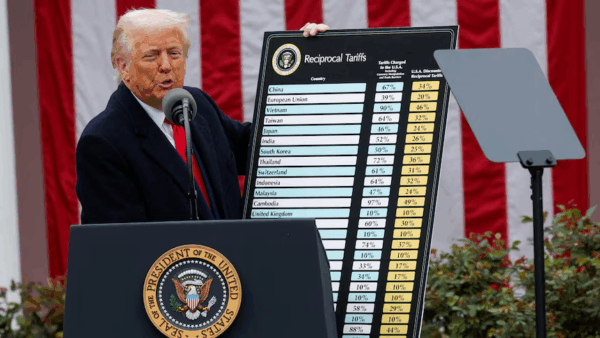
The Real Cost of Tariffs on US and World Economies.

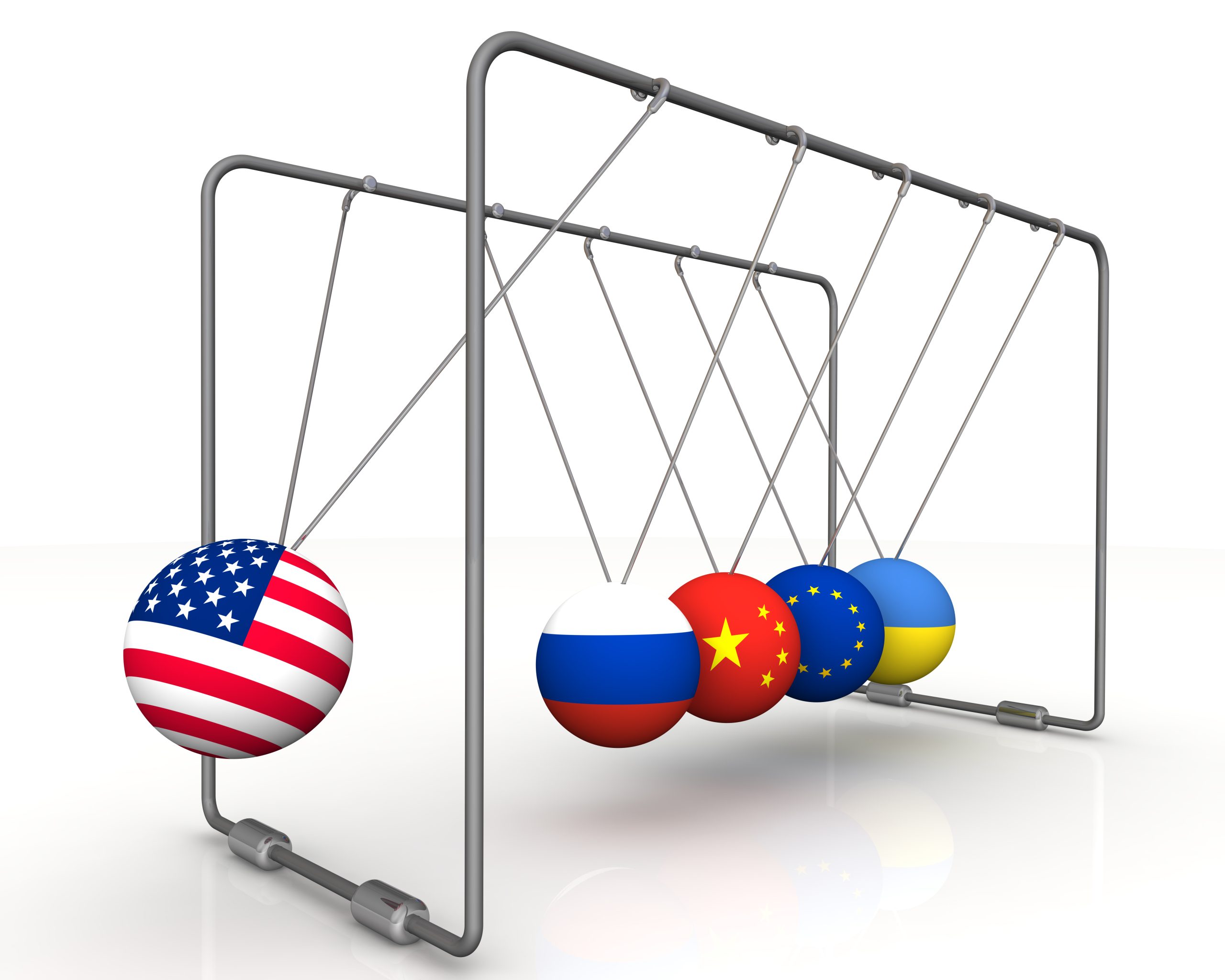
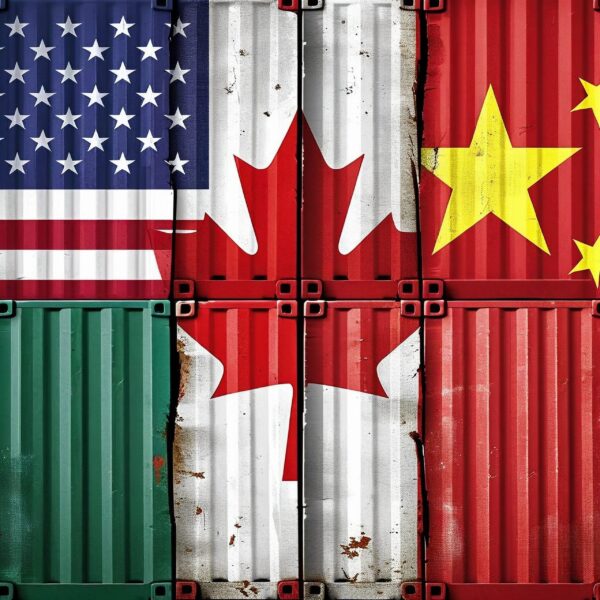
Trump’s tariffs are intended to protect U.S. industries but have led to significant economic repercussions, including inflation, recession, and stagflation. The tariffs impact U.S. GDP negatively and trigger retaliatory measures from other countries, disrupting global trade and supply chains, particularly affecting industries reliant on exports. The ongoing economic implications warrant close monitoring.

Luis Maizel’s Monthly Letter: This Puzzle is Missing Pieces.

The letter discusses global uncertainty due to unpredictable U.S. tariffs and ongoing international crises, particularly between Russia and Ukraine and in the Middle East. It highlights economic impacts, including rising car prices and decreased consumer confidence, while noting contrasting investment influxes. Mexico’s economic challenges are also analyzed amidst these tensions.

Honda, Nissan, and a Mexican.

Honda and Nissan, both significant Japanese automakers with distinct histories, recently attempted a merger to enhance competitiveness amidst evolving automotive challenges. However, the deal collapsed due to Honda’s reluctance for shared hierarchy. Post-failure, Nissan appointed Iván Espinoza as CEO, tasked with navigating competition from American and Chinese manufacturers in the industry.

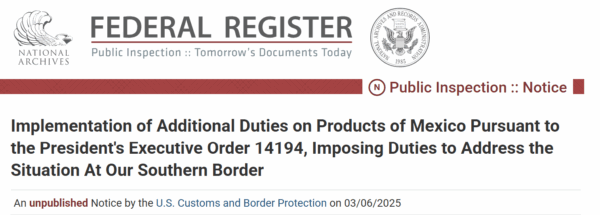
US Tariffs on Mexico’s Exports.

The document provides navigation controls for reading and suggests additional resources through various links. These resources cover topics such as economic outlooks, political risks, and analyses of significant policies, including foreign relations and tariffs, aimed at fostering further knowledge on global issues and projections for 2025.

Luis Maizel’s Monthly Letter: Uncertainty Persists

On March 3rd, impending tariffs on imports from Mexico and Canada raised concerns over inflation and consumption in the U.S. The article discusses the complexities of trade relationships, the response to President Zelensky’s visit, and the uncertain economic outlook, particularly regarding tariffs, government spending, and foreign investments, including in Mexico.

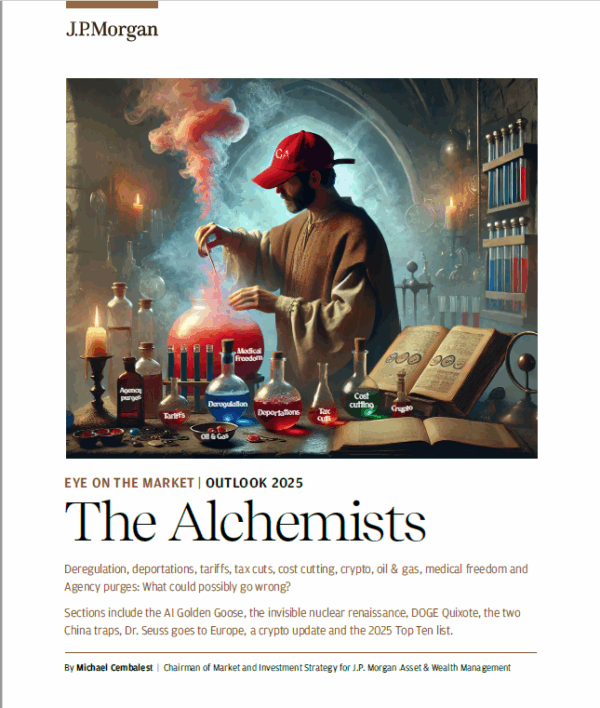
JP Morgan’s Eye on the Market 2025 Outlook.

The document provides navigation instructions for reading its contents and includes a list of additional resources and videos related to various topics, such as Trump’s foreign policy, global economic prospects, and political risks for 2025. Each link offers further insights into distinct global issues.

An Attempt at Explaining Trump’s Foreign Policy.

U.S. President Donald Trump’s second term emphasizes a shift in foreign policy, marked by aggressive tariffs against China and threats to allies. While these actions reflect a strategy to leverage economic power for concessions, new initiatives like the annexation of Greenland suggest broader ambitions, potentially transforming trans-Atlantic relations.

Shares