

Guillermo Valdés Castellanos
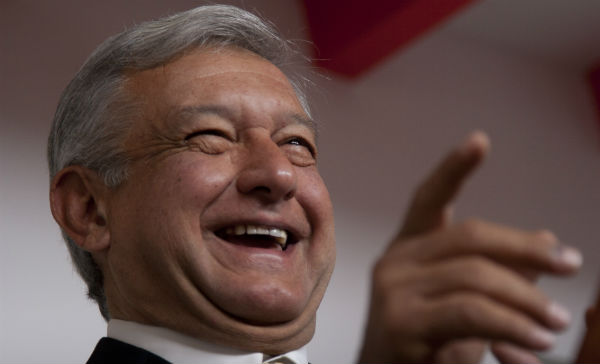
López Obrador has always been a cynic. He didn’t mind coming across as a consummate hypocrite. He boasted that he wasn’t like the rest—that he didn’t lie, steal, or betray—but he would laugh when people pointed out that he was lying, as if to say, “Yes, I’m lying—so what?” He also offered the most childish excuses for the corruption of his children and friends. He enjoyed the anger he provoked in his critics more than being exposed as a false and inconsistent figure; he boasted of his hypocrisy because he knew it wouldn’t affect his popularity. His narcissism is so immense that it overshadows the crude display of his wickedness.
Claudia Sheinbaum does not have that disposition. She has sought to build a different image—that of a leader consistent with her leftist past and academic background, of an austere woman untouched by the temptations of money and power; concerned with restoring seriousness to the exercise of government and putting limits on the rampant corruption and lawlessness among her party’s members.
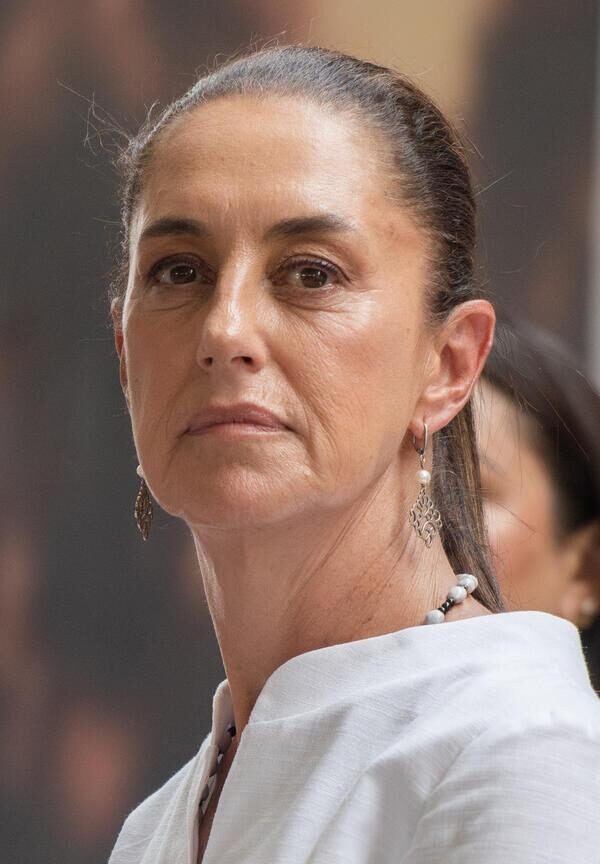
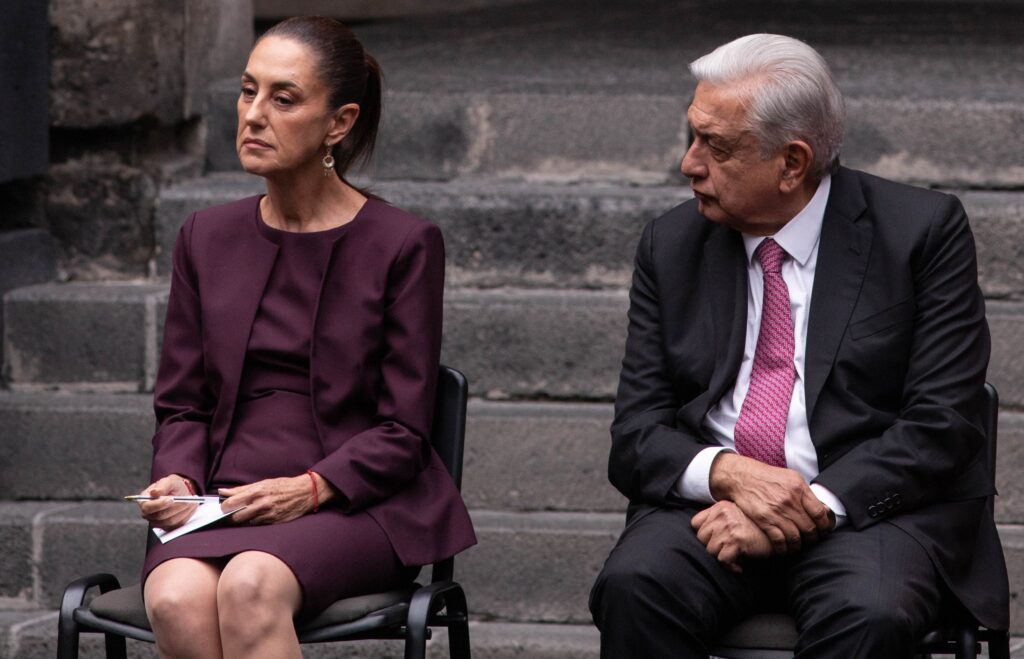
However, reality has gradually caught up with her. Her ideological affinities and personal commitments to AMLO; the obscene exposure of the failures and mistakes of the previous six-year term; the power wielded by corrupt figures and groups within her party; and, more recently, the need to uphold the pact of impunity for those who colluded with organized crime—all to avoid fracturing the unity of her movement—have forced her to give in, and give in, and give in again.
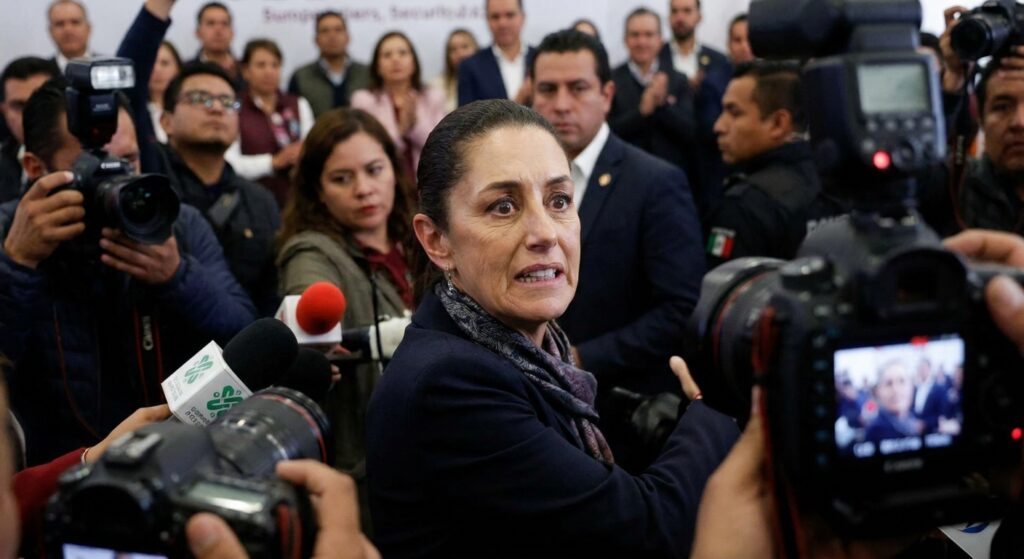
The president’s strained expression, her forced laughter, her intolerance of questions, and the increasingly frequent and brazen lies she tells during her morning press conferences are unquestionable signs of the discomfort she feels at being aware of how she is acting with ever-greater inconsistency—that she is becoming just as deceitful and inconsistent as her predecessor.
However, it matters little whether those in power enjoy or suffer from their actions and decisions. What matters are the actions themselves and their consequences. With the decision to include Ernesto Ruffo—at the last minute and without solid grounds—in the charges of fuel theft and organized crime against the Ingemar company, Sheinbaum is crossing a very dangerous line for the country: the crude, selective, and discretionary politicization of justice.

It’s not as if this is anything new; the PRI used selectivity at will as an instrument of political control, though it did not usually invent crimes; AMLO not only did so selectively but also fabricated crimes, as in the cases of Rosario Robles and Murillo Karam (with the complicity of Ernestina Godoy, as well as the approval and delight of Gertz Mañero). Those incarcerations were consistent with AMLO’s malice and cynicism.
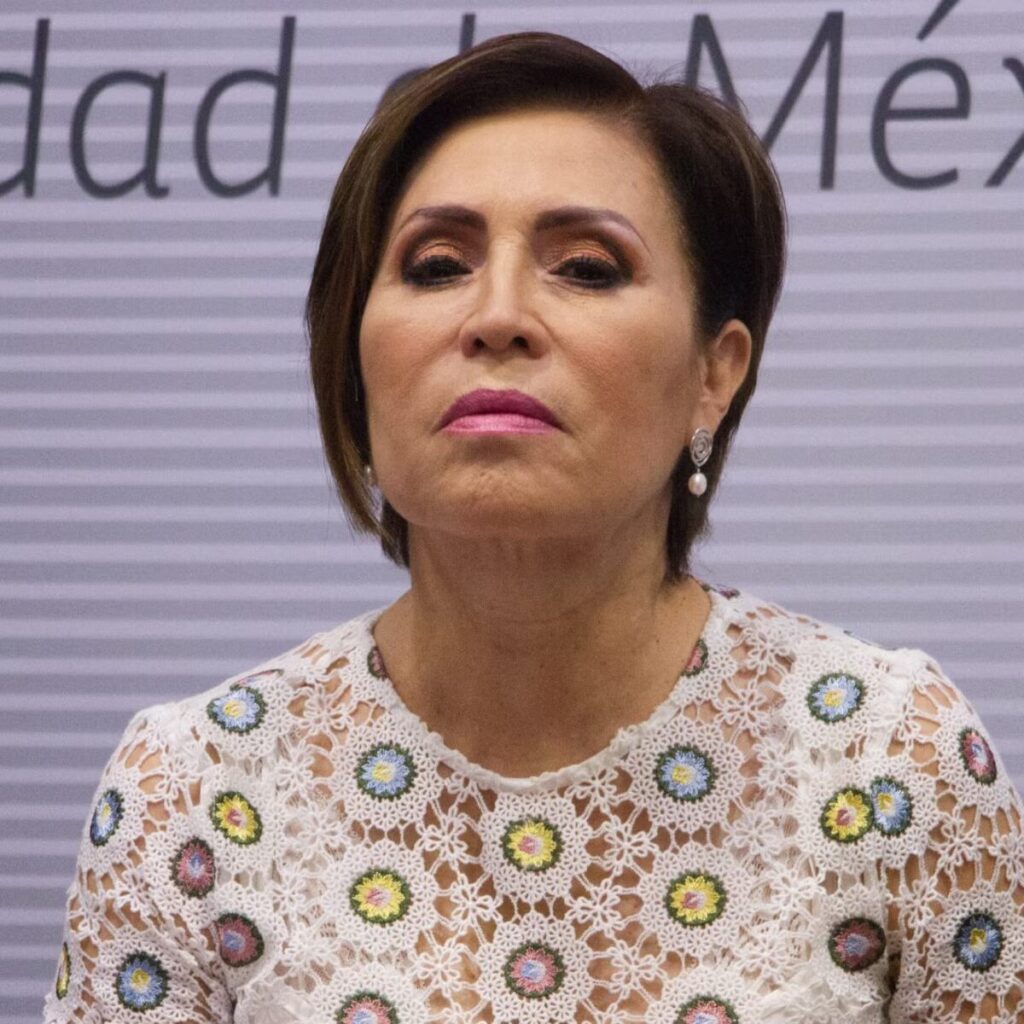
Now Sheinbaum is joining in on this practice that mocks and nullifies the rule of law; her repeated denial of Rocha Moya’s and Marina del Pilar Ávila’s ties to organized crime is understandable—at least her lie is cloaked in the argument of sovereignty. As for Ruffo, this is sheer desperation with no possible justification, compounded by the crude manipulation of a judge handpicked by the political machine, since a previous judge had denied several requests for an arrest warrant due to lack of evidence.
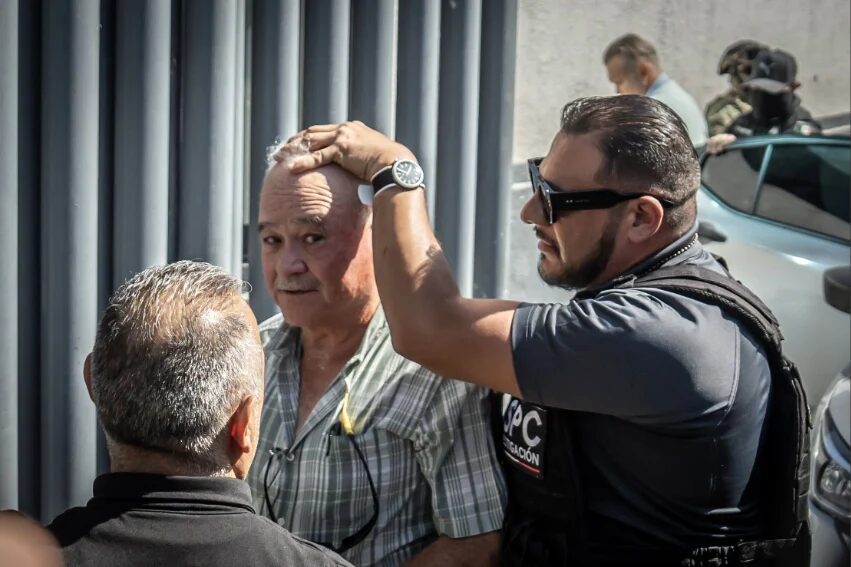
When the exercise of power is almost completely stripped of legality and rationality, and its true motives come to light—to divert attention from Governor Ávila’s scandal and attempt to pin the leadership of a crime bearing the Morena party’s hallmarks on an opposition figure—what remains in plain sight is pure and simple arbitrariness. Power without authority; hard-line authoritarianism.

The anti-democratic constitutional changes took place some time ago; now Sheinbaum is reaping the benefits and exercising them without restraint, and in doing so, she is dragging her government and the country into an abyss: that of power based on the abuse of justice.
Further Reading: