
墨西哥的成長之路: 向亞洲經濟體學習。
中美衝突的根源早於川普,兩國經濟互補卻漸行漸遠。中國專注科技教育,經濟改革成效明顯,而墨西哥面臨挑戰,政治及經濟改革不斷受阻。亞洲國家的成功案例顯示,變革需有明確方向和堅持努力。
The U.S.-China conflict has evolved from a previously complementary relationship, prompting significant global shifts. China’s focus on STEM education contrasts with U.S. deficiencies, highlighting Mexico’s struggles in achieving similar reforms. Observing Asian successes without authoritarianism offers lessons for Mexico, emphasizing the need for coherent economic strategies and infrastructure development.
The article discusses the potential collapse of the post-World War II international structure due to the rise of Trumpism. It highlights a crisis in democracy, the erosion of ethical standards, and questions the effectiveness of international cooperation, particularly in supporting developing nations. The implications for global governance and democracy are dire if current trends continue.
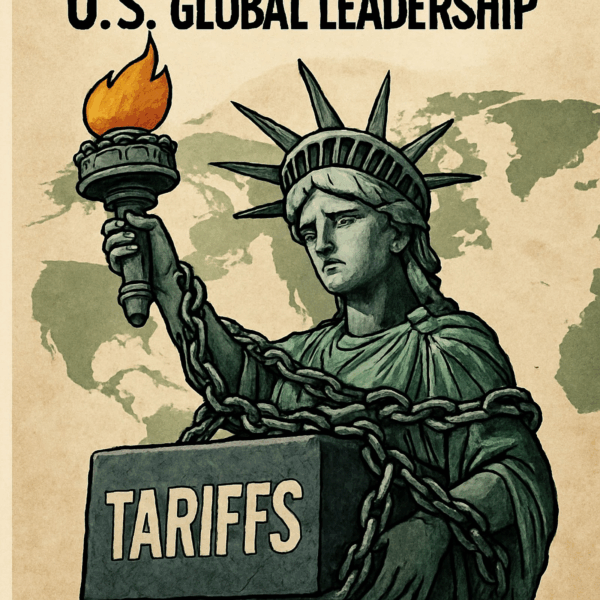
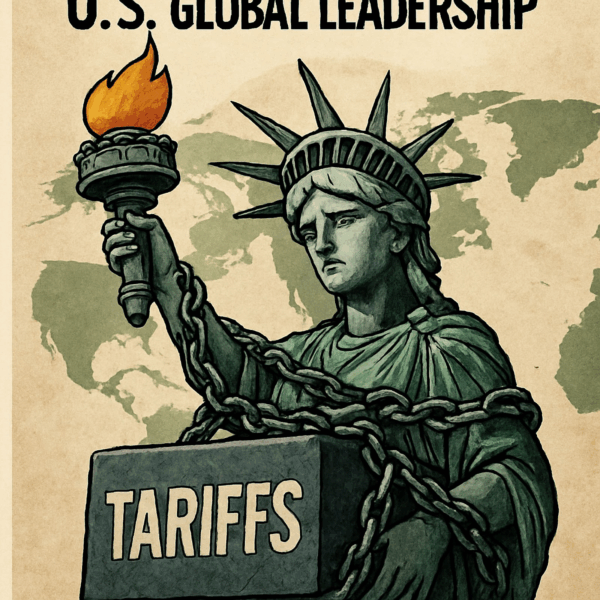
We started the month with the news of the imposition of special tariffs on Mexico, Canada, and China. However, after Trump’s conversations with Sheinbaum and Trudaeu a few hours later, the “punishment” was deferred, and tariffs will not be imposed until March 1st. I don’t …
The content discusses the global crises stemming from institutional failures post-World War II, comparing the current U.S. situation to historical empires. It highlights the rise of populism linked to disillusionment with democracy, the shift in global power towards China, and the need for new sovereignty concepts in North America. The piece critiques failed governance in Europe and addresses geopolitical dynamics in the Middle East and Russia.
The newspaper Reforma reports that Donald Trump’s administration plans to deport 5 million undocumented Mexicans starting January 20, 2025, revealing the largest nationality of undocumented migrants. The situation raises concerns about deportees’ safety, as 23 countries refuse to accept their citizens. Trump’s actual deportation numbers remain uncertain, with historical context suggesting limited impact.
The content highlights key discussions involving political and economic themes. It covers Germany’s potential exit from the EU, insights on global order from Fukuyama and Bremmer, technological involvement in governance from Andreessen, Dimon’s economic concerns, and Harari’s reflections on truth in the face of information overload and ecological crises.
Carl Sagan, a key figure in popularizing astronomy and understanding the cosmos, influenced humanity significantly through his works, including “Cosmos”. He warned about ecological issues and promoted peaceful communication in space. The world’s population trends highlight linguistic diversity, urbanization, and demographic challenges, emphasizing sustainability as a critical future concern.
Gold is set for its best annual performance in a decade, rising 28% by November, driven by central bank and investor buying amidst declining consumer demand. Looking ahead, investor sentiment hinges on potential economic impacts of Trump’s second term, trade tensions, and inflation, influencing gold’s future growth trajectory.
The COVID-19 pandemic reversed progress in eradicating extreme poverty, with millions falling into poverty globally, including a significant rise in Mexico. This highlights growing wealth inequality and social discontent. Two economic models emerge in response: one focusing on extensive state interventions, the other on private sector-driven solutions, with differing implications for governance and democracy.