
「我們所知的世界已死」
這篇文章探討了當前全球政治的危機,特別是美國在軍事和經濟上的衰退,及中國和印度崛起的影響。此外,作者指出歐洲和中東的結構性問題,以及極右勢力的崛起,共同導致民主的破壞和社會整合的失敗。
這篇文章探討了當前全球政治的危機,特別是美國在軍事和經濟上的衰退,及中國和印度崛起的影響。此外,作者指出歐洲和中東的結構性問題,以及極右勢力的崛起,共同導致民主的破壞和社會整合的失敗。

The content discusses the global crises stemming from institutional failures post-World War II, comparing the current U.S. situation to historical empires. It highlights the rise of populism linked to disillusionment with democracy, the shift in global power towards China, and the need for new sovereignty concepts in North America. The piece critiques failed governance in Europe and addresses geopolitical dynamics in the Middle East and Russia.

The content discusses the implications of Donald Trump’s return to the presidency, framing it as the start of an era of certainties amid a political landscape marked by concentrated power. It highlights potential conflicts, disruptive policies, and Trump’s alliances, particularly with technocrats like Elon Musk, as shaping U.S. and global dynamics moving forward.
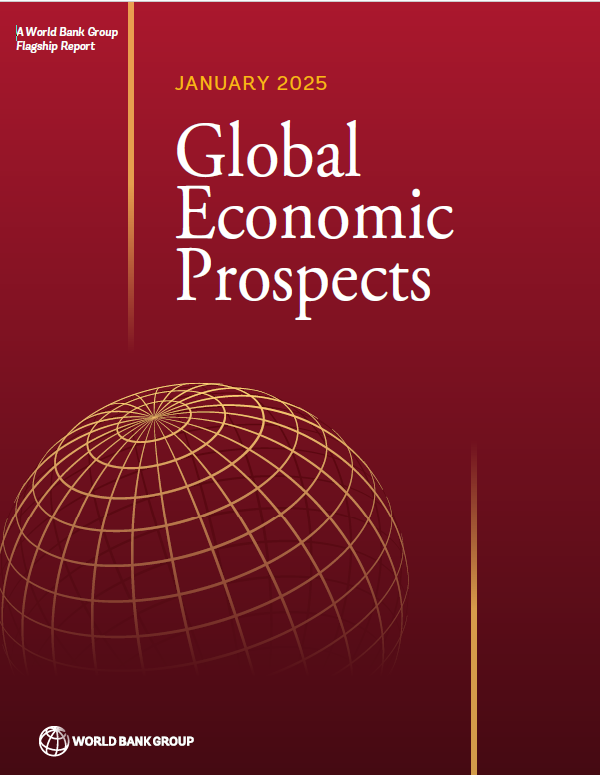
In the early twenty-first century, optimism for global development was high, yet progress has faltered. The long-term growth outlook for developing economies is weak, with many facing stagnation. Despite initial growth, challenges like aging populations, geopolitical tensions, and climate change threaten future progress. A fresh strategy is crucial for overcoming these obstacles.
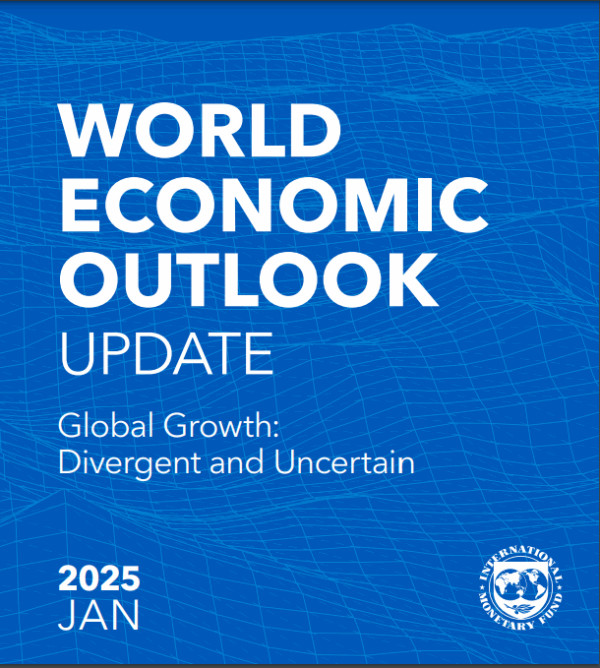
Global growth is expected to be 3.3 percent in 2025 and 2026, below the historical average. Inflation is projected to decline to 4.2 percent in 2025. Risks remain tilted to the downside, requiring careful policy management to balance inflation control and growth, and to implement structural reforms for stability.
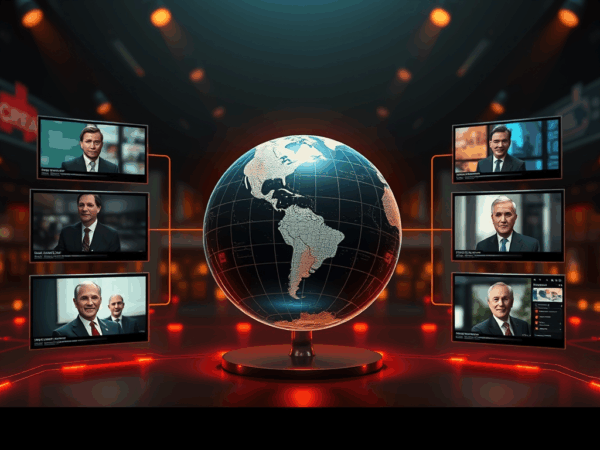
The content highlights key discussions involving political and economic themes. It covers Germany’s potential exit from the EU, insights on global order from Fukuyama and Bremmer, technological involvement in governance from Andreessen, Dimon’s economic concerns, and Harari’s reflections on truth in the face of information overload and ecological crises.

The erosion of democracy is a pressing concern as political figures like Trump garner support amidst a rising acceptance of authoritarianism. The shift in sentiment towards dictatorship is evident in many countries, including Mexico, where a significant portion of the population now favors authoritarian governance over democratic principles. This trend poses a serious threat to democratic values globally.
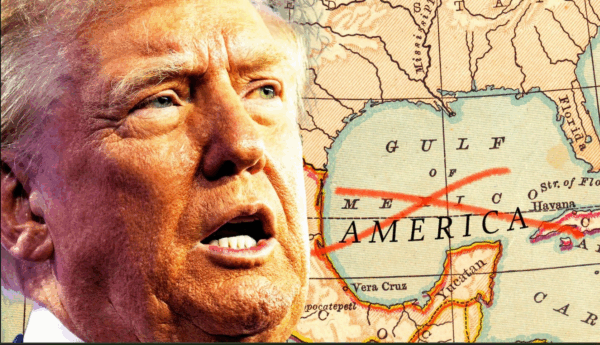
The content discusses the evolving nature of leadership and diplomacy, emphasizing how historical threats have often materialized despite public disbelief. It critiques Donald Trump’s approach to governance, likening it to a prelude to confrontation rather than a means of resolution. The piece warns of the turbulent political climate and uncertain future.
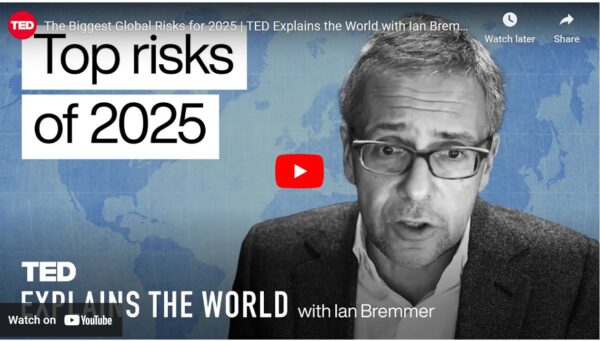
In a January 2025 interview, Ian Bremmer discusses critical geopolitical risks for the year, comparing it to historical tensions of the 1930s and Cold War era. Key issues include Trump’s potential resurgence, deteriorating US-China relations, a rogue Russian presence, and AI development concerns, alongside some hopeful developments amidst these challenges.
In 2025, the world appears promising with diplomatic progress in major conflicts and economic expansion amid a growing population. However, significant challenges persist, particularly the lack of global governance and cooperation. The United States and China prioritize self-interests, leaving global issues unresolved, threatening sustainability and deepening societal divides.