Luis Maizel’s Monthly Letter: What Have We Done To Deserve This Government?

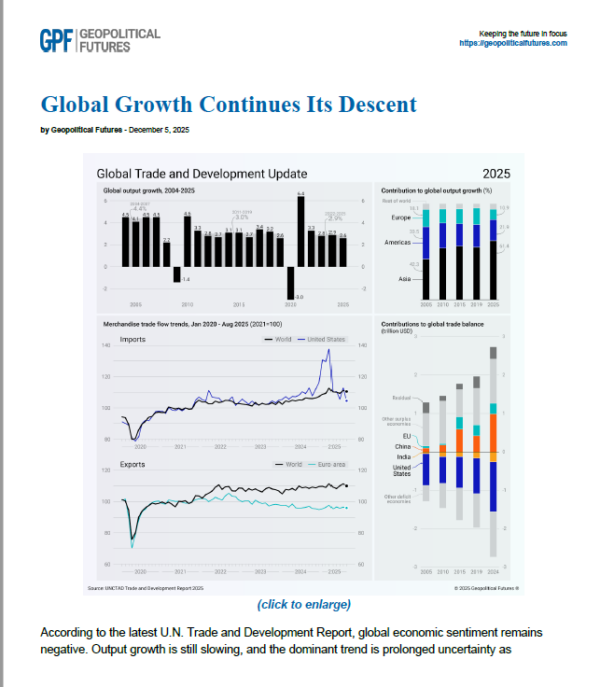
Societal discontent is rising globally, with a notable survey indicating no respondents feel better off than a decade ago. In the U.S., a government shutdown disrupts services, and political conflicts hinder citizens’ needs. Various economic conditions unfold worldwide, with mixed reports on growth, investment, and public confidence amid rising debt and challenges in multiple countries.

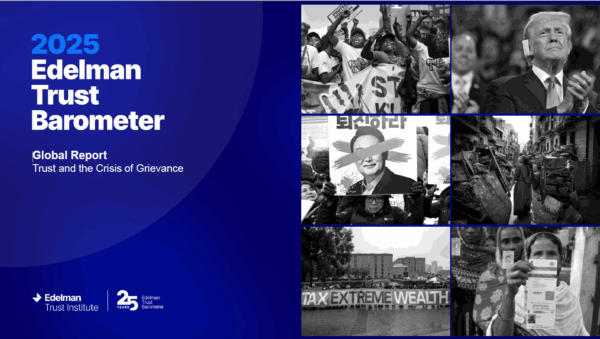
Edelman Global Trust Barometer 2025.

The content includes various articles and reports focusing on global trust, economic outlooks, and market analysis for 2025. Topics range from JP Morgan’s initiatives, gold market trends, geopolitical impacts of tariffs, and assessments of government leadership. These resources aim to provide insights into critical industries and economic dynamics.

JP Morgan Chase Launches $1.5 Trillion Security and Resiliency Initiative to Boost Critical Industries.

JPMorgan Chase has initiated a $1.5 trillion Security and Resiliency Initiative aimed at enhancing critical industries. This program reflects the bank’s commitment to addressing current economic challenges and strengthening the resilience of key sectors within the economy. Further insights are available through various linked articles.

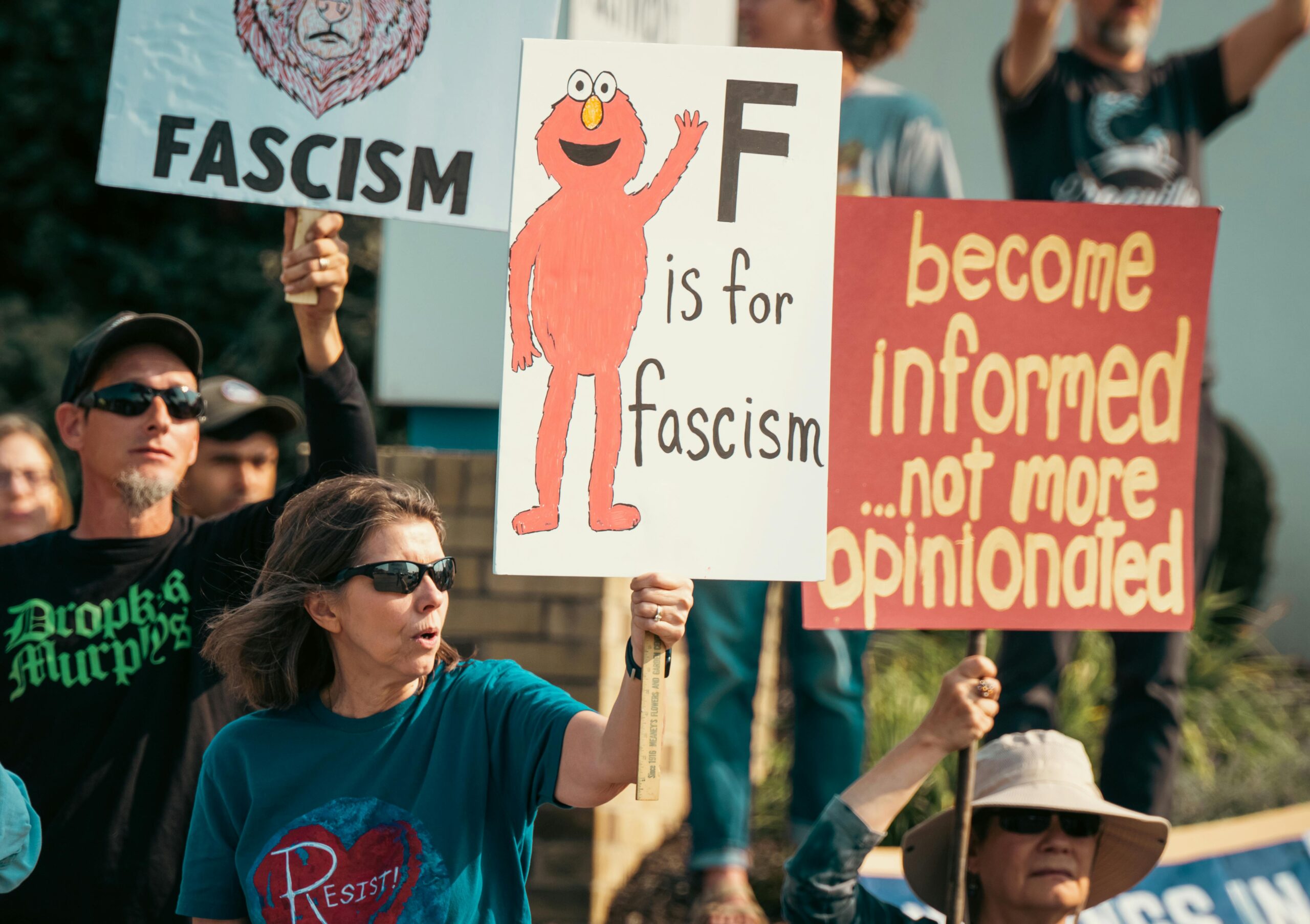
Luis Maizel’s Monthly Letter: A Paralized Government in a Polarized Country.

Today, we woke up to a government shutdown and without resources. United States law establishes a maximum debt limit that only Congress can increase. The Republicans’ budget proposal was rejected by the Democrats, who demanded a series of concessions in order to vote in favor of temporarily raising the debt ceiling.

Gold Market Commentary: Stubburn Stagflation.

The content discusses the current gold market amidst persistent stagflation, emphasizing rising gold prices driven by economic uncertainties. It includes links to various related articles, covering topics like tariffs, economic outlooks, and strategies from financial leaders, providing insights into the implications of these factors on the global economy and investment climate.

Gold Prices Spike to Historic High: Key Factors Behind the Surge

Gold prices hit a record high of $3,508.50 per ounce, driven by anticipated US interest rate cuts and investor uncertainty. Central banks’ increased gold purchases reflect a trend away from reliance on the US dollar, highlighting concerns over its stability. This shift indicates a global financial rebalancing amidst economic risks.

LuisMaizel’s Monthly Letter: We Continue On Our Way, But There Are Many Potholes In The Road.

The global landscape remains tense, with stagnant conflicts in Ukraine and Gaza, and partisan strife in the U.S. undermining centrism. Economic challenges persist alongside minor positive developments, particularly in Mexico. Meanwhile, countries face inflation and diplomatic tensions, affecting trade dynamics while major U.S. companies show relative resilience amidst headwinds.

Luis Maizel’s Monthly Letter: The Light at the End of the Tunnel, a Runaway Train, or the Exit?

The U.S. economy shows signs of deterioration with slowing job creation and high labor costs. President Trump’s tariff strategies create uncertainty. Inflation is controlled at 2.6%, but job growth drops. Artificial intelligence might displace jobs, while housing prices rise slowly. Meanwhile, Mexico faces political and economic uncertainties, yet analysts expect increased activity despite inflation.

Gold Mid-Year Outlook 2025.

Gold prices surged 26% in the first half of 2025 due to a weaker US dollar and increased investment demand amid economic uncertainty. Predictions indicate potential gold price stability with a slight increase, while deteriorating conditions could drive prices 10%-15% higher. Conversely, conflict resolution could lead to a 12%-17% drop in gains.

Shares