Imagining the Surrender of Ukraine

The imagined surrender of Ukraine to Russia could validate aggressive territorial claims and destabilize global power relations. This scenario threatens Europe, undermines NATO, and suggests a shift in U.S. policy that empowers authoritarian regimes. A new world order may emerge if international norms fail to contain such aggressiveness.

The Role of Fear in Political Control

The emergence of industrial society brought security as a crucial factor for stability, emphasizing legal protections and trust in governance. However, recent political shifts, particularly under Trump, have led to increased unpredictability and fear. This uncertainty impacts global politics, leaving countries in a precarious state, navigating potential instability.

The Damage is done, Trump’s Tariff Threats: Economic and Political Consequences

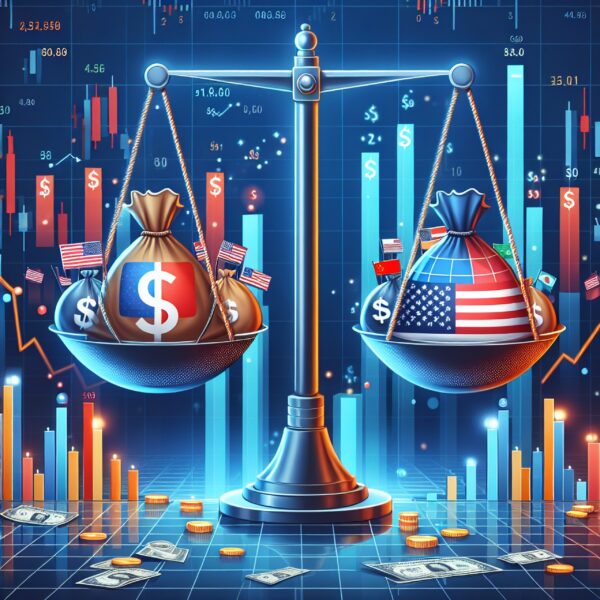
Trump’s tariff threats manipulate global dynamics, impacting countries like Canada and Mexico, while failing to resolve the Ukraine conflict. His demands from Russia and Hamas reveal a lack of understanding of complex geopolitical realities. The resulting economic and political crises in Mexico demonstrate the potential for long-term damage, requiring substantial policy changes for recovery.

From Cooperation to Thuggery

The article discusses the potential collapse of the post-World War II international structure due to the rise of Trumpism. It highlights a crisis in democracy, the erosion of ethical standards, and questions the effectiveness of international cooperation, particularly in supporting developing nations. The implications for global governance and democracy are dire if current trends continue.

Luis Maizel’s Monthly Letter: Uncertainty Persists

On March 3rd, impending tariffs on imports from Mexico and Canada raised concerns over inflation and consumption in the U.S. The article discusses the complexities of trade relationships, the response to President Zelensky’s visit, and the uncertain economic outlook, particularly regarding tariffs, government spending, and foreign investments, including in Mexico.

トランプに直面する菊の国。

日本は歴史を通じて外向きと内向きの時期を経験し、文化を保存しながら世界と対話してきた。明治維新後、日本は西洋との技術格差を縮め、経済大国となったが、1990年代の危機を経て混乱を招いた。新リーダー石破は対米関係を強化中。

The Land of the Chrysanthemum Facing Trump.

Japan’s history reflects a balance between international engagement and cultural preservation. From the Heian period’s aristocracy to the Meiji Restoration’s openness, Japan evolved significantly, shaping its identity. After World War II, Japan transformed economically but faced stagnation in the 1990s. Current leadership under Shigeru Ishiba navigates global challenges, emphasizing regional stability.

Trump’s New World Order: Impacts on Global Power Dynamics

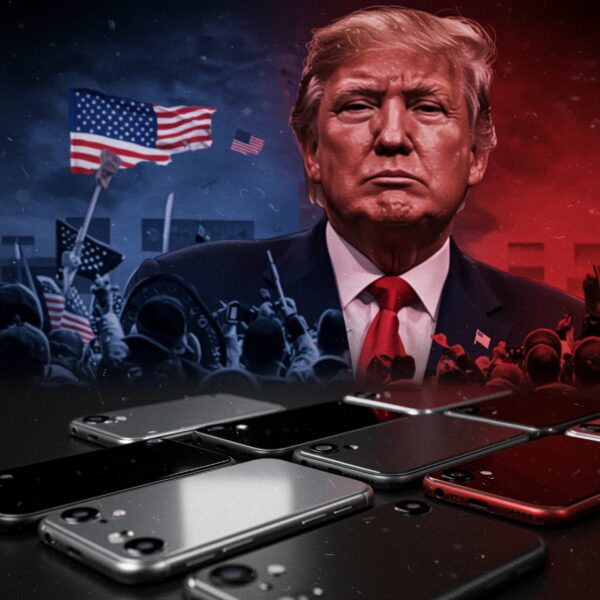
Trump’s current presidency diverges sharply from his first, as he seeks to dismantle previous policies and reform the federal workforce to align with his conservative ideology. His administration aims for global dominance through alliances with hegemonic powers, reshaping international relations to favor a select few while sidelining multilateral organizations. Countries now interact under a new imperial framework.

The Counterpart

The relationship between Mexico and the U.S. has been tumultuous, particularly since NAFTA’s inception amidst Mexico’s economic crisis. Trump’s presidency, characterized by volatility and autocratic tendencies, raises concerns about U.S. governance’s stability and its repercussions for Mexico. Effective counterweights—particularly the judiciary and market responses—are crucial to manage this uncertainty.

Former MI6 boss on Trump, Putin and a ‘New Era’ for International Relations.

As Donald Trump labels Ukraine’s President Zelensky a “dictator” amidst US-Russia peace talks, Sir Alex Younger and Catherine Belton analyze the implications for international relations. They suggest the White House is initiating a potentially transformative “new era” in diplomacy during a discussion featured on BBC’s Newsnight program.

Shares