
メキシコの成長への道:アジア経済に学ぶ。
中国と米国の対立は歴史的背景があり、両国は「キメラ」として経済的相補性を持っていたが、距離を置くようになった。中国は技術教育を強化し、メキシコも同様の改革が求められている。進展は見られるが、他のアジア諸国に比べて不十分である。
中国と米国の対立は歴史的背景があり、両国は「キメラ」として経済的相補性を持っていたが、距離を置くようになった。中国は技術教育を強化し、メキシコも同様の改革が求められている。進展は見られるが、他のアジア諸国に比べて不十分である。
中美衝突的根源早於川普,兩國經濟互補卻漸行漸遠。中國專注科技教育,經濟改革成效明顯,而墨西哥面臨挑戰,政治及經濟改革不斷受阻。亞洲國家的成功案例顯示,變革需有明確方向和堅持努力。
The U.S.-China conflict has evolved from a previously complementary relationship, prompting significant global shifts. China’s focus on STEM education contrasts with U.S. deficiencies, highlighting Mexico’s struggles in achieving similar reforms. Observing Asian successes without authoritarianism offers lessons for Mexico, emphasizing the need for coherent economic strategies and infrastructure development.
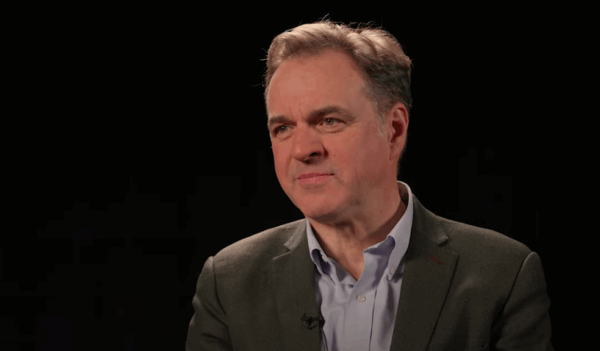
In this Uncommon Knowledge episode, historian Niall Ferguson discusses Ukraine’s war stalemate, Trump’s foreign policy, and NATO’s evolving role amid US withdrawal signals. He draws historical parallels, critiques America’s waning power compared to Britain in the 1930s, and questions whether Trump’s strategies will avoid conflict or hasten US decline.

In February, gold prices rose to new highs, ending the month at US$2,835/oz, a 0.8% increase month-over-month. This trend was supported by a weaker dollar, strong ETF inflows, and heightened interest in gold amid ongoing tariff uncertainties. COMEX inventories also saw increased gold flows.
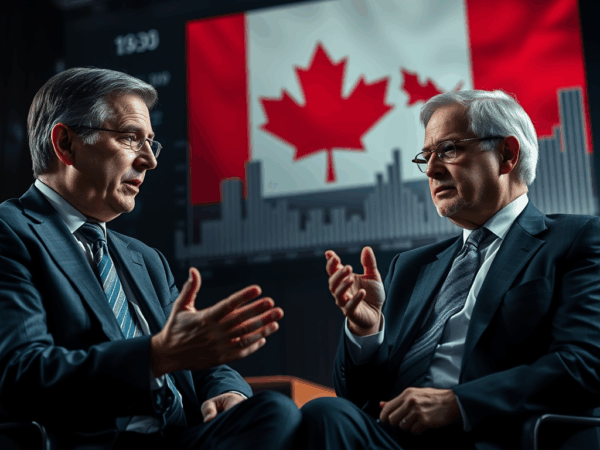
Nobel laureate Paul Krugman and former Treasury Secretary Lawrence H. Summers discuss the ongoing US trade war, its detrimental effects on consumer confidence, and recession risks, particularly in the manufacturing sector. Canada’s new Prime Minister, Mark Carney, emphasizes a unwavering stance against Trump, indicating escalating tensions in international relations.
ホンダと日産は日本における自動車業界の代表的な企業で、それぞれ異なる起源を持つ。合併の試みは失敗に終わり、日産は新CEOにイバン・エスピノザ氏を任命。未来の自動車市場での競争に向けた課題が依然として残る。
Honda and Nissan, both significant Japanese automakers with distinct histories, recently attempted a merger to enhance competitiveness amidst evolving automotive challenges. However, the deal collapsed due to Honda’s reluctance for shared hierarchy. Post-failure, Nissan appointed Iván Espinoza as CEO, tasked with navigating competition from American and Chinese manufacturers in the industry.

The article discusses the contrasting views of U.S. leadership under President Trump, suggesting a shift from traditional ideals of free trade and moral alliances to a strategy perceived as aligned with authoritarian regimes. It highlights concerns of escalating tensions with Russia, specifically regarding Ukraine and military preparations in Europe, indicating potential future conflicts.

Ian Bremmer highlights the Trump administration’s foreign policy focus on American unilateralism at the expense of traditional alliances, particularly in relation to Ukraine. He emphasizes that the future of transatlantic relations and NATO will depend more on European actions than U.S. involvement as the crisis unfolds.