Luis Maizel’s Monthly Letter: A New Era Begins.

The letter addresses the aftermath of the U.S. elections, highlighting Trump’s significant support. It discusses economic conditions, potential policy changes, and the implications of the new administration on both domestic and foreign issues. Additionally, it reviews Mexico’s economic challenges and the global context of various economic developments, including inflation and trade relationships.

What Does Trump Want From Us?

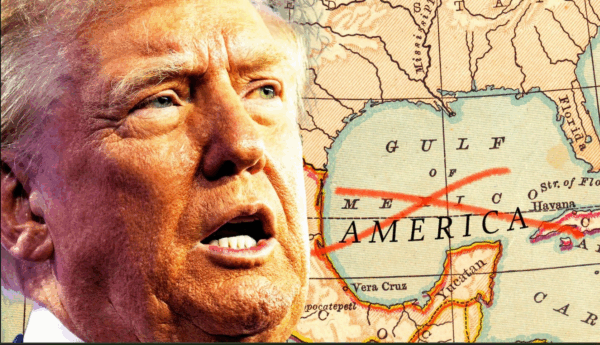
Donald Trump, before officially taking office, threatens 25% tariffs on goods from Mexico and Canada over migration and drug issues. Mexico responds with a “tariff for tariff” stance, while Canada initiates dialogue. Underlying tensions include national security concerns and responses to foreign influence in Mexico, complicating future trade agreements.

The World Ahead of Us

The COVID-19 pandemic reversed progress in eradicating extreme poverty, with millions falling into poverty globally, including a significant rise in Mexico. This highlights growing wealth inequality and social discontent. Two economic models emerge in response: one focusing on extensive state interventions, the other on private sector-driven solutions, with differing implications for governance and democracy.

The Three Historians: Niall Ferguson, Victor Davis Hanson, and Andrew Roberts

Niall Ferguson, Victor Davis Hanson, and Andrew Roberts, prominent historians at the Hoover Institution, discuss Churchill’s WWII role, the 1619 Project, and historians’ societal impact. They criticize self-loathing narratives in Western history, advocate for learning from the past, and reflect on global challenges, emphasizing the importance of democracy in contrast to authoritarianism.

Is Trump a Fascist?

In recent political discourse, accusations of fascism have emerged against Donald Trump, particularly from former staff members who characterize his leadership style as authoritarian and divisive. A significant concern is Trump’s potential to weaken U.S. institutions for personal gain, raising fears of a shift towards a more fascist governance model.

Luis Maizel’s Monthly Letter: Finally we come to the U.S. elections

In October, significant political and economic developments occurred, particularly in the U.S. where election campaigns highlighted polarization rather than proposals. Despite slight unemployment increases, economic growth remained strong at 2.8%. Meanwhile, Israel faced a budget crisis due to war expenses. Mexico saw mixed economic indicators, including record foreign investments but rising government deficits.

台湾的中国威胁论

当前全球三个主要冲突区域包括欧亚战场、巴以冲突及亚太地区对台湾的军事威胁。乌克兰危机持续,伊朗与以色列交战加剧,中国对台湾施压。美国的回应不够强硬,区域大国可能迅速反应以维护台湾安全。

Shares