U.S. National Security Strategy.
This official report of the United States Government outlines the priorities of the Trump administration concerning foreign policy, revealing a shift in its geopolitical strategy and values.

This official report of the United States Government outlines the priorities of the Trump administration concerning foreign policy, revealing a shift in its geopolitical strategy and values.

Honduras’ presidential elections have turned into a proxy battle between Claudia Sheinbaum and Donald Trump, reminiscent of Cold War dynamics. Xiomara Castro’s swift visit to Mexico before the elections highlighted ideological ties within a socialist bloc, while Trump pressured voters to reject Castro’s party, emphasizing economic issues and immigration policies.
When Thomas Hobbes wrote Leviathan in 1651, he offered a warning that still resonates: chaos is humanity’s natural state (“solitary, poor, nasty, brutish, and short”), and order must be built—and rebuilt—by legitimate authority. A government that cannot guarantee security loses its right to rule.
Mexico’s President Claudia Sheinbaum’s absence from key international forums has drawn criticism, particularly regarding drug trafficking and violence. This lack of engagement coincides with a demoralized diplomatic corps and a government hesitant to openly address controversial issues. Mexico’s foreign policy operates in secrecy, reflecting a disconnect with its economic partners and democratic values.

The essay discusses the evolution of attention economy from the invention of the bikini by Louis Réard in 1946 to the digital revolution. Yanis Varoufakis argues that society has shifted from tangible goods to a system where attention is commodified, creating techno-feudalism. Users, now products, face a challenge in reclaiming focus amidst constant distraction.
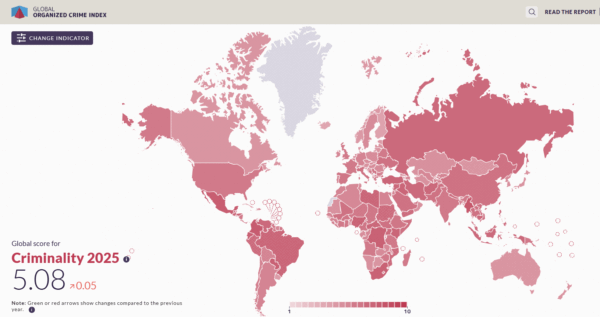
The global criminal landscape is increasingly adaptive and complex, shaped by socio-economic shifts and technological advancements. The 2025 Index highlights critical changes in drug markets, the rise of non-violent crimes, and growing foreign and private sector involvement. It indicates an urgent need for new resilience strategies to counter evolving organized crime.
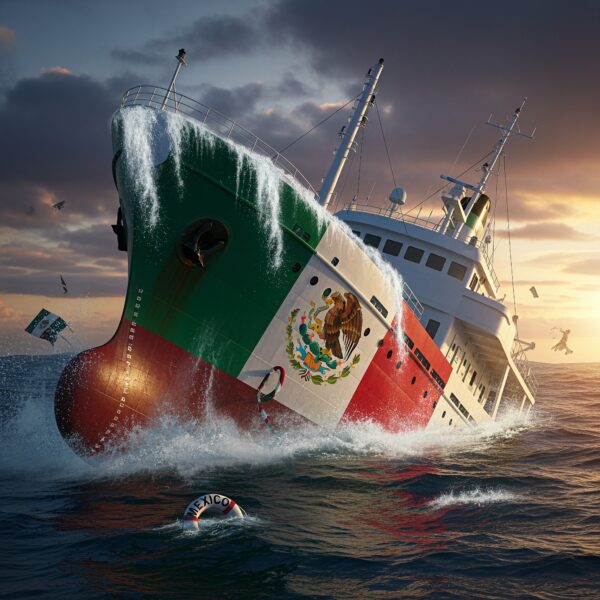
The discourse examines the theme of loyalty versus faithfulness in governance, highlighting scandals involving prominent figures like King Charles III and various Latin American presidents. It emphasizes the necessity of judicial integrity amidst political corruption, especially in Mexico, where a decline in trust is noted due to governmental actions undermining rule of law.

Pablo Iglesias, former vice president of Spain, embraces authoritarian populism through media initiatives like Canal Red and Diario Red, aiming to polarize audiences. Backed by substantial foreign funding, his approach seeks to challenge liberal democracy, promoting a narrative against reactionary voices while manipulating public discourse in Latin America and beyond.
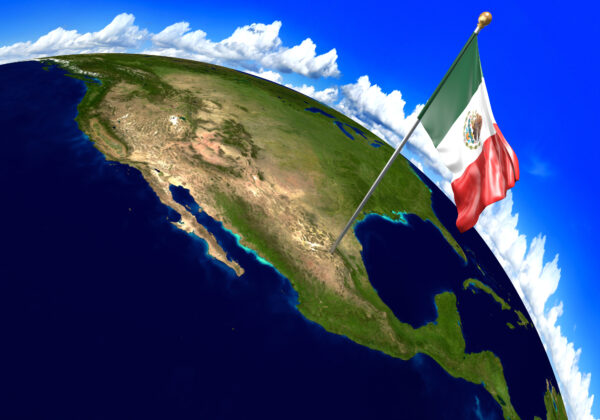
The United States views Mexico as a crucial player in its geopolitical strategies concerning Latin America, particularly in relation to Venezuela and Colombia. Recent actions suggest a testing ground for influence in Mexico, amid concerns about its alliance with drug traffickers and opposition to U.S. policies. Mexico’s foreign policy risks increasing regional tensions.
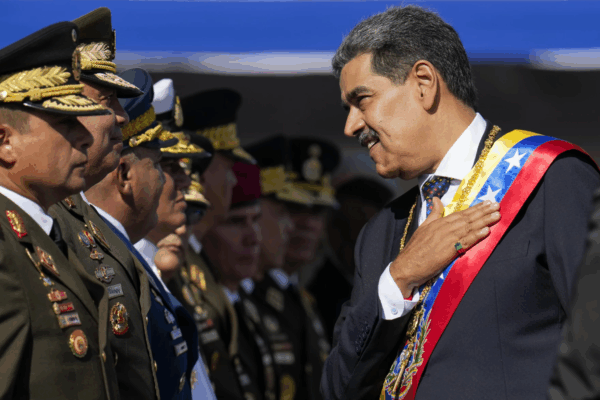
The text criticizes Nicolás Maduro’s regime in Venezuela, labeling him a perpetrator of a coup rather than a victim. It highlights his manipulation of electoral results, control of the judiciary, and external support from Cuba and Russia. The author accuses the populist left of hypocrisy and complicity in perpetuating Maduro’s dictatorship.