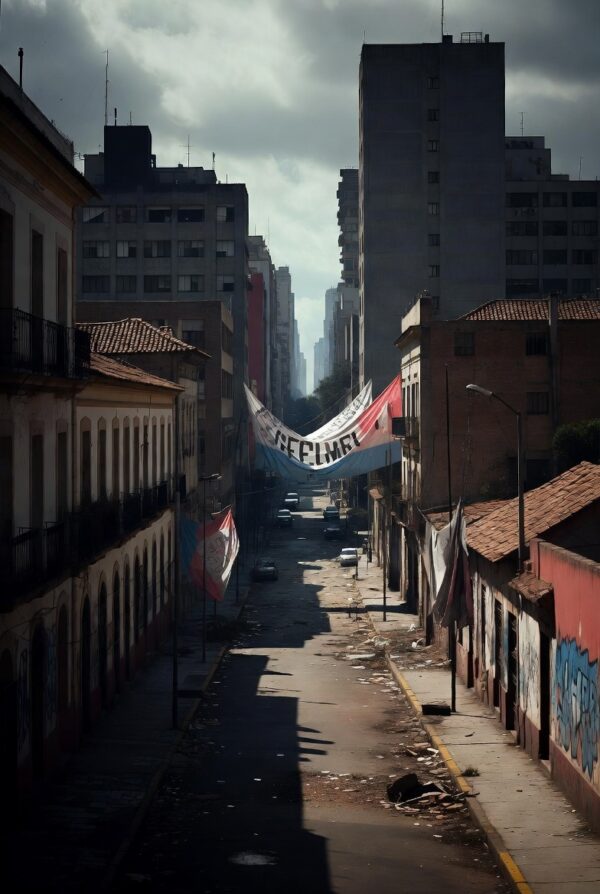
Governments vs. People: Navigating Sovereignty in Latin America.

The text discusses the evolving relationship between state sovereignty and individual rights, highlighting the inadequacies of the UN in addressing modern issues. It critiques the actions of authoritarian regimes and the failure to uphold human rights, particularly in Latin America. The dilemma of defending people versus governments is central to the discussion.

Eurasia Group Top Risks 2026

The year 2026 marks significant geopolitical instability, driven by an unpredictable U.S. political shift and ongoing global conflicts. While some nations, like China and India, bolster their positions, Europe faces heightened challenges. An AI revolution is also underway, complicating governance. The global landscape is turbulent, with lasting implications for future generations.

Unmasking the Dual Standards in Latin American Diplomacy.

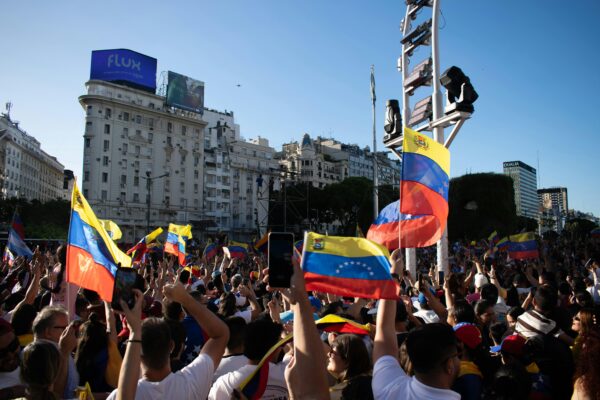
Brazil, Chile, Colombia, Uruguay, Mexico, and Spain issued a joint statement condemning unilateral military actions in Venezuela, emphasizing adherence to international law and advocating for dialogue led by Venezuelans. However, the critique highlights the hypocrisy of these nations, which previously failed to challenge Nicolás Maduro’s human rights violations and electoral fraud.

Maduro Has Fallen. What’s Next?

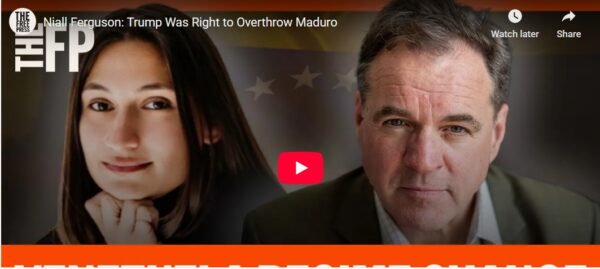
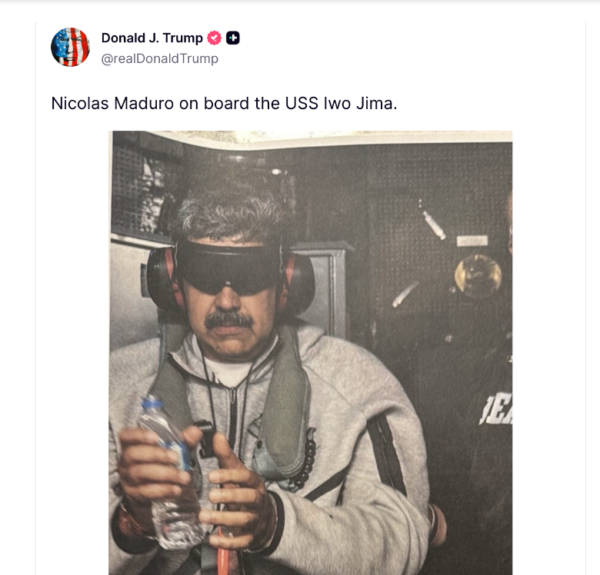
With Nicolás Maduro’s forced removal from Venezuela, a new historical stage begins in the relationship between the United States and Latin America. As Marco Rubio said at the press conference on the same day as the military action in Caracas, “those who did not believe we would act, take note: we did act, and we are serious.

Neither Less Poverty, Nor Less Violence.

The National Institute of Statistics and Informatics (INEGI) reported optimistic economic data for Mexico, claiming job growth and reduced crime. However, real incomes are declining, and most workers are in the informal sector, leading to increased poverty. The government’s statistics misrepresent the harsh realities facing many citizens, particularly regarding violence and economic hardship.

Its Name Is Terrorism.

Sometimes societies become so used to certain outbreaks of violence that they lose sight of what they really represent. We name the events lightly, soften concepts, or reduce them to convenient explanations. But in doing so, we also dilute our ability to understand the true scope of what we are facing. When a government refuses to call terrorism what—by definition—is terrorism, it ends up defenseless against those who have decided to use fear as a tool of power.

U.S. National Security Strategy.

This official report of the United States Government outlines the priorities of the Trump administration concerning foreign policy, revealing a shift in its geopolitical strategy and values.

Honduras Elections: Trump vs. Sheinbaum Confrontation Explained.

Honduras’ presidential elections have turned into a proxy battle between Claudia Sheinbaum and Donald Trump, reminiscent of Cold War dynamics. Xiomara Castro’s swift visit to Mexico before the elections highlighted ideological ties within a socialist bloc, while Trump pressured voters to reject Castro’s party, emphasizing economic issues and immigration policies.

On How Mexico’s Government Deceives The World.

Mexico’s President Claudia Sheinbaum’s absence from key international forums has drawn criticism, particularly regarding drug trafficking and violence. This lack of engagement coincides with a demoralized diplomatic corps and a government hesitant to openly address controversial issues. Mexico’s foreign policy operates in secrecy, reflecting a disconnect with its economic partners and democratic values.

Shares