
Luis Maizel’s Monthly Letter: The United States, a Polarized Nation in Search of Direction.

The United States is experiencing significant political and economic polarization, impacting domestic policy and international relations. Political divisions hinder unity and progress, while economic indicators present a mixed outlook, with low unemployment juxtaposed against stagnant consumer spending. Globally, instability in Iran threatens oil prices and economic growth.

Sheinbaum’s Spain Visit: A Political Statement Against Trump.

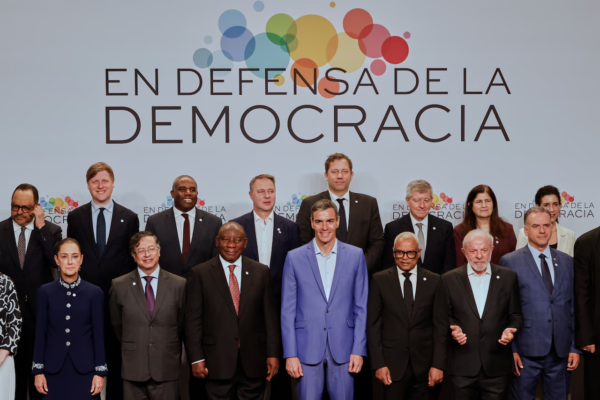
Claudia Sheinbaum’s trip to Spain, framed as non-political, is criticized for its hidden agenda linked to a global leftist gathering opposing right-wing movements like Trump’s. Despite her denial, her involvement in the Global Progressive Mobilization raises concerns of deception towards both Washington and the Mexican public about the trip’s true purpose and implications.

Trump’s Shield Threatens Sheinbaum.

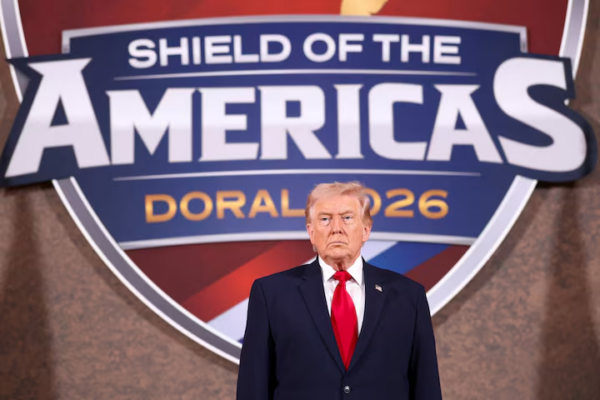
Trump’s summit with 12 Latin American presidents aimed to form a military coalition against drug trafficking but resulted in no concrete agreements. The meeting highlighted a conservative shift in the region, excluding left-leaning countries. Trump’s stance on Mexico, perceived as a drug trafficking hub, raised concerns about its international isolation and vulnerability.

Youth Challenges in Modern Society.

The text examines the complexities faced by contemporary youth, including the romanticization of youth as a positive force while grappling with issues like unemployment, mental health, and educational challenges. It highlights their frustrations with societal structures and questions the efficacy of youth participation in political movements, emphasizing the need for nuanced understanding and diverse solutions.

Luis Maizel’s Monthly Letter: A World That Changes In A Flash.

The recent attack on Iran eases global tensions, impacting groups funded by the regime. While the U.S. economy shows signs of strength, disparities between social classes persist. In Mexico, significant events like the death of a drug lord and mixed economic signals define the landscape. Global markets face volatility amid geopolitical shifts.

Yes, we can!

The first warning signs appeared in the 1980s. Nancy Reagan’s famous “Just Say No” speech warned of the destructive power of drugs. The fact is that drug trafficking grew stronger across the entire continent. Its coexistence with political power became evident. They could challenge it. When the cancer reached Mexico, a serious mistake was made in politicizing the issue.

The Decline Of Leftist Regimes In Latin America.

The Latin American left is facing decline, with countries like Chile and Argentina rejecting leftist governance. The isolation of Cuba’s regime signals a potential overthrow, exacerbated by the lack of solidarity from Latin American nations. Mexico’s hesitant support reflects broader struggles, as authoritarian practices threaten regional legitimacy.

Why Not?

Is Trump’s madness something entirely new? No. “I use emotion for the majority and reserve reason for the minority,” Hitler. Same author. “The first requirement for success is the constant and regular use of violence.”. ICE throughout the Union. Minneapolis will remain in the historical mosaic of repression. Terrorize in general, but especially in “sanctuary cities.” Confrontations, arbitrary and violent arrests. Terrorize to rule.

Morgan Freeman On Trump’s Threat To Mexico.

Morgan Freeman critiques Trump’s 2026 threat to use military force against Mexican cartels, recalling the failure of Plan Colombia despite significant investment. He argues that military action has consistently failed to diminish cartel power in various countries, suggesting that Trump’s approach will likely repeat past mistakes with unproductive escalation.

Sir Niall Ferguson: Trump Was Right To Overthrow Maduro.

Historian Niall Ferguson discusses President Trump’s decision to oust Venezuelan President Nicolás Maduro, labeling it as overdue. He analyzes U.S. intervention history in Latin America, introduces the “Trump Corollary,” and evaluates the potential risks of regime change while considering global consequences involving China, Iran, and regional power dynamics.

Shares