How Trump’s Policies Boost China’s Global Influence.

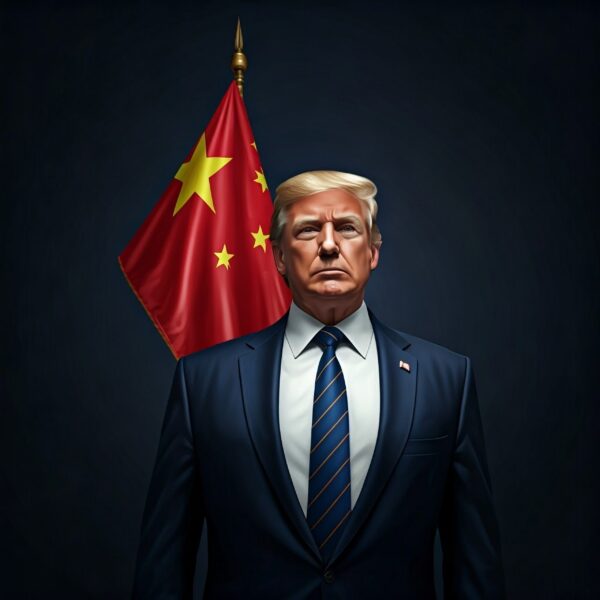
Juan Pablo Cardenal discusses the geopolitical shift caused by Trump’s distancing from the West, allowing China to expand its influence through trade and investment. He argues that while China thrives on its state-controlled economy, it faces structural issues that hinder its ability to replace the U.S. as a global superpower.
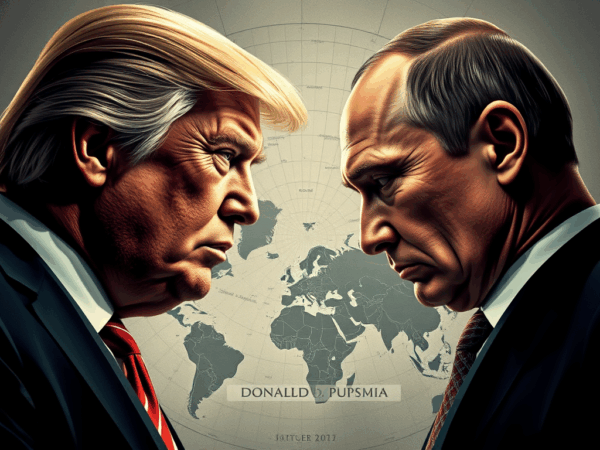
Time of Tyrants… and Confusion.

The world is undergoing a transformative shift, marked by a reconfiguration of power dynamics and ideologies. The emergence of figures like Donald Trump has disrupted international relations, as seen in the Ukraine conflict. Amidst nationalism and strategic decisions by a few, the tension between nations reflects a precarious reality, foreshadowing potential wider conflicts.

US Foreign Policy & Europe’s Defense: A Discussion

In this Uncommon Knowledge episode, historian Niall Ferguson discusses Ukraine’s war stalemate, Trump’s foreign policy, and NATO’s evolving role amid US withdrawal signals. He draws historical parallels, critiques America’s waning power compared to Britain in the 1930s, and questions whether Trump’s strategies will avoid conflict or hasten US decline.

The Gurus, on the Trade War.

Nobel laureate Paul Krugman and former Treasury Secretary Lawrence H. Summers discuss the ongoing US trade war, its detrimental effects on consumer confidence, and recession risks, particularly in the manufacturing sector. Canada’s new Prime Minister, Mark Carney, emphasizes a unwavering stance against Trump, indicating escalating tensions in international relations.

Honda, Nissan, and a Mexican.

Honda and Nissan, both significant Japanese automakers with distinct histories, recently attempted a merger to enhance competitiveness amidst evolving automotive challenges. However, the deal collapsed due to Honda’s reluctance for shared hierarchy. Post-failure, Nissan appointed Iván Espinoza as CEO, tasked with navigating competition from American and Chinese manufacturers in the industry.

Preparing For The Worst.

The article discusses the contrasting views of U.S. leadership under President Trump, suggesting a shift from traditional ideals of free trade and moral alliances to a strategy perceived as aligned with authoritarian regimes. It highlights concerns of escalating tensions with Russia, specifically regarding Ukraine and military preparations in Europe, indicating potential future conflicts.

If Trump’s foreign policy pushes allies away, can the US go it alone?

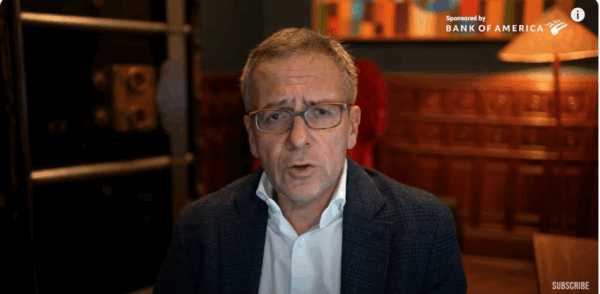
Ian Bremmer highlights the Trump administration’s foreign policy focus on American unilateralism at the expense of traditional alliances, particularly in relation to Ukraine. He emphasizes that the future of transatlantic relations and NATO will depend more on European actions than U.S. involvement as the crisis unfolds.

Imagining the Surrender of Ukraine

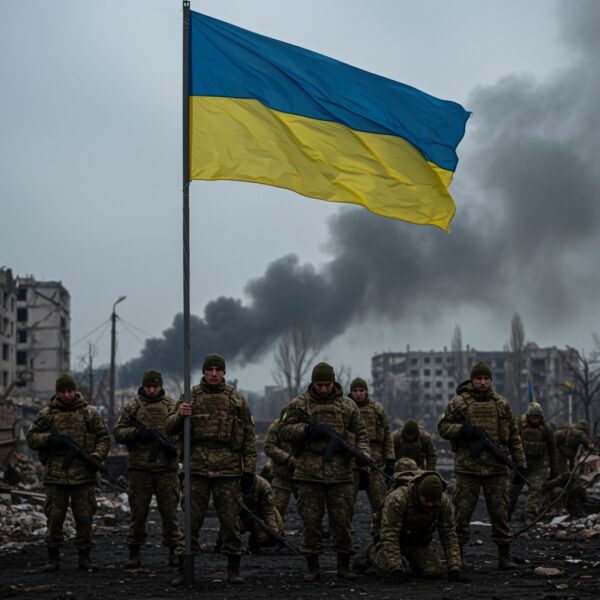
The imagined surrender of Ukraine to Russia could validate aggressive territorial claims and destabilize global power relations. This scenario threatens Europe, undermines NATO, and suggests a shift in U.S. policy that empowers authoritarian regimes. A new world order may emerge if international norms fail to contain such aggressiveness.

Shares