
Luis Maizel’s Monthly Letter: From Uncertainty to Confusion.

The U.S. faces economic uncertainty with fluctuating tariffs, political disputes, and insufficient long-term policies. While inflation slows and job creation continues, sectors show negative forecasts. Mexico struggles with low voter participation and economic challenges, while Israel’s growth intertwines with geopolitical tensions. Globally, trade shifts are reshaping influences and power dynamics.

The Apparition

The piece discusses political dynamics in Mexico, highlighting Andrés Manuel López Obrador’s perceived revolutionary role and the implications of recent voting actions. It explores global military cooperation, particularly regarding aid to Ukraine, and signals challenges ahead for Mexico under a one-party rule. Caution is urged amidst a looming uncertain future.

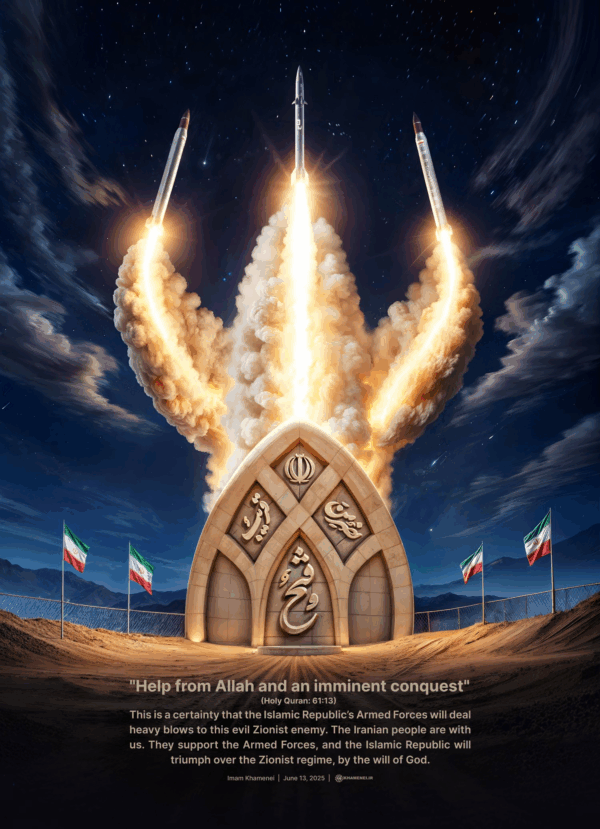
The World at War: Understanding Today’s Global Conflicts.

Current and future wars are escalating globally, with the conflict in Ukraine now impacting Russia directly. The U.S. struggles with indecisiveness regarding peace, while China’s military pressures Taiwan. As multiple regions face conflict, the warning is clear: without dialogue, wars may continue to spread globally.

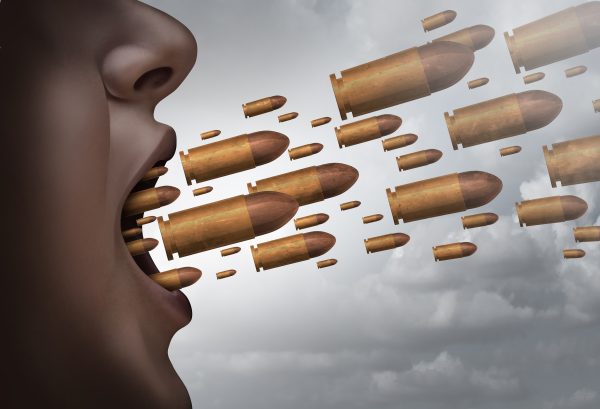
Four Words.

Mani, a 3rd-century prophet, emphasized the conflict between good and evil, leading to the derogatory concept of Manichaeism. The text critiques both Manichean simplism and relativism in addressing moral issues, suggesting the need for nuanced ethical discernment. It highlights the persistence of evil across societies and the imperative to acknowledge it.

Luis Maizel’s Monthly Letter: Will The Rule Of Law Prevail?

The content discusses the current state of the U.S. economy and its global implications. It highlights President Trump’s tumultuous presidency and significant tariff impacts. Mixed economic trends are noted, with rising unemployment and declining consumer confidence. Trade tensions, especially with China, and immigration issues affect forecasts. Mexico shows cautious economic growth amid uncertainties.

The Absence of Mexico’s President at Francis’ Funeral: A Deep Dive.

Ciro Gómez Leyva questions why Mexico’s president did not attend the funeral of Pope Francis, considering Mexico’s strong Catholic population. The article critiques the government’s neoliberal stance amid worsening social issues. It highlights Francis’ views on compassion and critiques of individualism, while addressing the separation of church and state in Mexico’s socio-political landscape.

Luis Maizel’s Monthly Letter: This Puzzle is Missing Pieces.

The letter discusses global uncertainty due to unpredictable U.S. tariffs and ongoing international crises, particularly between Russia and Ukraine and in the Middle East. It highlights economic impacts, including rising car prices and decreased consumer confidence, while noting contrasting investment influxes. Mexico’s economic challenges are also analyzed amidst these tensions.

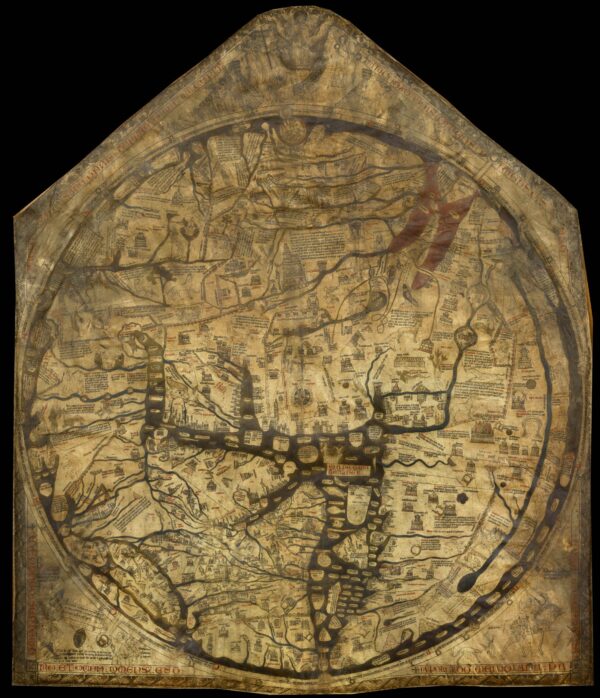
Understanding the Global State of War Today

The interplay of emotions significantly shapes human perception, especially during conflicts. The recent infiltration of Israel by Hamas revealed vulnerabilities in its defenses. This global state of war affects various regions, including Mexico, where accountability for over 120,000 disappearances is crucial for future stability and international respect.

Mexico: Nobody Wanted to Know.

The text reflects on the symbolism of shoes lost in tragic events, linking their representation to both Holocaust victims and current violence in Mexico. It underscores the dangers of societal indifference to such atrocities, urging collective awareness, media responsibility, and the necessity for effective public policies to confront this humanitarian crisis.

If Trump’s foreign policy pushes allies away, can the US go it alone?

Ian Bremmer highlights the Trump administration’s foreign policy focus on American unilateralism at the expense of traditional alliances, particularly in relation to Ukraine. He emphasizes that the future of transatlantic relations and NATO will depend more on European actions than U.S. involvement as the crisis unfolds.

Shares