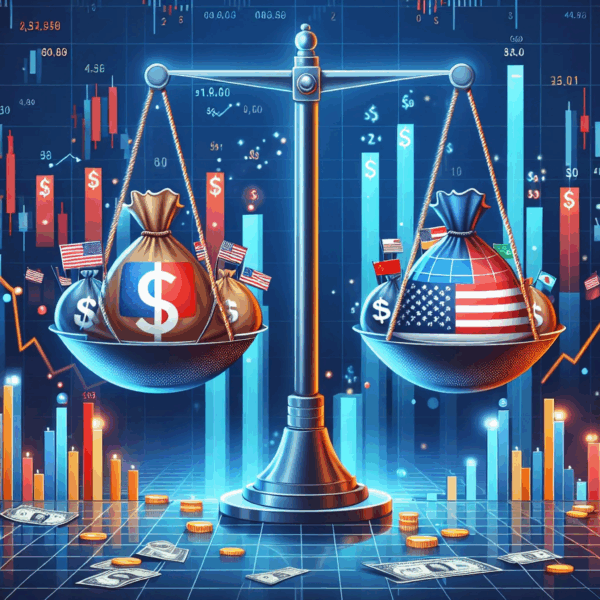
关税对美国和世界经济的影响(第二部分)。
特朗普对华加征关税被视为愚蠢行为,其初衷仅是取悦支持者,但却导致iPhone等商品价格飙涨及美国通胀加剧,影响消费者。政策的逆转损害了美国的全球信誉,使其在国际经济中失去领导地位,结果引发全球不满和信任危机。
特朗普对华加征关税被视为愚蠢行为,其初衷仅是取悦支持者,但却导致iPhone等商品价格飙涨及美国通胀加剧,影响消费者。政策的逆转损害了美国的全球信誉,使其在国际经济中失去领导地位,结果引发全球不满和信任危机。
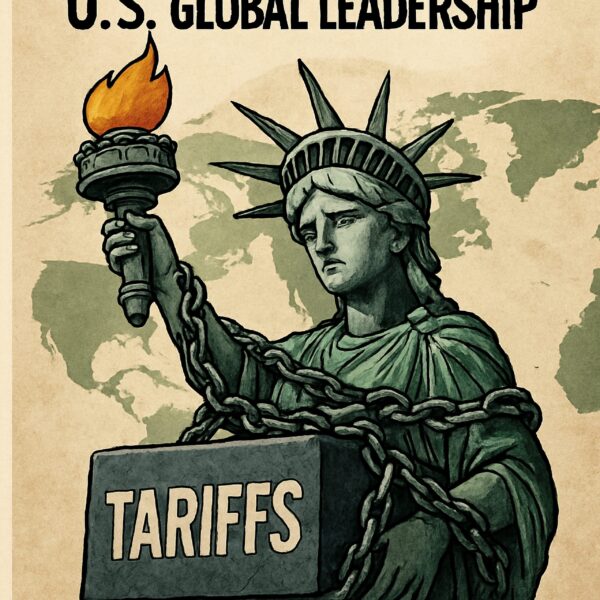
The series “The Real Cost of Tariffs on US and World Economies” explores the adverse effects of Trump’s tariffs, indicating they contribute to inflation, recession, and stagflation. While designed to protect US jobs, they threaten economic stability, provoke tensions with allies, and may enhance China’s global manufacturing strength, undermining US competitiveness.
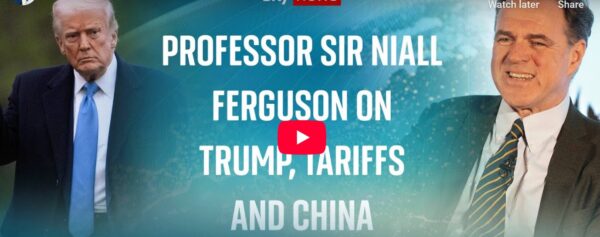
Richard Engel and Yalda Hakim engage with esteemed historian Sir Niall to explore pressing global issues, including culture and trade wars, as well as the potential for conflict over Taiwan. Sir Niall reflects on the Trump presidency, suggesting that the US may face significant polling challenges in the coming year.
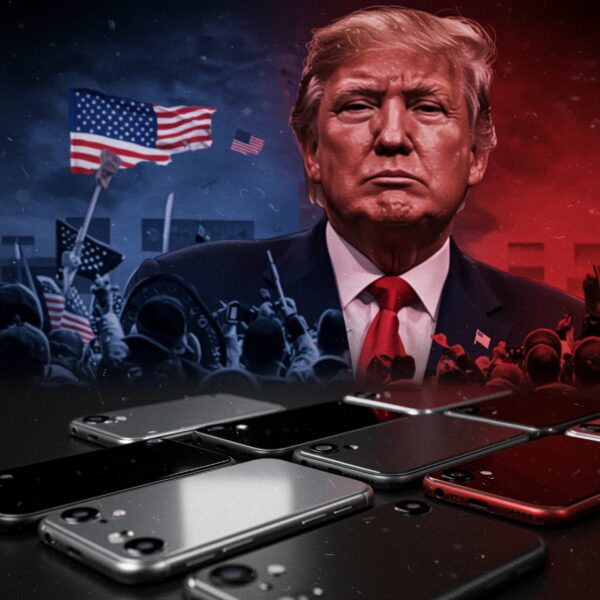
The Trump administration’s decision to eliminate tariffs on electronics from China marks a significant shift in trade policy, weakening the ongoing trade war. This reversal not only exempts a quarter of China’s exports but also reduces prices for U.S. consumers, revealing Trump’s diminishing economic influence and increasing U.S. isolation from traditional allies.
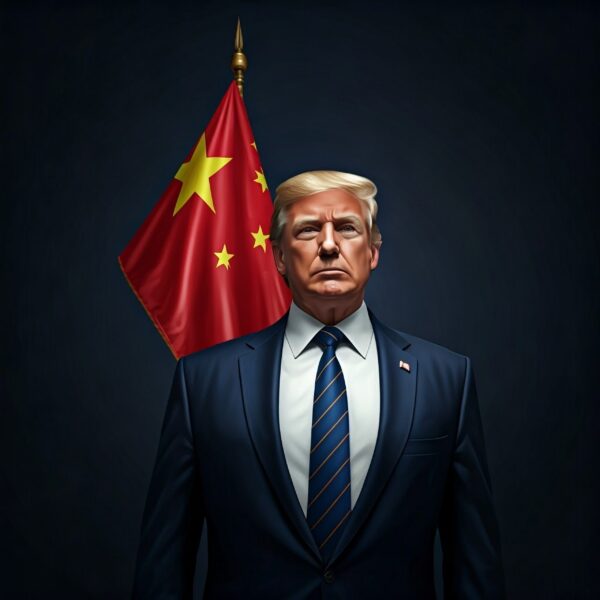
Juan Pablo Cardenal discusses the geopolitical shift caused by Trump’s distancing from the West, allowing China to expand its influence through trade and investment. He argues that while China thrives on its state-controlled economy, it faces structural issues that hinder its ability to replace the U.S. as a global superpower.

中国と米国の対立は歴史的背景があり、両国は「キメラ」として経済的相補性を持っていたが、距離を置くようになった。中国は技術教育を強化し、メキシコも同様の改革が求められている。進展は見られるが、他のアジア諸国に比べて不十分である。
中美衝突的根源早於川普,兩國經濟互補卻漸行漸遠。中國專注科技教育,經濟改革成效明顯,而墨西哥面臨挑戰,政治及經濟改革不斷受阻。亞洲國家的成功案例顯示,變革需有明確方向和堅持努力。
The U.S.-China conflict has evolved from a previously complementary relationship, prompting significant global shifts. China’s focus on STEM education contrasts with U.S. deficiencies, highlighting Mexico’s struggles in achieving similar reforms. Observing Asian successes without authoritarianism offers lessons for Mexico, emphasizing the need for coherent economic strategies and infrastructure development.
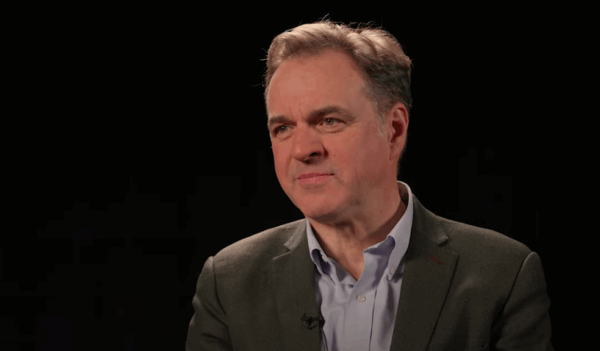
In this Uncommon Knowledge episode, historian Niall Ferguson discusses Ukraine’s war stalemate, Trump’s foreign policy, and NATO’s evolving role amid US withdrawal signals. He draws historical parallels, critiques America’s waning power compared to Britain in the 1930s, and questions whether Trump’s strategies will avoid conflict or hasten US decline.

日本は歴史を通じて外向きと内向きの時期を経験し、文化を保存しながら世界と対話してきた。明治維新後、日本は西洋との技術格差を縮め、経済大国となったが、1990年代の危機を経て混乱を招いた。新リーダー石破は対米関係を強化中。