IMF World Economic Outlook 2025

Global growth is expected to be 3.3 percent in 2025 and 2026, below the historical average. Inflation is projected to decline to 4.2 percent in 2025. Risks remain tilted to the downside, requiring careful policy management to balance inflation control and growth, and to implement structural reforms for stability.

Five Must-See Videos

The content highlights key discussions involving political and economic themes. It covers Germany’s potential exit from the EU, insights on global order from Fukuyama and Bremmer, technological involvement in governance from Andreessen, Dimon’s economic concerns, and Harari’s reflections on truth in the face of information overload and ecological crises.

A Powder Keg.

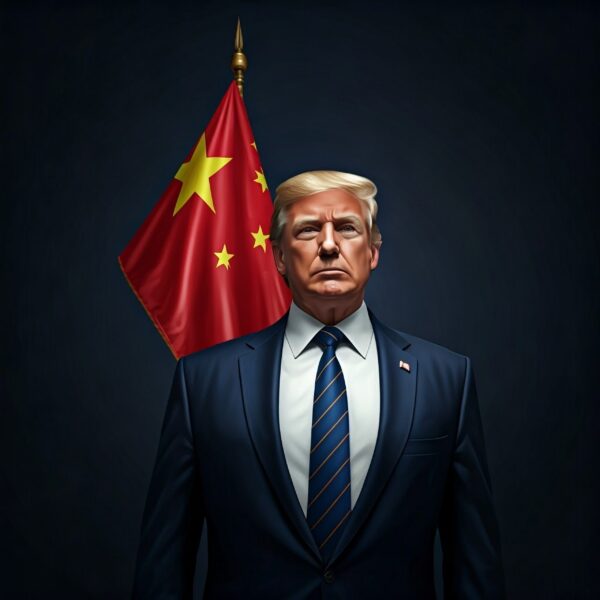
The erosion of democracy is a pressing concern as political figures like Trump garner support amidst a rising acceptance of authoritarianism. The shift in sentiment towards dictatorship is evident in many countries, including Mexico, where a significant portion of the population now favors authoritarian governance over democratic principles. This trend poses a serious threat to democratic values globally.

The Gulf of America.

The content discusses the evolving nature of leadership and diplomacy, emphasizing how historical threats have often materialized despite public disbelief. It critiques Donald Trump’s approach to governance, likening it to a prelude to confrontation rather than a means of resolution. The piece warns of the turbulent political climate and uncertain future.

The Biggest Global Risks for 2025

In a January 2025 interview, Ian Bremmer discusses critical geopolitical risks for the year, comparing it to historical tensions of the 1930s and Cold War era. Key issues include Trump’s potential resurgence, deteriorating US-China relations, a rogue Russian presence, and AI development concerns, alongside some hopeful developments amidst these challenges.

Eurasia Group Top Risks 2025

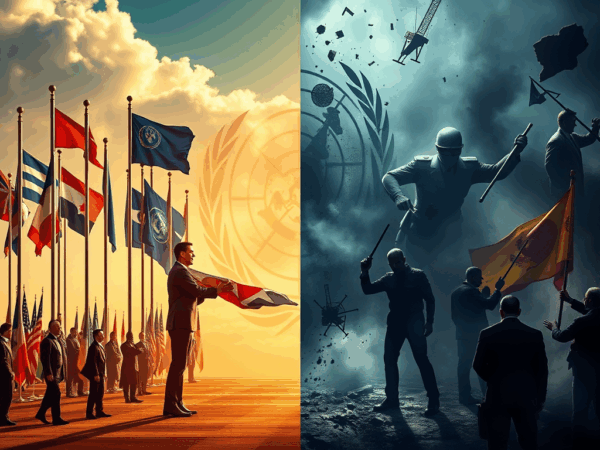
In 2025, the world appears promising with diplomatic progress in major conflicts and economic expansion amid a growing population. However, significant challenges persist, particularly the lack of global governance and cooperation. The United States and China prioritize self-interests, leaving global issues unresolved, threatening sustainability and deepening societal divides.

Welcome to the 8,200’000,000 +1!

Carl Sagan, a key figure in popularizing astronomy and understanding the cosmos, influenced humanity significantly through his works, including “Cosmos”. He warned about ecological issues and promoted peaceful communication in space. The world’s population trends highlight linguistic diversity, urbanization, and demographic challenges, emphasizing sustainability as a critical future concern.

Militancy

The content discusses the cautious transition of a president-elect towards authoritarianism, highlighting the importance of public support in achieving successful governance. It contrasts effective change management seen in historical revolutions with violent outcomes stemming from radical imposition. Ultimately, it stresses that the approach to governance is critical for societal progress and stability.

Putin’s Nuclear Doctrine Shift: Global Tensions Rise

As the Russia-Ukraine war intensifies, the US, UK, and France have allowed Ukraine to use NATO-provided missiles against Russian military targets. In response, Russia has altered its nuclear doctrine, claiming a legal state of war against these nations. Amid these escalations, Trump, as President-elect, could pave the way for peace talks.

Chamberlain’s Temptation Today.

On September 30, 1938, British Prime Minister Neville Chamberlain announced an agreement with Adolf Hitler aimed at ensuring peace, which ultimately failed with the occupation of Czechoslovakia. The article draws parallels to current geopolitical tensions, suggesting that appeasement leads to conflict, and advocates for a strong defense of international law and territorial integrity to prevent future wars.

Shares