The Failure of Mexico’s Economic Plan

Plan Mexico is criticized for its protectionist approach, deemed unfeasible given Mexico’s dire economic situation. With projections of zero growth, the government is urged to abandon these unrealistic commitments and adapt a more open economic strategy. Success depends on recognizing realities and attracting foreign investment instead of isolating from global markets.

The Real Cost of Tariffs on US and World Economies (part 2).

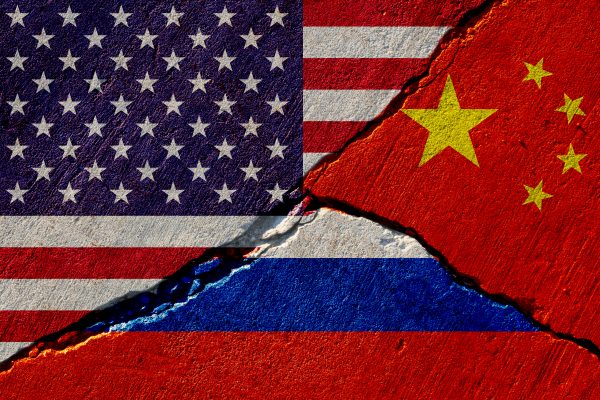
Trump’s tariffs on China are seen as hasty moves aimed at rallying his supporters, rather than as a coherent strategy. Their reversal points to rising costs for American consumers and industry, potentially causing inflation. The approach has alienated international allies, risking the US’s economic credibility while China advances globally.

Mexico’s Economic Landscape: The Seen vs. The Unseen.

Frédéric Bastiat’s distinction between the “seen” and “unseen” highlights Mexico’s current economic challenges. Despite populism and a satisfied public, investments are lacking, and past trade agreements are uncertain. For Mexico’s future, strengthening institutions is crucial as dependence on external factors, like U.S. relations, may lead to instability.

Top 3 Must-Watch Videos on Global Economics

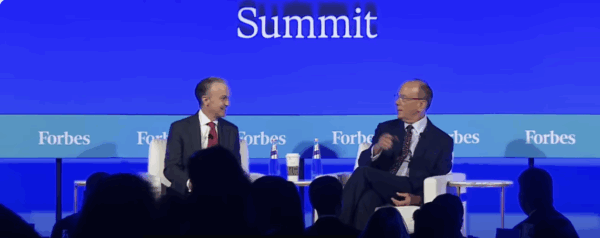
Three essential videos highlight current economic issues: Singapore’s Prime Minister Lawrence Wong discussing tariffs and global order; Larry Summers and Neal Ferguson examining economic science’s relevance during crises; and Janet Yellen addressing the effects of Trump’s economic policies on the US and global economies.

The Geopolitics of Tariffs

George Friedman discusses the transition into an unanchored world order characterized by uncertainty. He highlights the difference between geopolitical imperatives, which dictate nation actions, and geopolitical engineering, which balances internal politics. The established 20th-century order has eroded, paving the way for a new era defined by shifting norms and unpredictable outcomes.

Lawrence Summers: Trump’s Trade War is the Worst Self-Inflicted Wound Since WWII.

Former Treasury Secretary Larry Summers expresses extreme irritation (11/10) over the Trump administration’s trade war, labeling it a significant self-inflicted economic wound. He fears this will damage US credibility and warns against complacency regarding threats to democracy, prioritizing democratic norms over economic recovery. Summers is disappointed by the lack of public institutional response.

Ruination Day

The article discusses the implications of Trump’s actions on international relations and American society. It critiques his disregard for global trade rules and science, portraying him as a figure of arrogance. The author warns that Trump’s behavior could lead to significant damage, urging Americans to rely on legal frameworks and alliances for stability.

関税の山

ドナルド・トランプの政策は、アメリカの貿易戦争を激化させ、国際的な不安定性を生み出している。各国が商業外交を壊し、関税を武器とする新たな戦略に移行。米国の影響力が揺らぎ、各国が防衛や独立の方針を再考し始めている。

米国および世界経済における関税の真のコスト。

JPモルガンのデビッド・ケリーは、トランプ大統領の関税が米国や世界経済に深刻な影響を及ぼすと警告している。関税は価格上昇や経済成長の鈍化、失業率の増加を引き起こし、結果として世界貿易の混乱や景気後退を招く可能性が高い。

美国与世界经济的关税真实成本。

特朗普的关税政策对美国及全球经济产生深远影响,包括推高物价、减缓经济增长、削减利润及增加失业等。尽管预计将为政府带来可观收入,长期而言,这些关税将削弱美国经济,同时使中国等国寻求多元化市场,影响全球供应链。

Shares