#USA
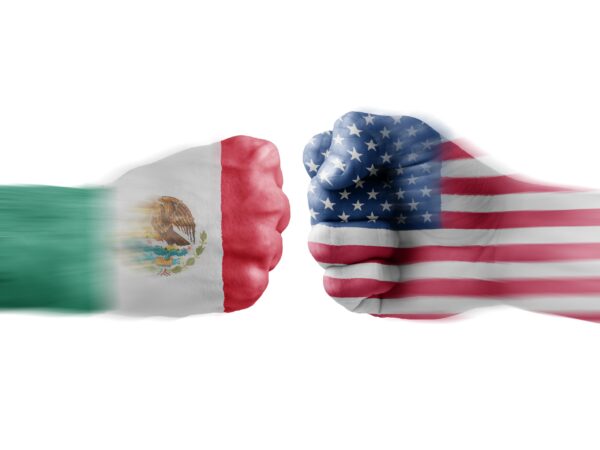
邻居之间的问题日益复杂。
美国与墨西哥在政治上日益对立,但经济上却愈发依赖。墨西哥对拉美独裁政权的支持、与俄罗斯的“中立”关系以及与中国的共谋都引发关注。在此背景下,墨西哥经济与美国的紧密关系显得尤为重要,影响到数百万侨民的利益。
Neighbors With Increasingly Conflicting Issues.
The United States and Mexico share a complex relationship characterized by economic interdependence alongside political tensions. Mexico’s support of authoritarian regimes, including Cuba and Venezuela, and its neutrality towards Russia fosters conflict with U.S. interests. This ideological divide complicates Mexico’s commitment to market economies amidst growing ties with China and organized crime.
Why are US elections complex and what is the rationale for the Electoral College?
Manuel Suárez Mier’s columns explore the complexities of the U.S. electoral system, the evolution of political parties, and the current threats to democracy. He highlights historical contexts, such as the founders’ intentions and modern-day political polarization, emphasizing the risks posed by extremist ideologies and the potential for undermining democratic principles.

An Opportunity
In July 1914, as World War I loomed, Mexico faces a similar uncertainty due to a controversial judicial reform. It divides opinions on its necessity and implications. The Supreme Court’s review could present President Sheinbaum with a chance to strengthen governance and the Rule of Law, albeit the reform prioritizes political motives over justice.
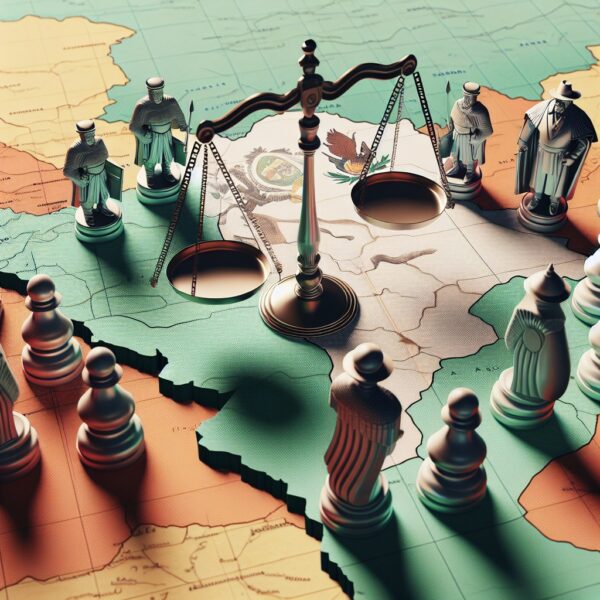
The War Waged by Politicians Using the Judiciary in Bolivia.
Ricardo Pascoe Pierce warns of potential judicial manipulation in Mexico, drawing parallels with Bolivia under Evo Morales. He highlights the dangers of politically motivated judicial appointments, resulting in a judiciary that serves political interests rather than justice. The piece underscores the urgency for resistance to prevent the erosion of democratic principles and maintain constitutional order.
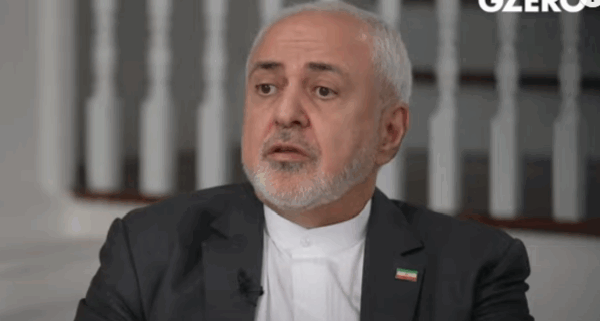
What’s Iran Next Move?
As tensions rise a year after the Oct 7th Hamas attacks, Iran’s VP for Strategic Affairs, Mohammad Javad Zarif, discusses with Ian Bremmer the ongoing Middle East conflict. Topics include Iran’s self-defense stance, regional provocations, and perspectives on U.S. elections, emphasizing Iran’s cautious approach amid escalating tensions.

Distortions
The article criticizes Mexico’s new government for prioritizing power consolidation over democratic principles like checks and balances. It highlights the dangers of diminishing freedoms and citizen rights, arguing for economic competition and reduced government dependency. The author warns that undermining the Rule of Law risks authoritarianism, stressing that Mexico’s fate is intertwined with global dynamics.
Luis Maizel’s Monthly Letter: Upcoming Changes or More of the Same?
The letters discuss leadership changes in Mexico and upcoming U.S. elections amid extreme polarization. Economic indicators include U.S. stability with Mexican mixed data. Global events noted are the Israeli-Iranian conflict and China’s economic policies. Argentina’s inflation declined, Germany faces challenges, and markets saw moderate gains.
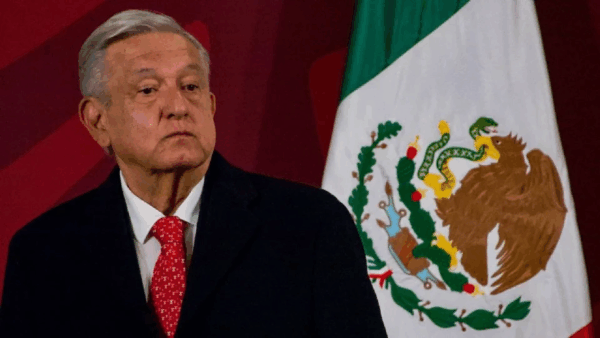
Arrogance, Short-Sightedness and its Consequences
The end of Andrés Manuel López Obrador’s presidency marks significant changes in Mexican politics. His era is characterized by strong personal control, political degradation, and a focus on electoral success over economic development. As his successor takes over, Mexico faces institutional weaknesses, societal dependency on direct cash transfers, and political uncertainties.