
The Decline of Mexican Diplomacy: A Case Study of Rutilio Escandón

Ricardo Pascoe Pierce The appointment of the former governor of Chiapas, Rutilio Escandón, as Consul General of Mexico in Miami, Florida, is the most unfortunate example of how the Mexican federal government is visualizing the coming months and years in the bilateral relationship with the …

Read more

Impact of Marco Rubio on US-Mexico Relations

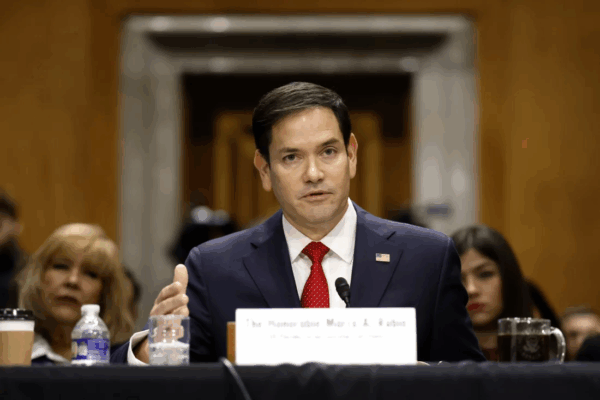
Marco Rubio’s appointment as U.S. Secretary of State signals a shift in foreign policy towards Latin America, especially focusing on Cuba, Nicaragua, and Venezuela. Tensions are expected between Mexico and the U.S. regarding trade policies and support for these nations, impacting the CUSMA/USMCA/T-MEC agreement and potentially leading to significant diplomatic conflicts.

What is Terrorism?

Omar Garcia Harfush, Secretary of Security, recently defined terrorism, excluding recent car bombings in Guanajuato as acts of criminal feuds. Critics argue his definition is too narrow, ignoring the broader implications of state and non-state terror in Mexico, where fear is a tool employed by both criminal groups and the government for control.

National Sovereignty or Hemispheric Security?

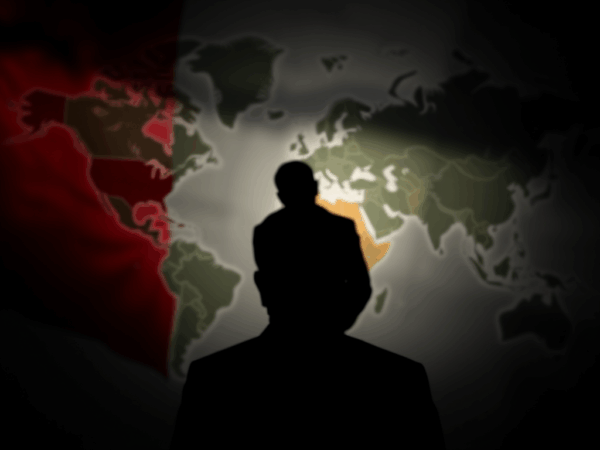
The U.S. elections present both opportunities and risks for Mexico’s political landscape. While some factions advocate for closer ties with authoritarian regimes, others push for strengthening North American relations. The election outcome will crucially dictate Mexico’s foreign policy direction, particularly regarding its relationships with the U.S., Russia, and China.

Cuba’s Degradation

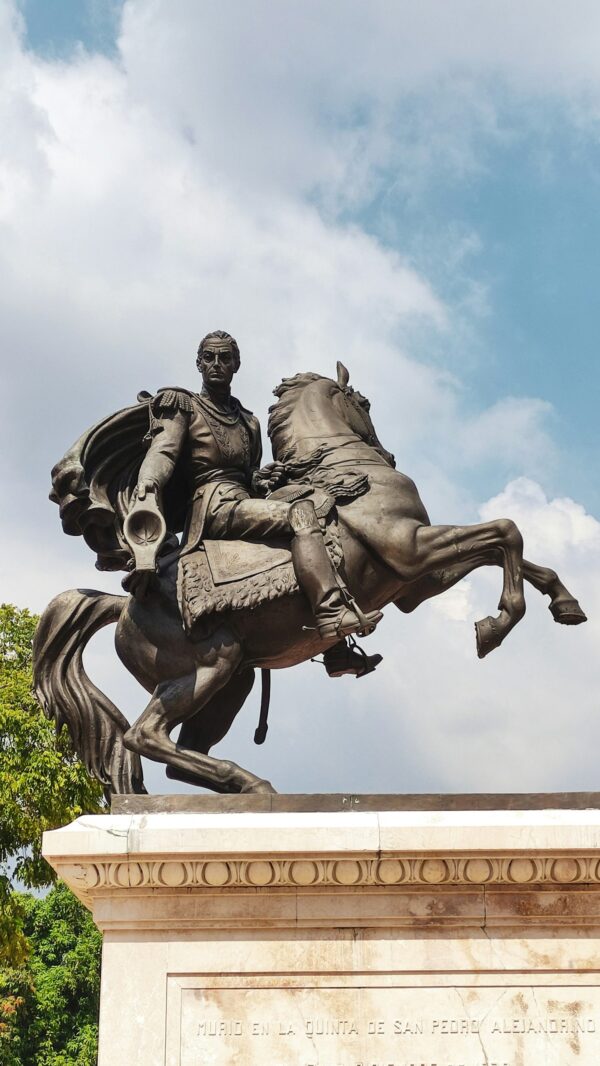
The Cuban government has systematically suppressed its citizens’ fighting spirit, leading to mass emigration amidst worsening economic turmoil. Persistent power outages result from policy failures and budgetary misallocation, prioritizing repression over public welfare. This strategy aims to control dissent, as over a million Cubans have fled the dire living conditions and lack of freedom.

Neighbors With Increasingly Conflicting Issues.

The United States and Mexico share a complex relationship characterized by economic interdependence alongside political tensions. Mexico’s support of authoritarian regimes, including Cuba and Venezuela, and its neutrality towards Russia fosters conflict with U.S. interests. This ideological divide complicates Mexico’s commitment to market economies amidst growing ties with China and organized crime.

Shares