Honduras Elections: Trump vs. Sheinbaum Confrontation Explained.

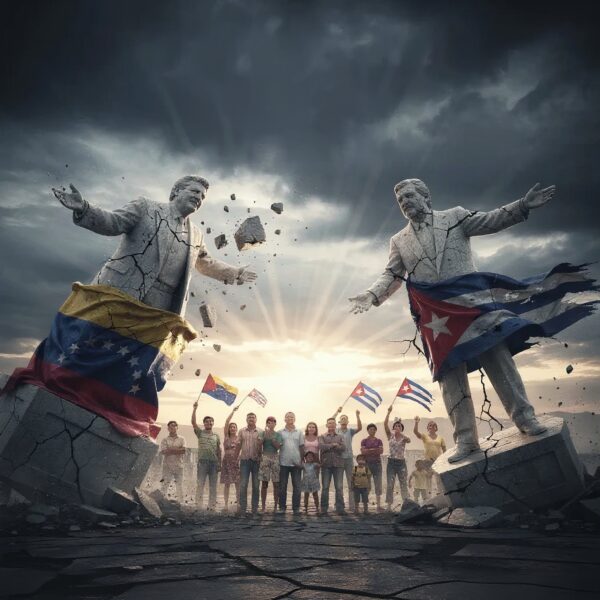
Honduras’ presidential elections have turned into a proxy battle between Claudia Sheinbaum and Donald Trump, reminiscent of Cold War dynamics. Xiomara Castro’s swift visit to Mexico before the elections highlighted ideological ties within a socialist bloc, while Trump pressured voters to reject Castro’s party, emphasizing economic issues and immigration policies.

On How Mexico’s Government Deceives The World.

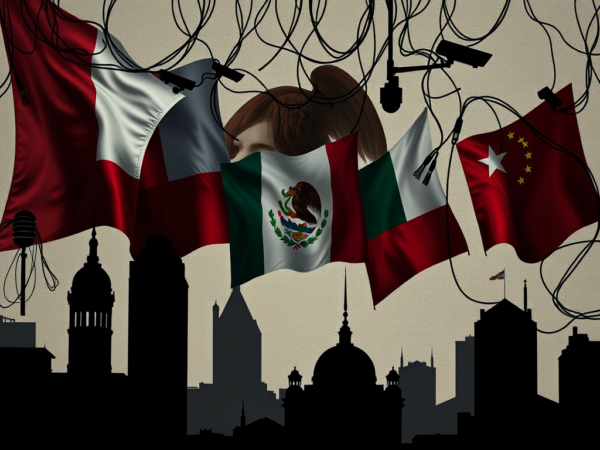
Mexico’s President Claudia Sheinbaum’s absence from key international forums has drawn criticism, particularly regarding drug trafficking and violence. This lack of engagement coincides with a demoralized diplomatic corps and a government hesitant to openly address controversial issues. Mexico’s foreign policy operates in secrecy, reflecting a disconnect with its economic partners and democratic values.

The Global Organized Crime Index 2025.

The global criminal landscape is increasingly adaptive and complex, shaped by socio-economic shifts and technological advancements. The 2025 Index highlights critical changes in drug markets, the rise of non-violent crimes, and growing foreign and private sector involvement. It indicates an urgent need for new resilience strategies to counter evolving organized crime.

The Costs of Loyalty.

The discourse examines the theme of loyalty versus faithfulness in governance, highlighting scandals involving prominent figures like King Charles III and various Latin American presidents. It emphasizes the necessity of judicial integrity amidst political corruption, especially in Mexico, where a decline in trust is noted due to governmental actions undermining rule of law.

Milei’s Victory: A Shift in Argentina’s Political Landscape.

Javier Milei’s recent electoral victories in Argentina reflect public discontent with Kirchnerism’s governance, characterized by corruption and economic ruin. His administration has reduced inflation and poverty while navigating political challenges. With newfound congressional support, Milei aims to implement economic reforms and stabilize governance, challenging expectations and potential outcomes.

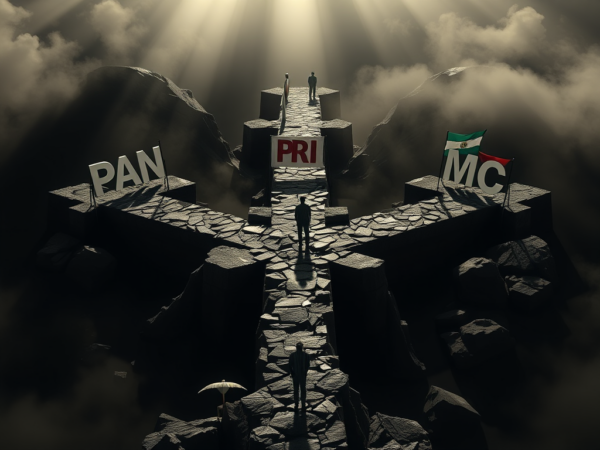
Mexico’s Political Identity: Where Do We Belong?

Blood, but above all, personal will and instinct are powerful magnets. They define who we follow, who convinces us, and who does not suit us. And today, more than ever, Mexico needs to ask itself who it is. To which orbit does it belong, and which world does it want to join?

The Crisis in Mexico: Governance Under Sheinbaum’s Leadership.

Claudia Sheinbaum faces an escalating political crisis as López Obrador threatens armed insurrection should she deviate from his ideological framework. Historical parallels with past Mexican presidencies highlight her precarious position. As internal chaos and economic stagnation grow, Sheinbaum struggles to assert authority while balancing national loyalties amid increasing social unrest.

The Impact of Governance on Economic Development.

The key to a nation’s progress lies in balancing governmental and market roles, ensuring a capable state that safeguards property rights and functions effectively. Successful examples highlight that while democracy is important, a strong, rule-abiding state is crucial for sustainable growth and prosperity, as evidenced by varied global outcomes.

Authoritarian Populism and Media Warfare.

Pablo Iglesias, former vice president of Spain, embraces authoritarian populism through media initiatives like Canal Red and Diario Red, aiming to polarize audiences. Backed by substantial foreign funding, his approach seeks to challenge liberal democracy, promoting a narrative against reactionary voices while manipulating public discourse in Latin America and beyond.

U.S. National Security: Mexico’s Strategic Role.

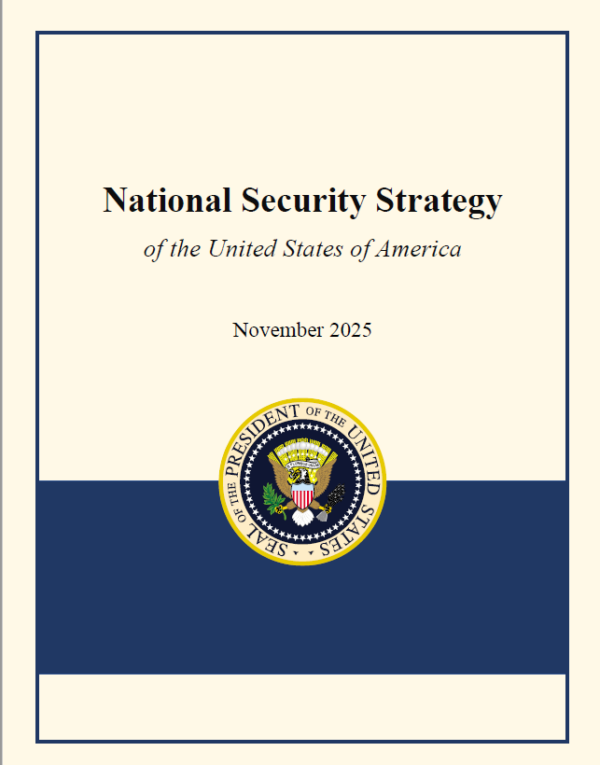
The United States views Mexico as a crucial player in its geopolitical strategies concerning Latin America, particularly in relation to Venezuela and Colombia. Recent actions suggest a testing ground for influence in Mexico, amid concerns about its alliance with drug traffickers and opposition to U.S. policies. Mexico’s foreign policy risks increasing regional tensions.

Shares