Pablo Hiriart
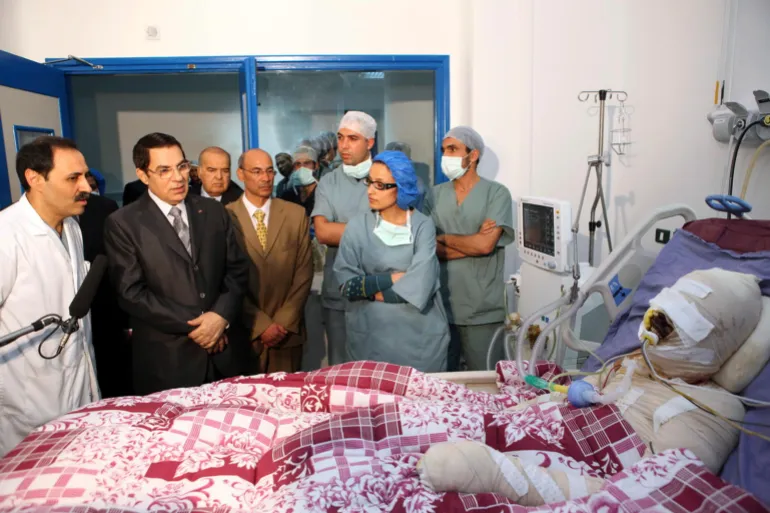
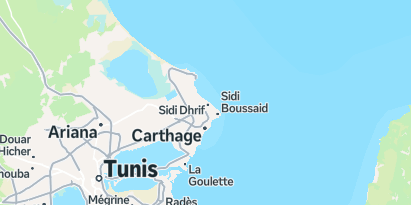
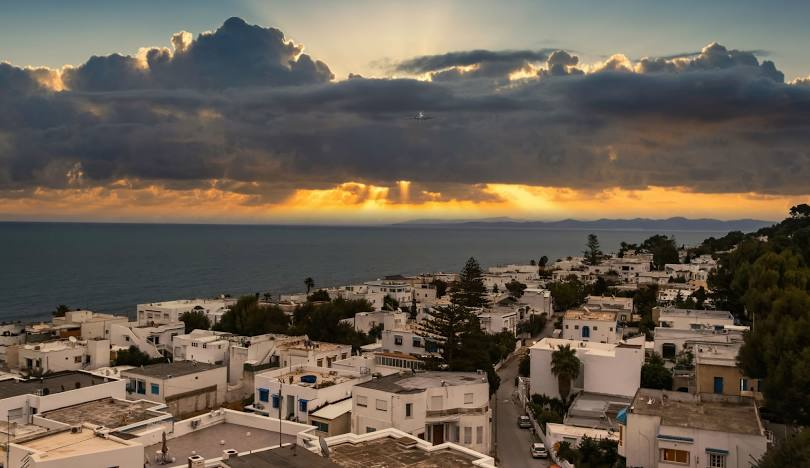
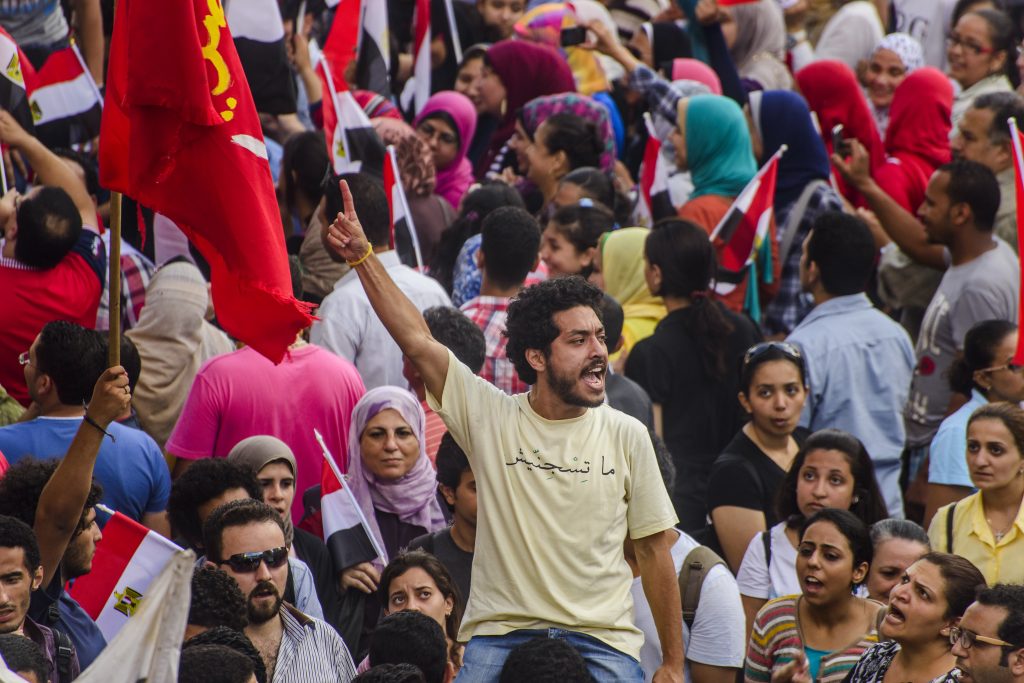
LA MARSA, Tunisia – December will mark 15 years since Mohamed Bouazizi, a young Tunisian fruit and vegetable vendor, set himself on fire and died in public after police confiscated his merchandise and slapped him in front of onlookers. With this extreme gesture of protest and helplessness in the face of police abuse and living conditions under a corrupt regime, Mohamed Bouazizi’s charred body sparked revolt across North Africa, and the world enthusiastically welcomed what we came to know as the Arab Spring.
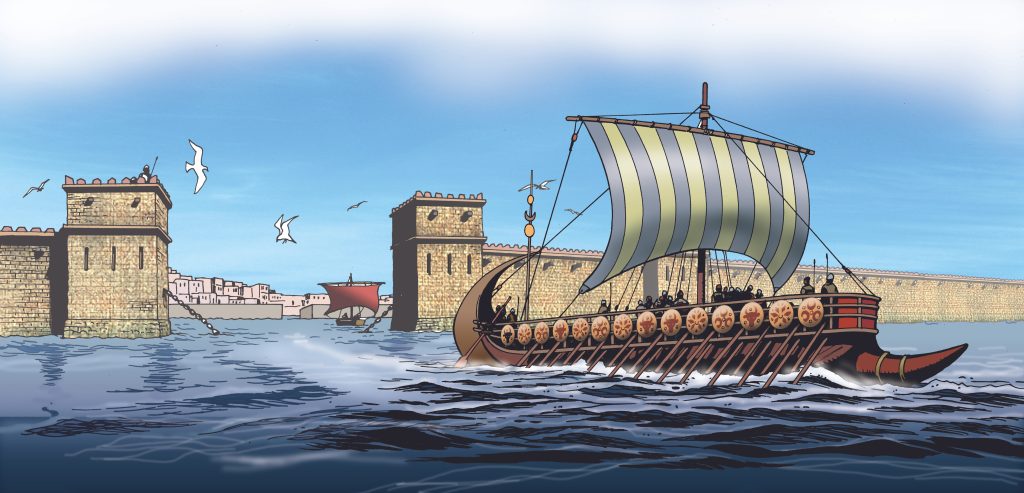
This country does not have oil like its neighbors, Libya and Algeria. But it has stability, an incredible coastline, full of history and vestiges of a past that was glorious for centuries, thanks to the Phoenicians who arrived in peace from Tyre (Lebanon), skilled in navigation, pioneers of world trade, inventors of the alphabet, and the color purple.
The streets are dirty, with garbage piling up and wreaking havoc on the sense of smell in the narrow passages, where the heat is stifling and cleaning services take days to arrive. Muslims rest on Fridays, Jews on Saturdays, and Christians on Sundays. I see Palestinian flags on houses in the center, as an expression of solidarity with the victims in Gaza.
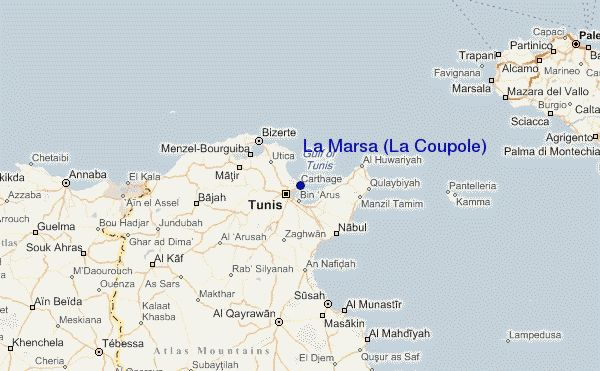
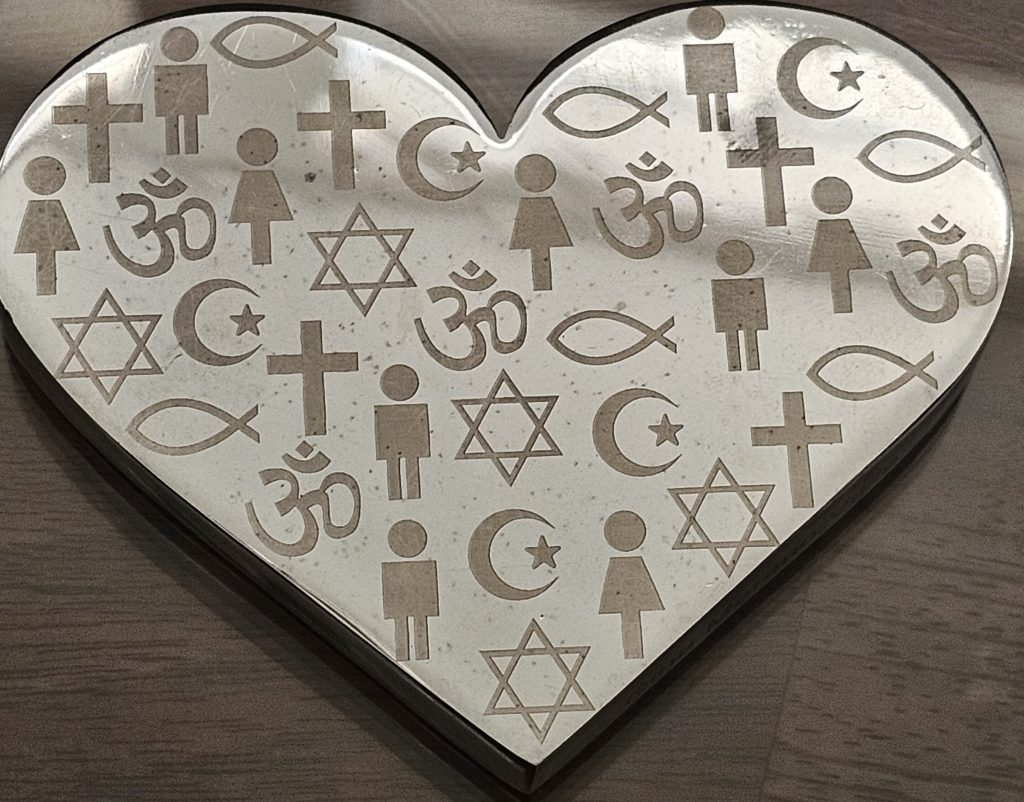
Here, the majority of the population is Muslim, followed by Jews, with Christians in a distant third place. Mosques, temples, and Catholic churches celebrate their rites in peace and with genuine respect. Tunisia has a secular constitution that guarantees equality between men and women, freedom of worship, and freedom of conscience. Much of the ancient history that shaped the modern world passed through this country, which saw the birth in Carthage of two great generals, Hamilcar and Hannibal.
The Phoenicians who settled here in North Africa—the Punics—(both names have their roots in the mollusk from which purple dye was obtained) worshipped Baal, who was God. The Romans worshipped Jupiter, their chief deity. The Christians worshipped Jesus and his father, God. The Jews worshipped Yahweh, who is God. Muslims worship Allah, who is God.
And in God, there is no time, one might say.
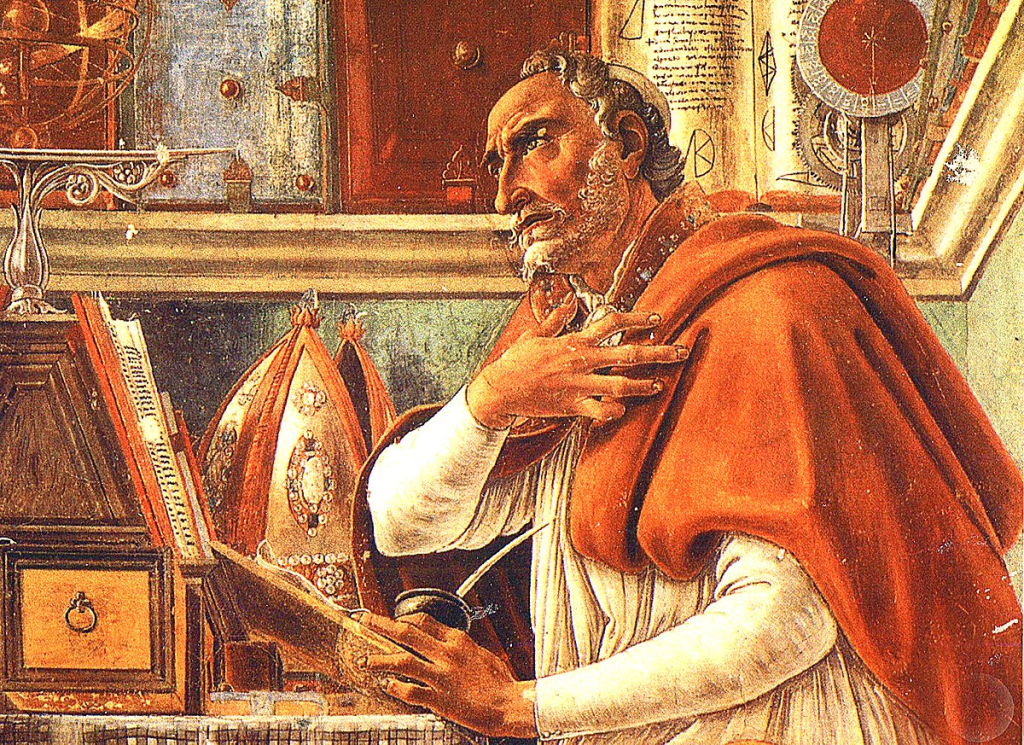
In the city where I find myself, St. Augustine, a resident of Hippo, preached. I walk along the sand to imagine the child who taught him—on a beach not far away—the limitations of the human mind and ignited in him the flame of faith.
Beneath the mountains of the Atlas range, facing the sea, the first Arab expansionist troops camped with their new religion, Islam. Here, as in other places, Muslims opened their ports to Jews expelled from Spain in 1492.
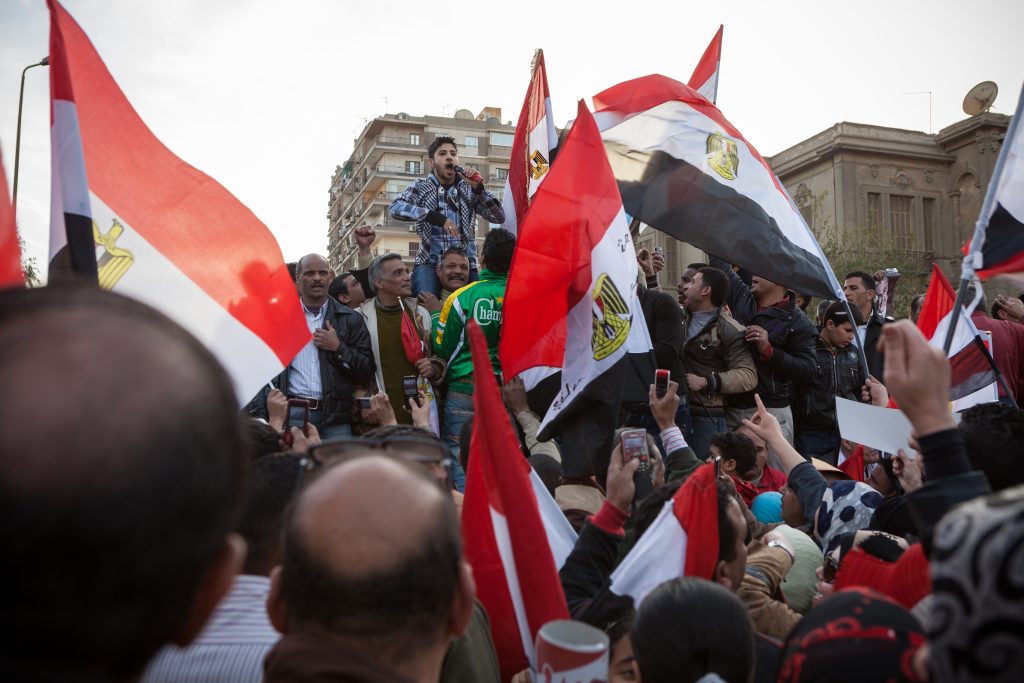
Let’s get to the point: Tunisia was also the cradle of the Arab Spring.
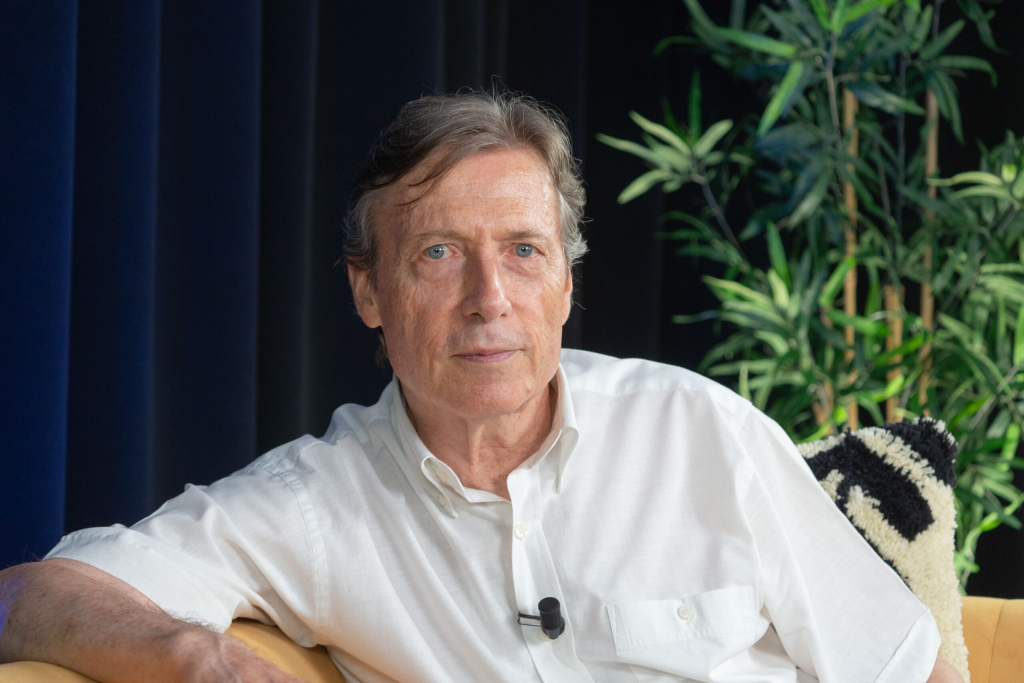
In a fruit and vegetable market (in Madrid), I interviewed the prominent French journalist born in Tangier, Bertrand de la Grange, an expert and scholar of the political regimes on this side of the world (and also in Latin America).
–Bertrand, what remains of the Arab Spring? Was it useful?
If you look at it quickly and globally, the impression is that it has been a disaster. Those countries are worse off today than they were before the Arab Spring began. But if you look at it in historical terms, all revolutions come at a considerable cost. And I think that has been the case for all the countries that participated in the Arab Spring.
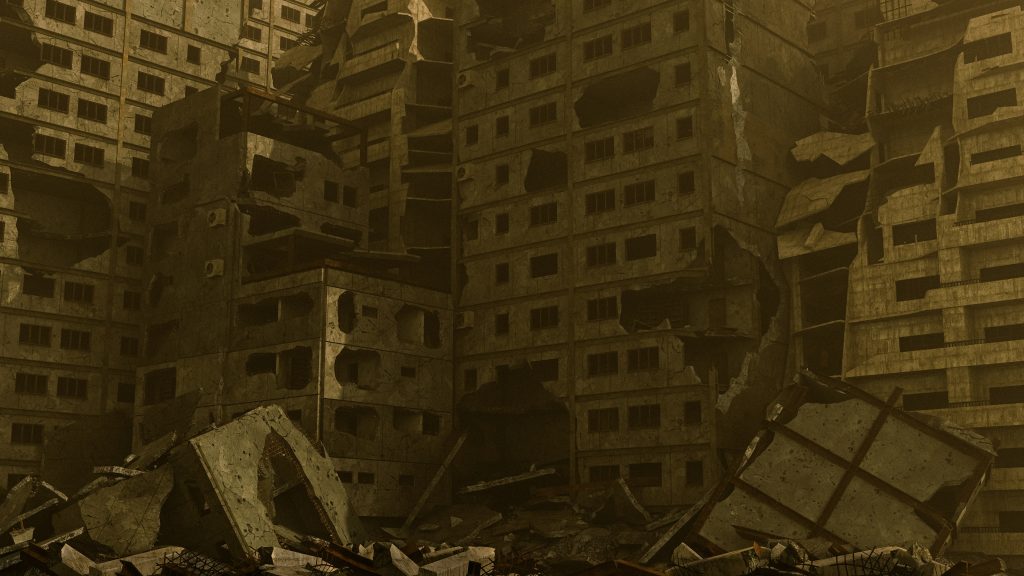
“Those who believed that these countries would transition from dictatorships to democratic systems were wrong,” he adds. “We were all wrong in a way. I never had an idealistic vision that overthrowing those regimes in Tunisia, Libya, Egypt, and attempts in other countries such as Syria would lead to Western-style democracy. That was impossible because societies are not ready for this. And perhaps they need different types of political regimes to function, not necessarily what we imagine for them.
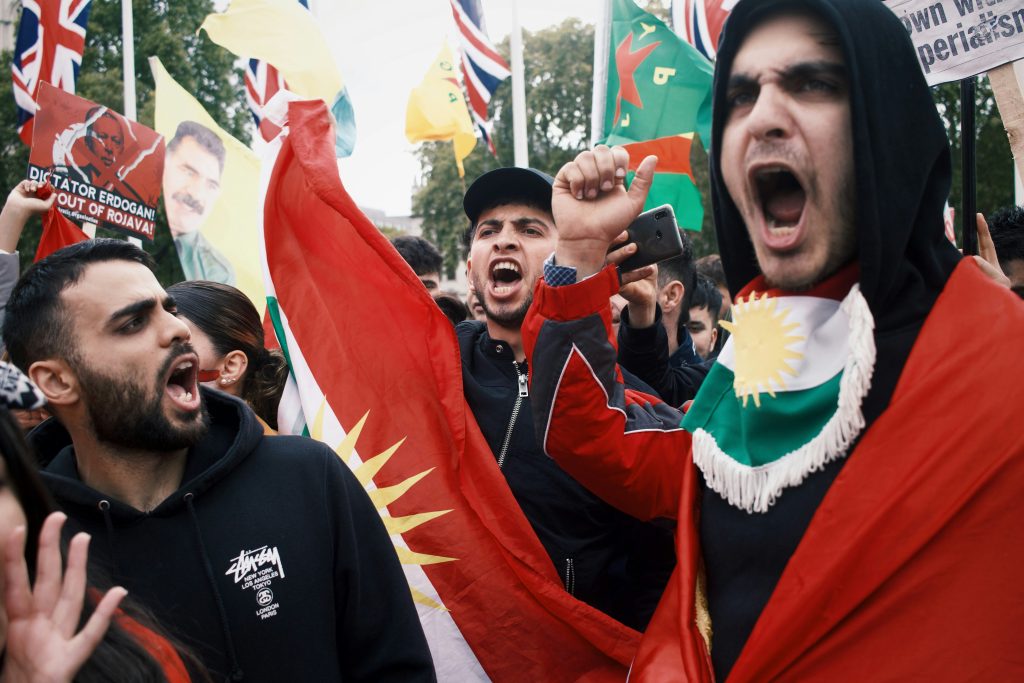
–Let’s start where the Arab Spring began, in Tunisia.
–Indeed, things have not improved; in fact, they have worsened. They are still in a chaotic phase where real democracy, as we understand it, is not defined. But I would say that Tunisia is perhaps the least severe case in terms of consequences.
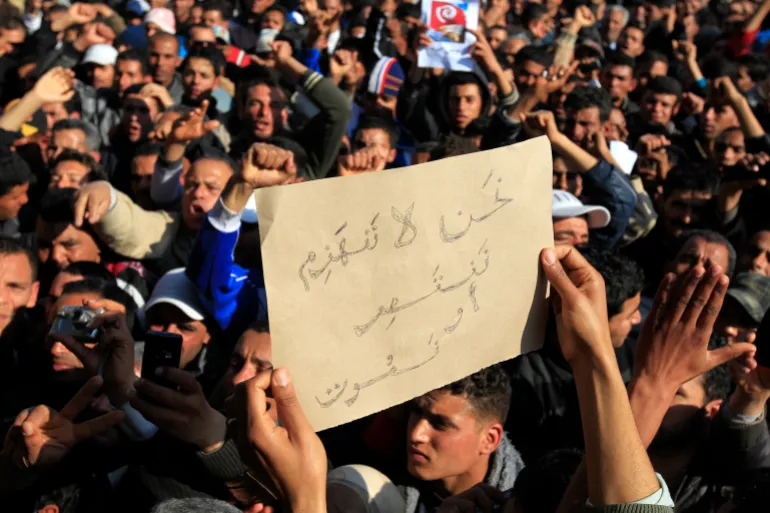
–Libya.
–Gaddafi was a monster. There is consensus on this. He was a guy who had been in power since the late 1960s, and there was no way he was going to leave. He had left no possibility for an alternative. He had closed them all off. It was a dictatorial, one-person, totally closed regime. Gaddafi had become crazy and dangerous from every point of view. Dangerous to his own people, but also to the region and beyond. A danger like Iran today, although Gaddafi was much crazier. He could do anything and decide, for example, that he wanted nuclear weapons. It was that simple. Imagine nuclear weapons in Gaddafi’s hands.
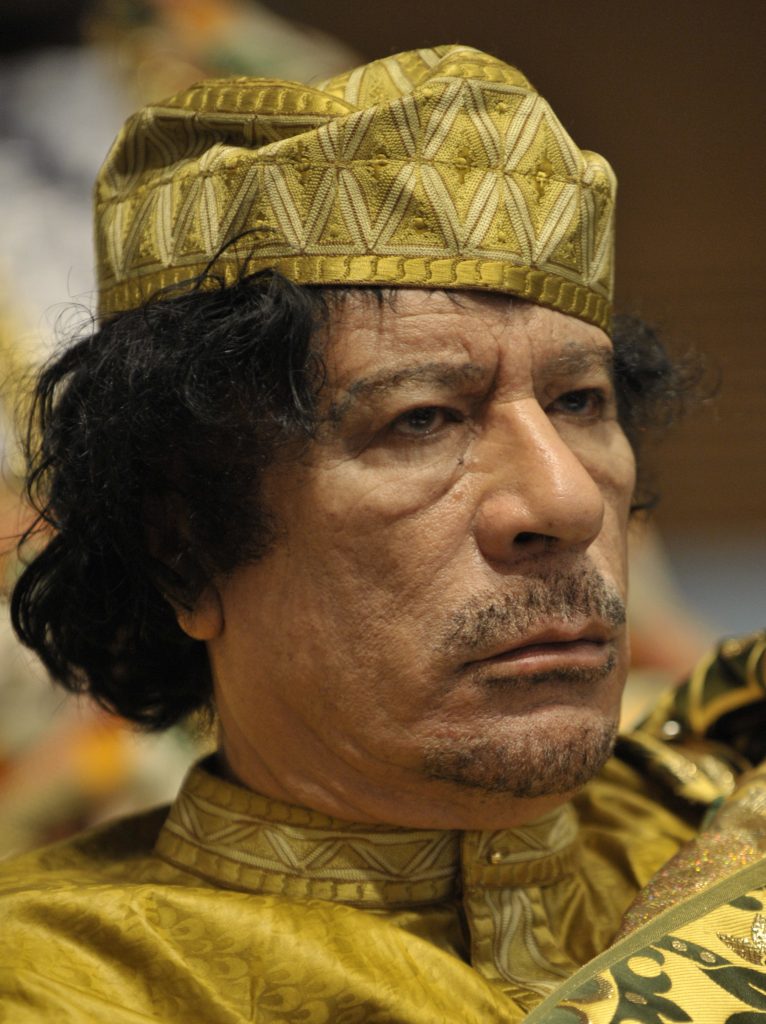
“For decades,” De la Grange continues, “he ran the country like his personal ranch, and very severely. Libya has fantastic oil wealth, and Gaddafi did not develop the country. People did not live so badly because each family received a sum of money from the state, which kept people quiet and unwilling to participate in politics.
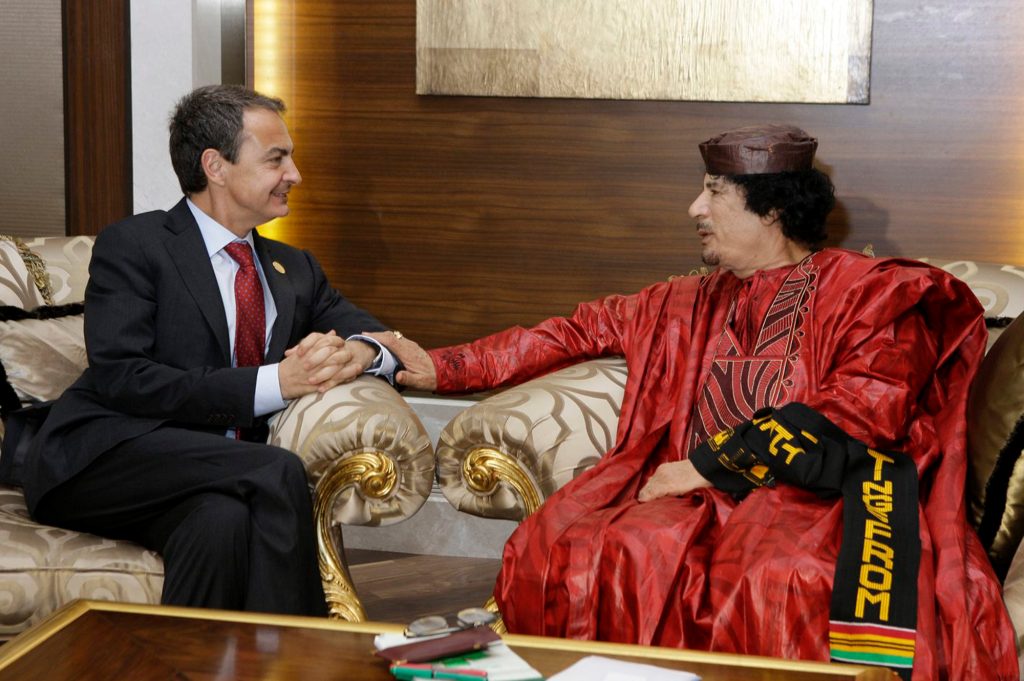
“That stopped working when the Arab world began to wake up. And that reached Libya. Gaddafi’s dictatorship maintained national unity by force. And when you overthrow that system, you awaken all the demons. It was impossible to go straight from Gaddafi to democracy.”
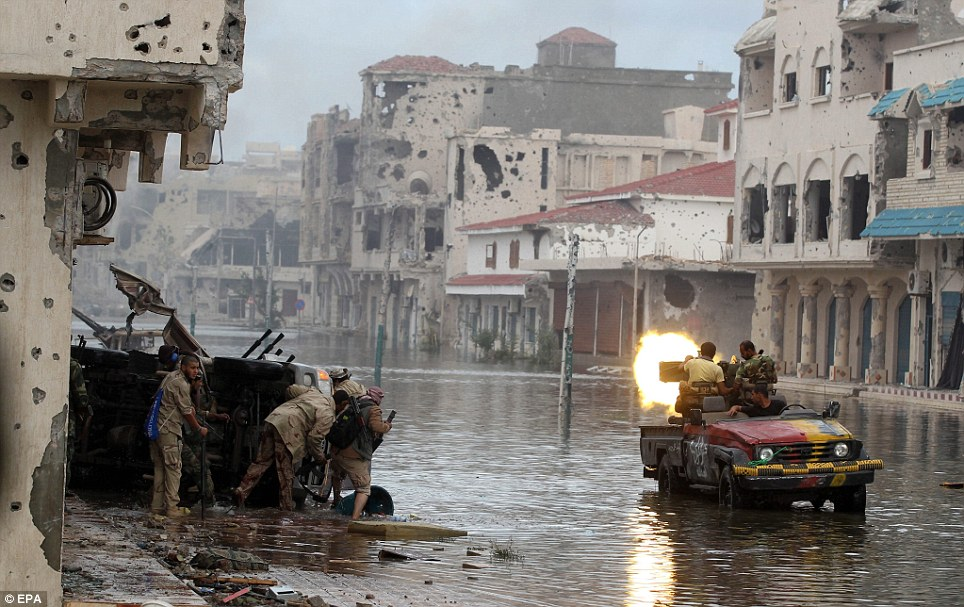
–What happened next in Libya?
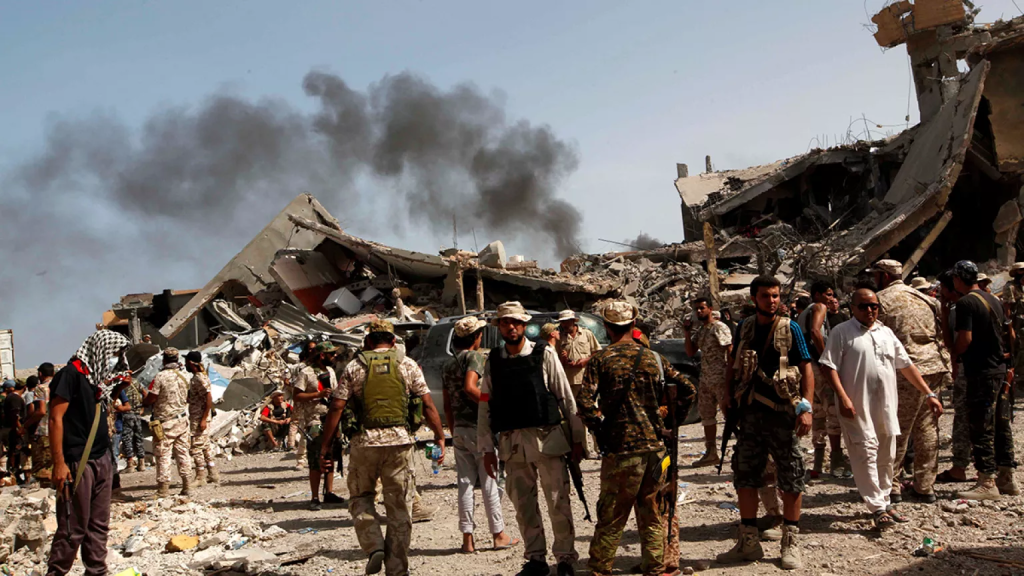
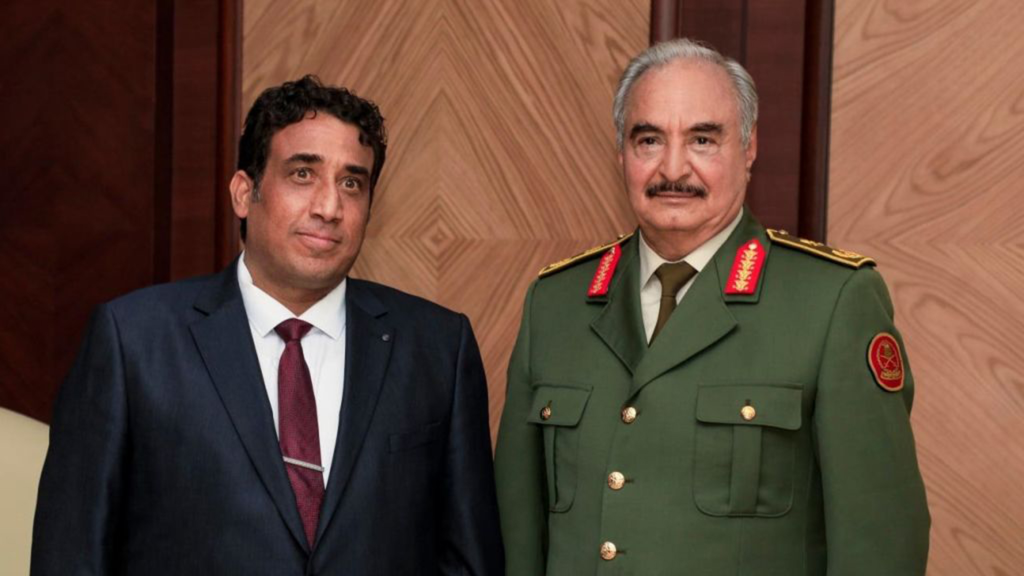
–National unity collapsed. The country is split into two. One part, in the east, is led by General Haftar. And one part in the west continues with powerless, totally disorganized, anarchic governments, unable to control their own territory, where numerous armed militias continue to do as they please.
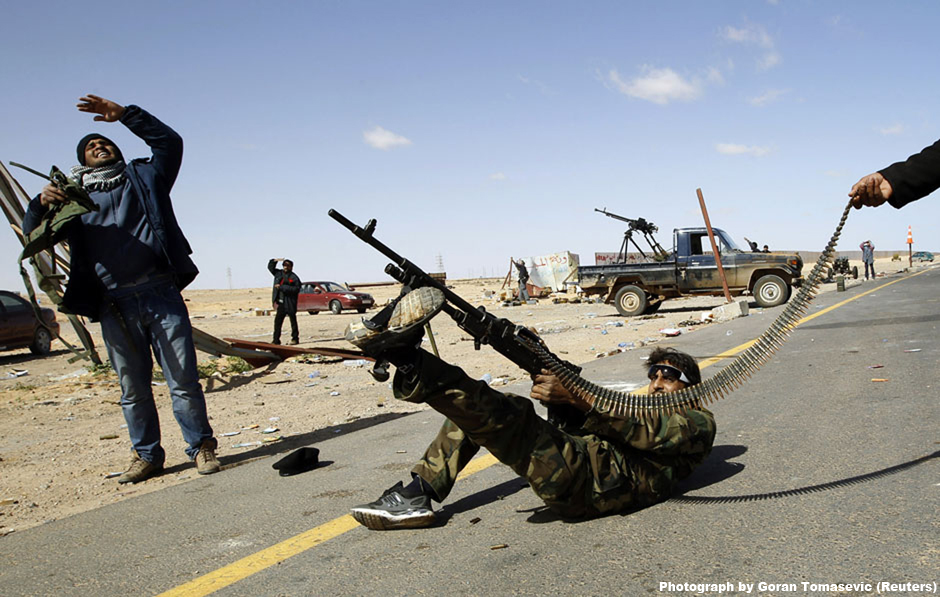
“There are two parliaments, one in the west and one in the east. Elections are held whenever the government feels like it. So there is no democratic system. The rest of Africa uses Libyan territory, taking advantage of the anarchy, to cross over and then migrate illegally to Europe, although this has been curbed considerably.
–Egypt?
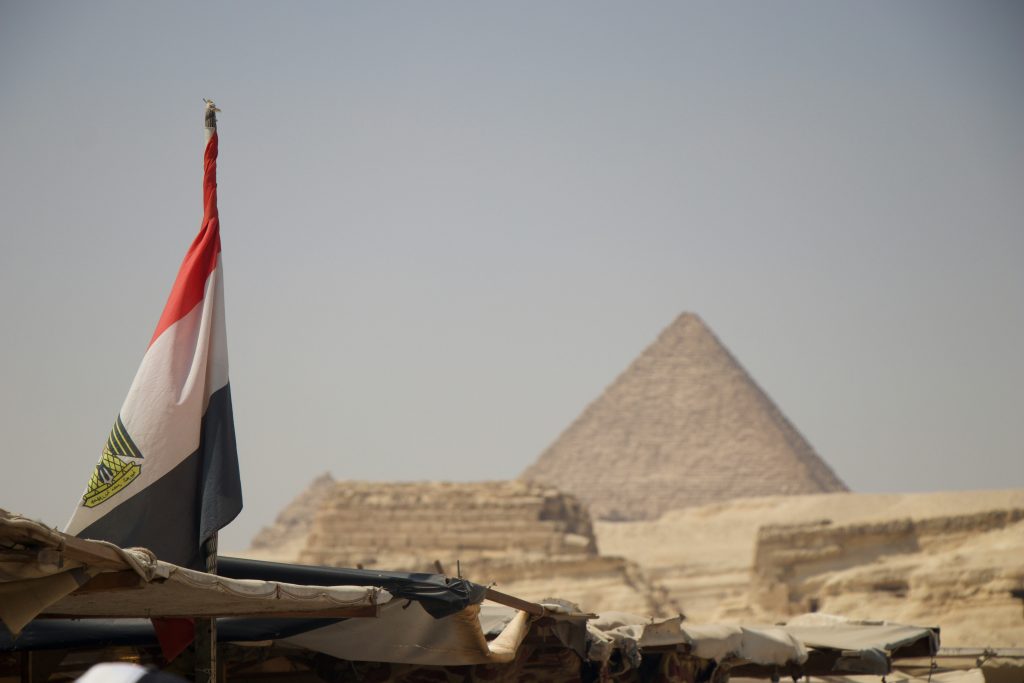
–Egypt is the most significant piece of the Arab world, in terms of population and geopolitics. There, the Arab Spring shook the foundations of the country. First, the Muslim Brotherhood took power, which was the worst thing that could have happened. They confiscated the possibility of democratic transformation. They are the ones who ultimately prevent it, who stop it. And that led to the inevitable in a country of that size and importance: the military regained power.
–Back to dictatorship, then.
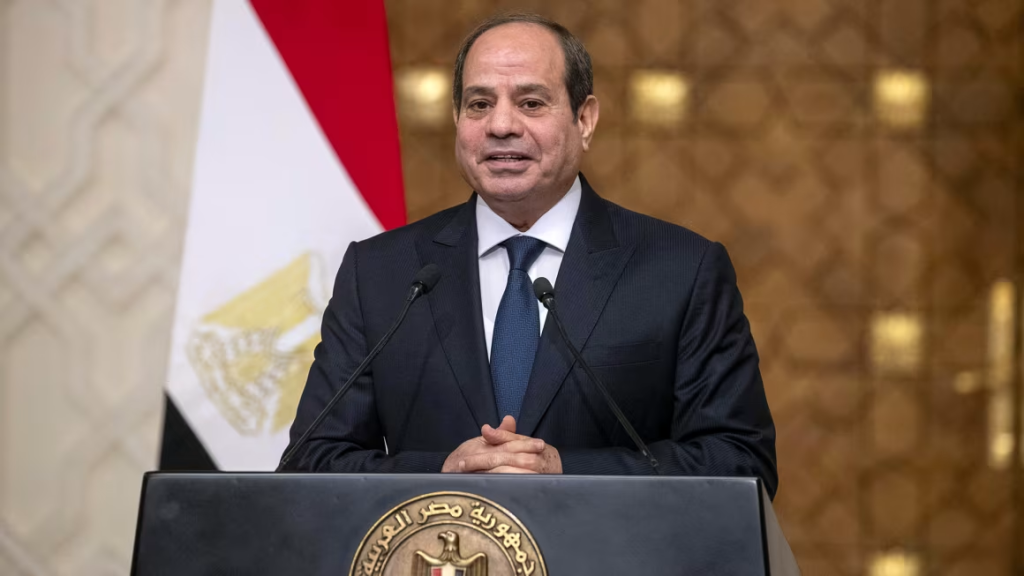
–Egypt returned to a system of military dictatorship, much more efficient than the Muslim Brotherhood government of the Morsi era. And I believe they have consolidated their power. They have consolidated their power through force. They derive their legitimacy from force, not from the ballot box. And we must not forget that the Arab masses, in general, in countries with populations as large as Egypt’s, are cannon fodder for the Islamists. The Islamists are lying in wait. If the ballot boxes are democratically opened in those countries, the Islamists will win the elections.
–So what is the option?
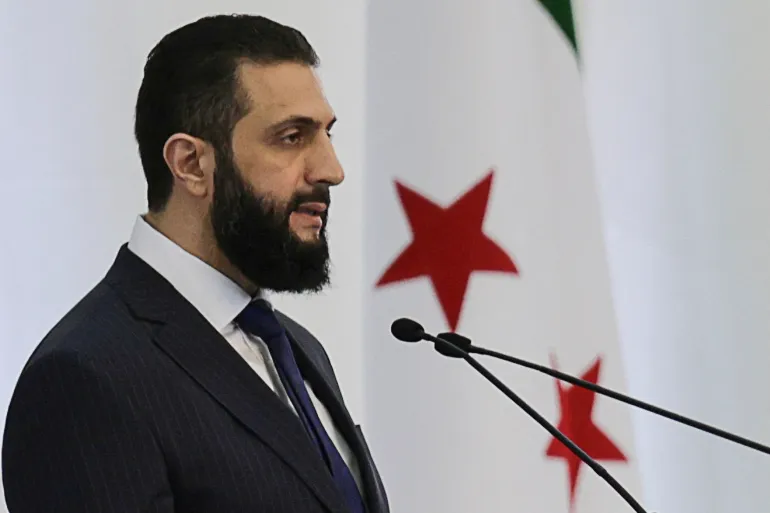
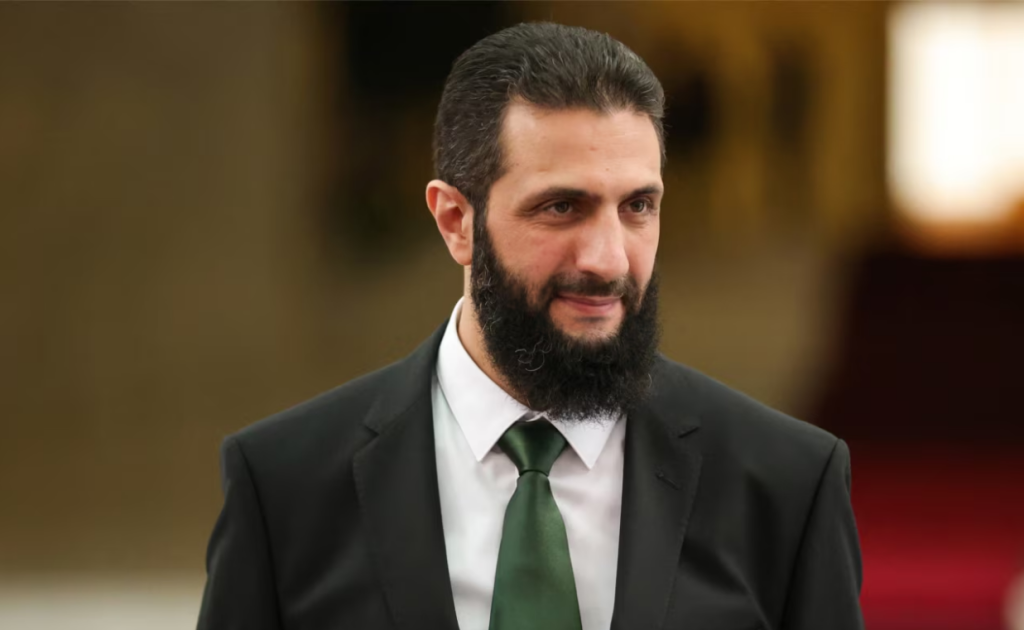
–That is the great dilemma in those countries. Look at what has happened in Syria. In the end, an Islamist has won. An Islamist who was one of the most radical.
–He says he has changed.
–He shows signs of having changed. But Islamists have always worn masks. This is nothing new. If we believe him now, I think it would be very dangerous. The United States and Europe are resuming relations with Syria because they see that the only option is not to stay out. By maintaining a presence and offering support, albeit with conditions, it is possible to prevent the Islamist in power, who presents himself as a leader open to dialogue, from continuing on those lines and instead trying to take advantage of the situation to revert to his initial advocacy gradually.
–What is your political assessment of the Arab Spring? Was it worth it? What did it teach us?
–We cannot say whether it was worth it or not, because it was something that had to happen. It happened at that moment and had a contagious effect throughout the Arab world. It is a fact that we can only judge after the event. It was a rupture in the Arab world that allowed for a new era to begin. A new era that may be good in some cases and bad in others. I would take the example of Morocco here.
–Let’s see, Morocco.
–There was a spring that was much less intense than in Tunisia, Egypt, or Syria. At first, the regime resisted, but it did not resort to repression as it did in other countries. However, this also gave rise to Islamists in Morocco, who gained power by winning the elections. But real power remained in the hands of what is called the Makhzen, that is, the king and his entourage. And that is the real power in Morocco. And the Makhzen lets the Islamists govern, lets them burn themselves out in government, and weakens them with a series of actions so that they eventually leave power.
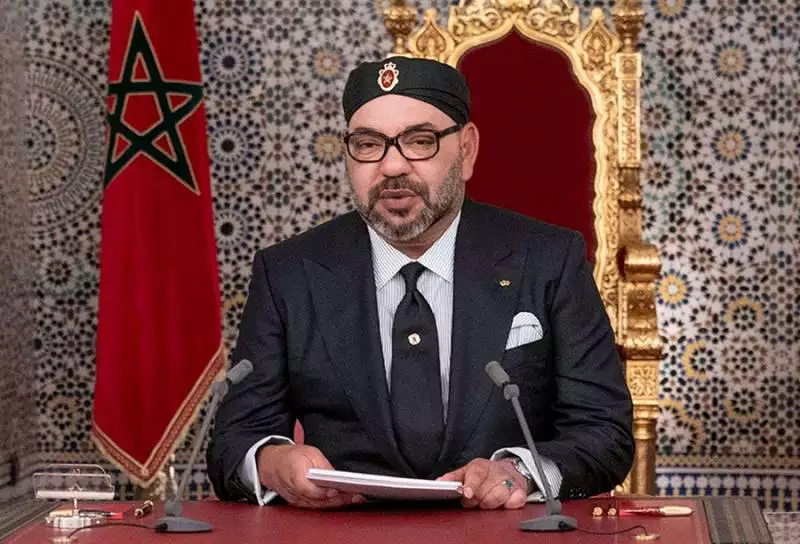
“So the actions of Morocco, of the Moroccan regime, were much smarter than in other countries. The lesson in the case of Morocco was that the Arab Spring made it possible to weaken the Islamists.”
The journalist adds that “Egypt did the same thing, at a much higher cost because it meant a return to military dictatorship. So, unwittingly, those who took to the streets (in the Arab Spring) allowed the Islamists to use it as a springboard. But the end result is that they have lost in Egypt and Morocco. In Tunisia, it’s still too close to call. Libya is another, much more chaotic story.
–Syria?
–Syria is the only country where the Islamists have won. But they have won under external control, both from Israel and the rest of the world, in the sense that they are really under surveillance. If they really confirm an Islamist regime, I think there will be another reaction against that government. But if we analyze it globally, I believe that, curiously, the Arab Spring has slowed the growth of a movement that was not visible and was lurking in the background, which was the Islamist movement. In that sense, I see it as a positive result, except in Syria, where there was no other option.
–Should we admit that there are other forms of social organization different from the one we seek and live in, which are as legitimate for some countries as democracy is?
–I say yes. I believe that all these movements, particularly in the Arab world, have demonstrated that our concept of democracy, which is admirable, cannot be applied at the moment, and perhaps never, to Arab countries. Social relations in those countries differ significantly from those in Europe, Mexico, or the United States. They have a totally different history. A tendency toward strong regimes. Their populations have grown so enormously that, let’s say, they are countries that could become totally uncontrollable. There is a part of the intelligentsia in each of these countries that says, Look, if we open up entirely and hold democratic elections with the same system as in the West, the Islamists will take over everything. These people, like Chávez in Venezuela, have taken advantage of existing institutions to destroy them from within once they have them under their control. The Islamists would do precisely the same thing. That is why there are people in each of these countries who are looking for systems that are not anti-democratic, but which are systems with greater control by strong institutions, such as the army.
–Algeria?
–It is precisely the opposite case. The military took all the power, destroyed the country, and allied itself with Russia and China. Algeria is the perfect counterexample. It is the country where the strongest institution, the army, has seized all power and manages corruption on a large scale. It has destroyed the country. Life is much worse today in Algeria than in Morocco. And Morocco has no oil. They live much worse than in Tunisia, which has almost no oil.
“So,” concludes the interviewee, “I think it’s much more complex than many people who say ‘why don’t you apply democracy as we do’ think. Well, no, it’s not like that because the consequences can be terrible for the people themselves and for the regions when Islamists take power.”
Further Reading: