
The Shift in Political Campaigns: Image Over Substance.

The 1960 US presidential campaign marked a turning point in politics, focusing more on image and poll popularity than on political promises. This shift is reflected in the current Mexican political landscape, where the public’s perception of leadership often overshadows actual governance, raising concerns about accountability and the true impact of leadership on citizens’ lives.

Operation Cleanup: Concealing Morena’s Corruption.

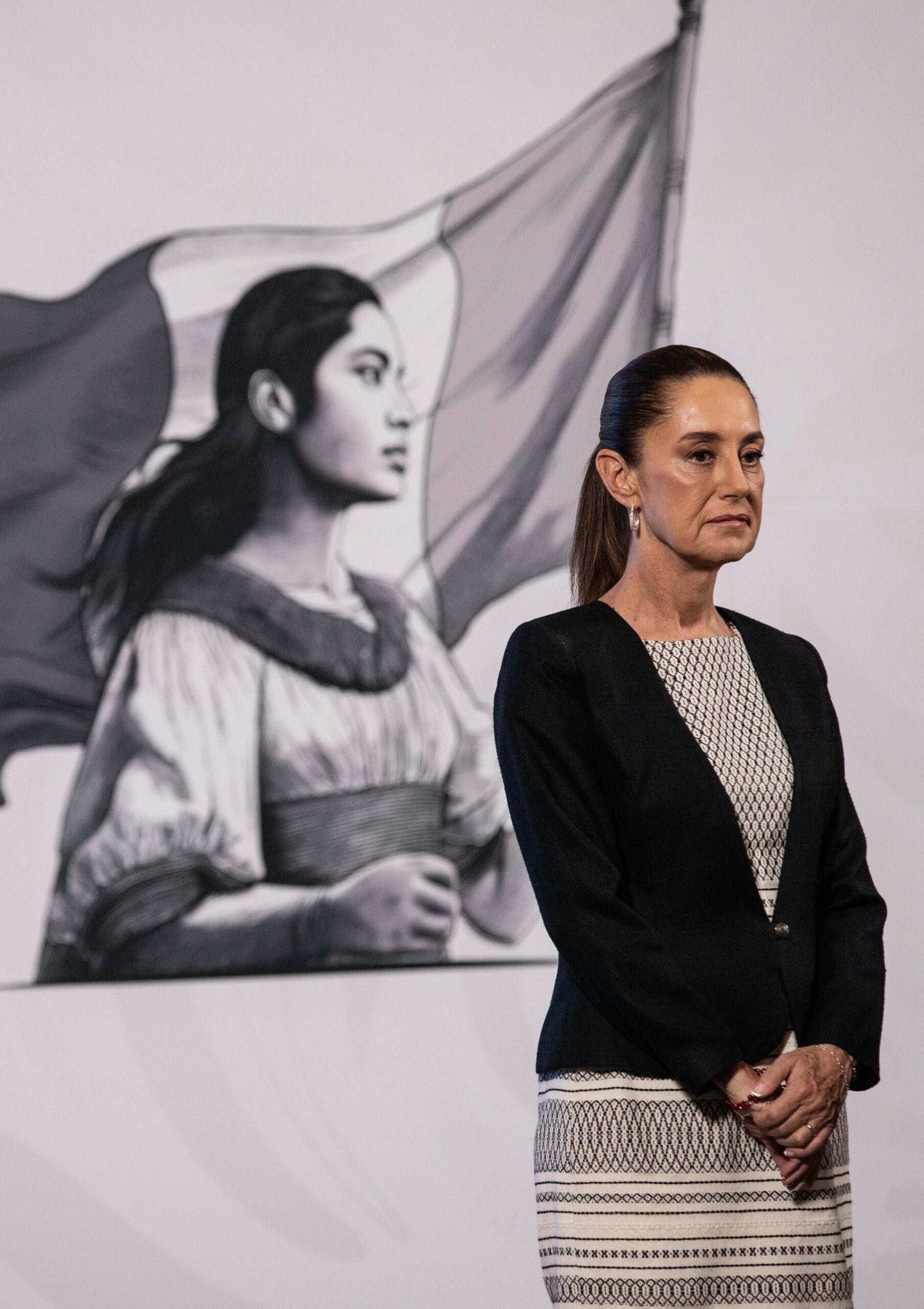
Morena’s corruption is escalating in Mexico, sparking frustration among supporters. While President Sheinbaum maintains popularity, her government faces over 70% disapproval in key areas, revealing a disconnect. She implements “Operation Cleanup” to mask corruption, limit dissent, and consolidate electoral control, emphasizing a concerning legacy of greed and political betrayal.

Governing Means Choosing.

Governance involves making difficult choices among conflicting alternatives, often revealing complexities after election promises are made. Current fiscal pressures highlight the struggle to stabilize budgets while fulfilling ambitious pledges. As governmental strategies clash with investor interests, Mexico’s potential for economic growth is threatened unless effective choices are prioritized to foster prosperity.

The Danger of Systematic Lying in Government.

The text discusses the pervasive issue of lying in public life, particularly focusing on government deception and its consequences. It compares optimistic beliefs about truth persisting over time with the danger of entrenched lies, exemplified by historical cases like the Vietnam War. The current Mexican government’s self-deception regarding economic conditions and corruption is also critiqued.

Glorifying the Messiah.

The 4T’s governance strategy in Mexico aims to defend Andrés Manuel López Obrador by fostering glorification among supporters while attempting to stifle criticism through judicial means. The ruling party faces internal struggles and corruption scandals, leading to fears of losing power. This situation presents risks for Mexico’s democratic integrity.

The Snake Bites its Tail.

Andrés Manuel López Obrador’s political strategy has always been that the best defense is a good offensive. This strategy involves a willingness to pay an increasingly high price to advance his goals. Polarization is the cornerstone of Morena’s strategy. Attacking, defaming, and lying are its weapons. The logic of the attack strategy is to continue relentlessly until the enemy is annihilated—attack like a snake.

Corruption and Power: A Turning Point in Mexican Politics

The content discusses the urgency and implications of political betrayal in Mexico, particularly involving Senator Adán Augusto and his connections to corruption. It highlights a shift from tolerance of criminal activities to a demand for accountability, questioning loyalties to political figures versus the moral responsibilities to the Mexican people amidst rising challenges.

The Fall of Morena: How Arrogance Breeds Political Collapse.

Morena’s political arrogance is leading to transformative changes, particularly an electoral reform that seeks to limit opposition representation and an assault on the amparo, weakening citizens’ legal protections. These actions risk alienating both citizens and investors, potentially sowing the seeds of the government’s own decline, reminiscent of past political failures.

The Impact of AI on Society: Who Holds the Power? The New Mandarins.

The digital revolution has advanced without clear understanding, with generative artificial intelligence offering both innovation and risks. A small elite, potentially 200 experts, controls its development, leading to concentrated knowledge and power. The future depends heavily on these individuals’ mental health, evoking concerns of societal manipulation akin to historical elite dominance.

Historical Parallels: Carthage’s Downfall and Mexico’s Future.

Stones, pieces of walls, parts of broken and abandoned columns that not only evoke the past, but also show the future of countries that do not know how to defend their foundations. Carthage did not fall solely because of the power of Rome, but because of the blindness and indifference of its own elites.

Shares