
Divided Opinions: Mexico’s Approval Ratings Explained

Mexico currently faces a stark divide in public opinion regarding President Sheinbaum, with over 70% approval but significant dissatisfaction from the remaining population. This disparity is influenced by socioeconomic status and educational attainment, reflecting differing perspectives on immediate versus future realities. The government’s strategy involves maintaining support through financial transfers, yet faces challenges in economic stability and reform effectiveness.

The Essence of Western Democracy and Its Challenges; Homo Demens.

The West embodies ideals of freedom, democracy, and human rights, developed through a history of civil progress, albeit with ongoing risks from authoritarianism. Recent challenges from figures like Trump and rising far-right movements jeopardize these values, threatening the established international frameworks that promote global solidarity and democratic governance.

The Land of the Chrysanthemum Facing Trump.

Japan’s history reflects a balance between international engagement and cultural preservation. From the Heian period’s aristocracy to the Meiji Restoration’s openness, Japan evolved significantly, shaping its identity. After World War II, Japan transformed economically but faced stagnation in the 1990s. Current leadership under Shigeru Ishiba navigates global challenges, emphasizing regional stability.

Two Economic Visions Collide.

The Bank of Mexico’s revised forecast for 2025 predicts a potential economic slowdown, lowering growth expectations from 1.2% to 0.6%. This reflects concerns over uncertainties in U.S. policies and suggests a risk of negative growth. Contrarily, President Sheinbaum emphasizes optimism regarding upcoming infrastructure projects and private investments.

Trump-Putin: The World of the Strong.

The text discusses historical parallels between political maneuvers before World War II and current geopolitical tensions involving Russia, Ukraine, and the United States. It highlights the complexities of alliances, the implications of strong leadership, and how past mistakes may influence today’s global landscape. Ultimately, it questions the outcomes of historical and current conflicts.

Trump’s New World Order: Impacts on Global Power Dynamics

Trump’s current presidency diverges sharply from his first, as he seeks to dismantle previous policies and reform the federal workforce to align with his conservative ideology. His administration aims for global dominance through alliances with hegemonic powers, reshaping international relations to favor a select few while sidelining multilateral organizations. Countries now interact under a new imperial framework.

The Counterpart

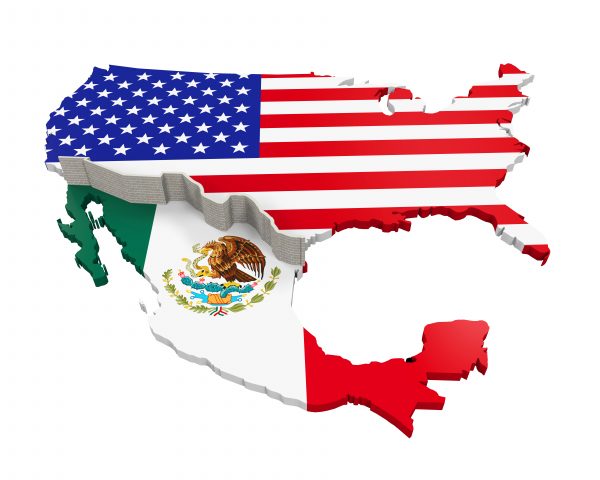
The relationship between Mexico and the U.S. has been tumultuous, particularly since NAFTA’s inception amidst Mexico’s economic crisis. Trump’s presidency, characterized by volatility and autocratic tendencies, raises concerns about U.S. governance’s stability and its repercussions for Mexico. Effective counterweights—particularly the judiciary and market responses—are crucial to manage this uncertainty.

Understanding the Drug Trade: A Naive Theory

The text discusses the severe drug crisis in Mexico, highlighting the role of cartels in violence and drug production, particularly fentanyl and cocaine. It mentions the involvement of various countries and the consequences of drug trafficking, including high death tolls and lost lives. The need for international cooperation to address the crisis is emphasized.

It had to be Munich.

The post discusses the historical context of communism and compares it to contemporary political phenomena, particularly the influence of Donald Trump on U.S.-European relations. It highlights the erosion of traditional alliances, the internal crises faced by the U.S., and how authoritarianism gains traction amid global instability. The implications of this shift are profound.

What Kyiv is saying

The Kyiv Independent critiques Trump’s approach to the Ukraine war, suggesting he aims for a settlement favoring Putin. The mood in Ukraine reflects resistance to conceding territory, encouraged by recent U.S. interests in Ukraine’s rare earth minerals. A long-lasting peace seems distant, with Kyiv hesitant to engage in talks lacking clear conditions.

Shares